

Traditional Glass Light Fixture
A traditional glass light fixture brings genuine period illumination to a room, casting patterns through cut crystal and moulded glass.
Traditional Glass Light Fixture
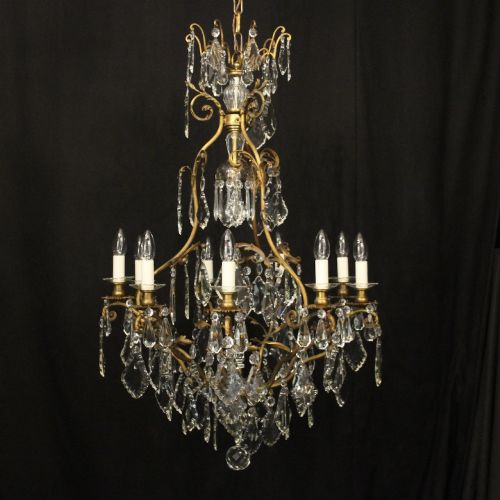
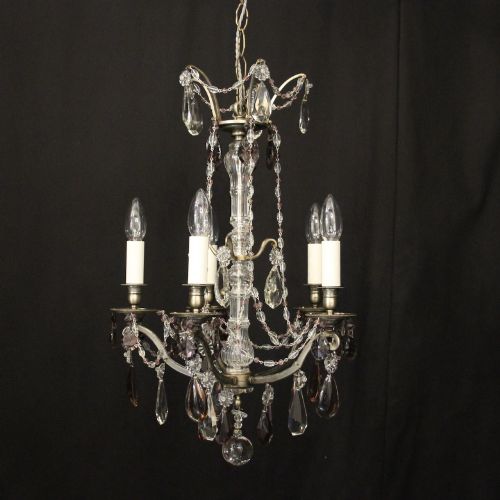
A traditional glass light fixture encompasses a wide range of antique lighting, from grand crystal chandeliers to hall lanterns and ceiling plafonniers. When searching for a traditional glass light fixture, you will encounter pieces spanning the Victorian, Edwardian and early twentieth century periods, with French chateau and neoclassical styles appearing frequently alongside English and Italian designs.
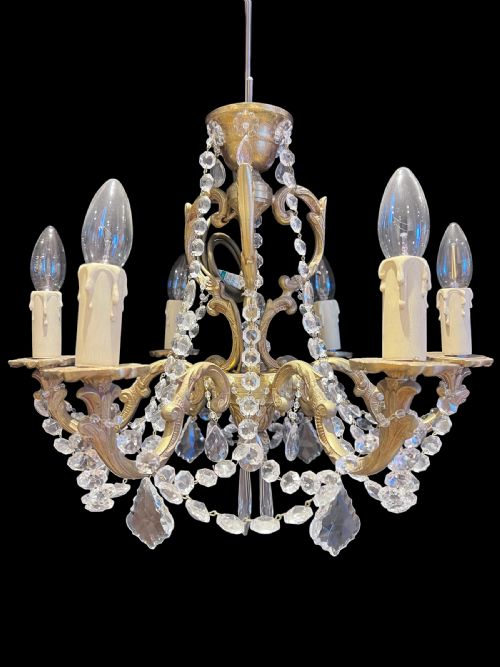
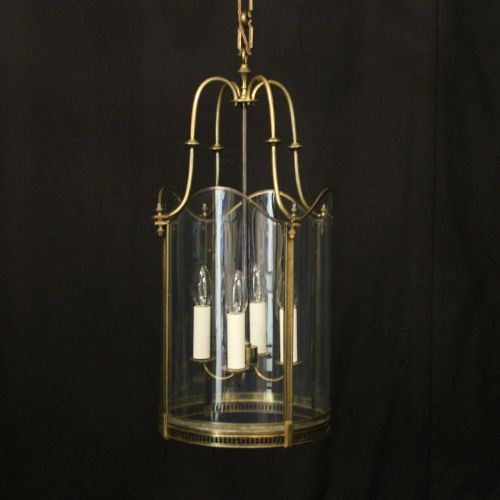
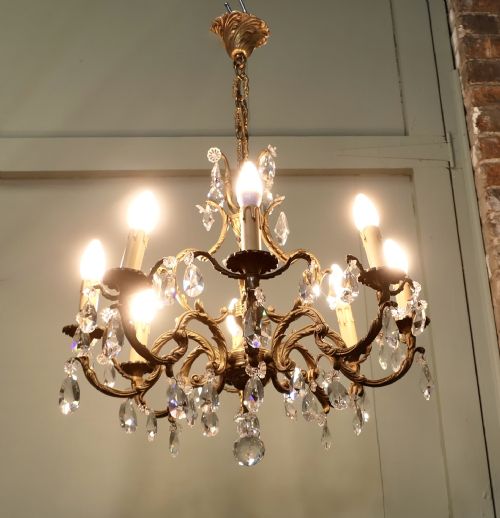
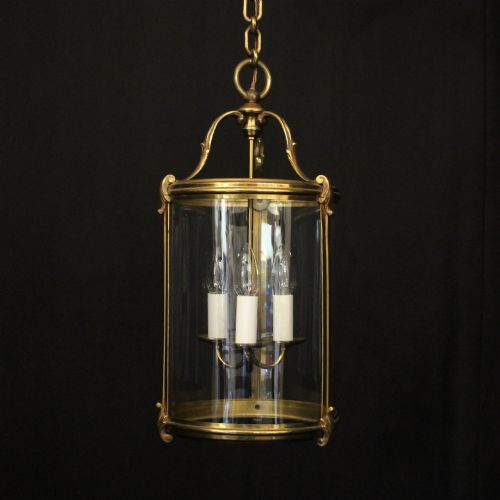
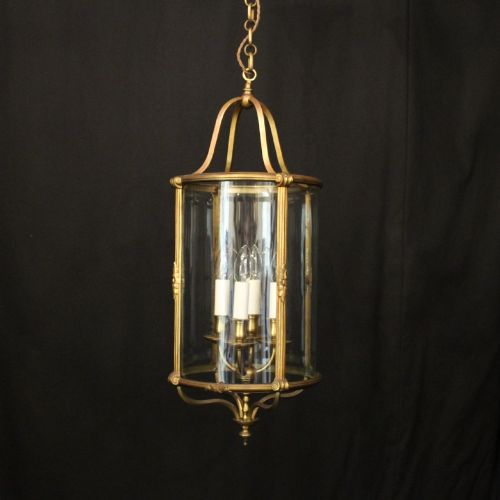
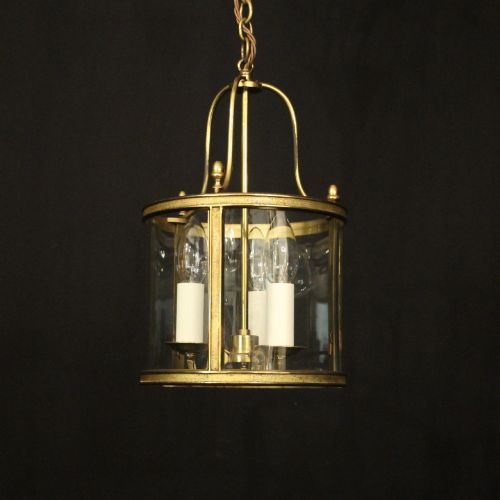
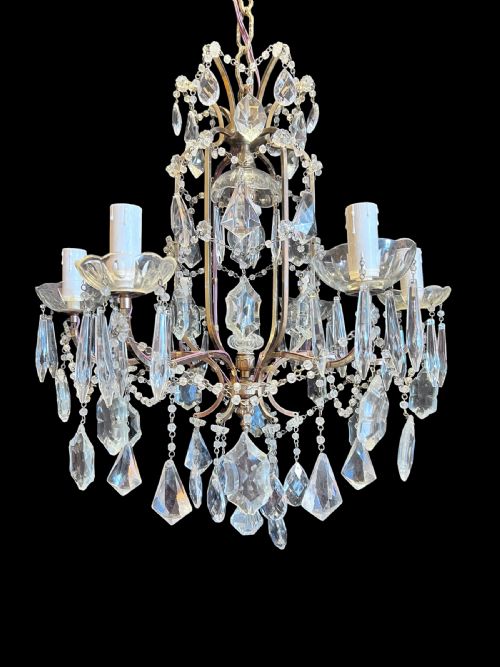
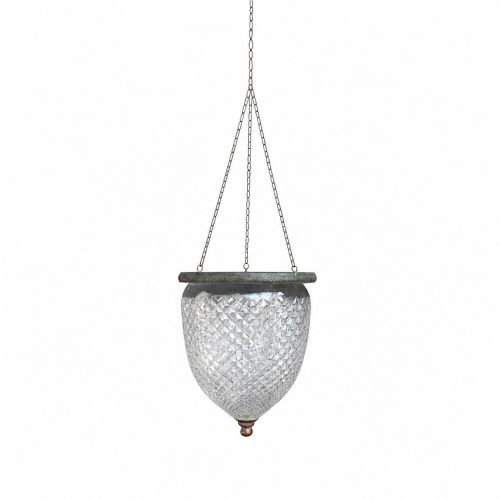
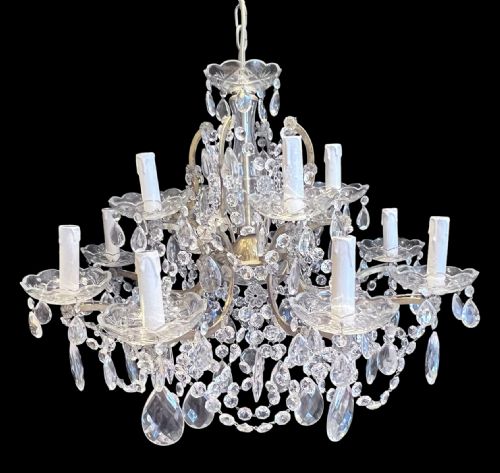
The selection on this page relies heavily on ceiling-mounted forms, including multi-light brass and crystal chandeliers, cage chandeliers, and hanging lanterns glazed in convex or flat panes. Brass, bronze and gilt metal provide the structural frameworks that hold the glass elements in place above living spaces and hallways.
How they were made
Metalwork frames form the skeletons of these pieces, utilising cast brass, gilded bronze, copper and silver-plated mounts shaped into scrolling arms or geometric lantern cages. Glass elements are introduced through several techniques, combining heavy cut crystal lustres, moulded moonstone shades, and leaded glass panes secured within metal channels.
Makers integrated optical effects by suspending faceted drops, teardrops, and beads from wire loops attached directly to the metal armature. Frames were often constructed in sections to support the considerable weight of dense crystal drops and heavy central stems.
Some Edwardian fixtures feature playful acorn-shaped glass shades that suggest the maker spent too much time looking at oak trees.
What varies in quality
The calibre of a traditional glass light fixture rests on the depth of the metal casting and the optical purity of the glass components. Superior examples display crisp chasing on gilt bronze mounts and hand-cut facets on crystal drops that refract light sharply rather than appearing grey or dull.
Construction methods also separate standard production from finer workshop pieces, seen in the rigidity of the internal framework and the neatness of the wire fixings holding individual glass lustres. Heavier gauges of brass and well-integrated mounting rings indicate an assembly built to endure decades of service.
The Traditional Glass Light Fixture Glossary
- Chandelier
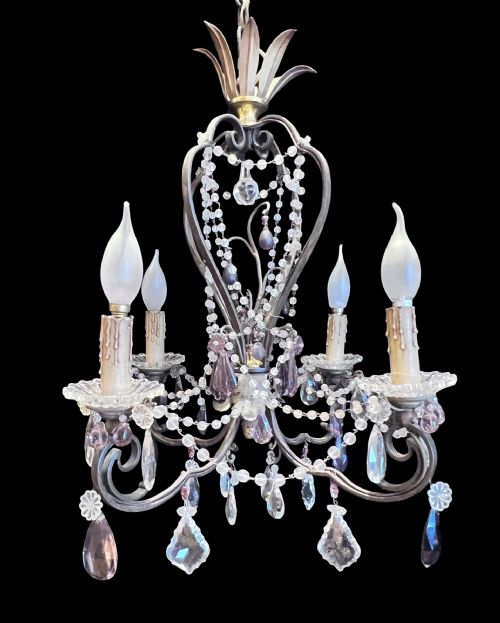
- A branched ceiling-mounted lighting fixture designed to hold multiple bulbs or candles. These pieces often incorporate central metal stems hung with crystal drops and glass beads.
- Plafonnier
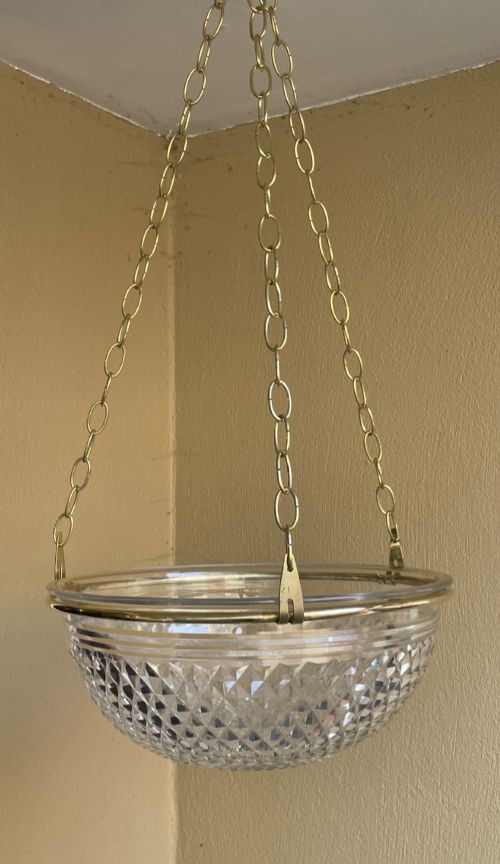
- A ceiling-mounted bowl light or flush fixture sitting close to the plaster. Edwardian examples frequently utilise moulded glass or moonstone shades.
- Hall Lantern
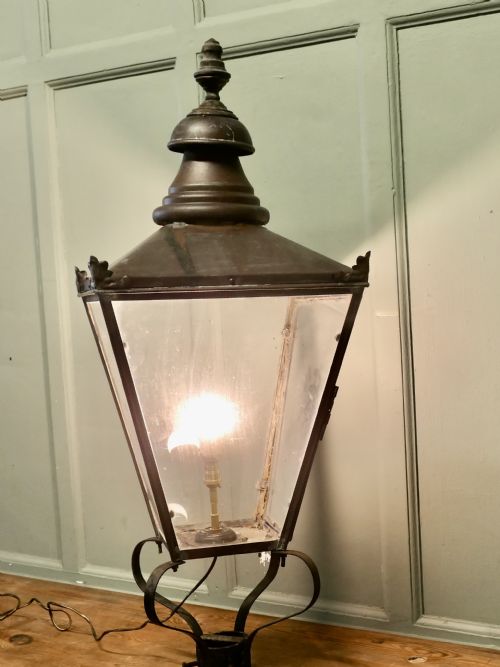
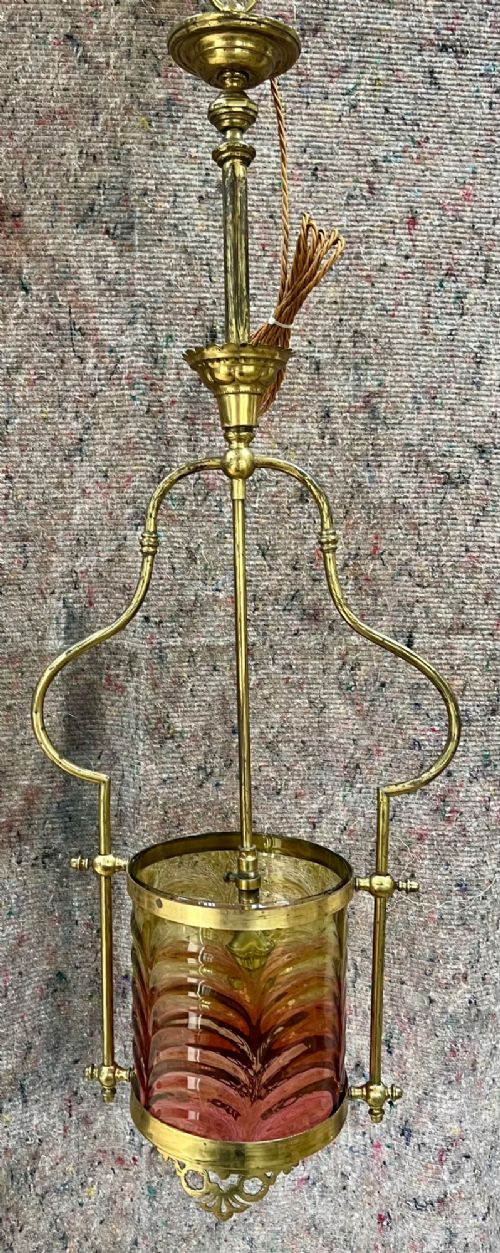
- An enclosed hanging light designed for corridors and entryways. They utilise brass or bronze frames glazed with flat or convex glass panels.
- Lustre
- A cut glass or crystal pendant hung from a lighting fixture to catch and refract light. They attach via small wire loops to the arms and rings of chandeliers.
Traditional Glass Light Fixture: Frequently Asked Questions
How do I hang a heavy crystal chandelier safely?
Hanging a heavy brass and crystal fixture requires securing the light directly to a ceiling joist using a steel ceiling box and a rated load-bearing hook. The weight of the metal frame and glass drops demands structural ceiling support rather than attachment to plaster alone.
Electrical wiring must connect through the central stem to a designated circuit breaker. Professional installation ensures the supporting chain and canopy bear the full load without placing strain on the decorative arms.
What rooms suit a hall lantern best?
Hall lanterns work effectively in narrow entryways, stairwells, and transitional corridors where ceiling height permits a hanging drop. Their enclosed glass panels protect internal burners or bulbs from drafts while diffusing light evenly across confined spaces.
Selecting a lantern with convex or bevelled glass panels adds depth to smaller rooms by catching natural light from adjacent doorways. Brass and bronze frames complement traditional architectural joinery in period properties.
How do I date an antique glass light fixture?
Dating relies on examining the metal casting techniques, screw thread types, and glass-cutting styles present in the frame. Victorian and Edwardian pieces often display heavier sand-cast brass components and hand-finished mounting screws, whereas later twentieth-century pieces utilise more standardised machine-cut elements.
Style indicators such as neoclassical swags, Regency revival motifs, or Marie Theresa frames provide chronological markers. Comparing the wiring channels and suspension loops to known period examples helps confirm the era of manufacture.
Can antique glass fixtures take modern wiring?
Modern electrical wiring can be integrated into antique fixtures by running contemporary heat-resistant cable through the existing central channels and brass arms. Rewiring ensures the piece complies with current safety standards while preserving the exterior metal and glass components.
Lamp holders within the sockets are typically updated to accept standard modern bulbs. Care must be taken to match the bulb wattage to the thermal tolerance of vintage glass shades and crystal drops.