




Moulded Glass Table Lamp
A moulded glass table lamp brings soft illumination and tactile depth to a room, combining practical lighting with sculptural form.
Moulded Glass Table Lamp
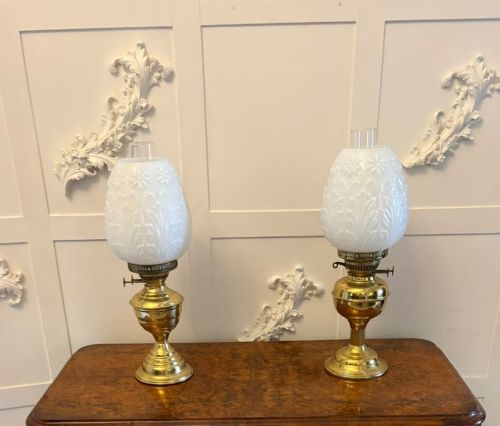
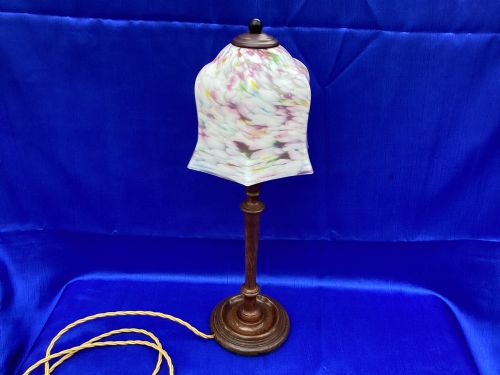
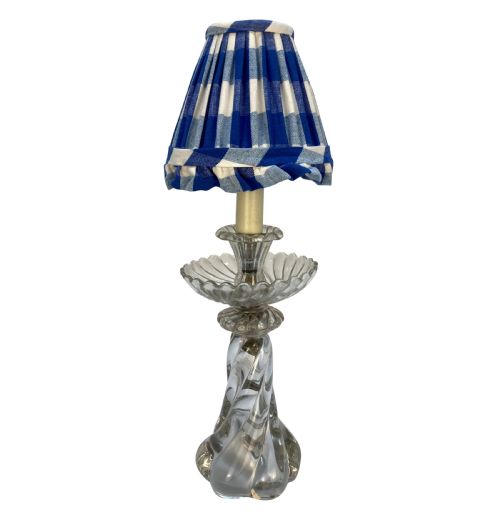
When you search for a moulded glass table lamp, you are looking at domestic lighting where glass forms the primary body or shade. The examples gathered here span from the mid-nineteenth century through the Victorian and Edwardian eras into the Art Deco period of the nineteen-thirties.
The most common versions encountered on this page include conversion oil lamps with glass vessels, alongside dedicated electric lights utilising chrome, brass, or nickel-plated bronze mounts. Forms range from simple column structures to multi-branch candelabras and geometric nineteen-thirties designs.
Origins represented in these listings include British and French workshops, encompassing styles from Arts and Crafts simplicity to opulent Victorian brass and satin glass combinations. Each piece demonstrates how functional domestic items were elevated through moulded and opaque glass techniques.
How they were made
Makers shaped the glass bodies and shades using traditional moulding techniques, often employing opaline, satin, or pink opaque glass to diffuse light gently. These glass components sit atop weighted bases fashioned from brass, oak, silver plate, or nickel-plated bronze.
Metal mounts and columns were cast, turned, or plated to provide a stable architectural skeleton for the fragile glass elements above. Wiring and fittings, including modern fabric flex, are integrated to support contemporary electrical standards while retaining period character.
Listings incorporate glass, brass, silver plate, chrome, opaline glass, oak, and nickel-plated bronze across Victorian and Art Deco eras.
What varies in quality
Quality reveals itself in the crispness of the glass moulding and the weight of the supporting metal base, whether solid brass or plated bronze. Superior examples display clean lines and harmonious proportions between the glass vessel and its metal or wooden mounts.
The sophistication of the design distinguishes standard domestic lighting from exceptional studio output, such as identified French Art Deco shades. Better pieces maintain integrity across all constituent materials, from the finish on the metal to the consistency of the opaque glass.
Muller Bros
The Moulded Glass Table Lamp Glossary
- Opaline glass
- A type of semi-translucent white or coloured glass that diffuses light softly without complete transparency. It was widely utilised in nineteenth-century lighting for shades and reservoirs.
- Peg oil lamp
- A small oil lamp fitted with a burner and a distinct lower spigot or peg designed to drop directly into the socket of a candelabra or metal candlestick base.
- Satin glass
- Glass treated with an acid dip to produce a velvety, matte finish rather than a high gloss. This technique subdues reflections and softens the visual texture of the lamp.
- Nickel-plated bronze
- A bronze casting coated with a layer of nickel to provide a bright, corrosion-resistant silvery finish. This metal combination is frequently encountered on geometric lighting from the nineteen-thirties.
Moulded Glass Table Lamp: Frequently Asked Questions
How do I wire an old lamp?
Most antique lamps require rewiring with modern fabric flex to meet current safety standards and ensure safe daily operation. A qualified electrician can easily update the internal cord while preserving the original brass or chrome exterior.
Retaining the original switch mechanisms where possible helps maintain the historical integrity of the piece. Ensure the internal bulb holder matches modern voltage requirements for your region.
What is an opaline shade?
Opaline glass is a semi-opaque material created by adding bone ash or metal oxides to the molten batch during manufacture. This process produces a milky appearance that scatters light evenly across a room.
Such shades were popular in Victorian and Edwardian homes because they reduced the harsh glare of early electric bulbs and oil flames.
How do I date a glass lamp?
Dating relies on examining the combination of materials, such as heavy Victorian brass casting versus nineteen-thirties chrome and geometric styling. Screw threads, mounting styles, and the specific tint of the glass also offer strong chronological clues.
Comparing the construction methods against documented design periods helps narrow down the decade of manufacture.
Where should I place this lamp?
These lamps suit side tables, desks, or living room credenzas where their decorative glass bodies can be appreciated in natural daylight. They provide concentrated pools of functional light rather than general room illumination.
Keep them on stable surfaces away from heavy foot traffic to protect delicate glass reservoirs and shades from accidental knocks.