
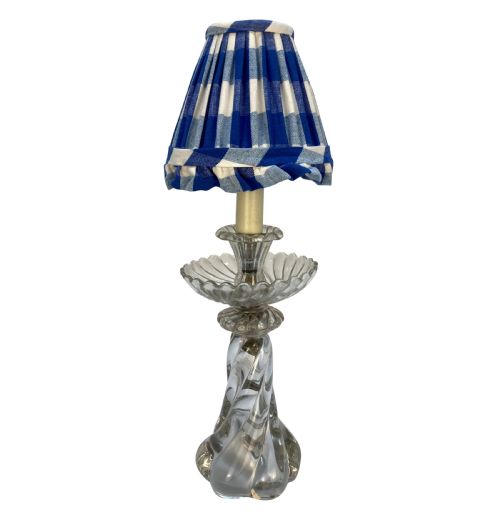


Retro Glass Side Lamp
A retro glass side lamp brings distinctive lighting and period character to a room, offering functional illumination alongside striking decorative form.
Retro Glass Side Lamp
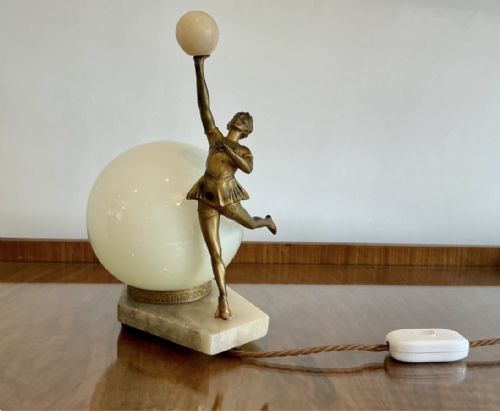
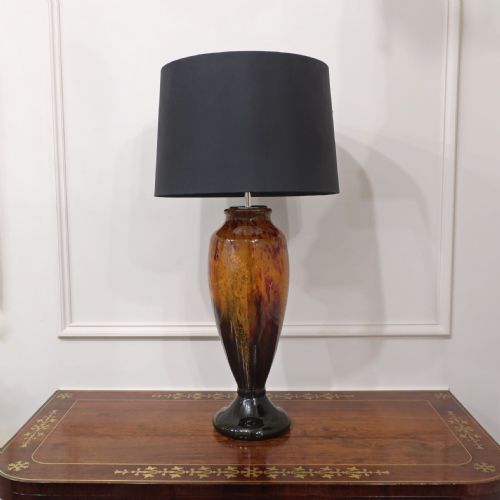
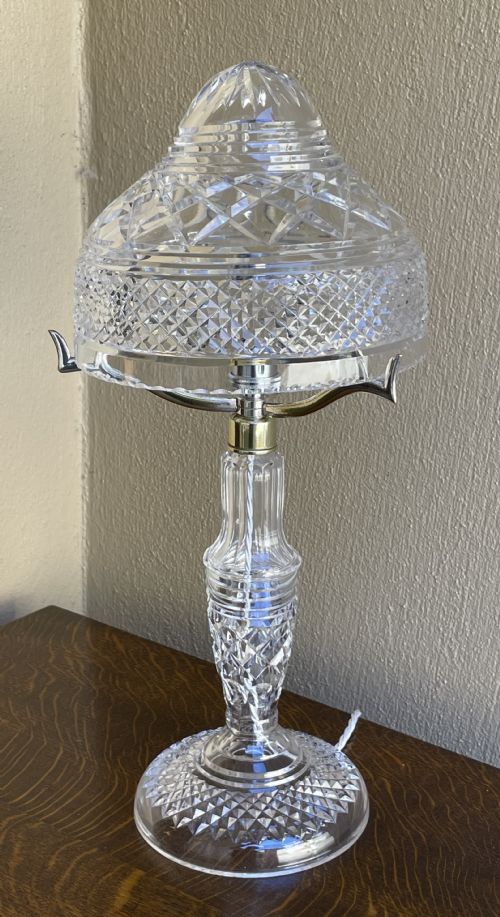
A retro glass side lamp combines illumination with period design, drawing primarily from the Art Deco era and the 1930s. These pieces often pair moulded, opaline, cut crystal, or mottled glass with bases of brass, spelter, chrome, or mahogany.
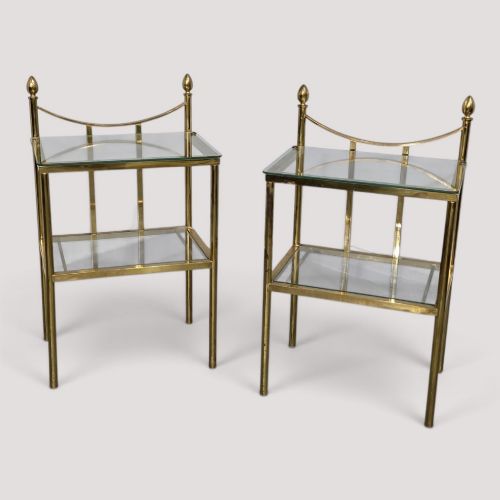
Buyers frequently encounter table lamps and novelty figural designs featuring birds or human figures, alongside occasional tables that integrate glass elements. The selection spans French, British, and continental origins, reflecting the diverse modernist styles of the interwar years.
The aesthetic ranges from sleek geometric forms to figurative sculptures, incorporating double shades and contrasting metalwork. Each lamp provides a focused pool of light while serving as a sculptural centrepiece on a side table or sideboard.
How a retro glass side lamp was made
Glass components were formed through specialist techniques such as acid etching, mottling, or heavy crystal cutting to achieve textured and light-diffusing surfaces. Artisans shaped opaline and coloured glass into globes, cylindrical shades, and figural motifs.
Metalwork frames utilised brass, cast spelter, and polished chrome to support the heavy glass elements securely. Bases frequently combined solid mahogany, marble, or tiered metal to provide stability for the substantial glass shades above.
A seagull rides a crashing wave in frosted glass, frozen forever in the act of lighting up the evening room.
What varies in quality
The distinction between standard production and finer examples lies in the depth of the glasswork and the execution of the metal mounts. Heavy cut crystal and finely layered mottled glass demonstrate superior craftsmanship compared to plain pressed alternatives.
Figural pieces derive their quality from the expressive detail in the moulding and the integration of the glass shade with the sculptural base. Well-balanced proportions and the clever juxtaposition of contrasting materials like chrome and dark wood elevate the piece.
Charles Schneider·Karl Palda
The Retro Glass Side Lamp Glossary
- Art Deco
- A design style dominant in the 1920s and 1930s characterised by streamlined geometric shapes, stylised motifs, and modern industrial materials. It influences the clean lines and decorative symmetry of interwar lighting.
- Opaline Glass
- A semi-opaque glass that is milky white or tinted in pastel shades, valued for diffusing light evenly. It was widely used in European lighting to soften bulb glare.
- Spelter
- A zinc alloy commonly cast and electroplated to resemble bronze or brass in decorative figures and lamp bases. It provided an economical alternative to solid bronze during the early twentieth century.
- Mottled Glass
- Glass featuring a patchy or marbled coloration achieved by fusing different coloured powders during manufacture. This technique creates a cloudy, atmospheric effect when illuminated from within.
Retro Glass Side Lamp: Frequently Asked Questions
Where should I place a retro glass side lamp?
These lamps suit low side tables, sideboards, or bedside surfaces where their decorative glass shades can catch ambient light. Their compact footprint makes them practical for spaces needing localized illumination.
Position them away from high-traffic edges to protect delicate glass components from accidental knocks while allowing the design to serve as a focal point.
How do I identify a 1930s glass lamp?
Look for characteristic materials such as heavy cut crystal, opaline glass, and chromed or spelter mounts that reflect the modernist aesthetic of the period. Forms often incorporate stepped bases and geometric or stylized figural motifs.
Construction methods typically involve heavier glass pressings and traditional metal assembly techniques distinct from later mass-produced lighting.
What bulbs should I use in these lamps?
Low-wattage LED bulbs that emit a warm white glow work best for preserving vintage glass while providing sufficient illumination. Avoid high-heat traditional bulbs that might stress older glass or internal wiring.
Selecting bulbs with a diffused finish helps prevent harsh glare when paired with translucent opaline or mottled glass shades.