

1930s Glass Lamp
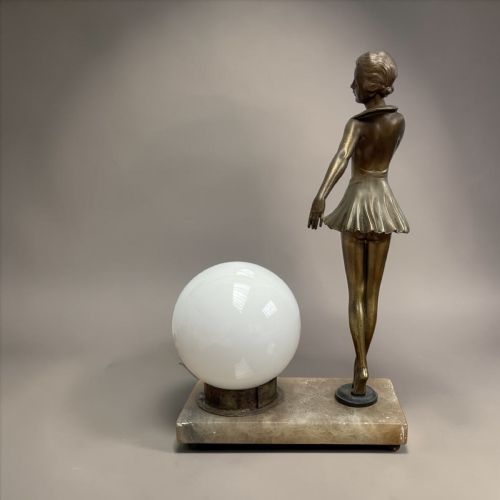
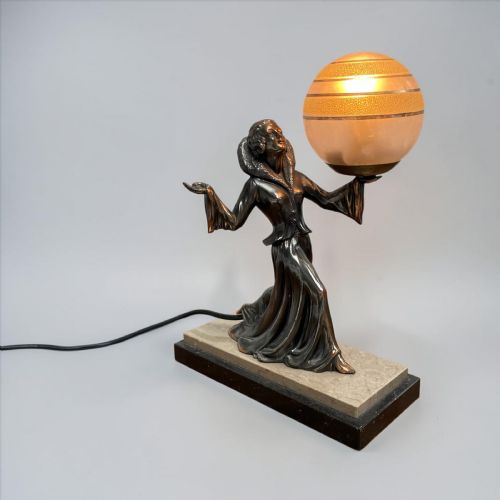
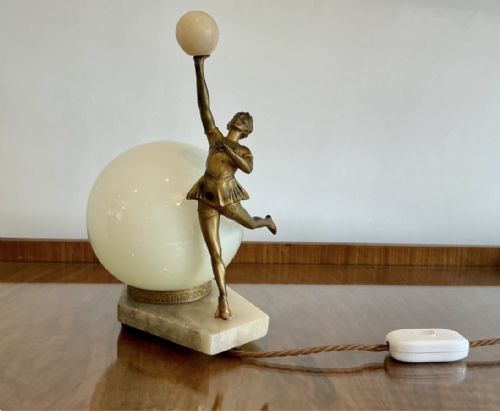
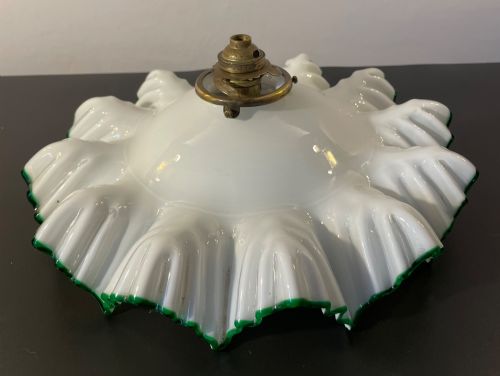
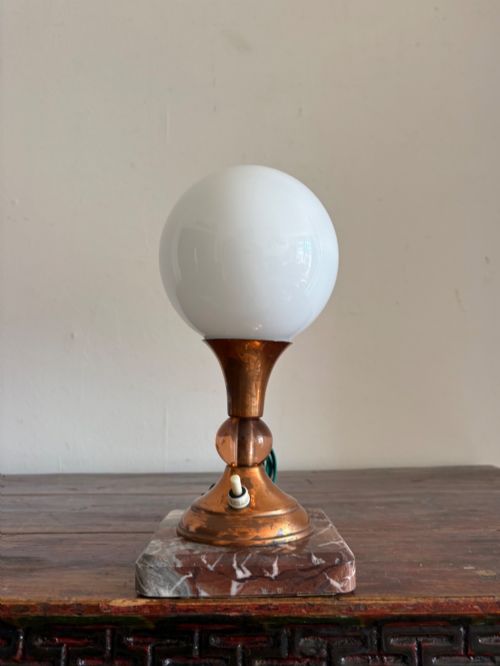
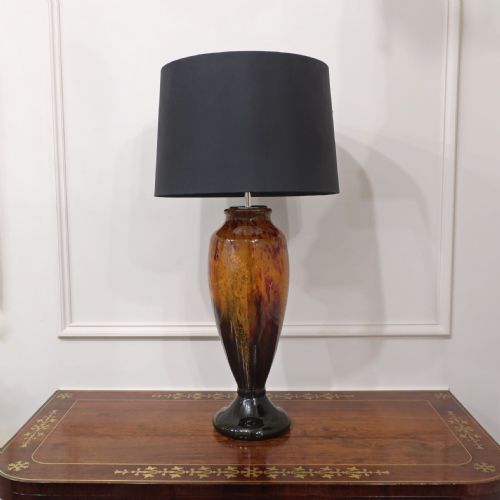
These pieces are a 1930s glass lamp, combining period illumination with distinctive decorative forms that bring authentic character to an interior.
1930s Glass Lamp
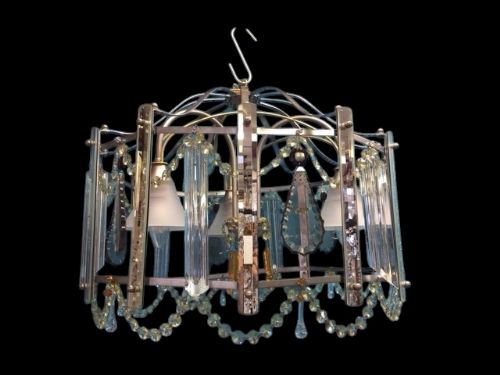
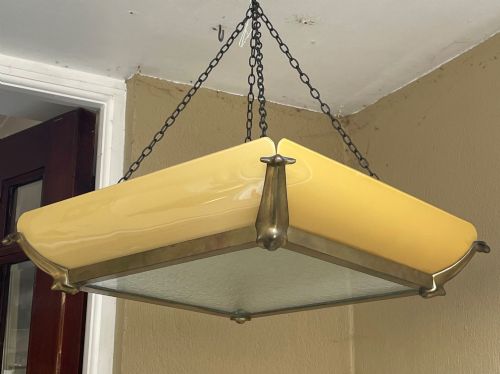
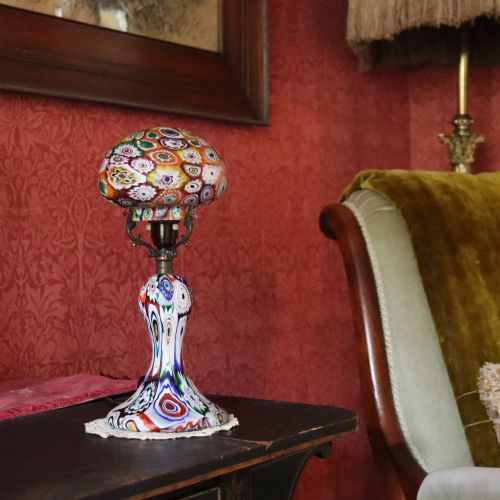
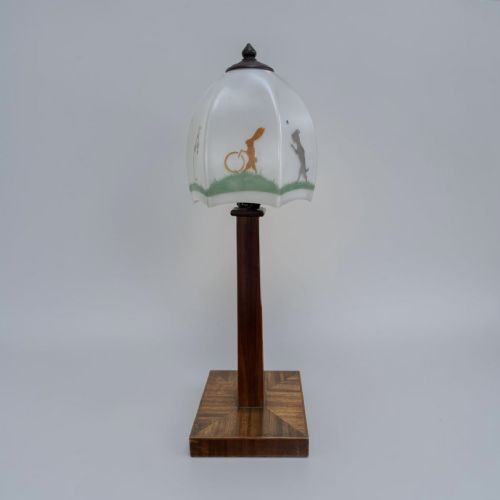
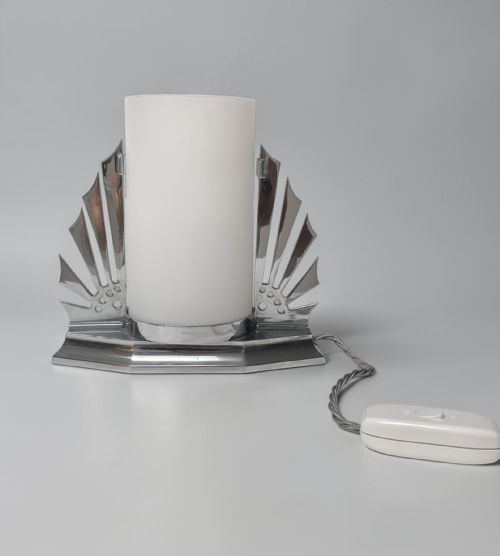
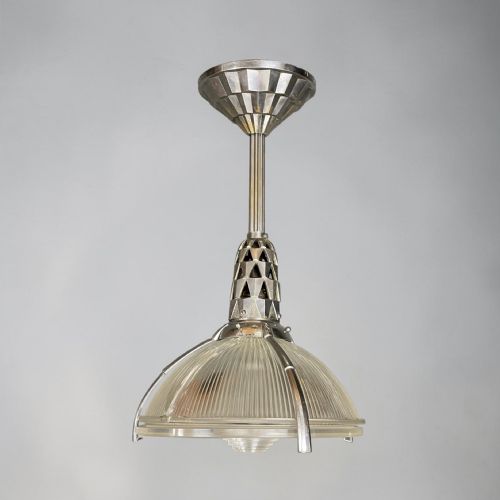
A 1930s glass lamp encompasses table lamps, wall lights, and pendant fixtures shaped by the prevailing design movements of the interwar period. The forms range from simple glass shades to elaborate figurative bases and mushroom profiles.
Table lamps and hanging lights on this page predominantly reflect Art Deco aesthetics alongside French country and traditional designs. Buyers frequently encounter moulded opaline shades, crackle glass, and cut crystal components.
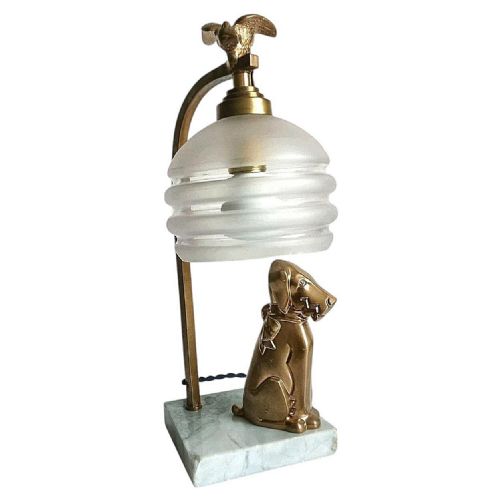
The selection includes specialised lighting such as desk lamps, floor lamps with integrated glass tables, and novel animal figures in glass and metal. These objects bridge functional illumination and decorative sculpture.
Materials and construction
Makers combined glass with metal supports, utilising chrome, brass, copper, and wrought iron alongside marble bases. Glass components include frosted, opaline, mottled, and cut crystal varieties.
Techniques relied on glass blowing, moulding, and heavy cutting, matched with metal casting and patination. Bases frequently anchor the glass shades using fitted collars and secure screws.
Listings feature periods spanning Edwardian to 1930, utilising glass, brass, chrome, marble, and wrought iron.
Assessing quality and execution
Quality rests in the weight of the glass, the clarity of the crystal or opaline finish, and the precision of the metal mounts. Heavier marble bases and solid brass or chrome frames separate substantial studio output from lighter commercial pieces.
The sophistication of the design, whether in a mould-blown shade or a sculptural figural base, determines the visual impact. Attributions to known designers or workshops elevate the standing of individual lamps.
Fratelli Toso·Émile-Jacques Ruhlmann·Charles Schneider·Lacroix·Lalique·Eileen Grey·WMF
The 1930s Glass Lamp Glossary
- Opaline Glass
- A semi-translucent glass that diffuses light softly through its milky white appearance. It was widely utilised for shades and pendant lights during the period.
- Art Deco
- A dominant design style characterised by sleek geometric shapes, stylised motifs, and modern industrial materials. It defines the majority of lighting fixtures from this era.
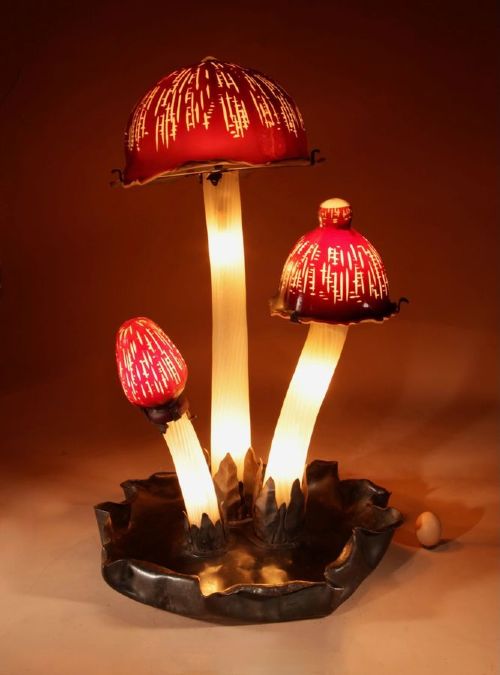
- Mushroom Lamp
- A table lamp featuring a domed glass shade that resembles the cap of a mushroom, often directing light downwards. Cut crystal versions are common in the archive records.
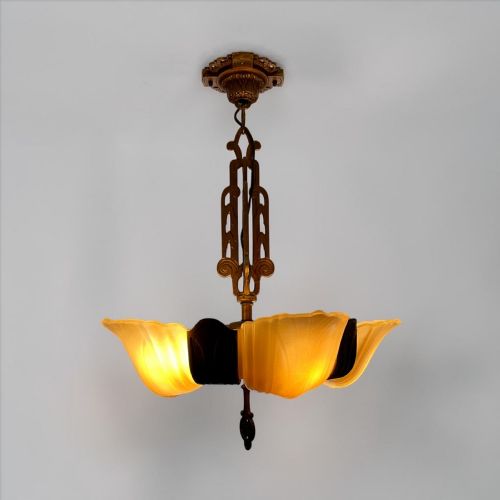
- Slip Shade
- A moulded glass shade designed to slip into a metal frame or arm on a ceiling or wall light. These shades project diffused illumination across geometric patterns.
1930s Glass Lamp: Frequently Asked Questions
How do I choose the right 1930s glass lamp?
Consider the room proportions and whether you need a focal table lamp or a hanging pendant light. Match the metal finish, such as chrome or brass, with existing hardware in your space.
Examine the shade type, choosing opaline for soft diffusion or cut crystal for patterned sparkle. Ensure the scale suits the intended surface or ceiling height.
Were these lamps originally electric?
Most lighting from this era was manufactured for electricity, though many surviving examples have been rewired for modern safety standards. Some decorative pieces started as other objects, such as andirons converted into lamps.
Wiring updates allow these vintage fixtures to be safely integrated into contemporary electrical systems. Original lamp holders and switches may be retained or replaced depending on condition.
How do I identify a 1930s lamp?
Look for characteristic materials like heavy opaline glass, chrome plating, and marble bases. The geometric lines and stylised figures point directly to the Art Deco aesthetic of the decade.
Compare the construction methods and glass types against documented pieces from the period. Signatures or attributions on the glass or metalwork help confirm origin.
How should I clean my glass lamp?
Dust metal parts gently with a dry cloth and clean glass shades using mild soapy water. Avoid harsh chemical cleaners that can damage vintage finishes or patination.
Take care when removing shades from their metal mounts to prevent chipping the glass edges. Ensure the lamp is unplugged before undertaking any cleaning.