


Early Century Lighting
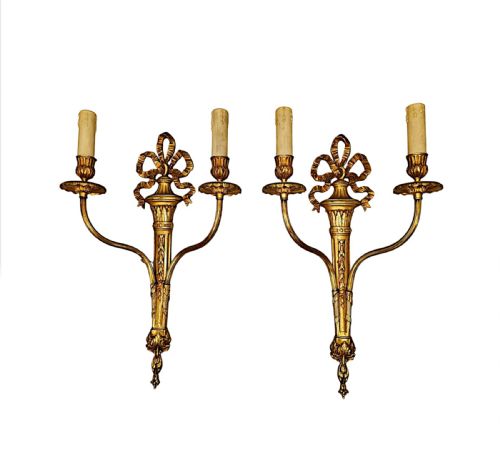
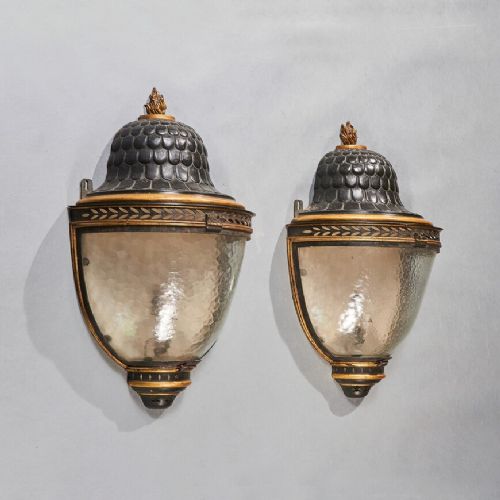
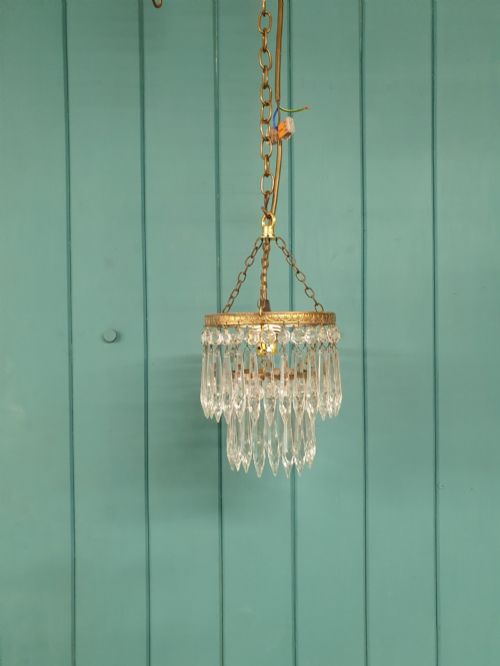
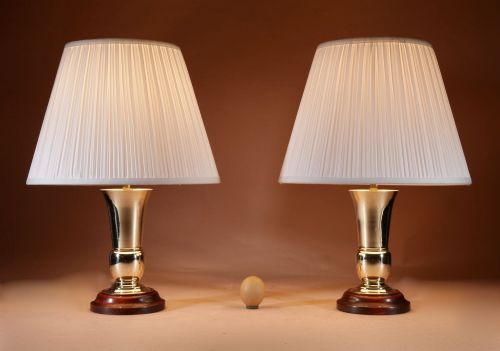
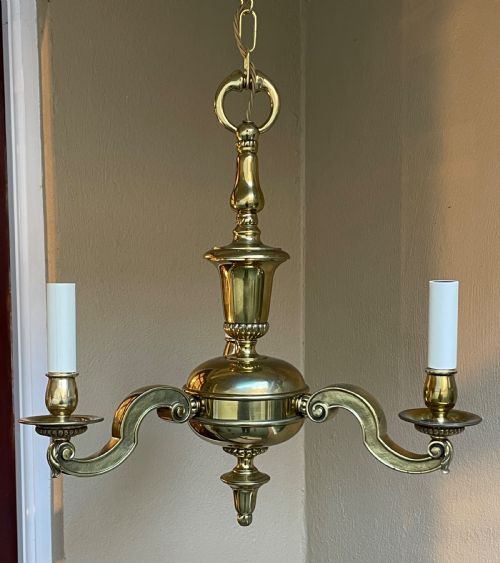
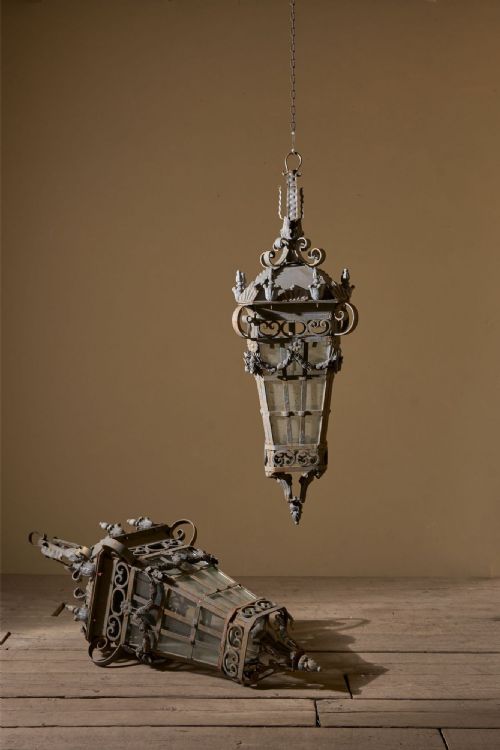
Early century lighting gathers brass chandeliers, copper post lanterns and cut glass plafonniers to cast genuine historical character across a room.
Early Century Lighting
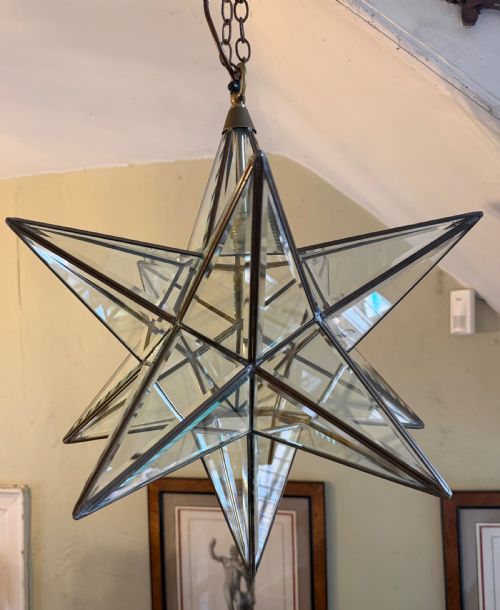
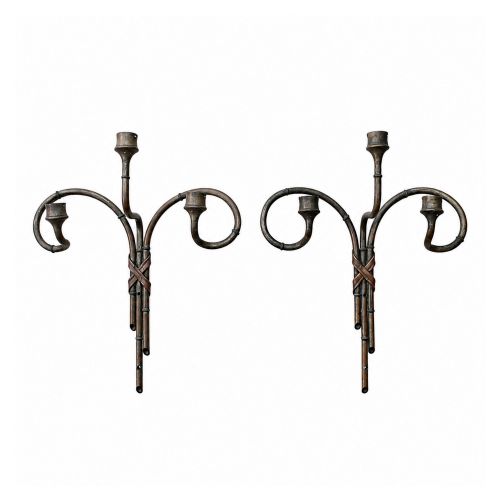
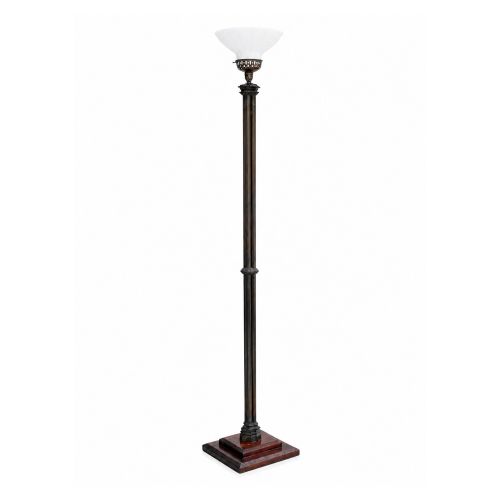
Early century lighting spans hanging lanterns, chandeliers, floor lamps and wall lights originating primarily from the early twentieth century, the Edwardian era and the nineteenth century. Buyers searching this phrase encounter functional fixtures that double as decorative centrepieces, drawn from diverse international workshops and domestic makers.
The assortment relies heavily on brass, copper, iron and cut glass crystal, alongside occasional bamboo and fabric elements. These materials take shape in forms ranging from multi-branch chandeliers and moonstone ceiling domes to heavy industrial ceiling lights and delicate desk lamps.
Stylistic influences run from early twentieth century utilitarian designs and Gothic Revival pieces to French Neoclassical, Anglo-Indian and Jacobean Revival aesthetics. This variety allows buyers to integrate period authenticity into both traditional interiors and more eclectic contemporary spaces.
Materials and construction methods
Metalworking forms the backbone of these pieces, utilising cast, spun or patinated brass, copper, iron and gilt metal. Artisans shaped these structural metals into rigid frames for chandeliers, sturdy bases for desk and floor lamps, and weather-resistant housings for exterior lanterns.
Glass production played an equally vital role, employing cut glass, bevelled glass plates, moonstone glass and coloured crystals. These glass components were faceted or blown to refract light effectively, working in tandem with metal frameworks to maximise illumination.
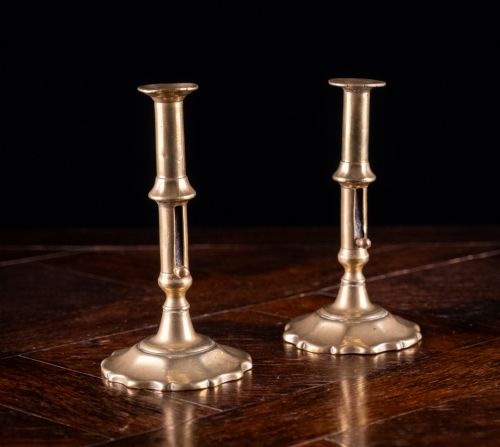
Several items double as miniature works of art, including a bronze seated Arab lamp and snake-form candlesticks.
Distinctions in quality and execution
Quality reveals itself in the weight and integrity of the metal components, where solid cast brass and heavy-gauge copper outlast thin plated alternatives. Superior examples display crisp chasing, clean casting seams and well-fitted glass panels that align precisely with their frames.
The artistry of secondary elements such as hand-cut crystal prisms, bevelled glass inserts and hand-painted details separates standard utility pieces from exceptional decorative works. Better execution ensures that structural joints remain rigid and ornate surface finishes retain their depth over decades of use.
Franz Bergman·Royal Worcester
The Early Century Lighting Glossary
- Plafonnier
- A ceiling light fixture mounted flush or semi-flush against the ceiling surface. These often feature decorative glass bowls or dome-shaped shades.
- Tole Peinte
- Painted or enamelled sheet metal, frequently utilised in decorative French lanterns and lighting fixtures. This technique allowed makers to introduce rich colour to metal surfaces.
- Moonstone glass
- An opalescent, semi-translucent white glass popular in early twentieth-century light shades. It diffuses bulb glare into a soft, even glow.
- Coffin prisms
- Elongated, wedge-shaped crystal drops hung from chandeliers and candle branches. Their geometric facets catch and scatter light.
- Bidri ware
- Metal handicrafts from India involving blackened zinc alloy inlaid with contrasting sheet silver. This technique appears on specialised candlesticks and table lamps.
Early Century Lighting: Frequently Asked Questions
What rooms suit early century lighting?
These fixtures suit hallways, dining rooms and studies where historical character adds architectural weight. Hanging lanterns and chandeliers anchor high ceilings, while desk and floor lamps provide focused task lighting in living spaces.
Matching the scale of the light to the room remains essential. Large multi-arm chandeliers dominate compact spaces, whereas smaller dome-top chandeliers and single-branch candlesticks fit intimate corners.
Were these lights originally electrified?
Many items originating from the eighteenth and nineteenth centuries began as oil, rushlight or candle holders before being converted to electricity later in their lifespan. Early twentieth-century pieces were frequently designed to accommodate early domestic wiring standards.
Buyers should inspect the internal wiring and bulb fittings of any vintage fixture. Professional rewiring ensures modern safety compliance without altering the exterior historical metalwork or glass.
How do I care for antique brass?
Antique brass benefits from gentle dusting with a soft, dry cloth to prevent the accumulation of grime in decorative recesses. Avoid aggressive chemical polishes that strip away historical patination and soften crisp casting details.
Preserving the natural surface age maintains the visual depth of the metal. If cleaning is necessary, use a mild, non-abrasive soap solution followed by thorough drying.