

Neoclassical Brass Lamp
A neoclassical brass lamp brings architectural poise and disciplined ornament to a room.
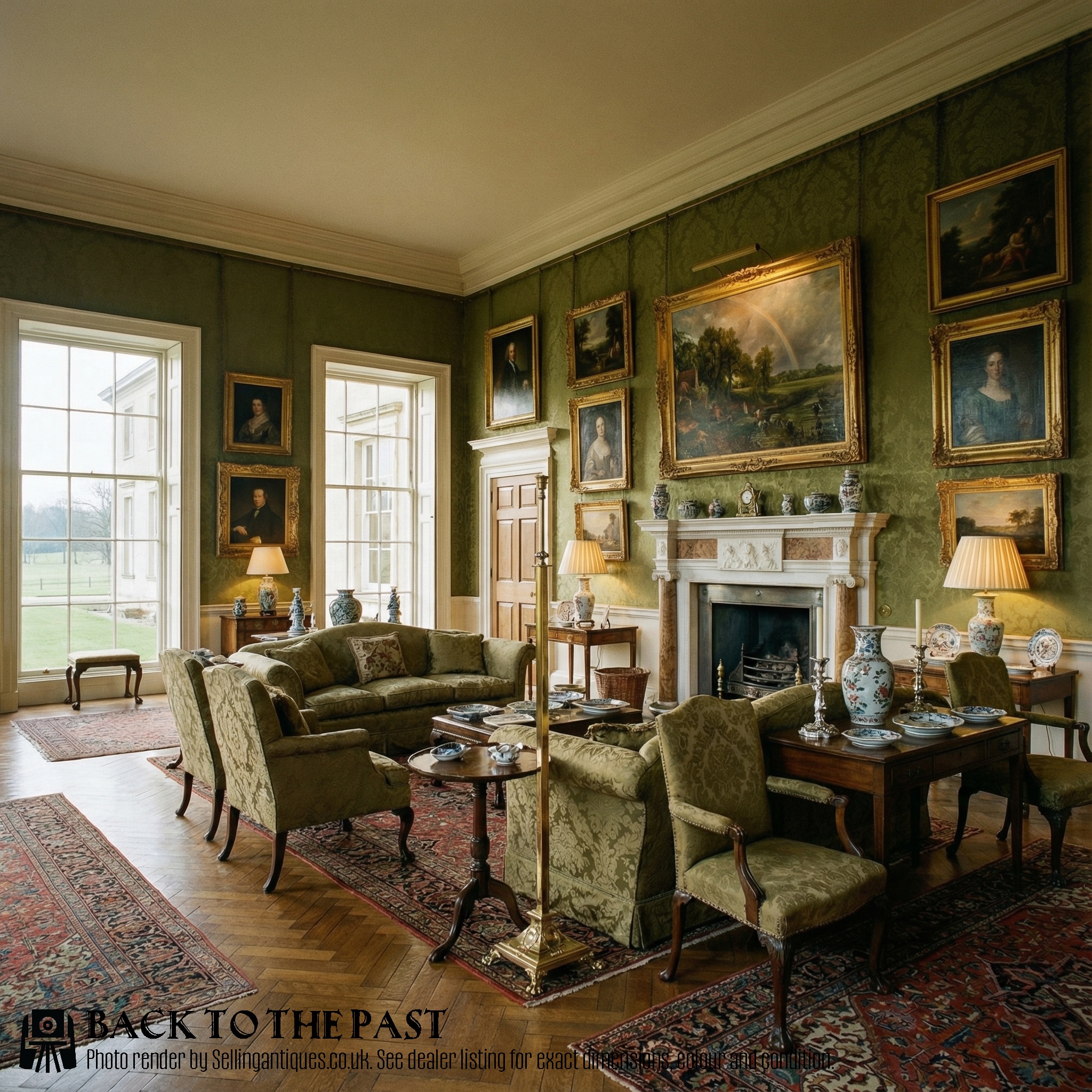
Neoclassical Brass Lamp
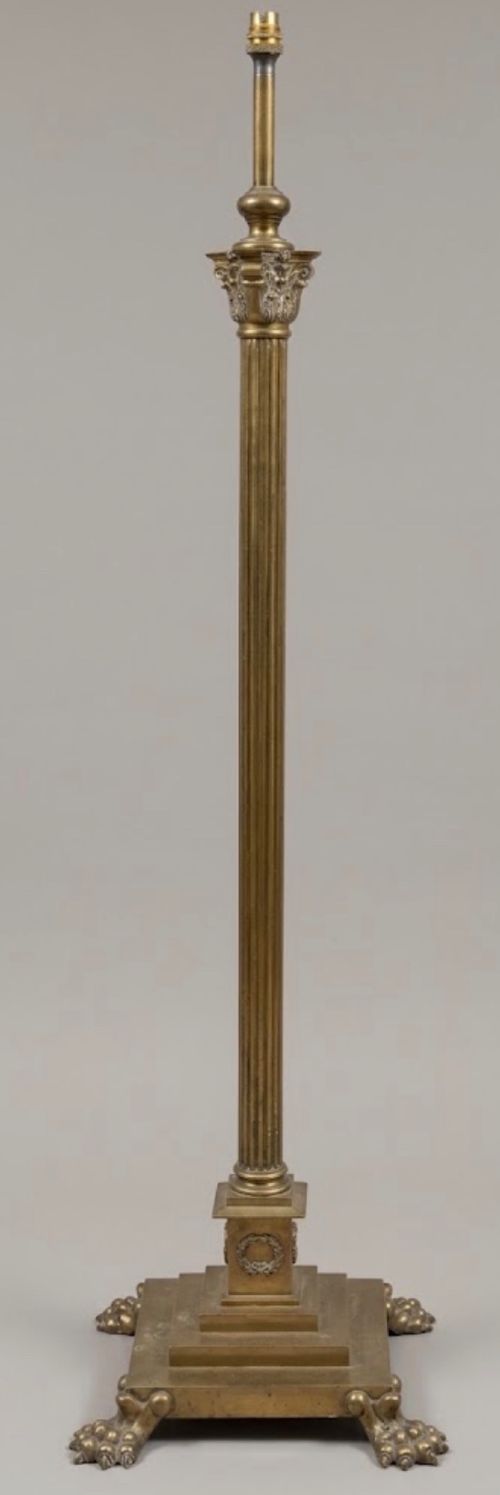
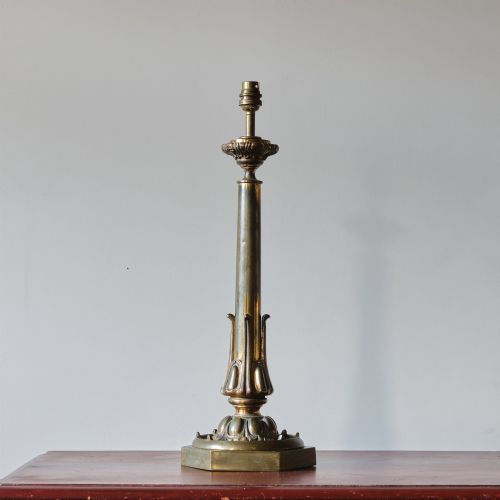
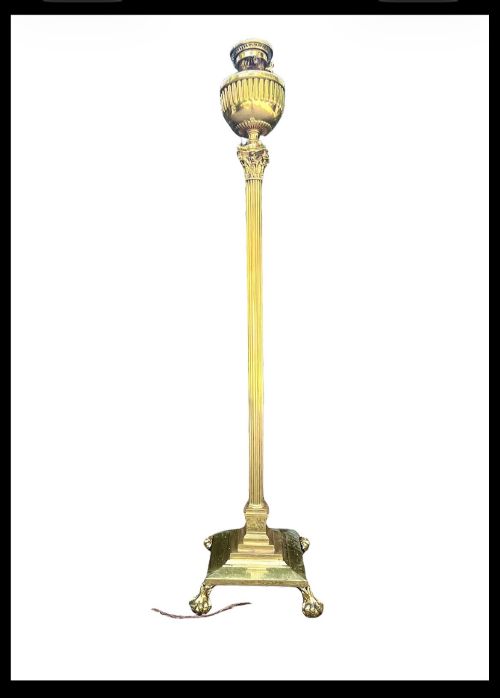
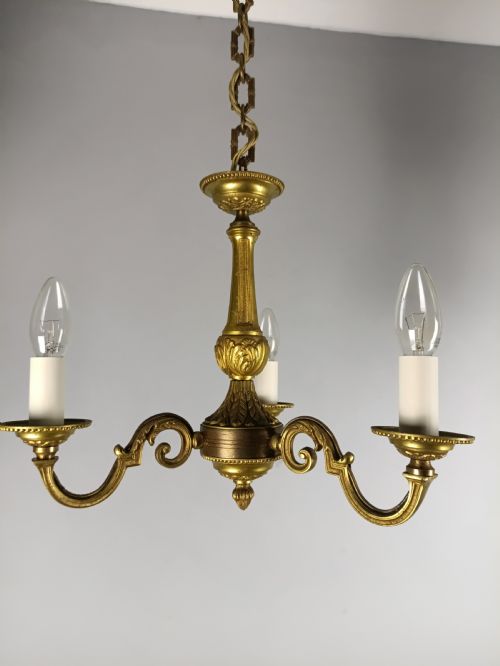
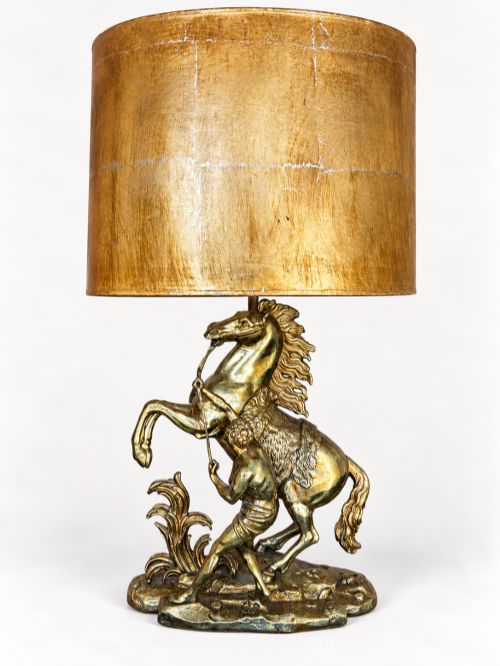
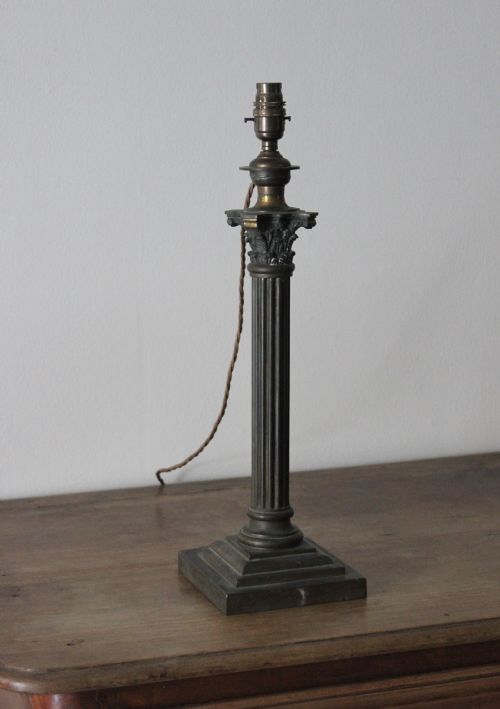
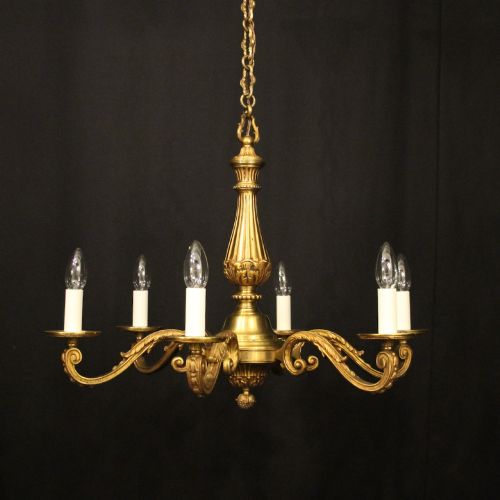
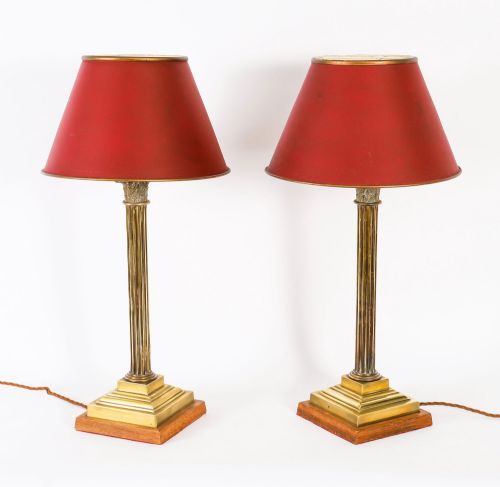
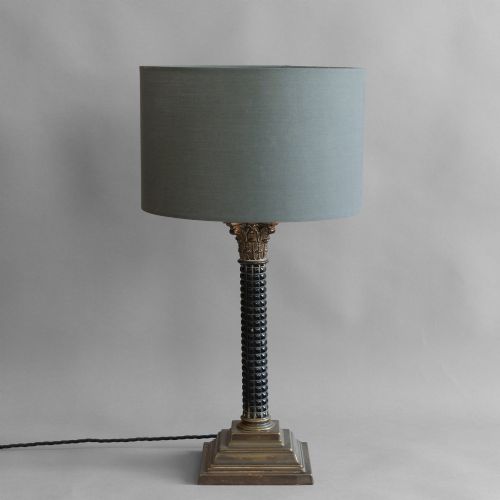
A neoclassical brass lamp draws on classical architectural orders and antiquity, translating ancient stone motifs into metalwork for domestic interiors. These pieces appear most frequently as table lamps and standard lamps shaped like classical columns, often featuring Corinthian or Doric capitals.
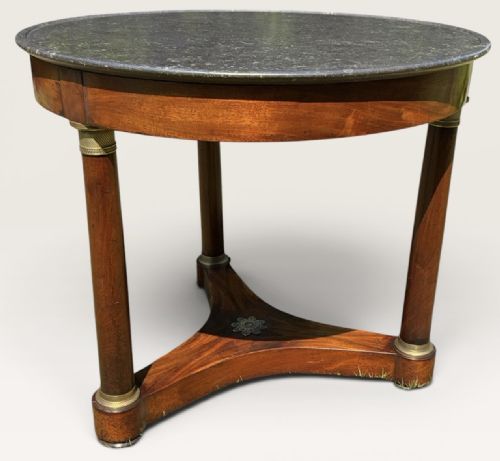
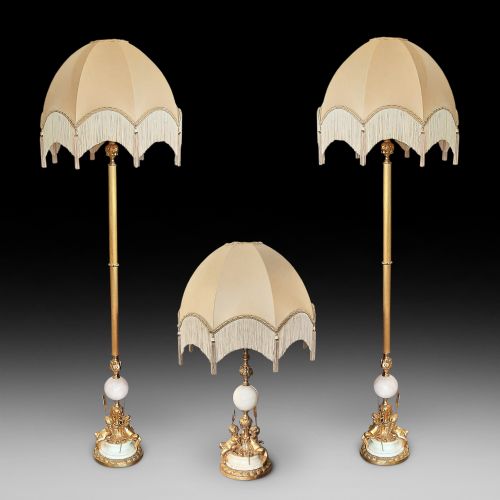
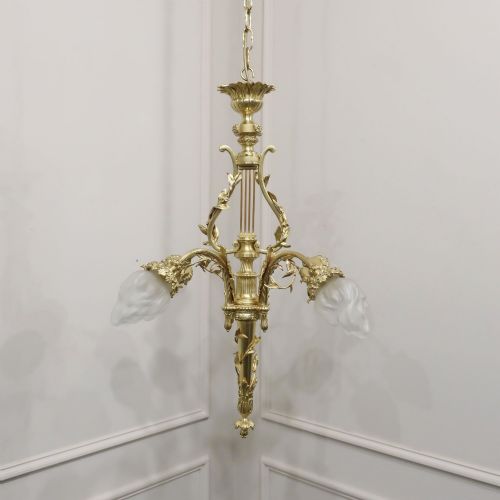
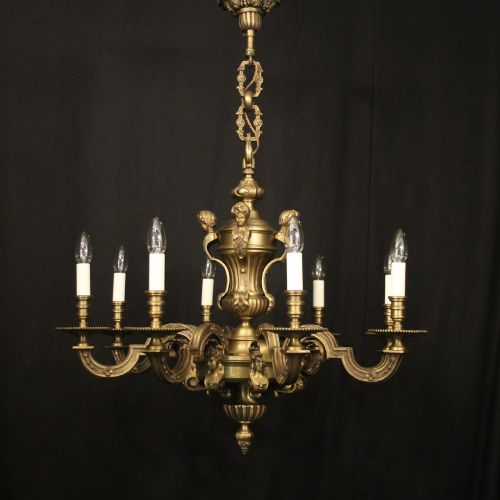
The selection ranges from nineteenth-century Victorian interpretations to early twentieth-century Edwardian pieces and French Empire designs. Alongside standard lighting, the inventory includes floor lamps and converted candelabra sharing the same formal vocabulary.
Materials and construction
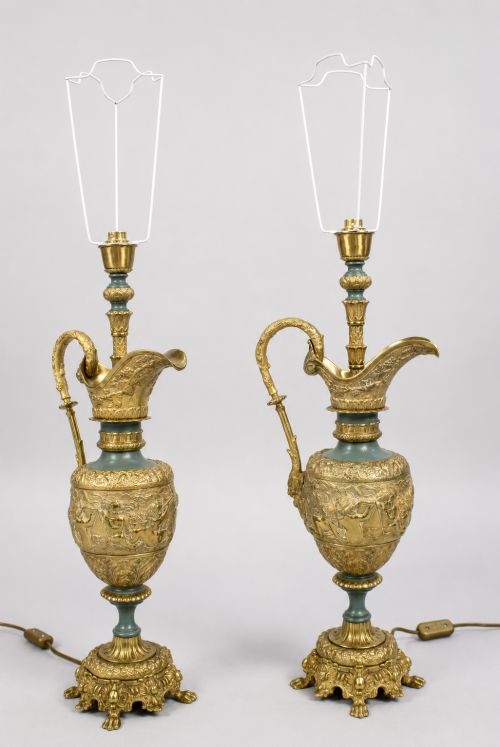
Foundries cast these pieces in brass, ormolu, and gilt bronze, frequently combining metal components with rouge marble bases, onyx, or glass elements. Such materials provide the substantial weight and structural rigidity required for tall column forms and multi-light standards.
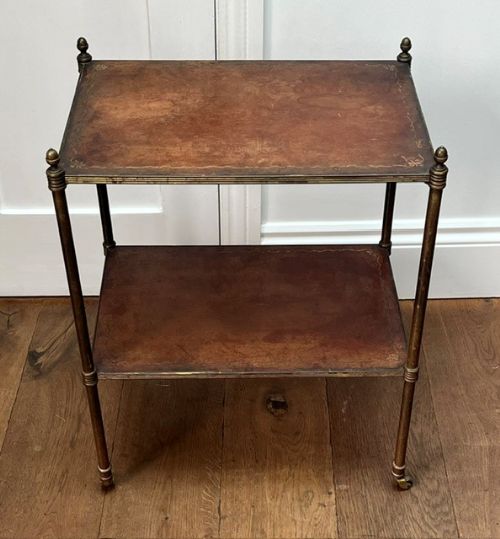
Surface finishes involve lacquering, gilding, and silver plating to achieve the desired metallic sheen. Secondary details utilise fabric shades, tooled leather, and painted tole-peinte to complement the metal structure.
Neoclassical Brass Lamp Retail Price Guide 2026
Typical asking prices for neoclassical brass lamp among the pieces listed under this phrase on Sellingantiques today, from the lower quarter to the upper quarter. They describe what is for sale here now, not the wider market.
Listings feature brass, marble, gilt bronze, and ormolu across nineteenth and twentieth-century periods.
Distinctions in manufacture
Quality rests upon the crispness of the casting and the depth of the chasing, particularly in the acanthus leaves of Corinthian capitals and the detailing of lions paw feet. Superior examples display sharp definition and secure joinery across multi-component assemblies.
The choice of secondary materials marks another division, with solid marble or heavy ormolu mounts indicating higher production standards than lighter plated alternatives. Proportion and balance dictate the visual success of the piece.
The Neoclassical Brass Lamp Glossary
- Ormolu
- Gilded bronze produced by applying a mercury-gold amalgam to base metal, creating a distinctive golden lustre. This technique was widely employed in French neoclassical and Louis XVI style metalwork.
- Corinthian
- An architectural column order distinguished by ornate capitals decorated with rows of acanthus leaves. Many brass table lamps adopt this specific capital form.
- Tole-peinte
- Painted sheet metal used for lamp bodies and shades, often finished in muted tones or decorative patterns. It appears on French neoclassical lighting from the early twentieth century.
- Standard lamp
- A tall floor-standing lamp designed to illuminate a room from a raised height. These items frequently incorporate heavy brass shafts and weighted bases.
Neoclassical Brass Lamp: Frequently Asked Questions
How do I date a brass lamp?
Dating relies on manufacturing techniques, wiring components, and stylistic markers shared with contemporary furniture and decor. Victorian and Edwardian examples often reveal specific casting methods and patination consistent with nineteenth and early twentieth-century workshops.
Period descriptions in the titles provide a reliable framework, pointing to eras such as the late nineteenth century or the Edwardian decade. Comparing the capital design and base materials against dated pieces in the archive clarifies the timeline further.
Were these always electric lamps?
Many examples began as oil lamps, gas fixtures, or candelabra before conversion to electricity during later renovations. Candelabra conversions retain their original branch configurations while adapting to modern wiring requirements.
Such alterations are standard practice for antique lighting and do not diminish the historical integrity of the metalwork. The physical conversion work often spans several decades of the twentieth century.
Where should I place a standard lamp?
A standard lamp suits corners, beside reading armchairs, or flanking large pieces of case furniture where height balances the room layout. Tall column designs require stable flooring to support their elevated weight.
Their architectural silhouettes work effectively in both traditional interiors and rooms requiring structured vertical lighting. Positioning them away from high-traffic zones protects the wiring and delicate surface finishes.
What is the difference between ormolu and brass?
Ormolu denotes gilded bronze featuring a mercury-gold surface treatment that yields a rich, warm golden tone. Brass is a copper-zinc alloy possessing a yellower, more uniform metallic colour throughout its mass.
Neoclassical pieces utilise both materials, with ormolu reserved for finer decorative mounts and chased details. Over time, brass develops a natural oxidation patina distinct from the appearance of fire-gilded bronze.