

Polished Brass Lighting
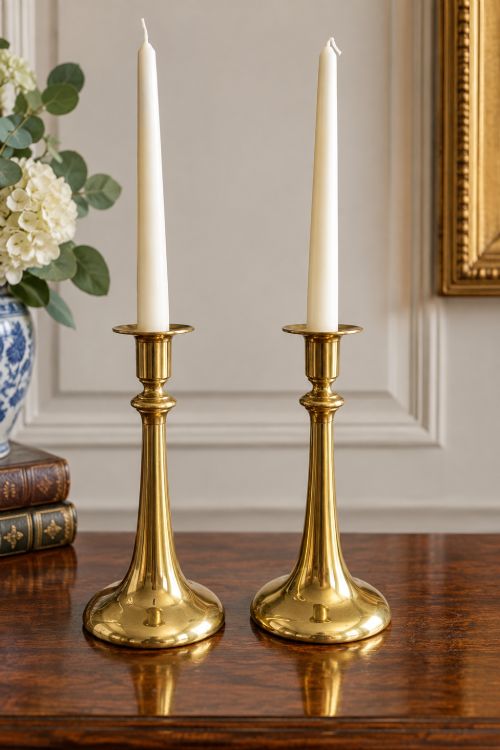
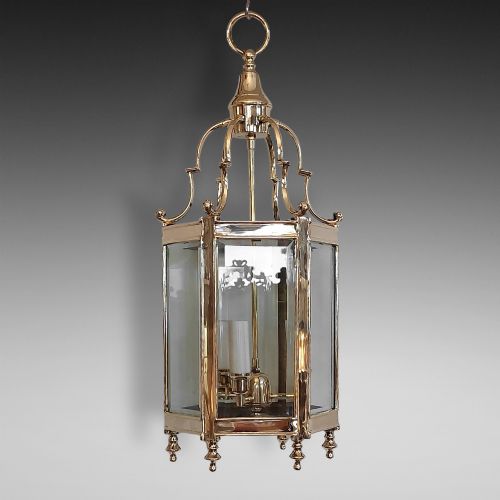
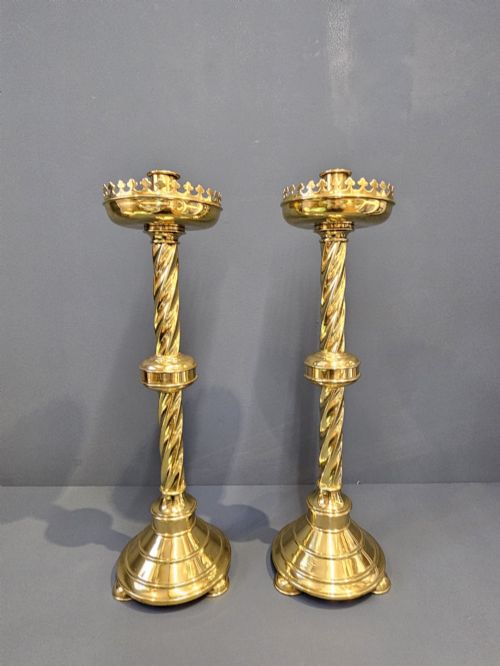
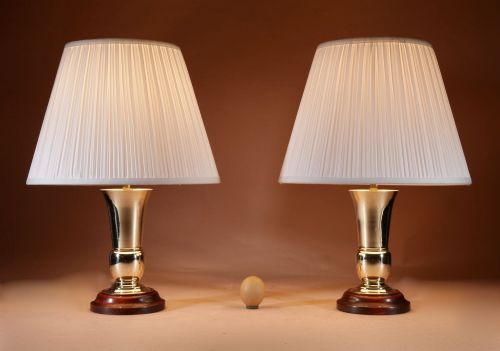
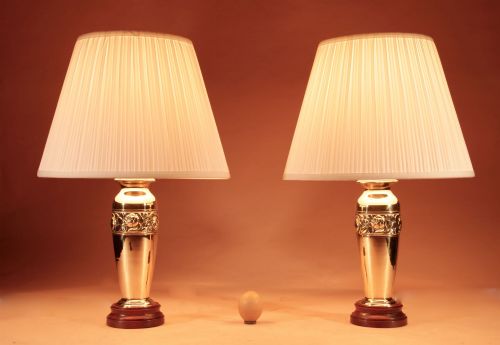
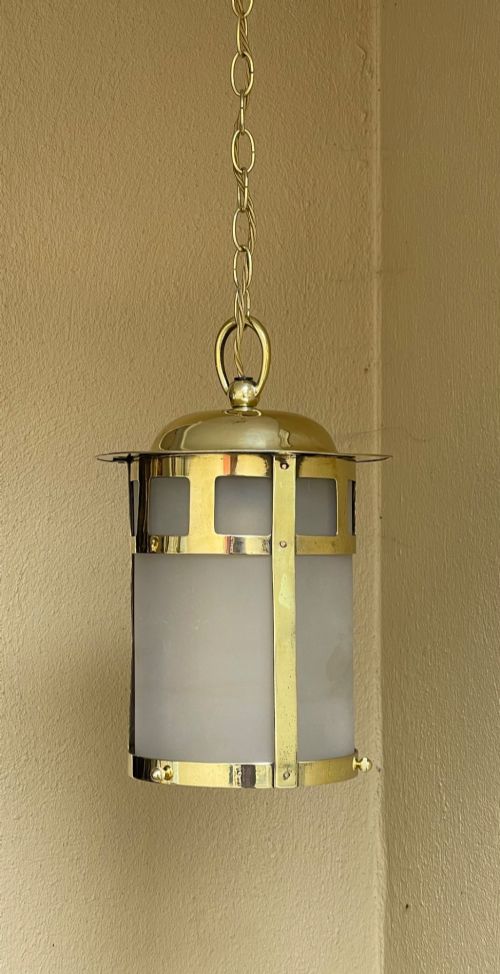
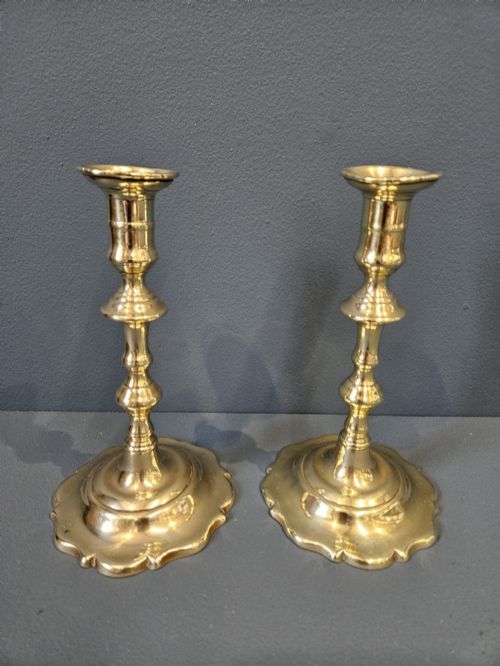
Polished brass lighting brings warmth and bright reflection to a room, spanning weighty church candlesticks to delicate Edwardian lanterns.
Polished Brass Lighting
Polished brass lighting encompasses functional items designed to illuminate interiors through the centuries, ranging from humble desk lamps to grand chandeliers. When you search for polished brass lighting, you encounter candlesticks, table lamps, wall lights, and hanging lanterns originating from Georgian, Victorian, and Edwardian periods.
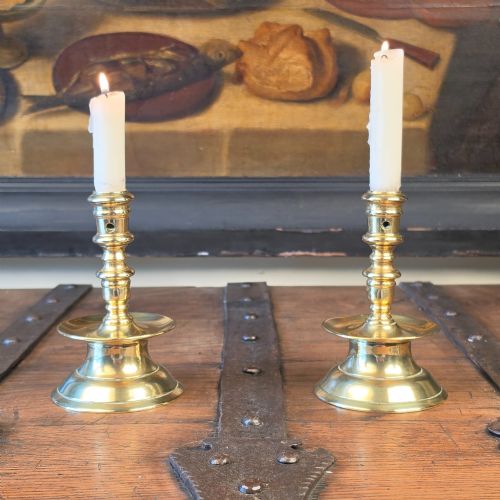
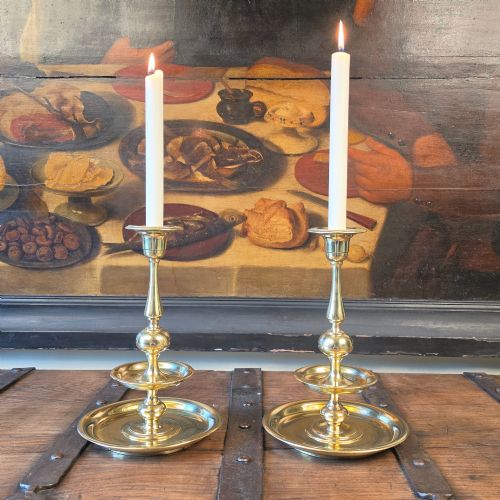
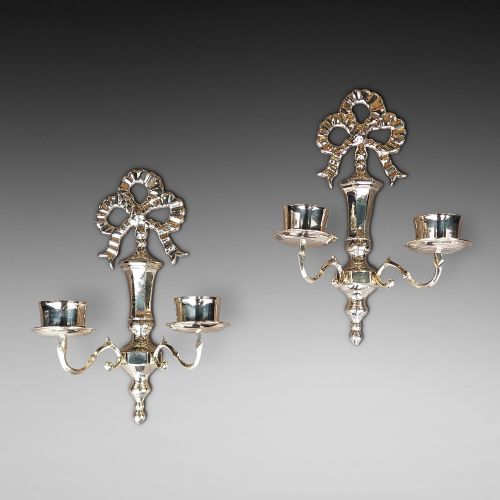
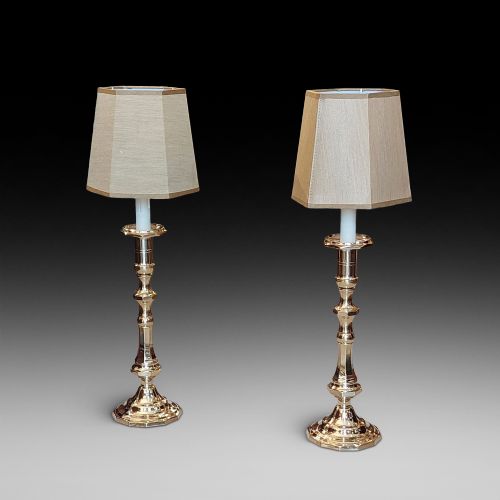
Candlesticks form a large portion of these listings, often appearing as matched pairs with weighted petal bases, ejector mechanisms, or telescopic columns. Alongside them, electrified table lamps, hall lanterns, and wall sconces bridge the shift from candlelight and oil to modern electric illumination.
Materials and Construction
These pieces rely primarily on brass, sometimes augmented by copper, cast iron, gilt bronze, marble, wood, glass, and fabric shades. Makers utilised casting and turning techniques to shape metal components, joining seamed sections or spinning brass on lathes to create smooth cylindrical columns and flared bases.
Patent mechanisms and mechanical parts, such as telescopic stems and internal ejector plates, demonstrate precise metalworking skills. Many items integrate applied surface finishes that catch the light, while secondary materials like marble plinths provide ballast and visual contrast.
Listings span eight distinct decades of design, incorporating Georgian, Victorian, Edwardian, and Art Deco aesthetic movements.
The Measure of Craft
Distinction in these pieces rests upon the crispness of the casting, the weight of the metal, and the harmony of the proportions. Heavy, well-balanced columns with sharp decorative detailing and purposeful patent mechanisms separate superior examples from lighter, mass-produced alternatives.
The integrity of the original construction and the subtlety of surface finishing dictate the overall standard. Pieces bearing identifiable maker marks or specific stylistic interpretations of Gothic Revival, Art Nouveau, or Arts and Crafts ideals command greater attention through their design fidelity.
G.E.C·F. & C. Osler·J. Miller·Frederick J Smith & Co
The Polished Brass Lighting Glossary
- Ejector candlestick
- A candlestick fitted with an internal push-rod mechanism to raise and remove the remaining candle stump.
- Pricket candlestick
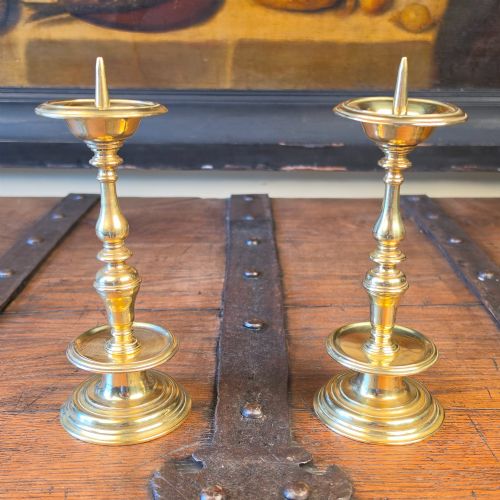
- A candlestick featuring an upright metal spike upon which a large candle is impaled, commonly seen in ecclesiastical settings.
- Telescopic candlestick
- An adjustable lighting piece featuring sliding columns that alter the overall height of the stem.
- Petal base
- A spreading foot shaped like overlapping flower petals, frequently found on Georgian brass candlesticks.
- Gilt bronze
- An alloy of copper and other metals treated with a gold-coloured surface finish, often associated with decorative French lighting.
Polished Brass Lighting: Frequently Asked Questions
How do I date an old brass candlestick?
Dating relies on manufacturing techniques, base shapes, and assembly methods. Early pieces often feature heavy cast sections with visible casting seams, while later Victorian and Edwardian examples incorporate machine threads and standardised components.
Style indicators also help narrow the period. Georgian items frequently display petal bases, whereas Victorian designs lean towards Gothic Revival motifs or heavy ecclesiastical forms.
Were these lights originally electrified?
Many lighting pieces began as domestic candle holders or oil lamps before being converted for electricity during the twentieth century. Table lamps and wall sconces often show later wiring adaptations fitted to nineteenth-century metalwork.
Original electric fixtures appear alongside converted items, reflecting the technological shifts across Edwardian and Art Deco periods.
What is an ejector mechanism?
An ejector mechanism is a clever internal device built into the stem of a candlestick to push out spent candle wax. A small side lever or sliding button operates a disc inside the nozzle.
This feature became popular during the nineteenth century, making it easier to clean out residual wax without damaging the polished metal.
How do I care for polished brass?
Polished brass requires gentle cleaning with a soft cloth to remove dust and preserve the reflective surface. Harsh chemical cleaners strip away historical patination and damage the metal.
Regular maintenance prevents tarnish buildup while keeping the original bright finish intact across decorative details.