


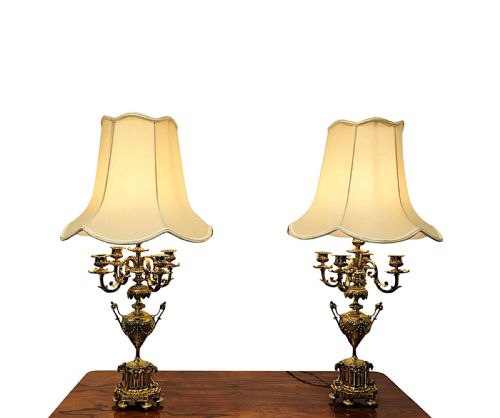
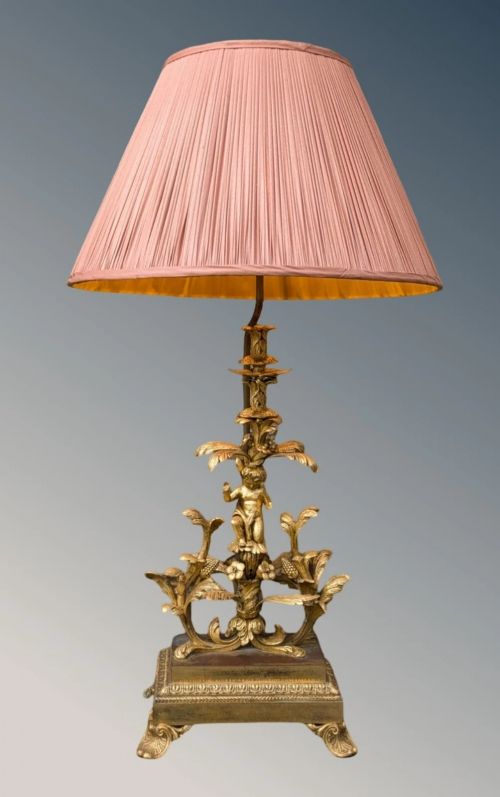
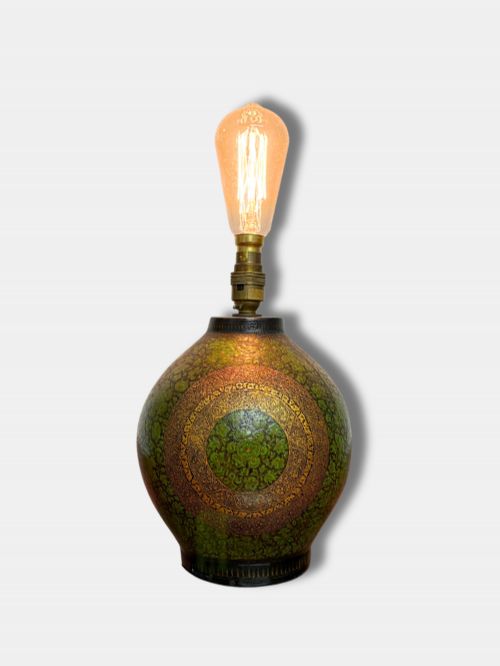
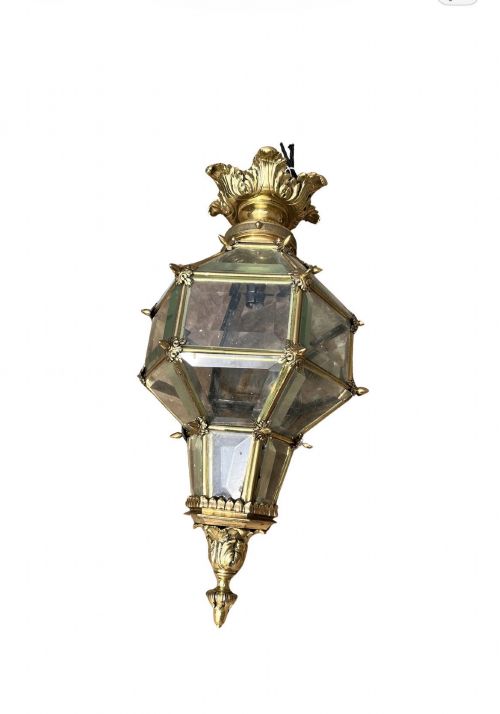
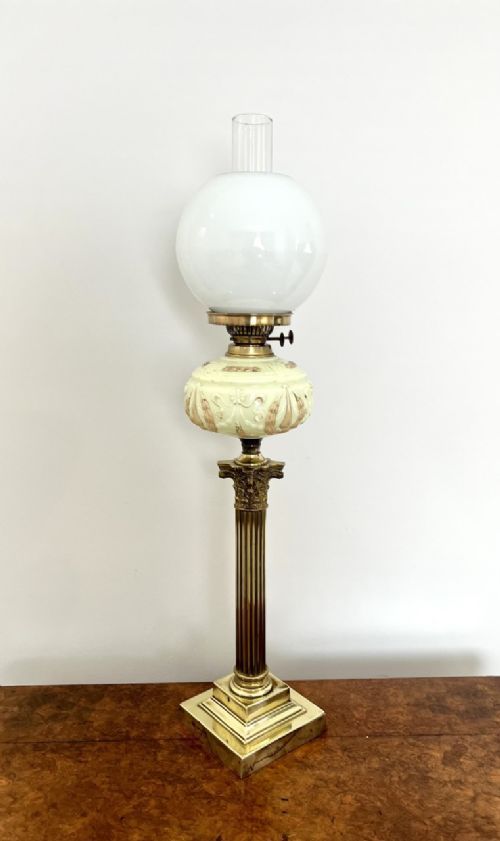
Ornate Brass Lamp
When you search for an ornate brass lamp, you are looking at substantial lighting fixtures shaped by Victorian, Edwardian, and continental hands.
Ornate Brass Lamp
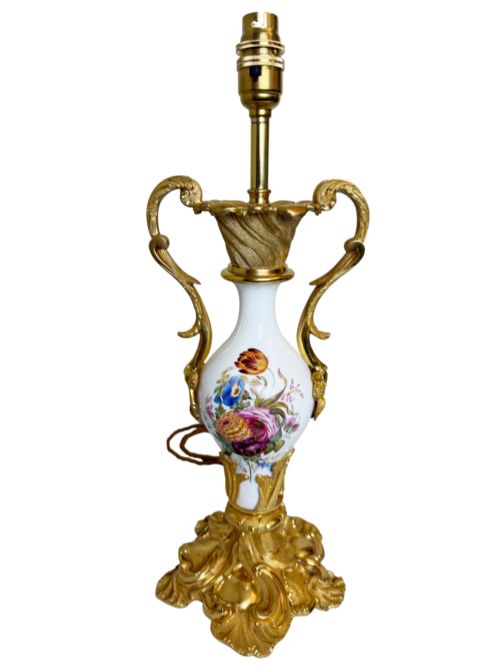
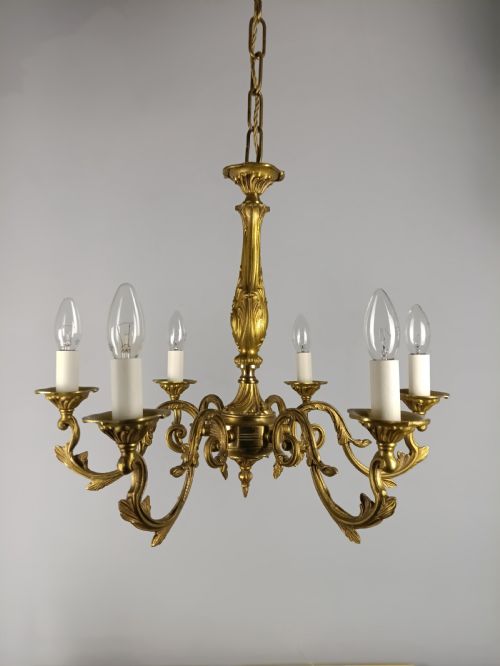
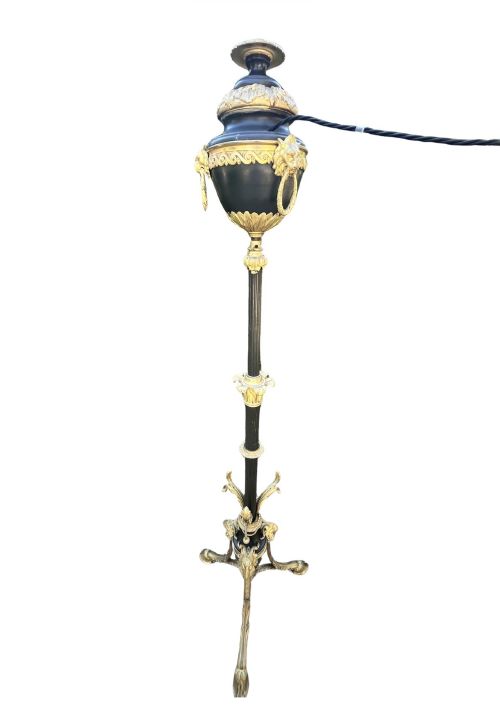
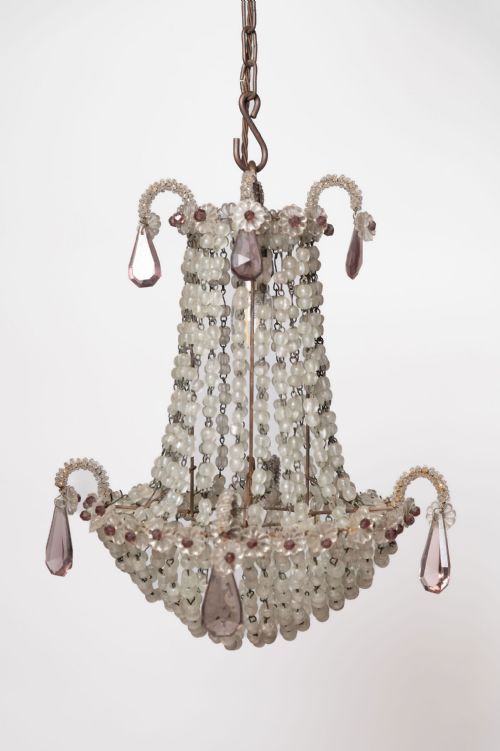
An ornate brass lamp brings together functional illumination and intricate metalwork, spanning table lamps, standard floor models, and multi-light chandeliers. The pieces gathered under this phrase range from converted nineteenth-century oil burners and Corinthian columns to French chateau wall lights and slender art nouveau floor standards.
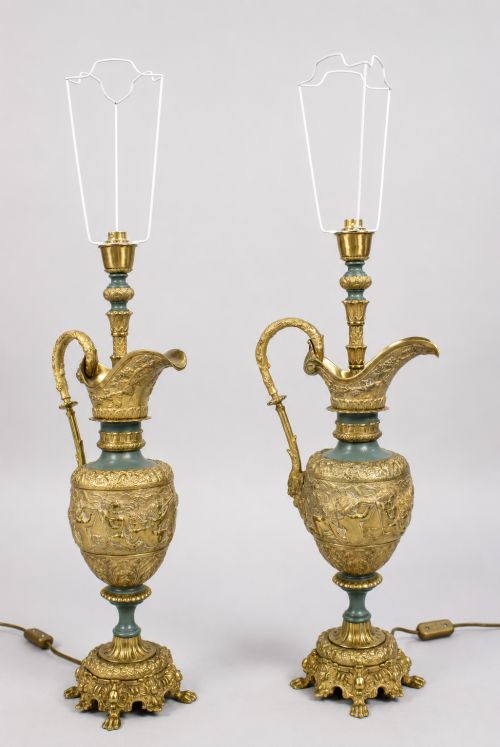
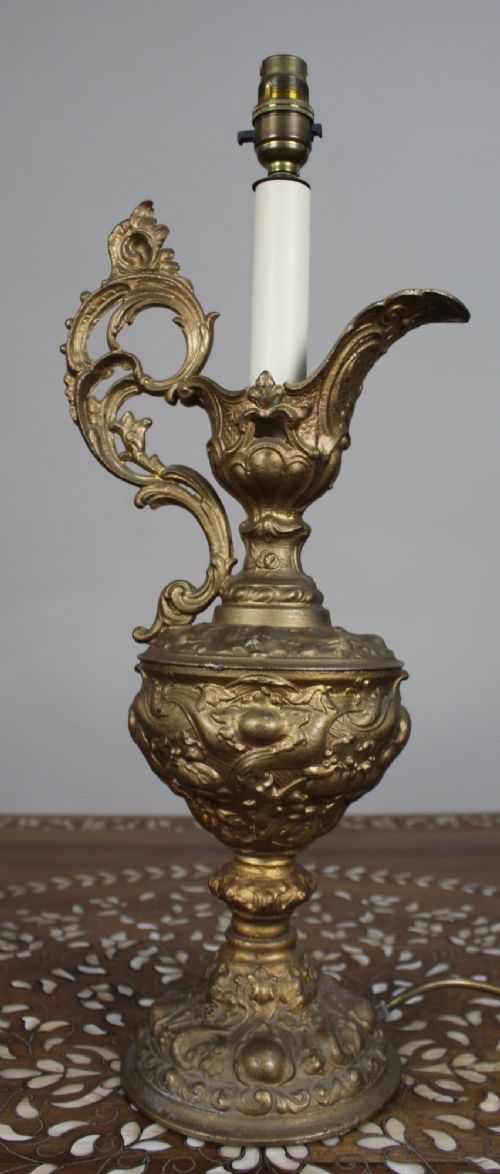
You will frequently meet table lamps and standard lamps carrying the heavy cast ornament of the Victorian era, alongside lighter Edwardian pieces and twentieth-century interpretations. Many standard lamps and table lights originate as earlier candlesticks, ewer forms, or oil lamps subsequently adapted for electric wiring.
How they were made
Craftsmen utilised yellow brass, cast brass, and gilded bronze, often combining metal bodies with elements of crystal, glass, fabric, and occasionally onyx or marble. Foundational components were cast in sand moulds or spun on lathes before being chased, hand-finished, and gilded or left in their natural polished state.
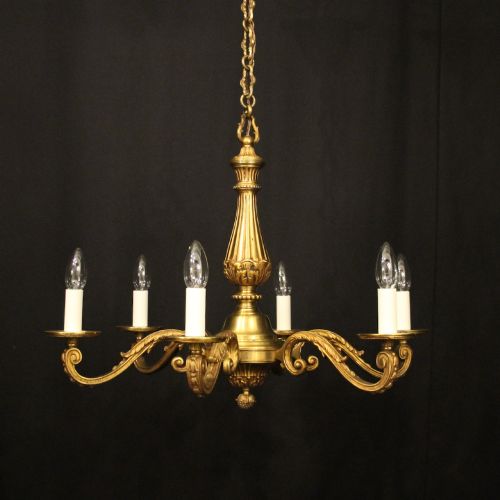
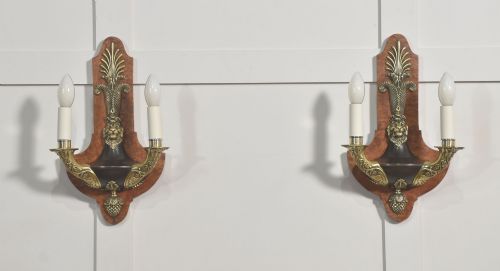
Many heavy floor standards and table pieces rely on solid cast brass bases, whilst French chandeliers and wall lights incorporate gilt bronze mounts and crystal droplets. Maker modifications also appear, such as conversion burners and patented mechanisms integrated into Victorian oil and standard lamps.
Ornate Brass Lamp Retail Price Guide 2026
Typical asking prices for ornate brass lamp among the pieces listed under this phrase on Sellingantiques today, from the lower quarter to the upper quarter. They describe what is for sale here now, not the wider market.
Several heavy standard lamps originally illuminated grand Victorian drawing rooms before quietly retiring to corner reading spots with modern bulbs.
What varies in quality
The division between standard production and superior craftsmanship rests in the crispness of the chasing and the weight of the cast metal. Heavier gauge brass and deeply modelled floral or architectural motifs separate finer French and English workshop pieces from simpler commercial output.
Proportion and structural integrity also dictate the standing of a piece, particularly in tall floor lamps and multi-branch chandeliers where balance is paramount. Original surface gilding or patination intact upon the bronze and brass provides a further distinction from later stripped or overly polished examples.
The Ornate Brass Lamp Glossary
- Corinthian column
- A classical architectural column form frequently adopted for Victorian table and standard lamps, featuring acanthus leaves and scrolls at the capital. This style remained popular across the nineteenth and early twentieth centuries.
- Ewer
- A large jug with a wide spout and handle, which makers frequently converted into the central body of a table lamp during the nineteenth century. These metal vessels often display classical or French neoclassical relief ornamentation.
- Gilt bronze
- An alloy of copper and zinc treated with a gold amalgam or finish, also known asormolu. It was widely used in French chandeliers and wall lights to achieve a rich, durable golden surface.
- Opaline glass
- A milky, semi-translucent glass developed in the nineteenth century and often paired with brass bases on period oil and table lamps. It diffuses light softly through its pale or tinted body.
- PAT tested
- Portable Appliance Testing ensuring electrical safety, commonly carried out on antique lamps that have been rewired for modern domestic use.
Ornate Brass Lamp: Frequently Asked Questions
How do I wire an old lamp?
Rewiring a vintage lamp typically involves threading modern heat-resistant flex through the central column and connecting it to a certified lampholder. Many pieces arrive already updated or require a professional electrician to ensure safe operation.
Retaining original key switches or turning mechanisms adds character, provided the internal wiring meets current safety standards. It is standard practice to check the insulating components during any restoration work.
Can I use modern shades?
Modern shades fit most antique lamps provided the fitter ring matches the bulb holder size, such as standard bayonet or Edison screw fittings. Shade carriers and reducer rings help bridge the gap between vintage galleries and contemporary lampshades.
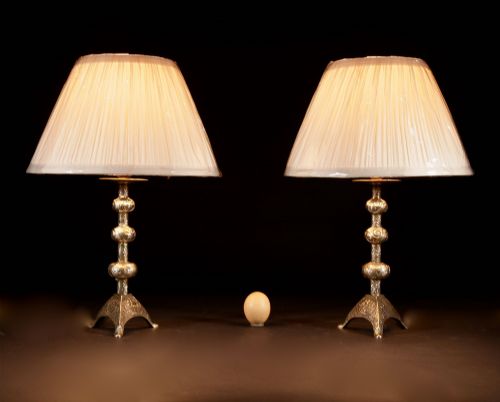
Victorian and Edwardian lamps often suit pleated fabric or silk shades that reflect the period aesthetic of the base. Proportion remains key when pairing a large standard lamp with a wide shade.
How do I date these lamps?
Dating relies on stylistic clues such as neoclassical columns, art nouveau flowing lines, or Victorian cast ornament, alongside construction methods like sand-casting marks. Patent stamps and registration numbers stamped into the metal provide precise manufacture years.
Converted oil lamps and candlesticks often date earlier than their electrical components, reflecting the transition from oil to electric lighting. Examining the patination and wear on the brass offers further chronological indicators.