
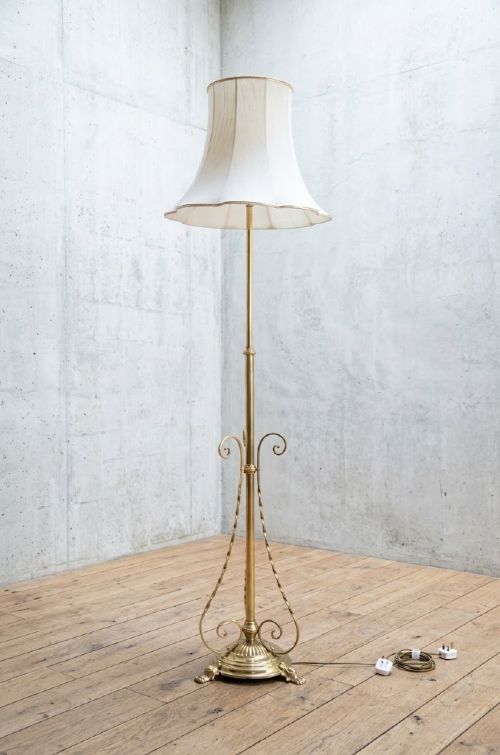
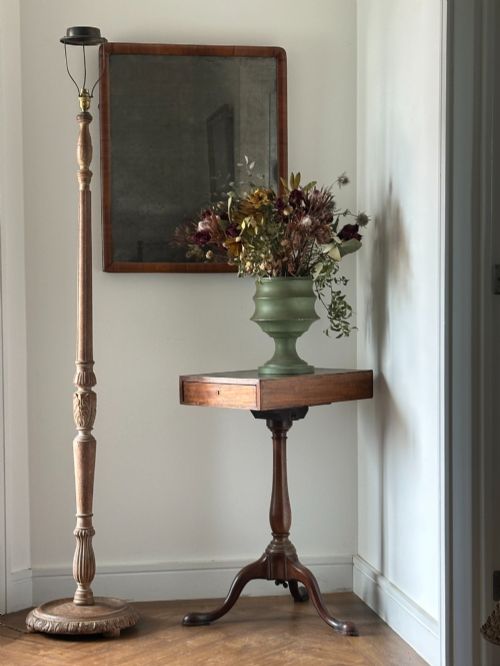

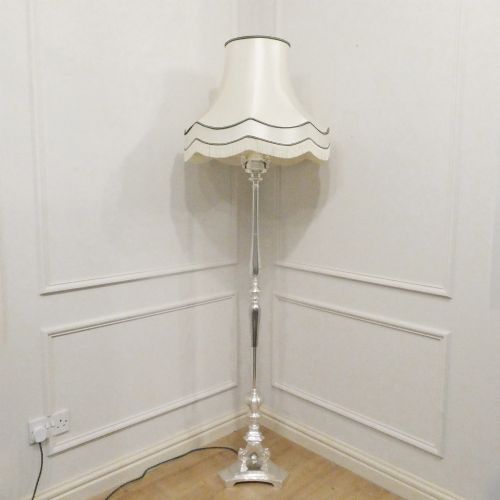
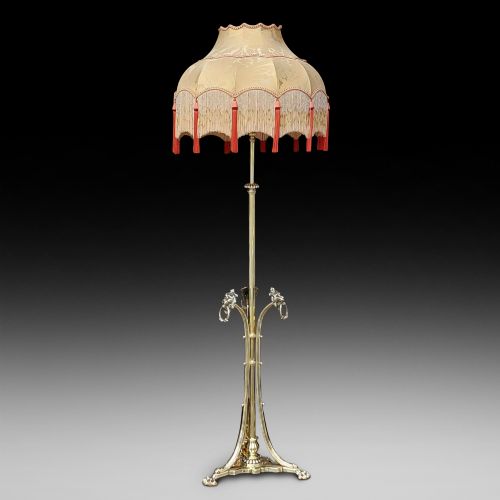
Traditional Floor Lamp
A traditional floor lamp brings period character and focused height to a room, offering practical illumination through brass, carved wood, and wrought iron.
What They Are
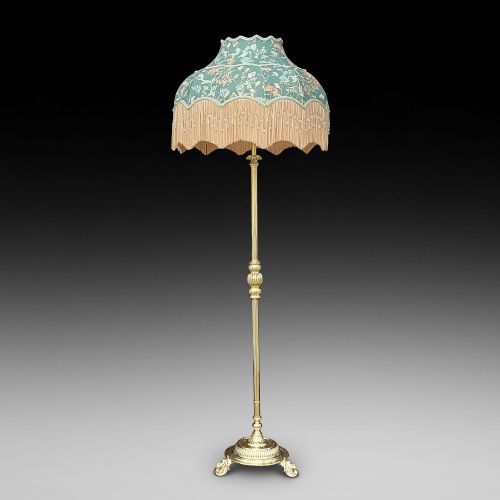
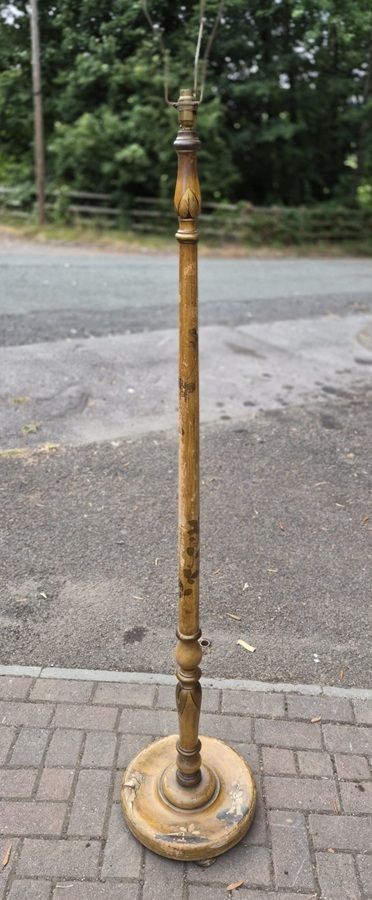
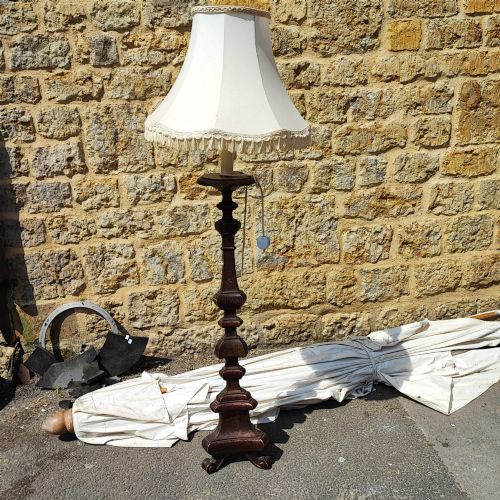
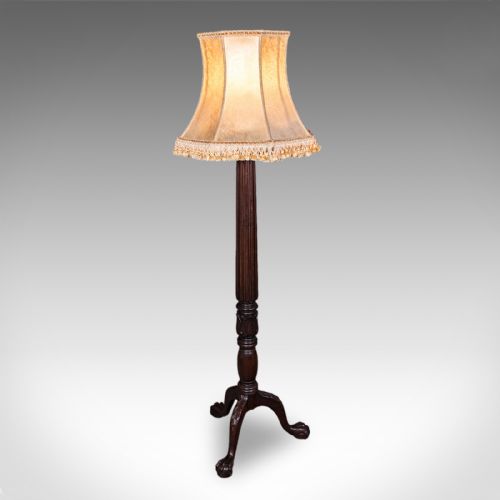
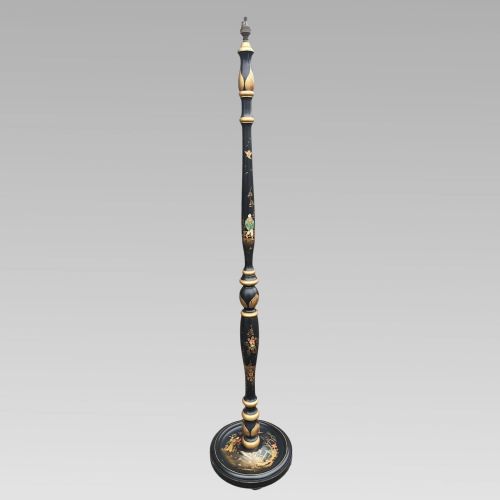
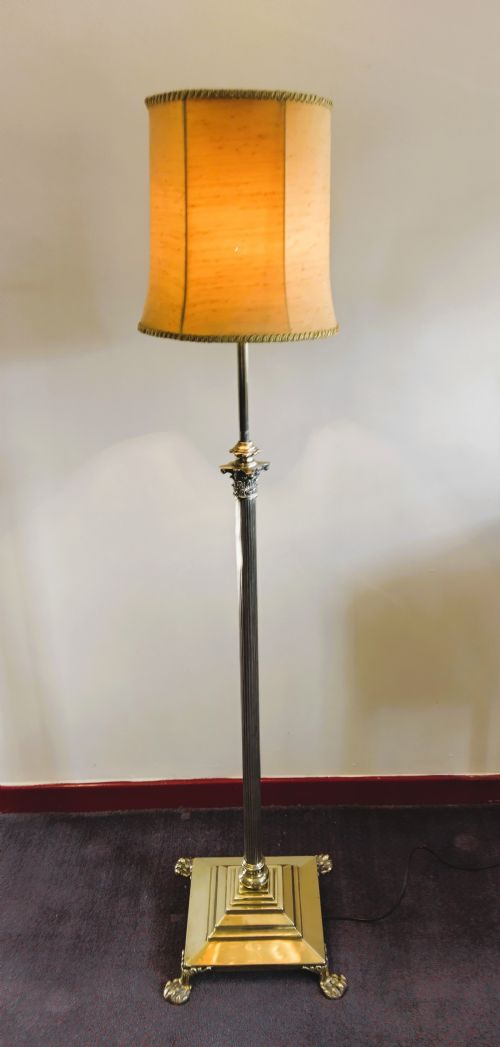
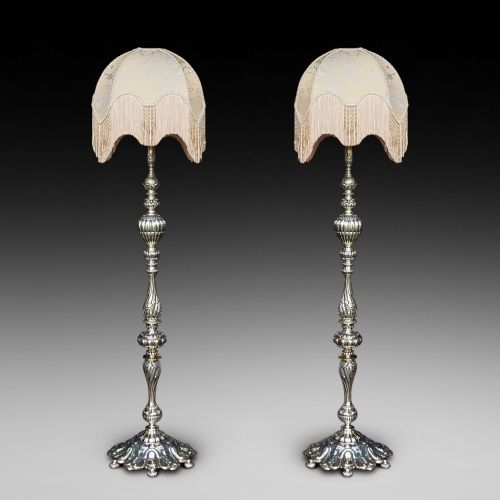
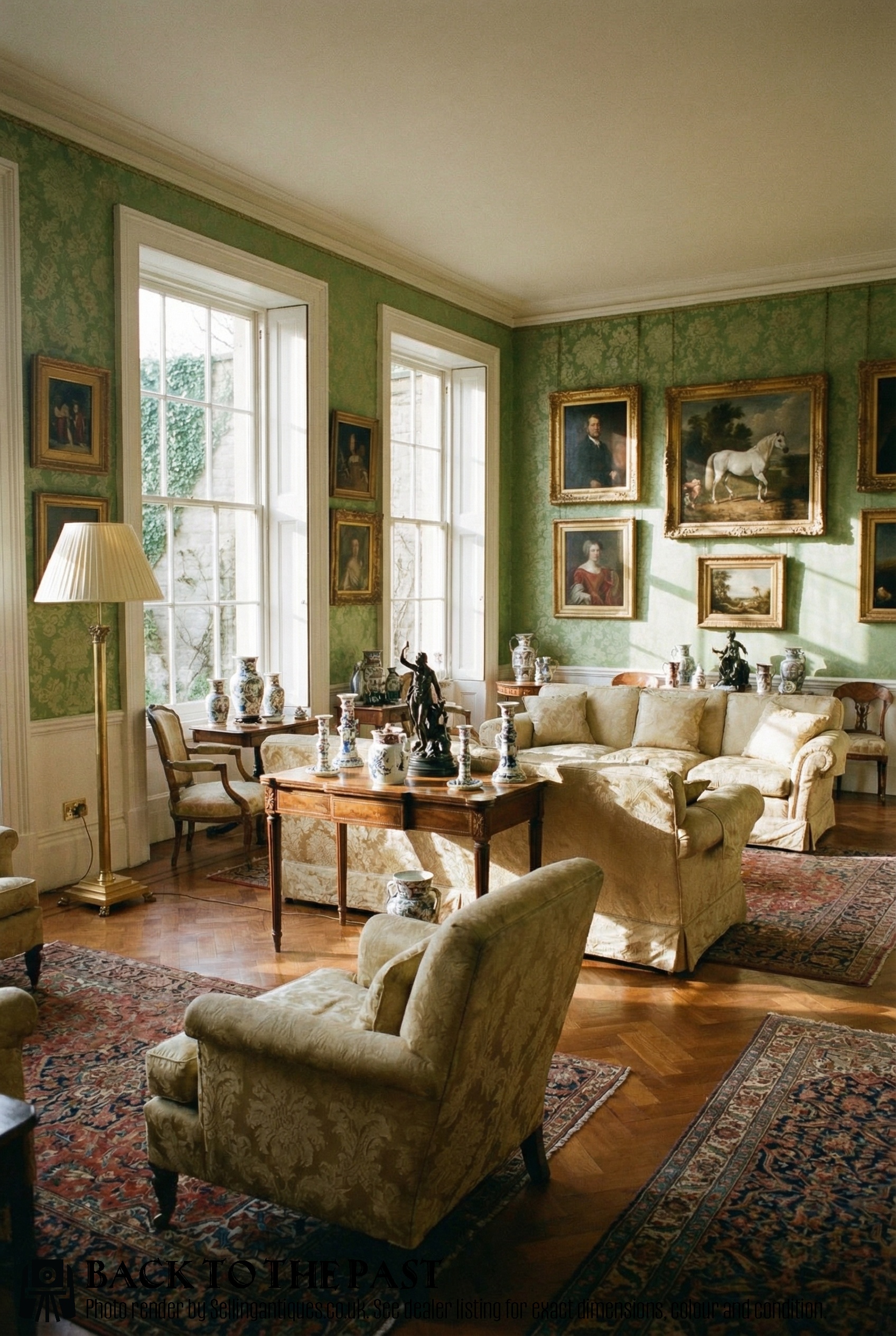
When you search for traditional floor lamp, you encounter standard lamps and floor lamps spanning the Victorian, Edwardian, and later periods up to nineteen-thirty. These upright fixtures provide illumination while anchoring a corner or seating area.
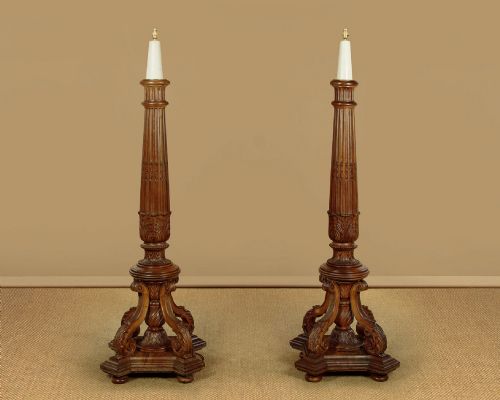
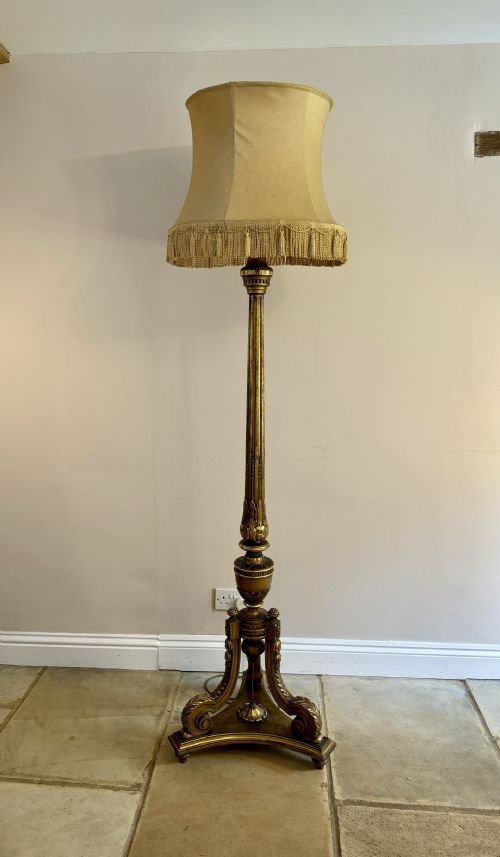
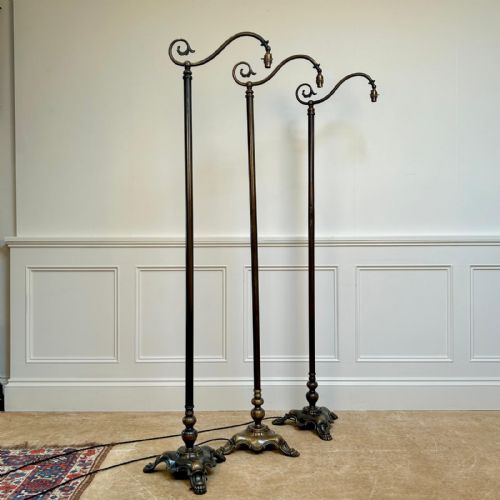
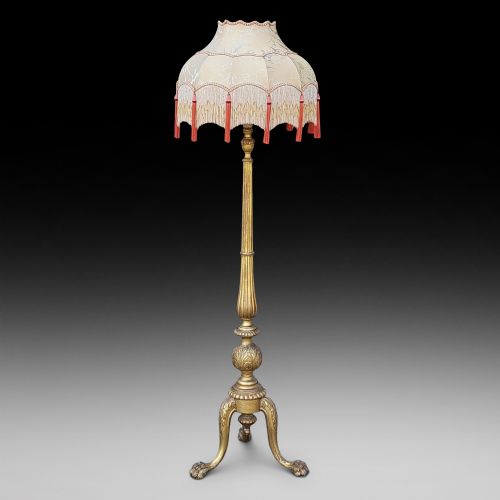
The selections here showcase distinct forms from the late nineteenth century onward, including adjustable arm models and telescopic brass designs. Materials range from turned beech and onyx to wrought iron and fabric shades.
The stylistic lineage covers Victorian, Arts and Crafts, English Country, and Neoclassical Revival aesthetics. Each piece reflects the domestic lighting requirements of its era, combining utility with decorative presence.
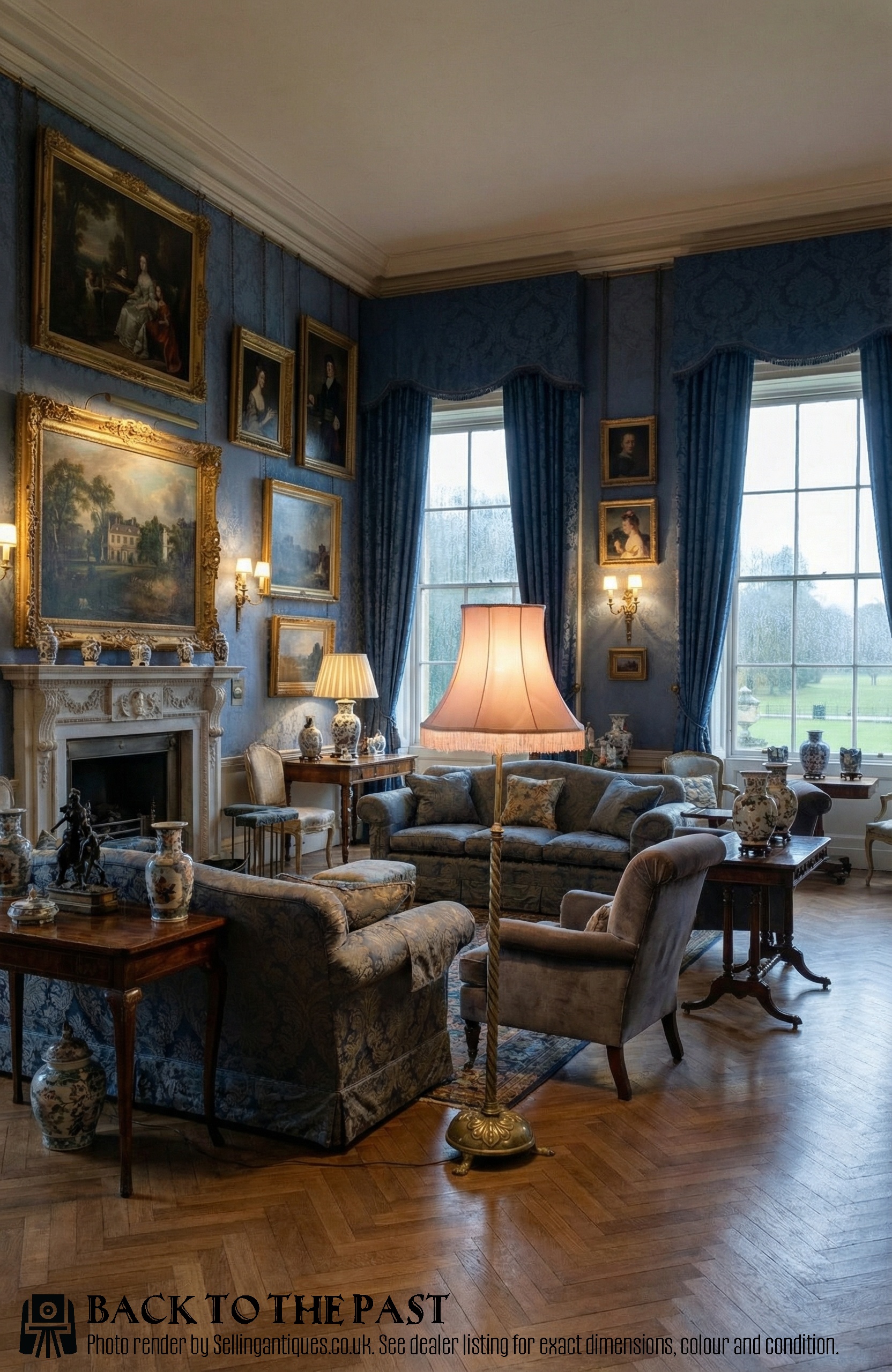
How They Were Made
Construction relies on durable structural metals and timbers such as brass, wrought iron, carved wood, and beech, often paired with decorative elements like glass beads and onyx. Metal components involve casting, turning, and adjustable joints for directing light.
Retail Price Guide 2026
Typical UK retail prices for traditional floor lamp, calculated from the Sellingantiques database of over a million retail prices indexed since 2003. This retail price guide relies exclusively on Sellingantiques data; no external sources or auction records are used, so the figures do not describe the wider market.
Current listings feature pieces made from fabric, brass, carved wood, wrought iron, glass beads, beech, metal, and onyx.
What Varies in Quality
Quality reveals itself in the weight of the metalwork, the precision of the turning on wooden shafts, and the complexity of adjustment mechanisms. Solid brass and heavy wrought iron provide better stability than lighter alloys.
Subtleties in decorative detailing, such as carved wood motifs or integrated onyx panels, distinguish standard production pieces from finer workshop examples. The integrity of the original construction dictates how well a floor lamp stands upright.
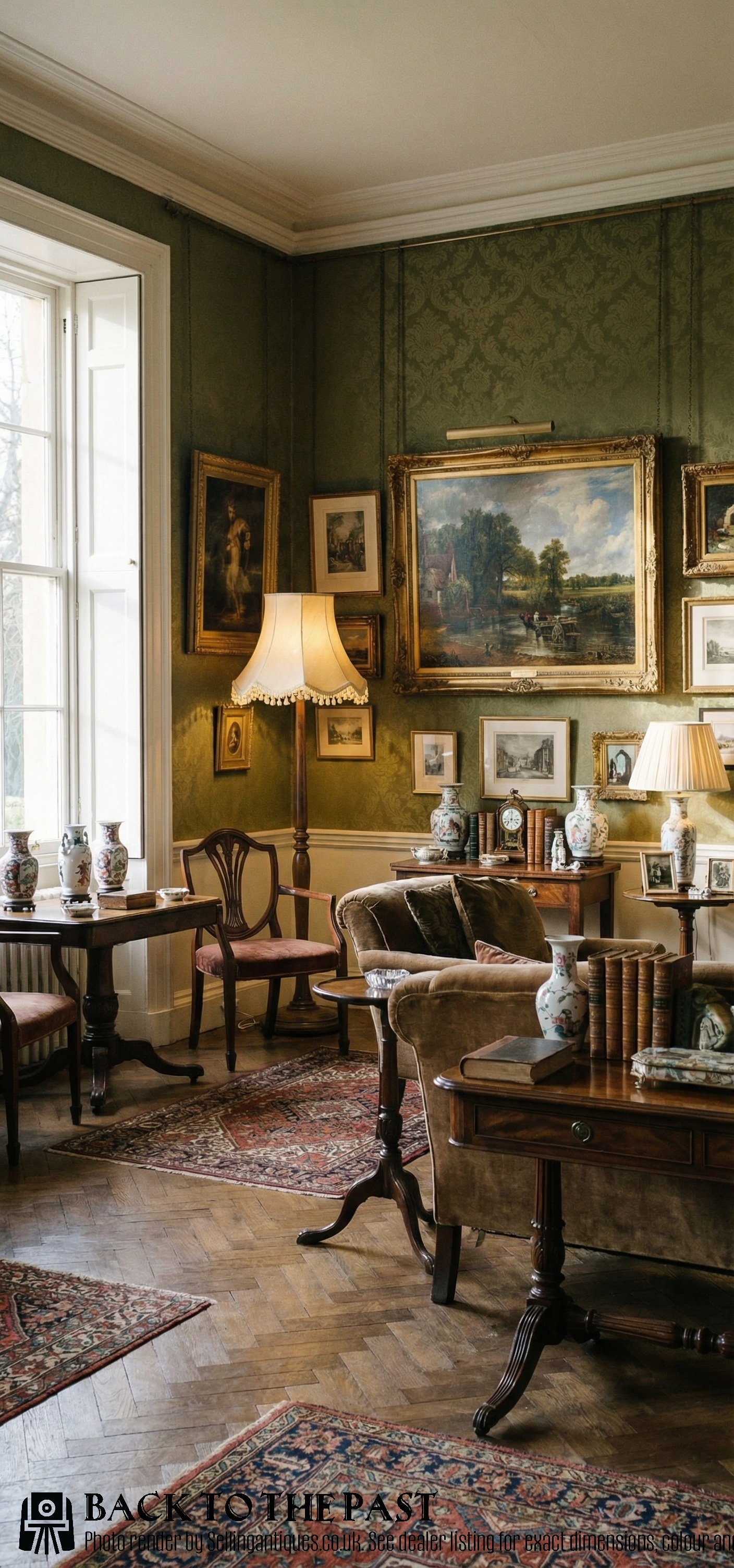
The Traditional Floor Lamp Glossary
- Standard Lamp
- A traditional British term for a floor lamp, describing an upright lighting fixture designed to stand on the floor rather than a piece of furniture.
- Telescopic
- A construction method allowing the height of the lamp shaft to be adjusted upwards or downwards.
- Onyx
- A banded variety of chalcedony utilised as a decorative stone base or column section in late nineteenth century lighting.
- Wrought Iron
- Iron beaten into shape by hand while hot, creating durable structural frames with visible artisanal texture.
Frequently Asked Questions
What periods do these lamps come from?
The available selection spans the late nineteenth century and the early twentieth century, taking in Victorian and Edwardian examples.
Items date across several decades, including pieces from eighteen ninety up to nineteen thirty.
What materials were used?
Makers employed a combination of metals, timbers, and decorative stones to build these upright fixtures.
Common materials include brass, wrought iron, carved wood, beech, onyx, and glass beads.
Are these lamps suitable for daily use?
These pieces were built for practical domestic illumination and remain functional additions to living spaces.
Many period standard lamps have been adapted over time to take modern electrical fittings safely.