
Antique Standing Lamp
When you search for an antique standing lamp, you find vertical lighting supports and small freestanding tables designed to hold illumination in period rooms.

Antique Standing Lamp
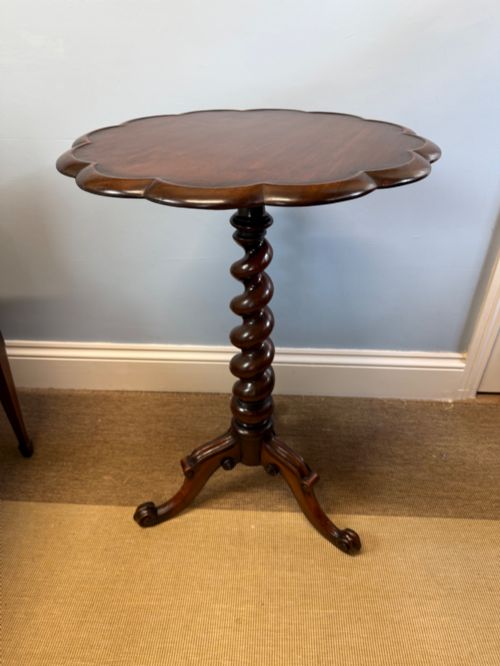
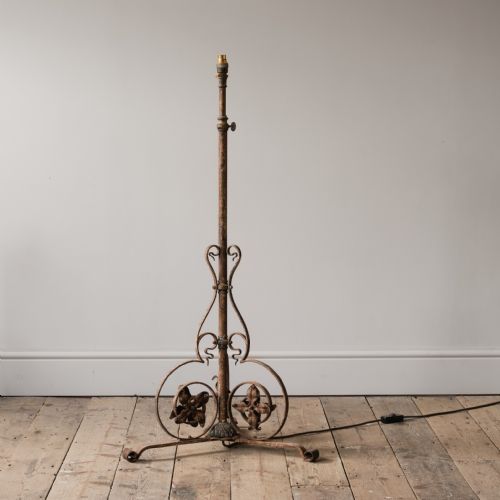
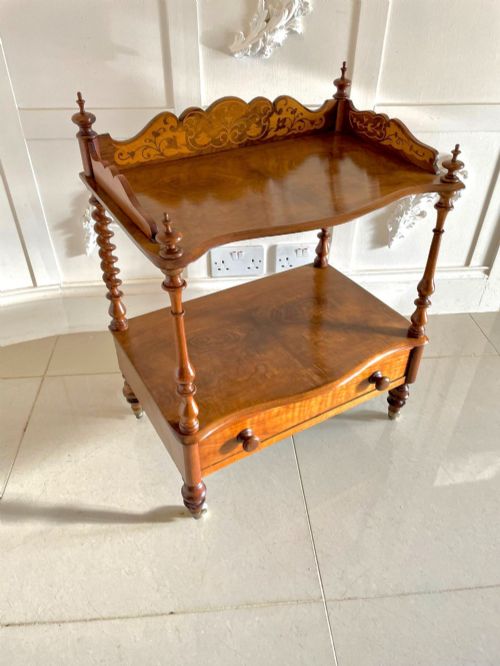
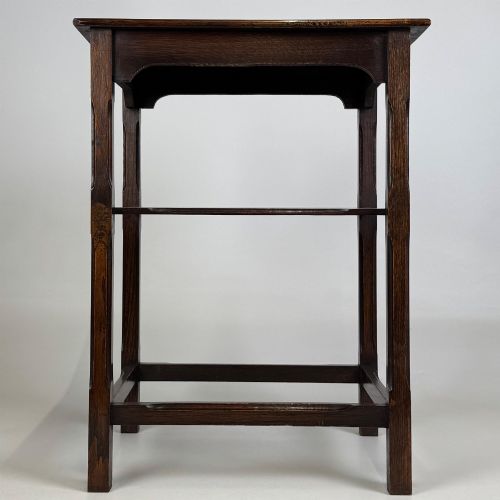
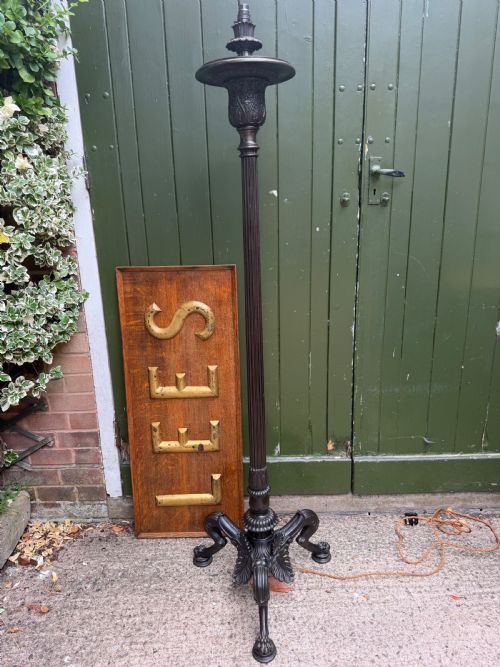
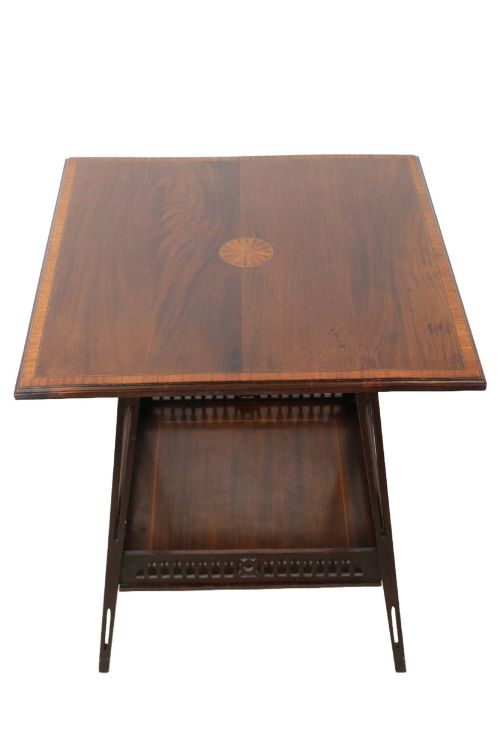
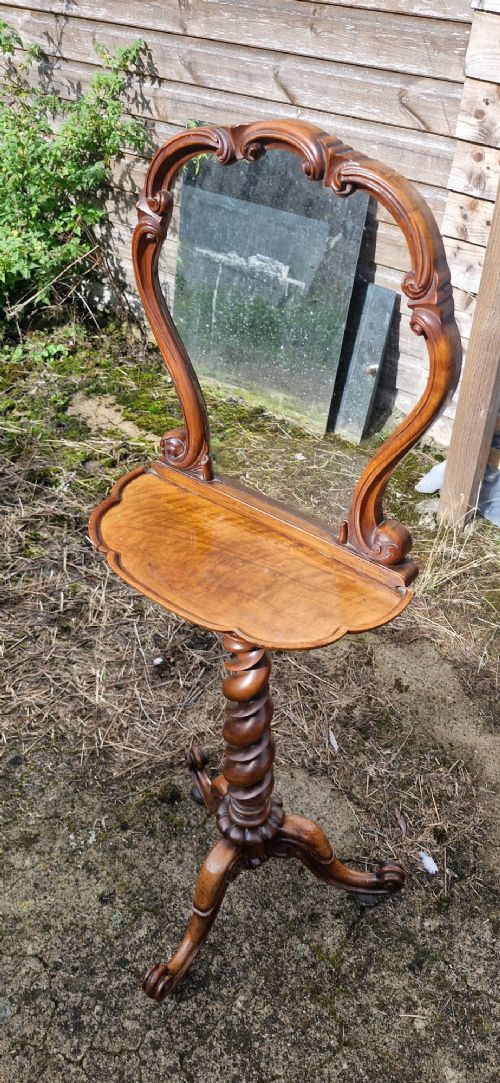
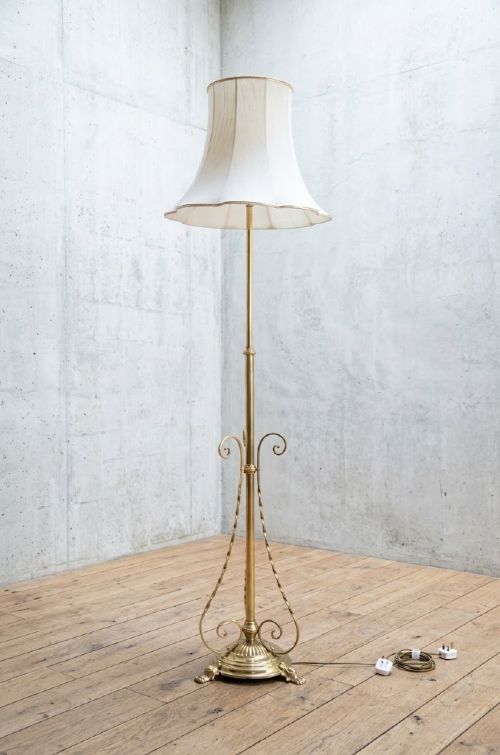
An antique standing lamp encompasses both tall vertical floor lights and compact pedestal tables designated for illumination, sitting comfortably within period interiors. Buyers seeking this phrase encounter slender brass columns, telescopic oil lamps converted to electricity, and sturdy oak or mahogany lamp tables meant to hold table lamps.
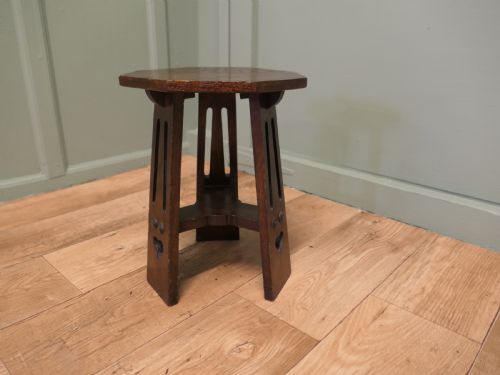
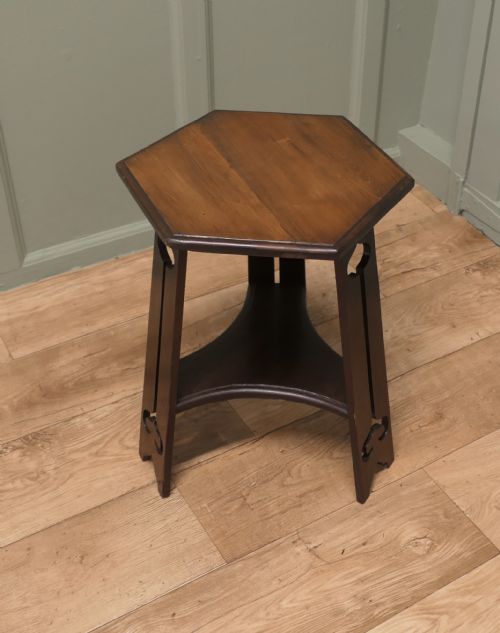
The selection ranges from heavy nineteenth-century cast-iron standards and forged metal torchieres to Edwardian mahogany occasional pieces and walnut wine tables. Many pieces reflect specific movements like Arts and Crafts, Jacobean Revival, or classical Grecian design, each serving to anchor lighting within a traditional room scheme.
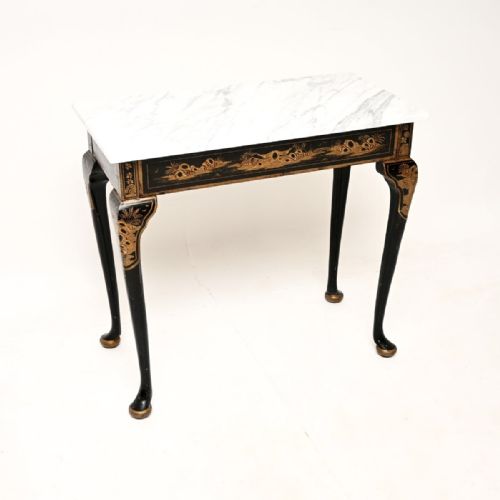
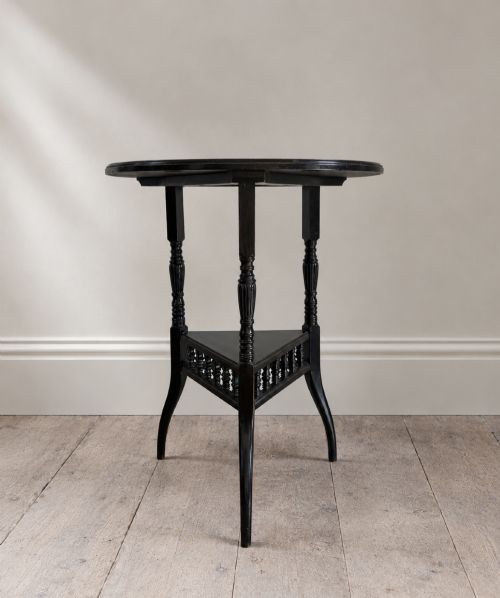
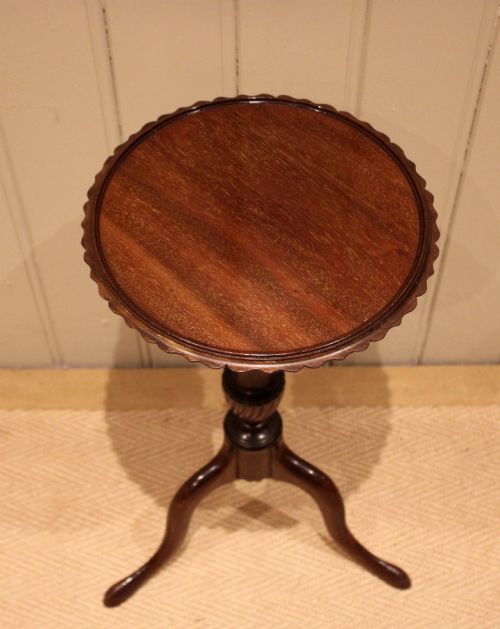
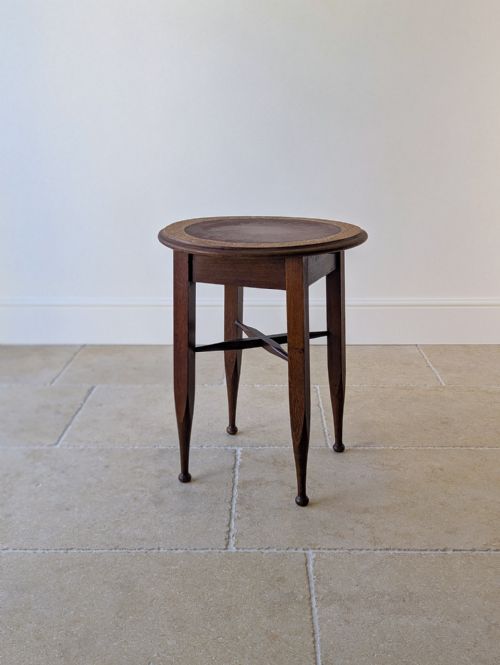
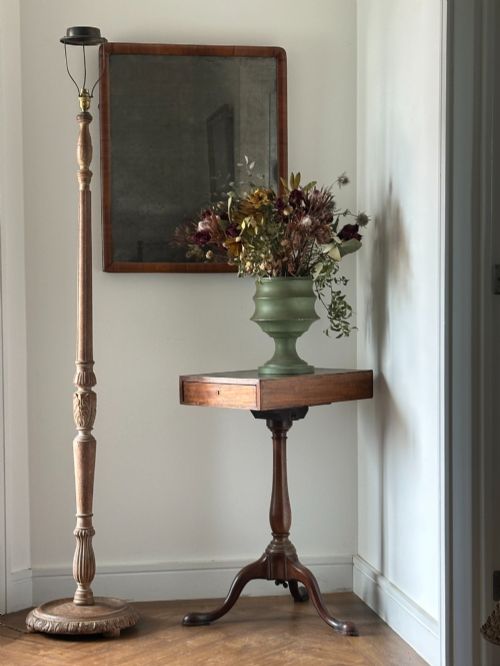
Lower formats function as lamp tables or wine tables with circular tops, tripod legs, and occasionally marble inserts, while taller vertical standards position the light source well above floor level. Selecting the right form depends entirely on whether the room requires a striking vertical focal point or a functional surface beside seating.
How They Were Made
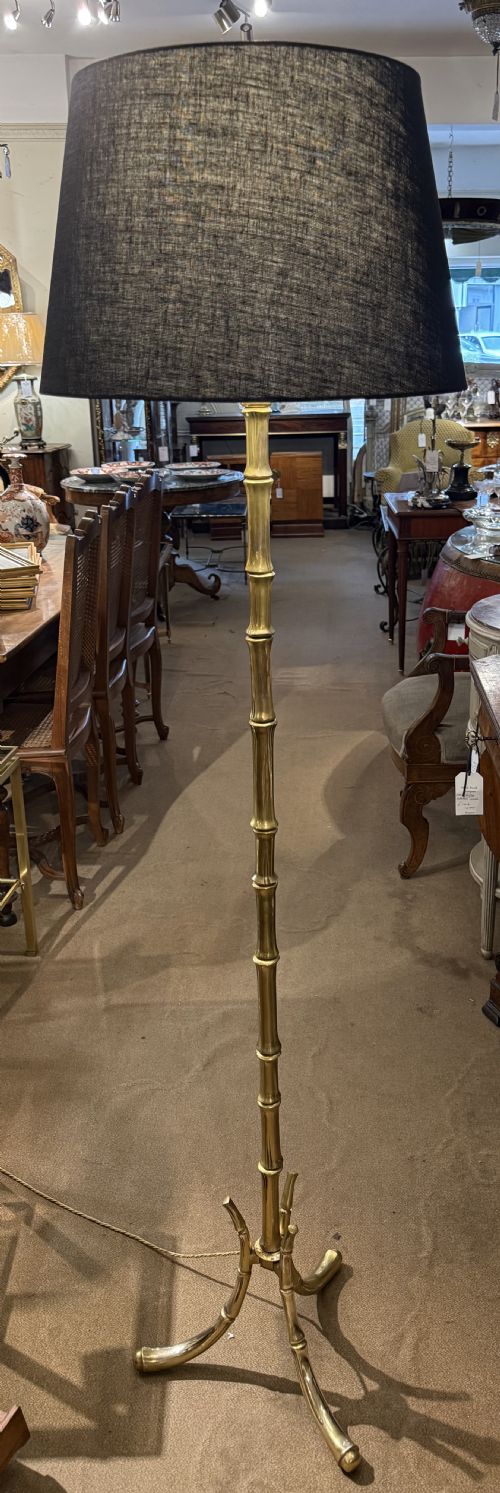
Craftsmen utilised dense timbers such as mahogany, oak, walnut, and rosewood for wooden lamp tables and stands, frequently employing marquetry inlay, wood inlay, or burr wood veneers to create patterned table tops. Brass, bronze, cast iron, and forged metal form the structural backbone of tall floor standards and converted oil lamps, sometimes paired with marble tops or glass shades.
Joinery techniques ranged from simple tripod leg assemblies and turned pedestals to elaborate hand-carving found in Arts and Crafts and Jacobean Revival examples. Metal components involved casting, plating, and patination, while adjustable mechanisms allowed users to alter the height of oil lamps and floor standards for practical use.
Antique Standing Lamp Retail Price Guide 2026
Typical asking prices for standing lamp among the pieces listed under this phrase on Sellingantiques today, from the lower quarter to the upper quarter. They describe what is for sale here now, not the wider market.
Some floor standards hide clever telescopic sliding brass tubes that once raised flame heights for evening reading.
What Varies In Quality
Material selection dictates the baseline tier of a piece, separating straightforward utilitarian oak from exhibition-quality amboyna, kingwood, or burr walnut with intricate marquetry. Finer examples display meticulous hand-carving, crisp brass mounts such as ormolu, and substantial cast bronze or patinated ironwork rather than lightweight pressed metals.
Structural integrity and proportion also separate standard domestic items from superior workshop output, visible in the stability of tripod bases and the precision of inlaid veneers. Maker attribution and restrained decorative detail generally denote workshop ambition and materials selected by master craftsmen.
Trevor Page And Co·Maison Bagues
The Antique Standing Lamp Glossary
- Standard Lamp
- A tall vertical lighting support designed to stand directly on the floor. These pieces position a light source above head height and often feature heavy weighted bases for stability.
- Lamp Table
- A small freestanding occasional table specifically sized to hold a table lamp. They frequently appear in circular or octagonal formats with pillar and tripod supports.
- Telescopic
- A construction method allowing the upper shaft of a lamp or stand to slide vertically and lock at varying heights. This mechanism was essential in nineteenth-century oil lamps to adjust illumination levels.
- Marquetry
- The art of applying decorative veneer pieces in wood to a structural surface to form intricate pictures or geometric patterns. It appears frequently on Victorian and Edwardian table tops.
- Tripod Base
- A three-legged support structure commonly utilised on small tables and floor standards. This design ensures the piece remains steady on uneven period floorboards.
Antique Standing Lamp: Frequently Asked Questions
What is an antique standing lamp?
An antique standing lamp is a tall vertical floor standard or a compact pedestal table designed to support lighting in a room. These objects combine structural height with decorative presence, using materials ranging from polished brass to carved mahogany.
Many tall standards began life as oil lamps before undergoing conversion to electricity during the twentieth century. Table forms provide a convenient surface for smaller lamps beside armchairs and sofas.
How do I tell Victorian from Edwardian lamps?
Victorian lighting supports and lamp tables typically display heavier timbers, richer burr veneers, elaborate marquetry inlay, and robust cast brass or bronze components. Decoration often leans toward classical or ornate revival styles.
Edwardian pieces generally present a lighter aesthetic with simpler mahogany or oak construction, cleaner lines, and subtle inlaid details. Arts and Crafts influences during this later period favoured visible craftsmanship and honest oak construction.
Were these lamps originally electric?
Most antique floor standards and tall lamps were originally designed for oil, gas, or candle illumination rather than electricity. Tall brass and bronze standards frequently housed oil reservoirs and burners at the summit.
Over subsequent decades, owners converted these mounts to accept electrical wiring and modern bulb holders. This process allowed fragile glass shades and metal columns to remain useful in contemporary spaces.
Where should I place a lamp table?
Lamp tables function best beside seating areas, reading chairs, or corners where a surface is required for task lighting. Their compact footprints allow them to fit snugly into domestic layouts without crowding the floor.
Because many feature finished backs and freestanding timber or marble construction, they also sit comfortably away from walls. This placement showcases circular mahogany tops and inlaid veneers from multiple angles.