


Bronze Standard Lamp
A bronze standard lamp brings substantial weight and architectural presence to a room, standing as both a practical light source and a sculptural focal point.
Bronze Standard Lamp
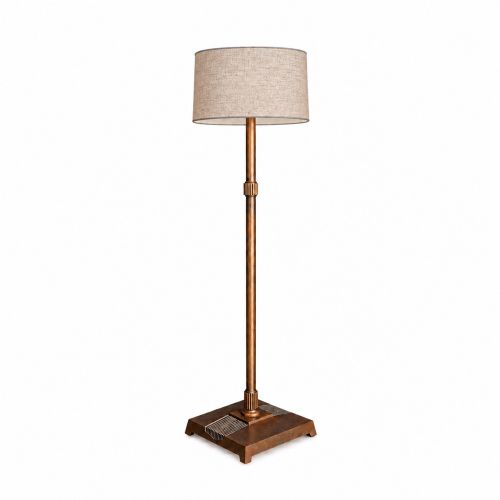
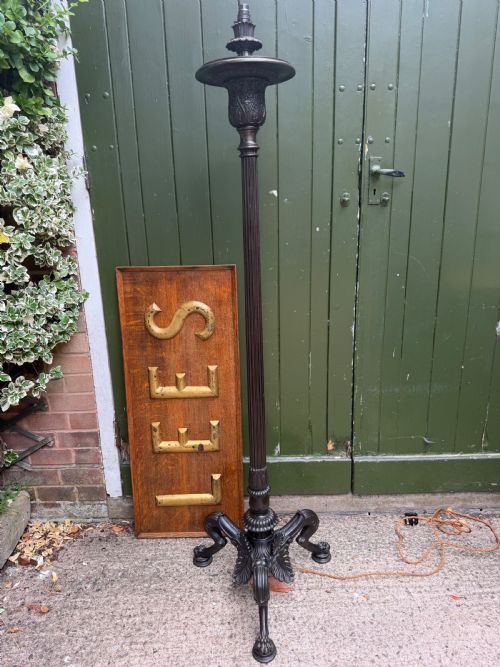
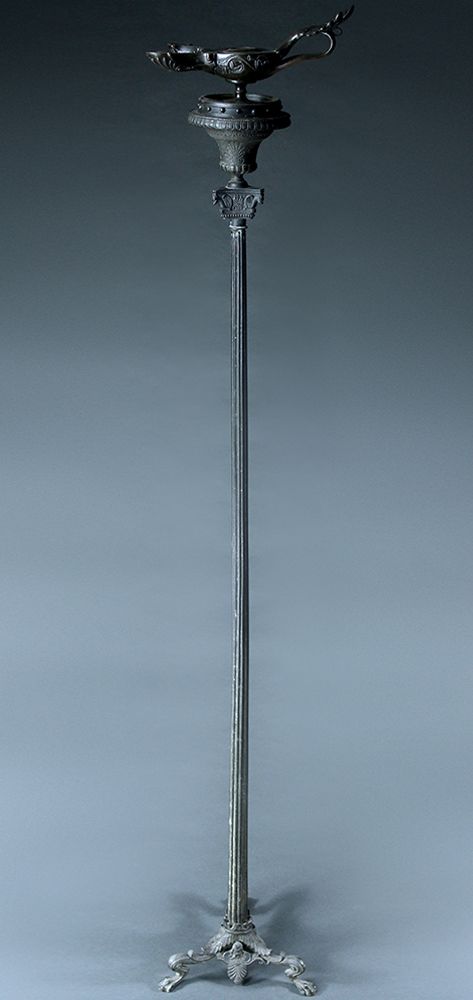
A bronze standard lamp is a tall floor-standing lighting fixture, often incorporating heavy cast metals and slender columns designed to illuminate larger spaces. When you search for a bronze standard lamp, you will encounter diverse forms spanning the nineteenth century through the Edwardian era and into the Art Deco period.
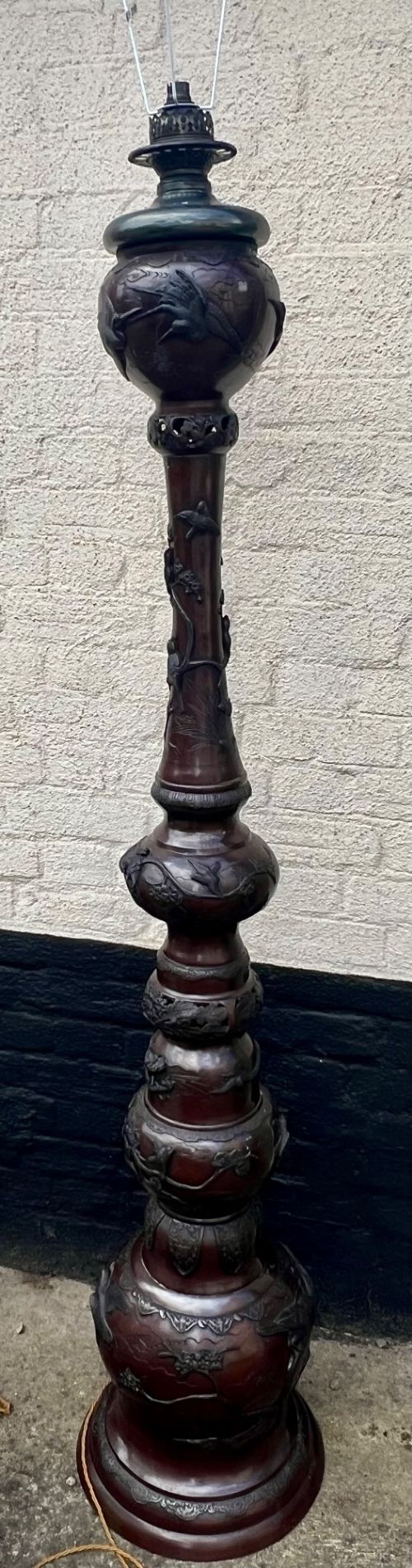
The selection ranges from neoclassical pillars and grand tour interpretations to Japanese Meiji period bronzes and robust cast iron designs. Many examples utilise telescopic mechanisms or adjustable arms originally engineered for reading or close work.
Makers drew on various historical vocabularies, producing Italianate, Louis XVI, and Rococo revival styles alongside simpler Arts and Crafts interpretations. These floor-standing pieces frequently appear alongside related table lamps and torcheres in the broader evidence.
How they were made
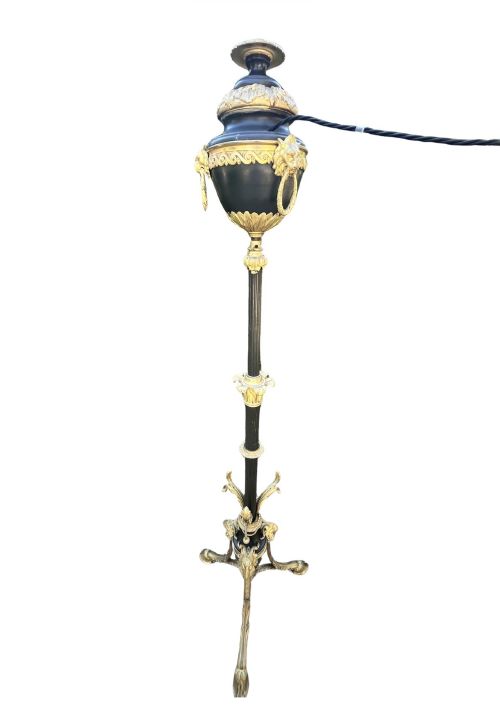
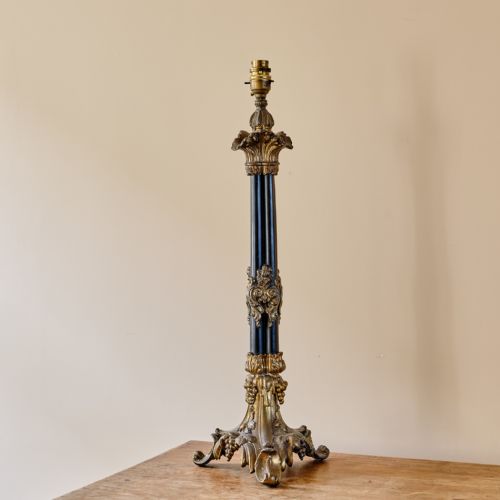
Foundry work relied heavily on casting bronze, brass, and cast iron to build stable, weighted bases and rigid vertical columns. Metalworkers applied patinated, bronzed, verdigris, or gilded ormolu finishes to achieve varied surface textures and tones.
Many specimens combine metalwork with other media, integrating marble bases, ebonised wood components, or silver plating. Wiring and electrical fittings represent later adaptations, as these heavy floor standards originated in the era of oil lighting or early gas and electric conversions.
Bronze Standard Lamp Retail Price Guide 2026
Typical asking prices for bronze standard lamp among the pieces listed under this phrase on Sellingantiques today, from the lower quarter to the upper quarter. They describe what is for sale here now, not the wider market.
Periods represented across the archive include the Victorian era, Edwardian period, and the 1930s.
What varies in quality
The sophistication of the casting work dictates much of the distinction, separating crisp, finely chased figural details and classical ornamentation from softer, more generic production. Heavier gauge metals and stable, well-engineered telescopic joints demonstrate superior construction.
Surface treatment also differentiates examples, with hand-applied gilding, rich patination, and well-preserved fire gilding or ormolu showing greater craftsmanship than uniform spray finishes. The integrity of integrated marble plinths and secure vertical alignment further separates standard grades from finer pieces.
The Bronze Standard Lamp Glossary
- Ormolu
- Gilded bronze, usually produced by applying a mercury-gilding amalgam to cast bronze. This technique creates a durable, luminous surface characteristic of fine nineteenth-century French and English metalwork.
- Torchere
- A tall stand or floor lamp designed to hold a light source high above the ground. Originally configured for candles, these pieces were later adapted for gas and electricity.
- Telescopic
- Adjustable in height through a sliding inner shaft secured by a key or screw mechanism. This feature allowed nineteenth-century users to alter the illumination height for reading or ambient lighting.
- Patinated
- Having a surface altered by age, chemical treatment, or controlled oxidation. A dark or verdigris bronze patina adds depth and protects the underlying metal.
- Neoclassical
- A design style drawing inspiration from classical Greek and Roman architecture. These lamps often feature fluted columns, acanthus leaves, and classical urn motifs.
Bronze Standard Lamp: Frequently Asked Questions
How do I wire an antique standard lamp safely?
Most period floor lamps require rewiring to meet modern electrical standards, and a qualified electrician should inspect the internal channeling. It is essential to ensure the heavy base remains stable and balanced once modern flex is threaded through the column.
Many antique standards retain original brass key switches or bulb holders that can be retained alongside modern insulated wiring for authenticity. Professional PAT testing ensures the metal body is properly earthed.
Can I adjust the height on all bronze standards?
Not all models move; telescopic mechanisms appear on specific nineteenth-century and Edwardian designs intended for reading or variable room illumination. Fixed-column lamps maintain a rigid height determined by their neoclassical or figurative design.
When handling an adjustable standard, inspect the central collar or thumbscrew to ensure the inner rod secures firmly without slipping.
What shades suit these heavy floor lamps?
Fabric shades with warm linings balance the weight of cast bronze and ormolu bases, diffusing light effectively across tall rooms. Proportion is key, as a heavy nineteenth-century pillar requires a wider shade diameter to balance the substantial footprint.
Original fittings often dictate the shade carrier type, such as duplex burners or shade rings requiring specific harp or gallery fixings.
How do I distinguish Victorian from Edwardian standard lamps?
Victorian examples frequently lean towards heavier, ornate neoclassical, Rococo revival, or cast-iron forms with dark patination. Edwardian pieces often introduce lighter proportions, polished brass, or refined telescopic reading configurations.
Art Nouveau influences also emerge toward the turn of the twentieth century, bringing organic motifs and verdigris finishes into domestic interiors.