

Antique Brass Floor Light
An antique brass floor light brings warmth and adjustable illumination to a room, offering functional height alongside period character.
What these pieces are
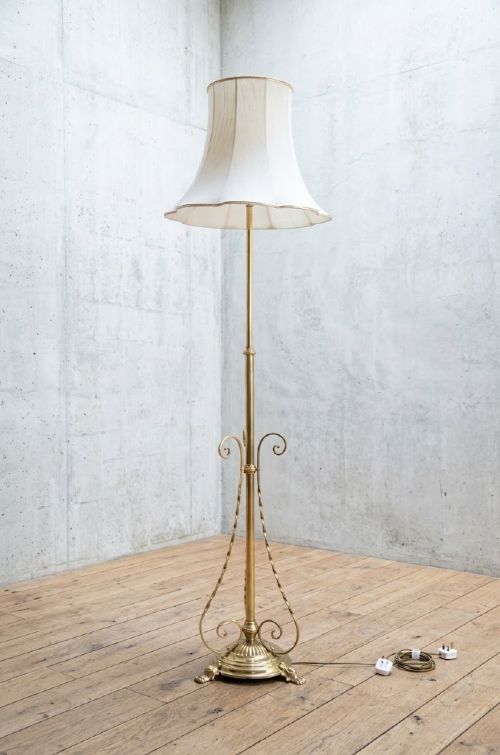
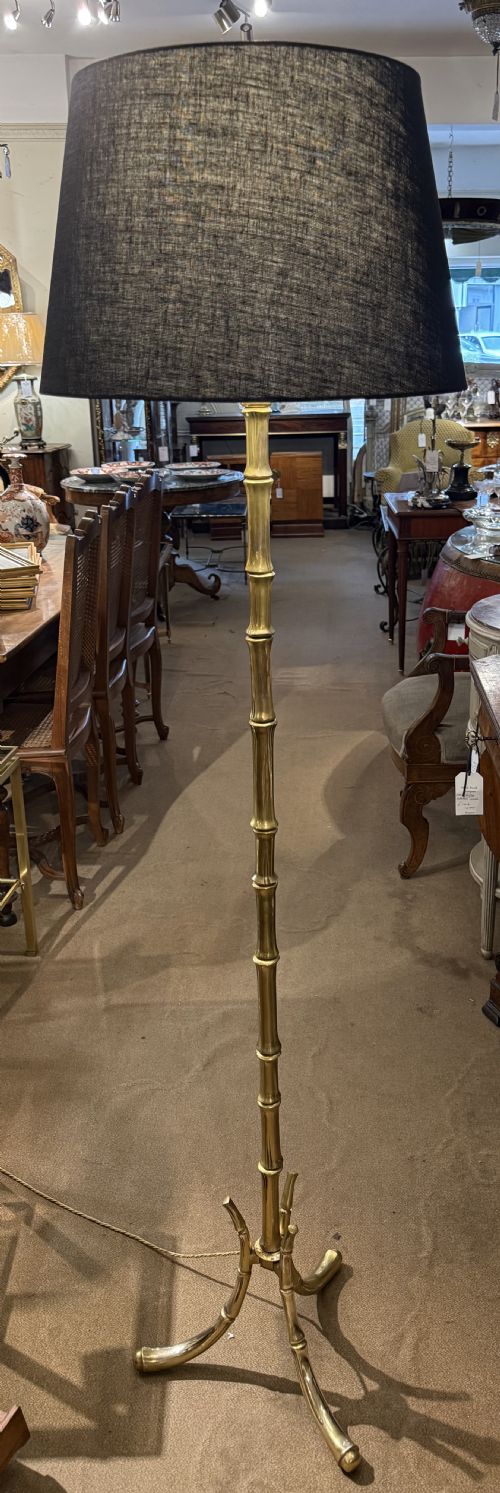
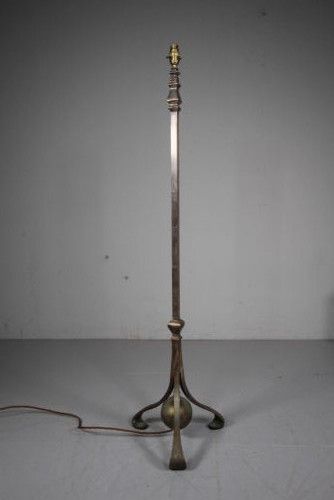
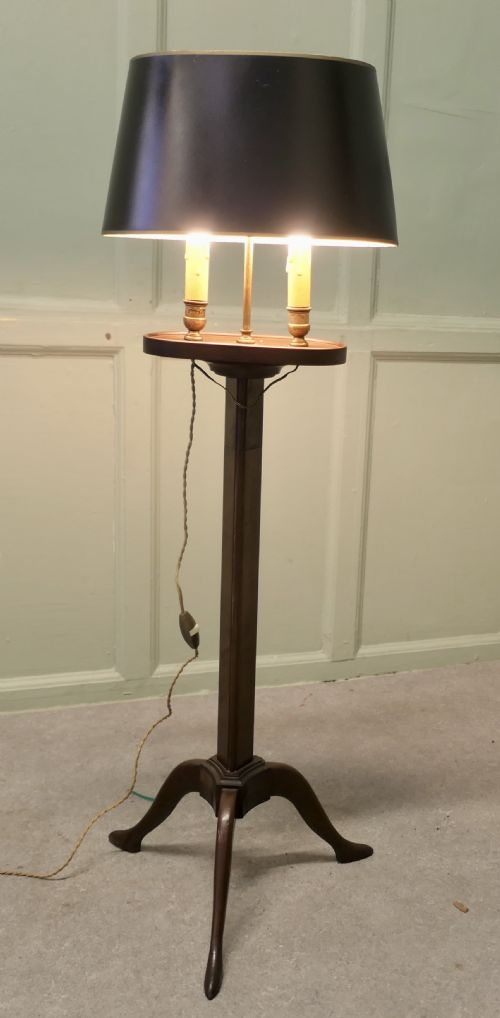
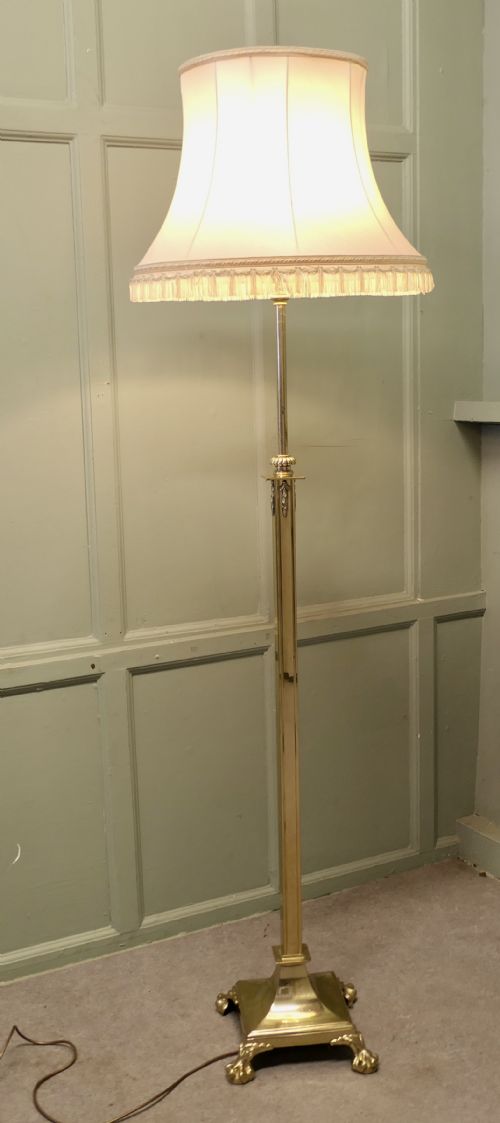
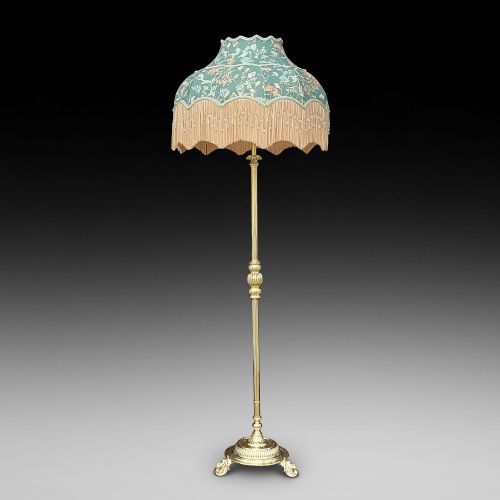
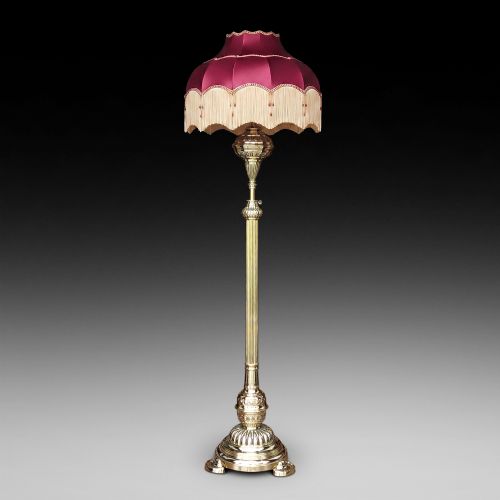
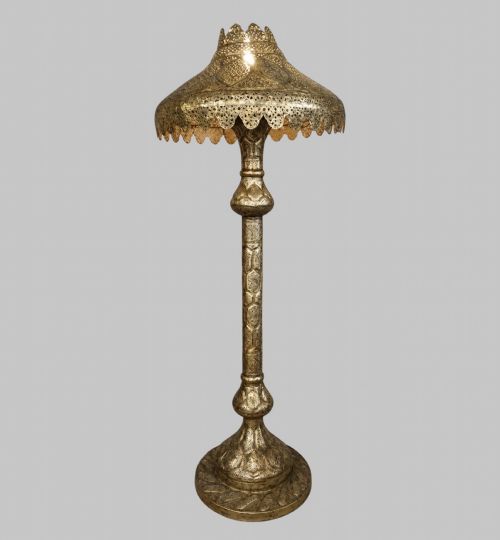
When you search for an antique brass floor light, you encounter tall stands designed to illuminate a room from standing height without occupying table space. These items appear across the Victorian, Edwardian, and Art Deco periods, encompassing both floor lamps and standard lamps in various stylistic interpretations.
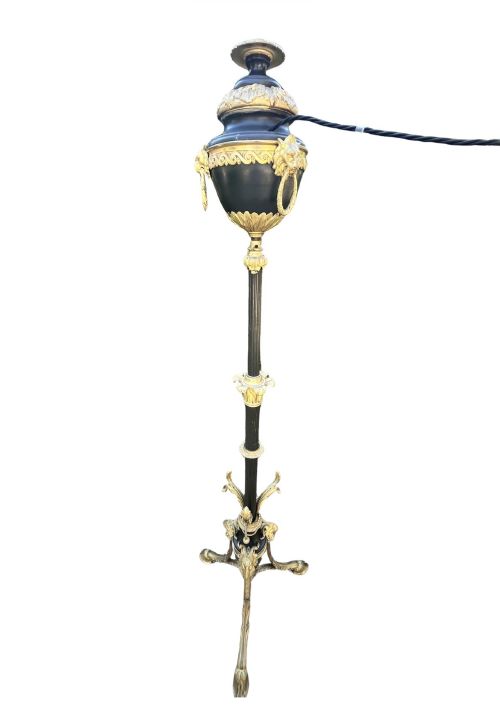
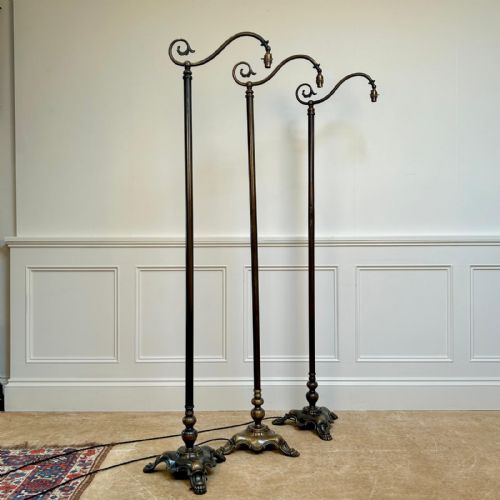
The most common versions met on this page include classical columnar designs and architectural torchères, alongside functional reading lights with swivel mechanisms. Examples span from the late Victorian era into the 1920s, showing shifts from ornate classical revivals towards cleaner geometric lines.

How they were made
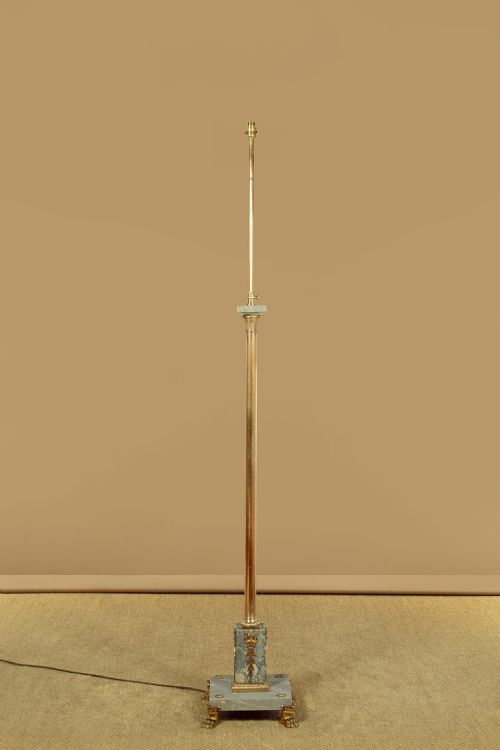
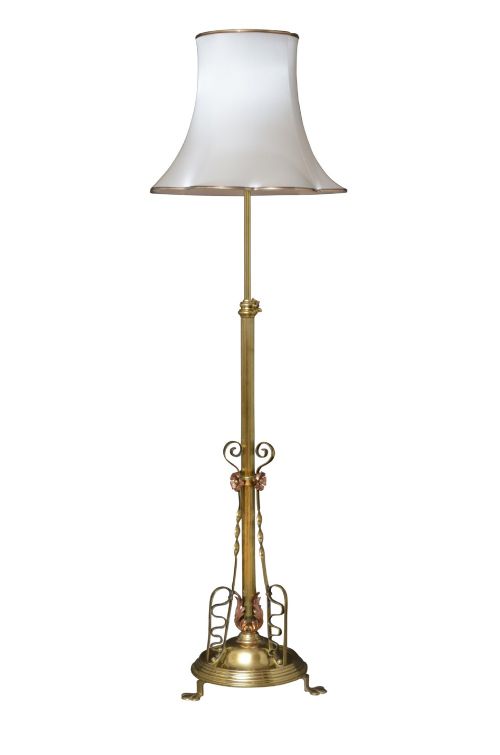
Makers utilised cast and sheet brass alongside copper components, building sturdy weighted bases to support the long vertical shafts. Certain pieces incorporated contrasting materials such as onyx for the central columns, adding visual weight and varied texture to the metal structure.
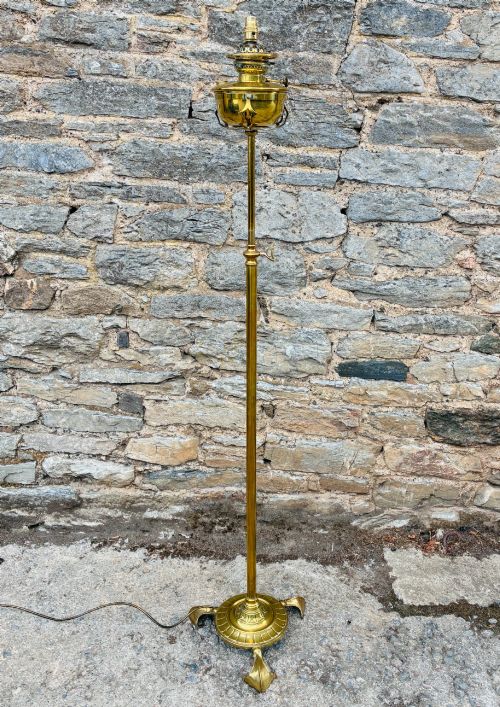
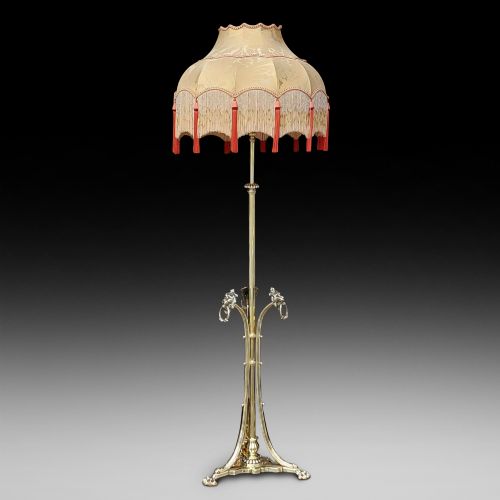
Engineering mechanisms allowed for practical movement, including swivel joints and extending shafts for reading. Shades completed the construction using fabric with delicate thread details, diffusing the light cast from the burner or electrical fitting.
Retail Price Guide 2026
Typical UK retail prices for brass floor light, calculated from the Sellingantiques database of over a million retail prices indexed since 2003. This retail price guide relies exclusively on Sellingantiques data; no external sources or auction records are used, so the figures do not describe the wider market.
Some Victorian reading lamps feature extending brass arms designed to lean faithfully over your shoulder while you decipher the evening paper.
What varies in quality
Quality rests in the precision of the casting and the structural integrity of the extending or swivel mechanisms. Heavier gauge brass and solid construction separate substantial architectural standards from lighter, purely decorative alternatives.
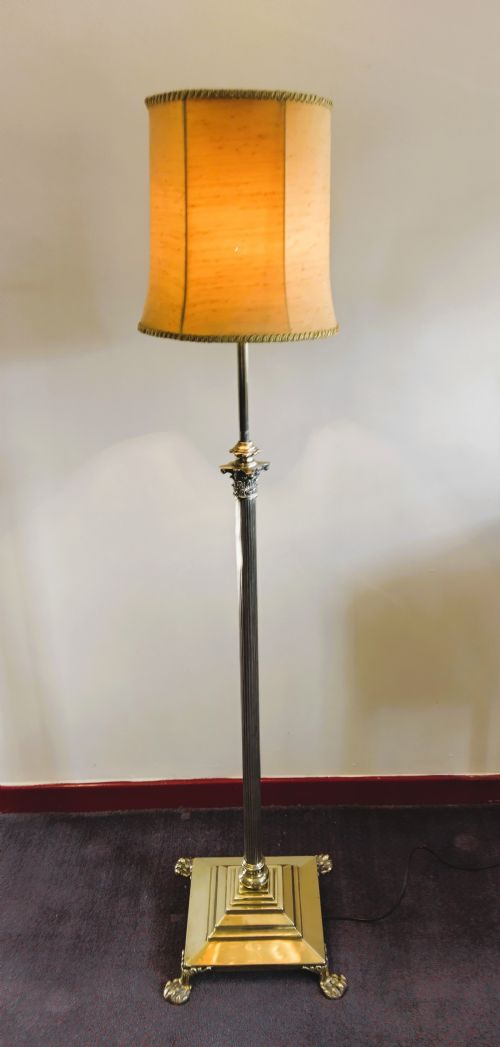
The sophistication of the period style dictates distinction, moving from standard turned shafts to sharply defined Art Nouveau flourishes or crisp Corinthian capitals. Original components and integrated material pairings like copper and onyx elevate the execution of the piece.
The Antique Brass Floor Light Glossary
- Corinthian Column
- An architectural order adapted for standard lamps, featuring an ornate capital decorated with acanthus leaves at the top of the shaft. This classical motif was popular during the Victorian period.
- Extending Standard
- A mechanical design allowing the height of the lamp to be adjusted via an inner sliding shaft. This feature often appeared on reading lamps to direct illumination downward.
- Swivel Angle
- A pivoting joint built into the upper arm of a floor light to alter the direction of the beam. It provides task lighting flexibility for reading or work.
Frequently Asked Questions
Where should I place an antique floor light?
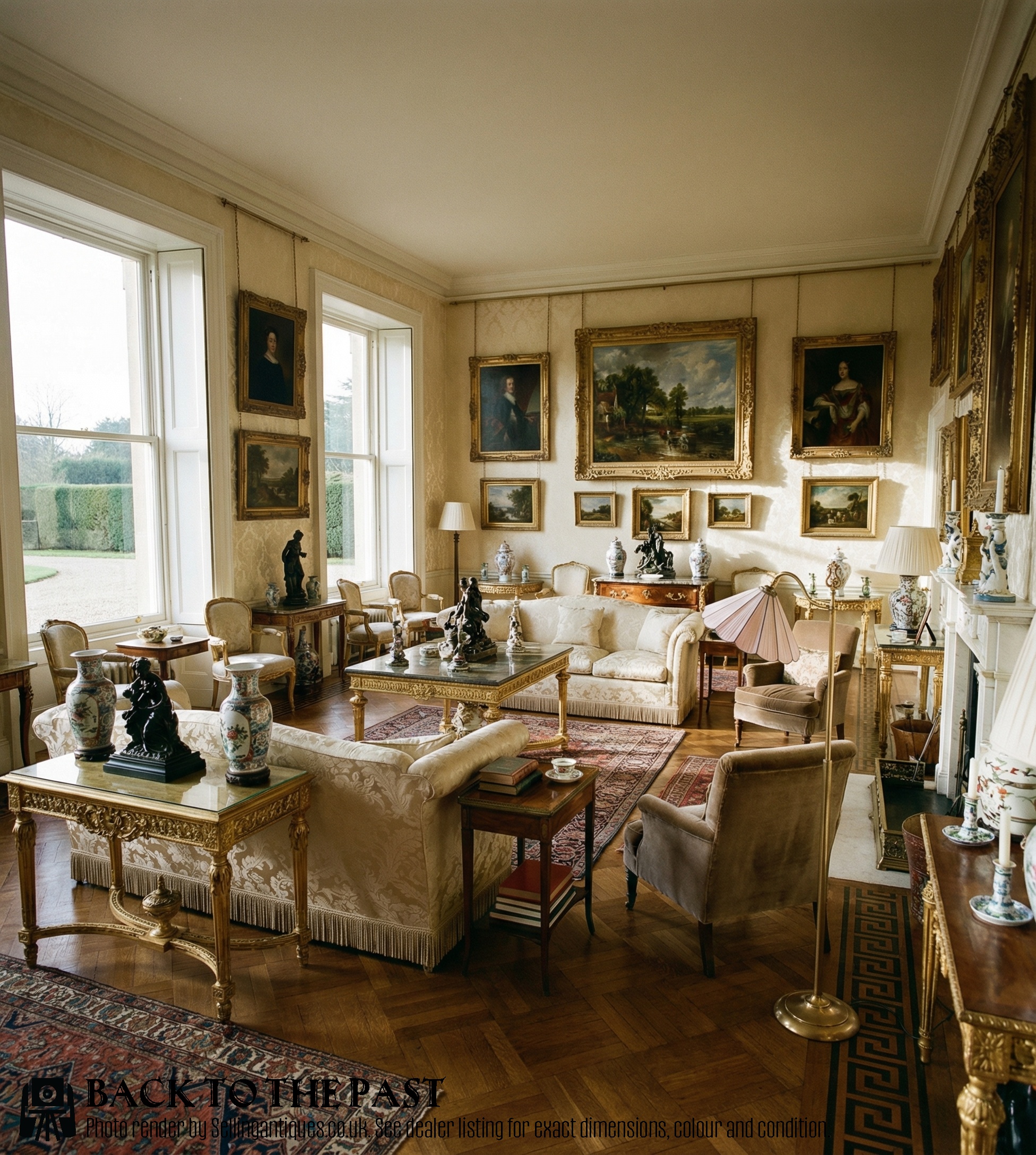
These tall fixtures suit corners of reception rooms or beside armchairs where they provide focused illumination without needing a side table. Their height helps balance larger pieces of furniture.
Ensure the weighted base rests on an even surface so the tall shaft remains stable, and position the lamp near a socket to avoid trailing wires across walkways.
How do I identify a Victorian standard lamp?
Victorian examples often display heavier classical details such as fluted columns, Corinthian capitals, or combined brass and copper construction. They were originally built for oil burning before later conversion to electricity.
Look for robust casting methods and rich patination on the metal surface that develops over decades of exposure to the air.
What is the difference between Edwardian and 1920s models?
Edwardian floor lights maintain lingering Victorian grandeur with turned wooden or brass columns and traditional proportions. They focus on warm domestic comfort and classical revival styles.
By contrast, pieces from around 1920 often lean into Art Deco influences, showing sleeker silhouettes, simpler geometric lines, and less surface ornamentation.