




Antique Bronze Lighting
Antique bronze lighting brings sculptural warmth and period illumination to a room, spanning grand chandeliers and modest candlesticks.
Antique Bronze Lighting
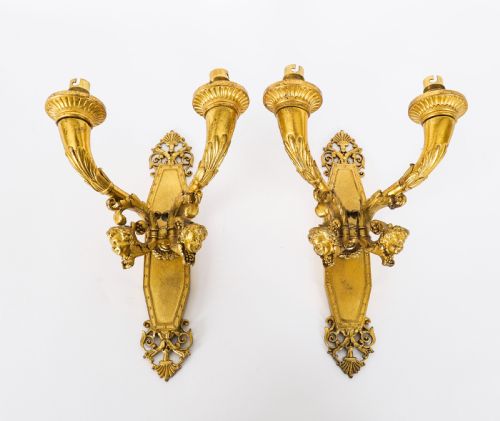
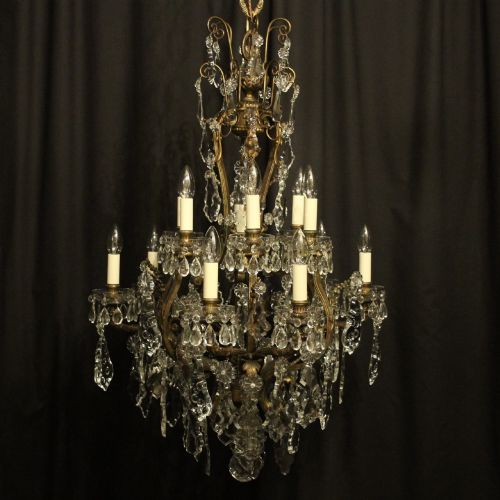
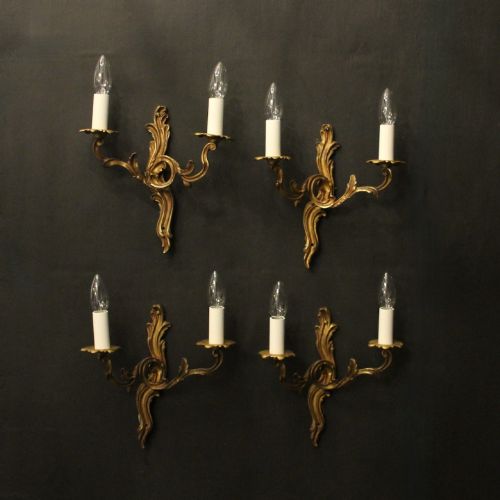
When searching for antique bronze lighting, buyers encounter a diverse array of fixtures including chandeliers, wall sconces, candelabra, and table lamps spanning the eighteenth, nineteenth, and early twentieth centuries.
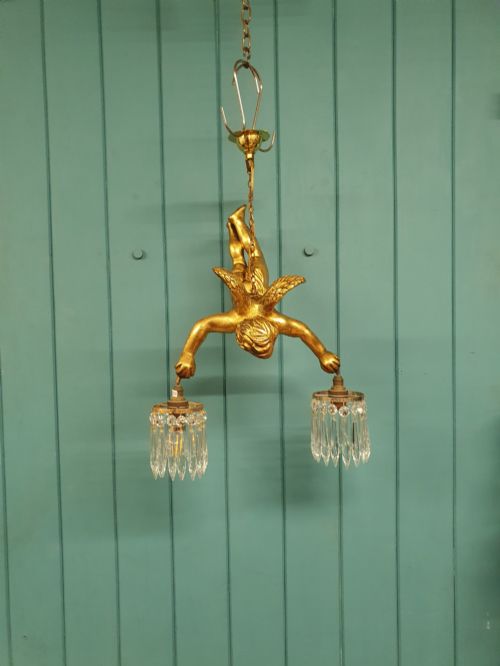
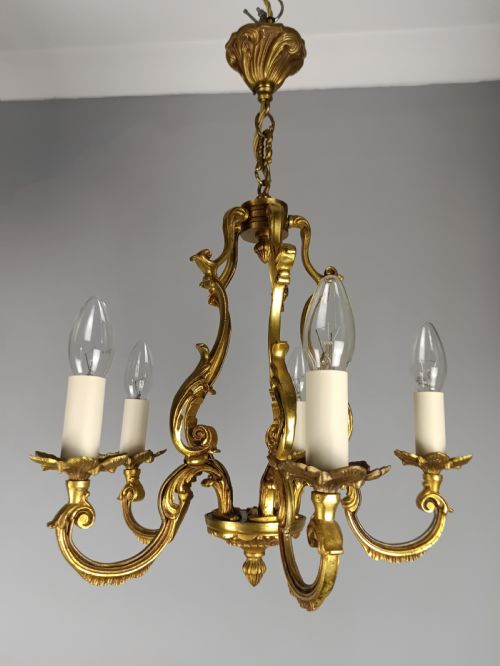
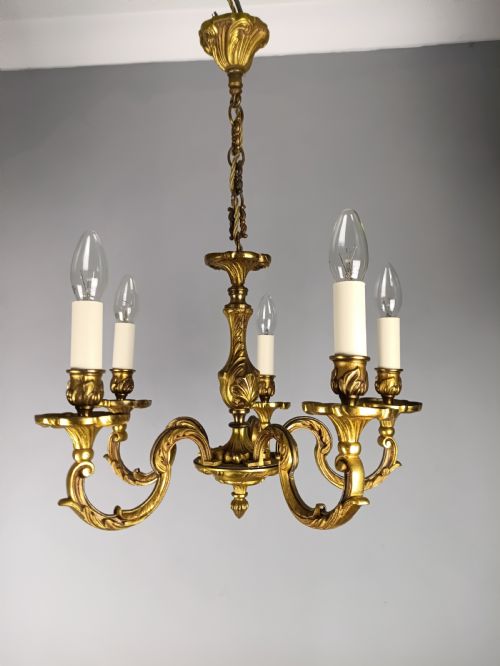
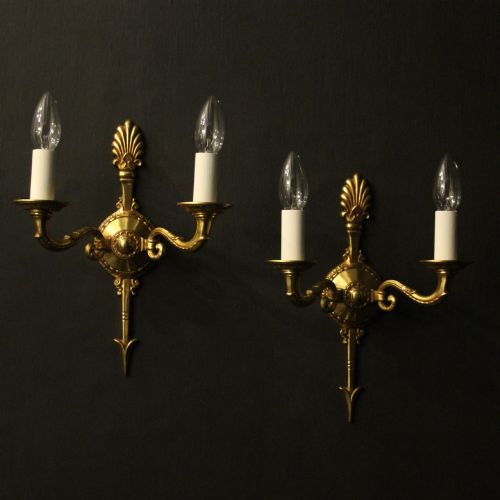
The selection on this page leans heavily towards French origins, particularly multi-light gilded chandeliers, ornate wall lights from the nineteen-twenties, and classical candelabra reflecting Regency, Louis XVI, and Empire styles.
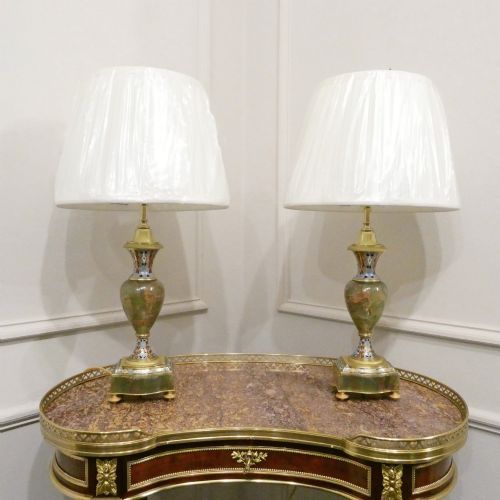
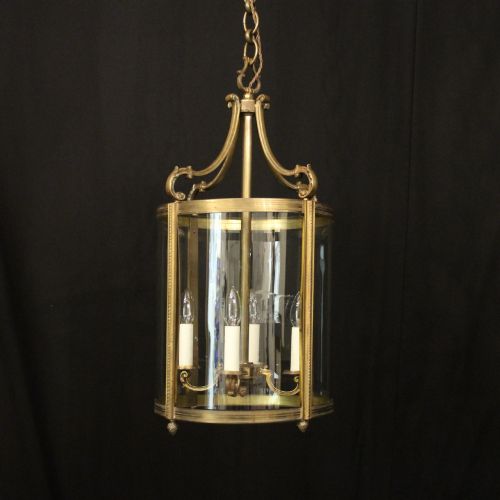
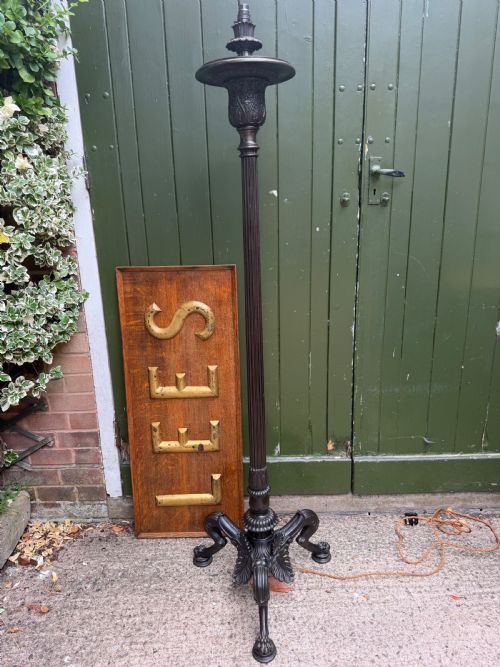
Alongside these grand ceiling and wall fixtures sit functional items such as hall lanterns, standard lamps, and table lamps incorporating materials like marble, onyx, and crystal.
Materials and construction
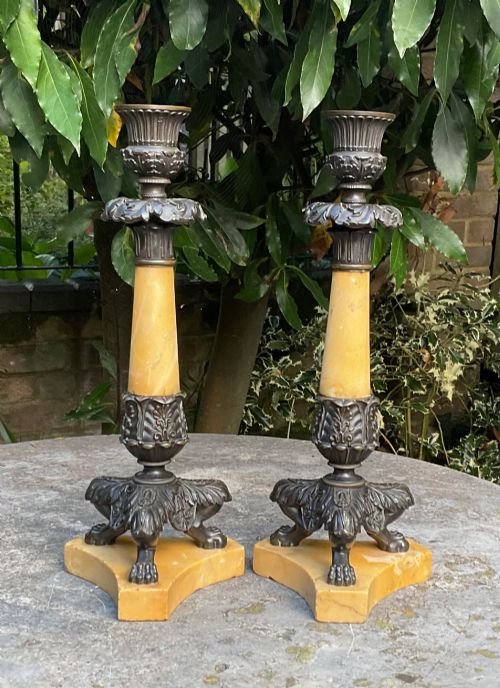
Pieces in the collection utilise cast bronze, brass, and patinated metal, frequently enhanced with fire-gilding known as ormolu or heavy layers of gold leaf to create a luminous surface finish.
Many fixtures incorporate secondary elements such as hand-cut crystal drops, polished marble plinths, and champlevé enamel to enrich the primary metal structure.
Construction techniques rely on traditional foundry casting, where components are assembled with threaded pins and secured by hand-chiselling and patination.
Antique Bronze Lighting Retail Price Guide 2026
Typical asking prices for bronze lighting among the pieces listed under this phrase on Sellingantiques today, from the lower quarter to the upper quarter. They describe what is for sale here now, not the wider market.
Black Forest bears occasionally emerge holding candlesticks, proving that Victorian illumination had a wild sense of humour.
Factors determining quality
The depth and preservation of the original gilding or patination dictate the visual richness of a fixture, distinguishing deeply burnished ormolu from worn or later replated surfaces.
Integration of high-grade embellishments, such as heavy rock crystal prisms or substantial mounts of matching marble and onyx, separates standard utilitarian pieces from exceptional decorative works.
Barbedienne·Francois Redmond·E Rousseau
The Antique Bronze Lighting Glossary
- Ormolu
- Gilt bronze produced by applying a finely ground mercury-gilding amalgam to a bronze base. This technique creates a durable, golden surface typical of high-status French decorative objects.
- Champlevé
- An enamelling technique where troughs or cells are hollowed out of the metal surface and filled with vitreous paste before firing. It appears frequently on nineteenth-century decorative metalwork.
- Pricket candlestick
- A candlestick featuring a sharp central metal spike designed to impale the base of a candle rather than sitting inside a socket. This form is common in early ecclesiastical and revival pieces.
- Mazarin chandelier
- A specific chandelier configuration featuring multiple tiered lights arranged around a central stem, named after the influential seventeenth-century cardinal.
- Patination
- The surface alteration of metal resulting from age, wear, or chemical treatment. A stable patination distinguishes antique bronze from modern reproductions.
Antique Bronze Lighting: Frequently Asked Questions
How do I clean antique bronze lighting?
Dust gently with a soft, dry brush to remove surface accumulation without disturbing the historic patination. Avoid harsh chemical cleaners or abrasive polishes that strip away original gilding.
For glass or crystal components attached to the fixture, use a damp cloth with mild soap, ensuring no moisture enters the vintage electrical fittings or historical metal joins.
Are these fixtures wired for modern use?
Many of the chandeliers, wall lights, and table lamps found here have been adapted for contemporary electrical standards over time. It remains prudent to have a qualified electrician inspect older wiring before installation.
Unconverted pieces, such as historic candelabra or early oil lamps, can be utilised with candles or evaluated for professional rewiring depending on the intended application.
How do I identify French revival styles?
French revival lighting draws heavily on historical design vocabulary from earlier monarchies, such as the ornate scrolling foliage of Louis XIV or the symmetrical restraint of Louis XVI. Makers in the nineteenth and early twentieth centuries replicated these forms with distinct casting techniques.
Examining the construction joints, interior fixings, and wear patterns helps differentiate an authentic nineteenth-century interpretation from an eighteenth-century original.
What is the difference between bronze and brass?
Bronze is an alloy primarily composed of copper combined with tin, resulting in a heavier, darker material that takes a rich patination. Brass is an alloy of copper and zinc, generally exhibiting a brighter, yellower metallic tone.
Many antique lighting fixtures combine both metals, using cast bronze for structural and figural elements and brass for smaller components or threaded fittings.