
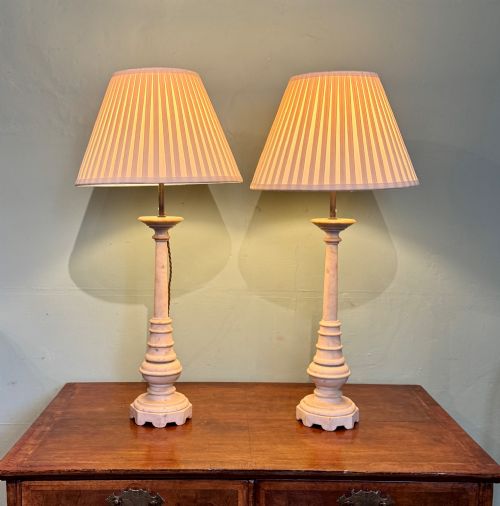
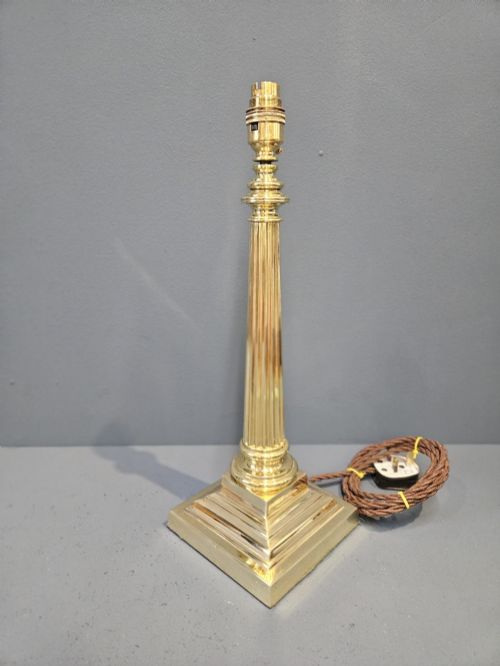
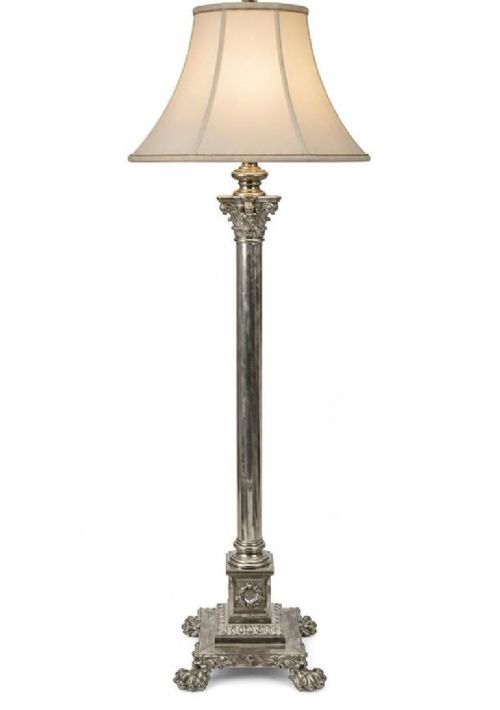
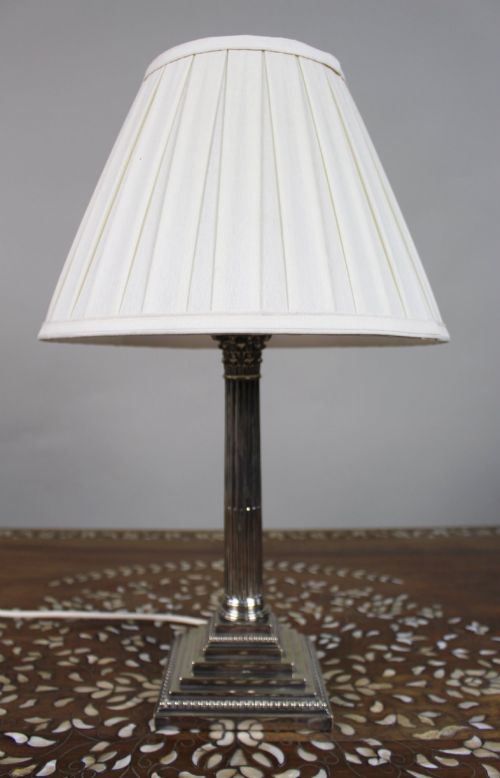
Classical Column Lamps
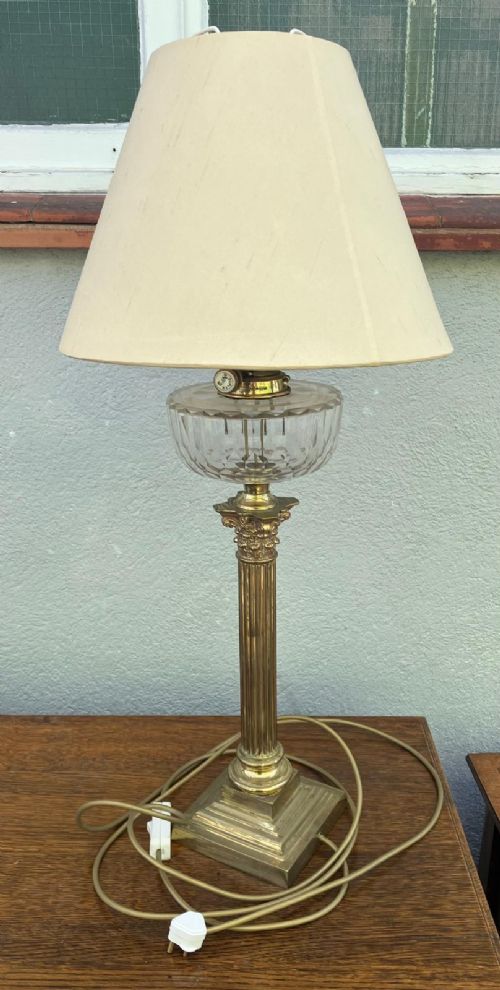
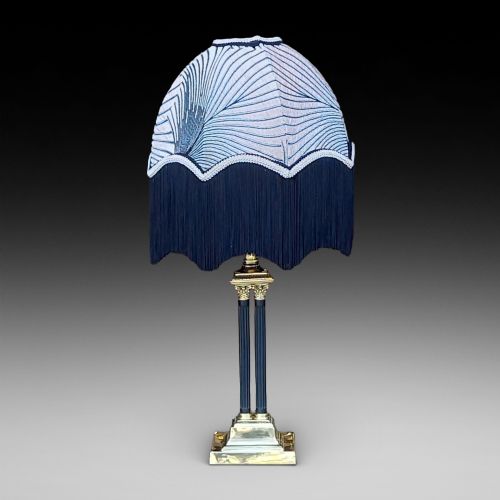
Classical column lamps bring ancient architectural dignity into a room, offering commanding vertical presence and timeless metalwork.
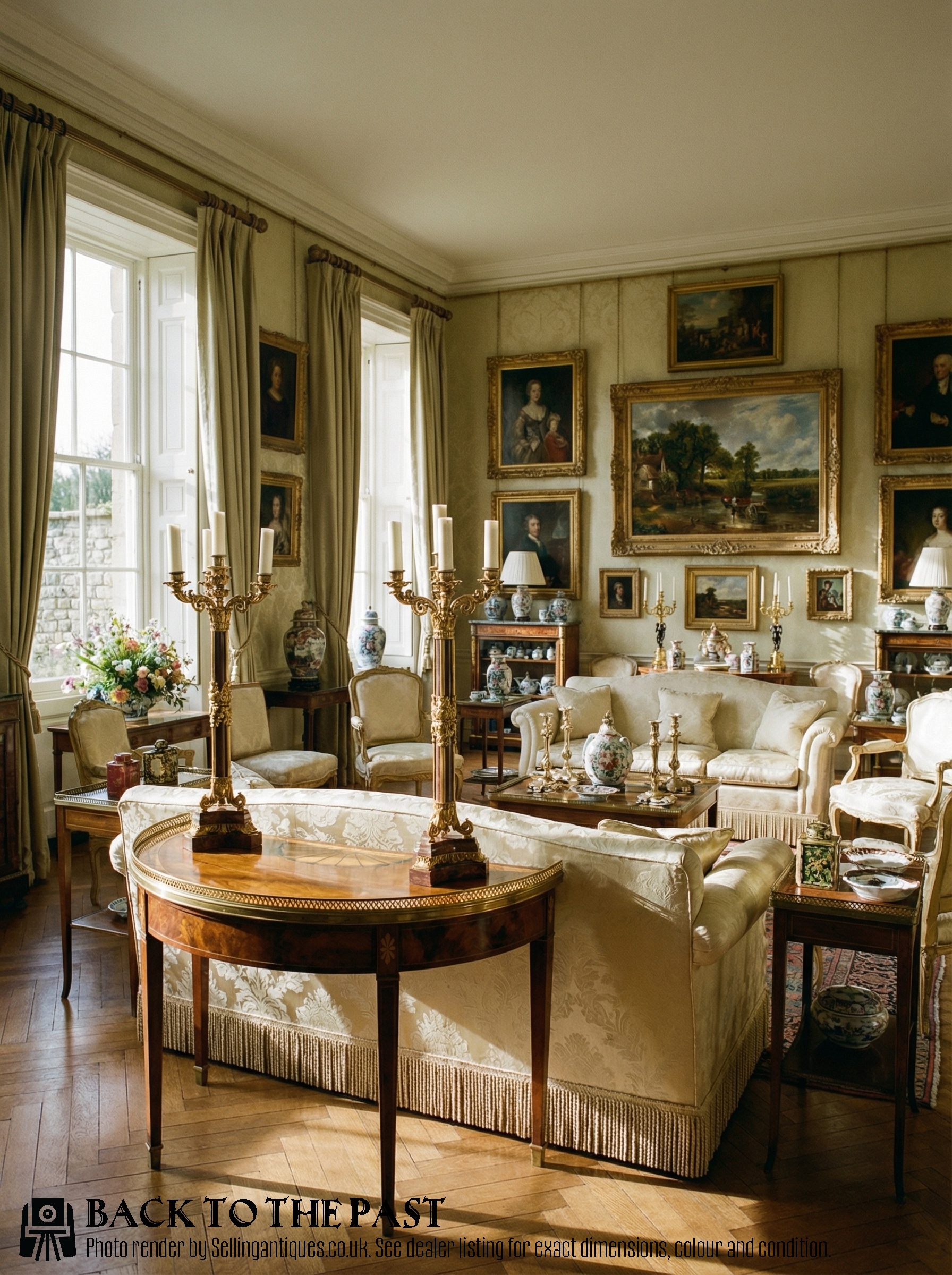
Understanding Classical Column Lamps
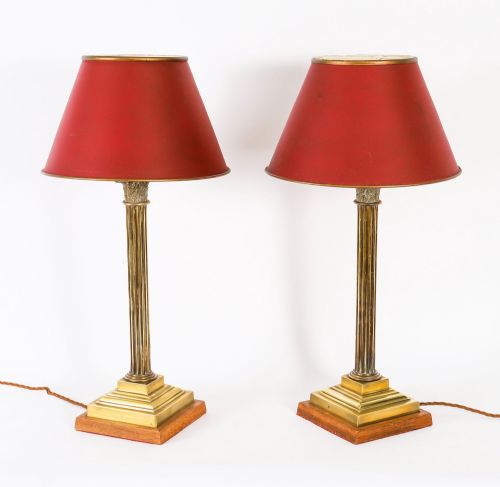
Classical column lamps take their architectural inspiration from ancient Greek and Roman orders, translating monumental temple pillars into domestic lighting. These table lamps and standard lamps appear in forms drawn from the Regency, Victorian, and early twentieth-century periods.
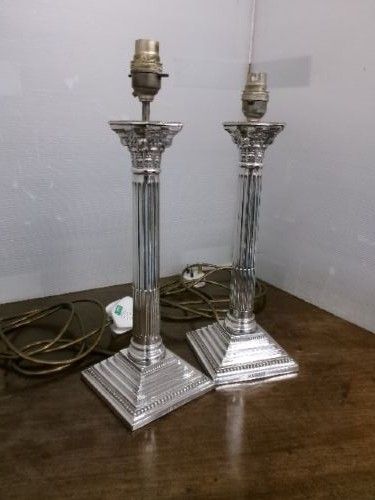
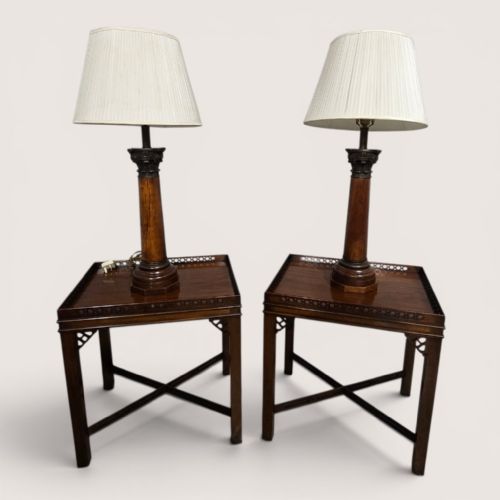
Most examples found here are pairs of candlestick lamps adapted for electricity, maintaining the proportions of classical architecture while serving modern interiors. They emerge primarily in styles including Neoclassical, French Neoclassical, Empire, and Grand Regency.
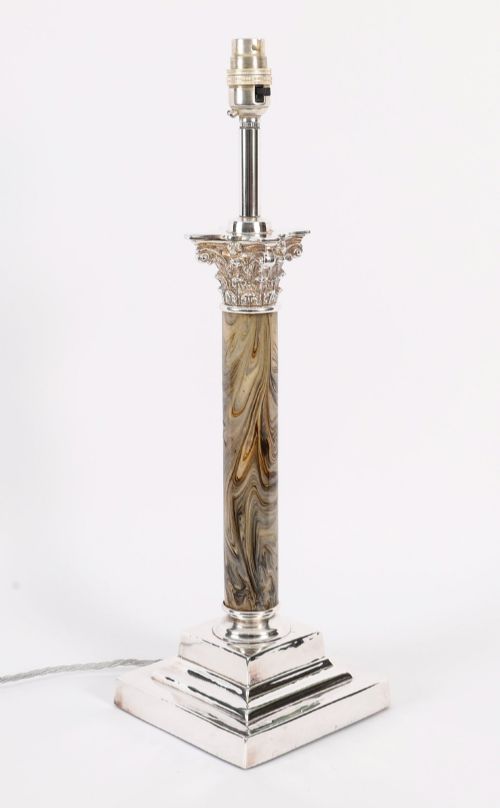
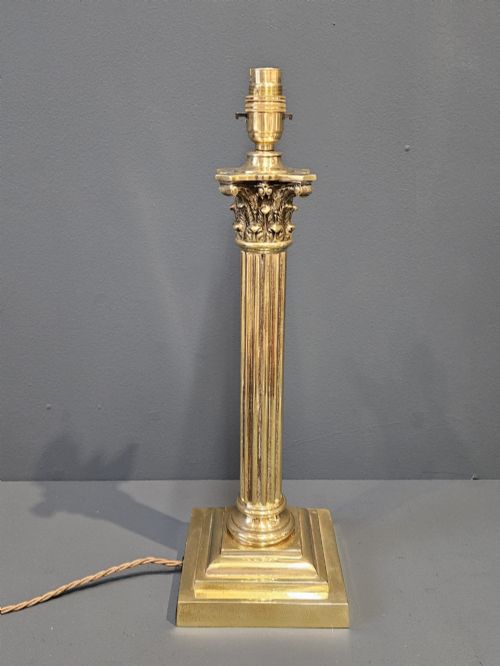
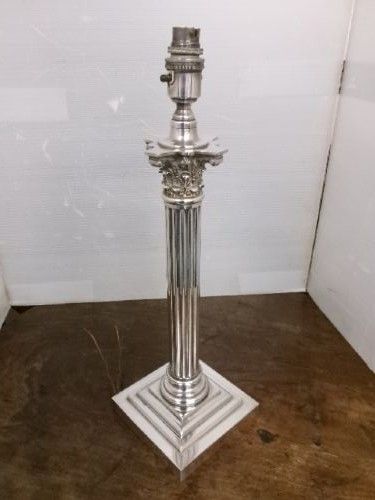
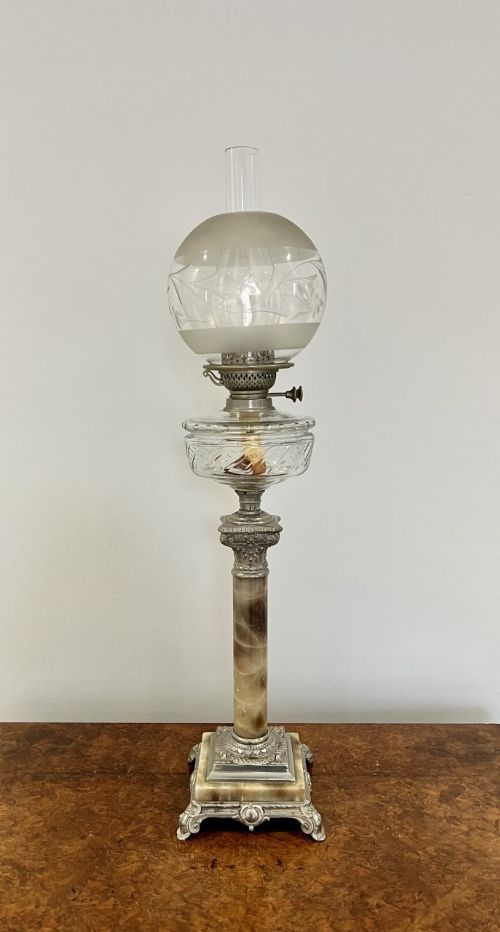
The buyer meets these pieces most frequently configured as bronze, brass, or silver-plated metal shafts topped with Corinthian or Ionic capitals. Many incorporate marble plinths or gilt ormolu mounts to heighten their decorative impact.
Materials and Construction
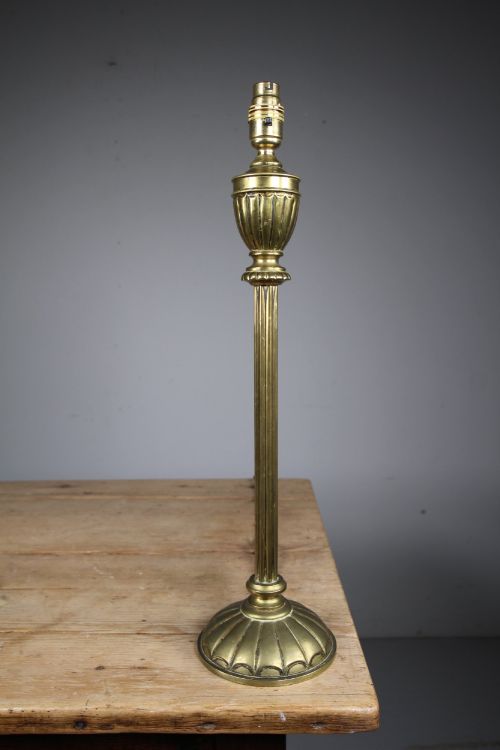
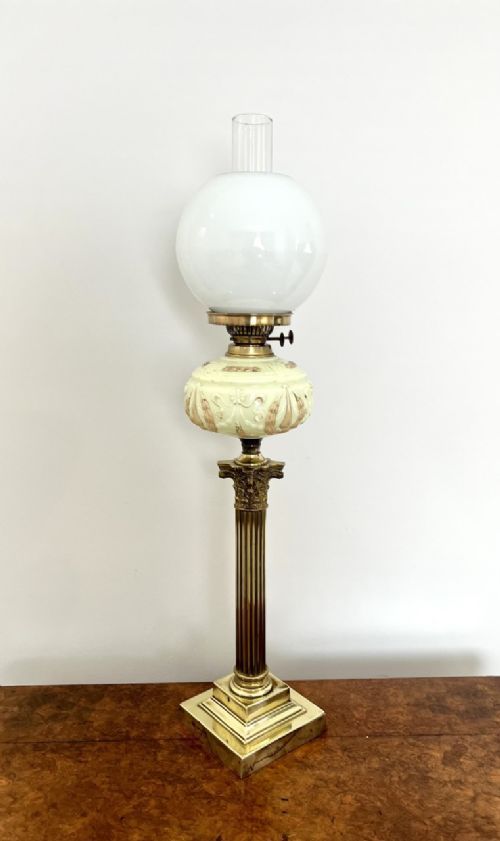
These lamps rely heavily on cast metal, utilising bronze, brass, ormolu, and silver plate to build substantial structural weight and crisp architectural detail. Elements such as Corinthian capitals are intricately cast and chased, while columns sometimes feature fluted shafts and stepped bases.
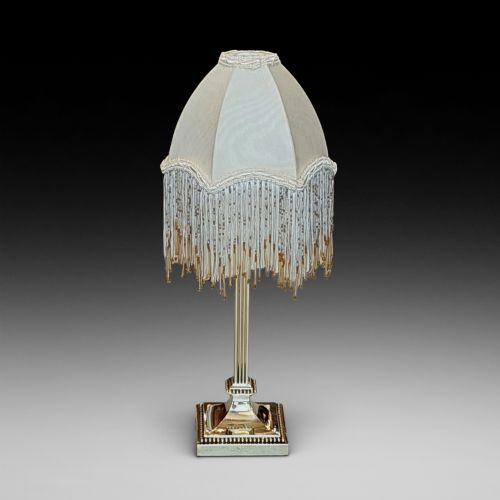
Marble frequently provides a contrasting solid plinth or central core, paired with gilt metal mounts for a rich chromatic effect. Later adaptations and standard lamps introduce telescopic mechanisms and are completed with fabric or silk shades.
Retail Price Guide 2026
Typical UK retail prices for classical column lamps, calculated from the Sellingantiques database of over a million retail prices indexed since 2003. This retail price guide relies exclusively on Sellingantiques data; no external sources or auction records are used, so the figures do not describe the wider market.
Materials across these listings span bronze, ormolu, silver plate, brass, and marble, paired with fabric and silk shades.
Distinctions in Quality
Quality in these lamps rests upon the crispness of the casting in the capital and the weight of the metal utilised in the shaft. Finer pieces display sharply defined acanthus leaves on Corinthian caps and genuine fire-gilt ormolu rather than simple modern lacquer.
The integration of materials also defines the upper tier, where solid marble plinths and heavy patinated bronze indicate superior workshop standards. Lesser examples rely on lighter gauge plated metals that lack the architectural gravitas of the best period items.
The Classical Column Lamps Glossary
- Corinthian
- An architectural column order characterised by ornate capitals decorated with rows of acanthus leaves. This capital style appears frequently on the most decorative lamp shafts.
- Ionic
- A classical column order distinguished by twin scroll-like volutes on the capital. It offers a slightly more restrained profile than the Corinthian order.
- Ormolu
- Finely ground high-carat gold mercury-gilded onto a bronze base, producing a warm yellow metallic finish. This technique adds rich decorative contrast to darker bronze columns.
- Neoclassical
- A style spanning the eighteenth and nineteenth centuries that revived the classical motifs of ancient Greece and Rome. It governs the symmetrical proportions and architectural details seen across these pieces.
- Telescopic
- A mechanism allowing a standard lamp to adjust in height. This feature occurs in tall floor-standing examples designed to alter their illumination reach.
Frequently Asked Questions
What periods do these lamps come from?
The pieces span the nineteenth and early twentieth centuries, encompassing Regency, Victorian, and Edwardian eras. Many reflect revivals of classical antiquity popular during those decades.
Craftsmen adapted older candlesticks or manufactured dedicated bases during these periods to meet changing domestic lighting needs.
How were these lamps used historically?
Many examples began life as candlesticks before conversion to electricity in later periods. They stood on side tables, mantelpieces, or as floor-standing standard lamps.
Their substantial metal and marble construction provided a stable base for illuminating formal rooms.
What materials make up the columns?
Construction relies primarily on metals such as bronze, brass, silver plate, and ormolu. Combinations frequently incorporate marble plinths for added weight and visual contrast.
Shades typically consist of fabric or silk to soften the illumination.
How do I distinguish Corinthian from Ionic capitals?
Corinthian capitals feature elaborate carved or cast acanthus leaves rising in tiers toward the top. Ionic capitals display distinctive spiral scrolls known as volutes on opposing sides.
Both styles draw directly from ancient temple architecture.