

Decorative Table Lamp
A decorative table lamp brings focus and warmth to a room, drawing on decades of diverse craft from the nineteenth and twentieth centuries.
Decorative Table Lamp
A decorative table lamp is an illuminating fitting designed to sit upon furniture, bringing concentrated light and visual interest into domestic spaces. These pieces emerge from periods ranging through the nineteenth century, the Edwardian era, and the art deco movement of the nineteen-twenties and thirties.
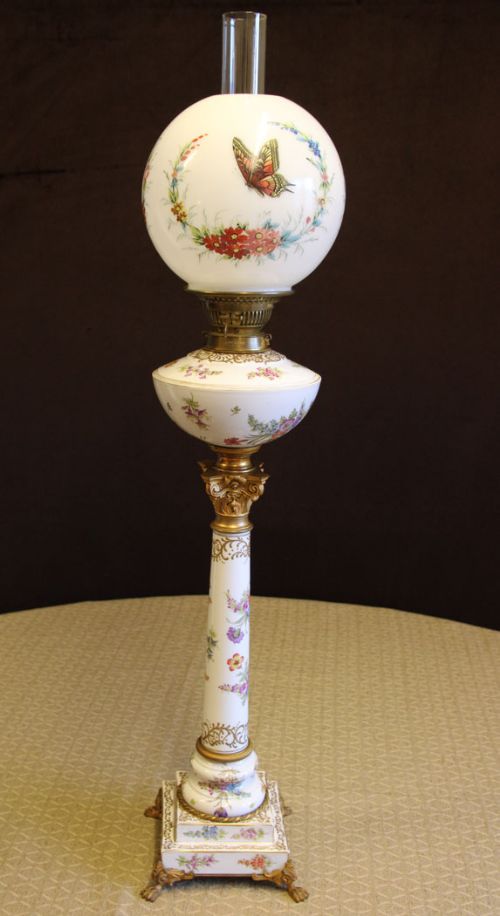
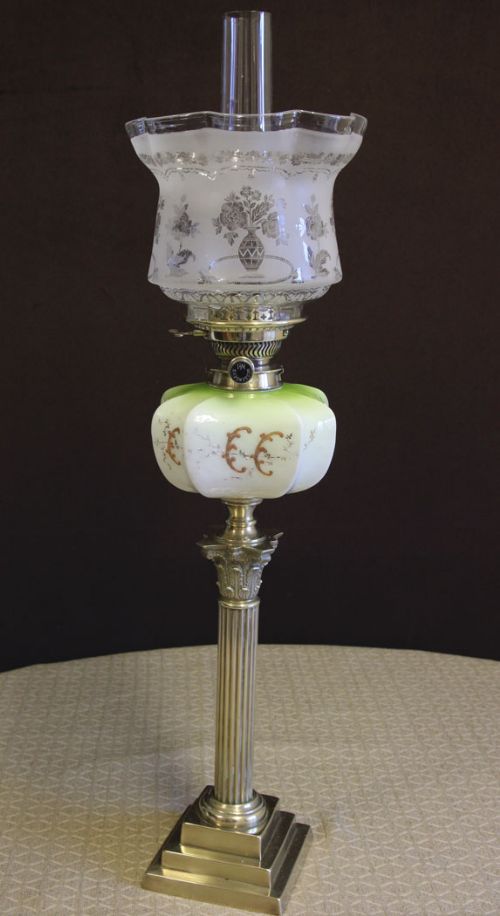
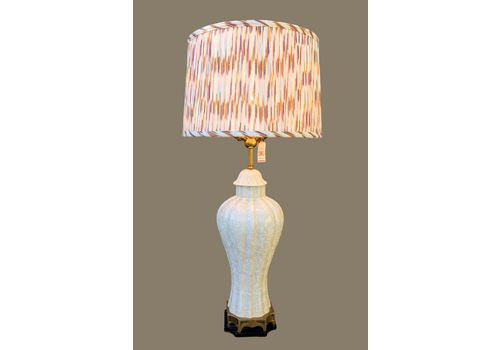
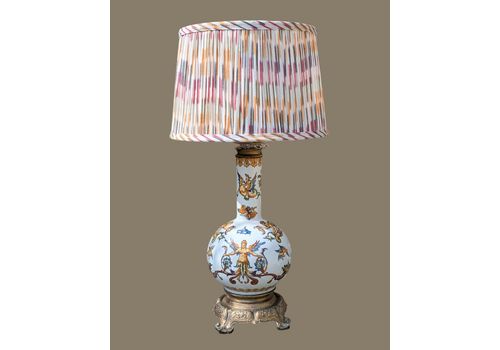
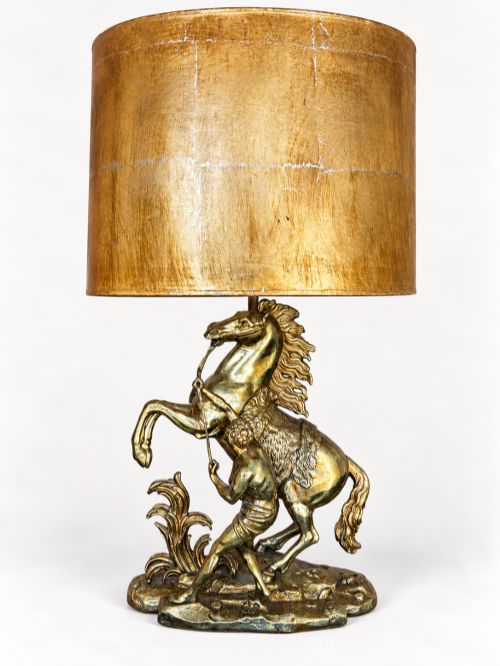
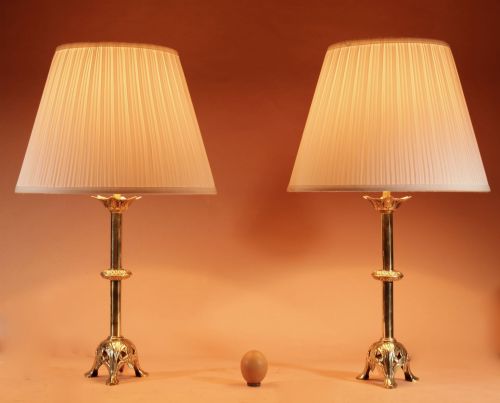
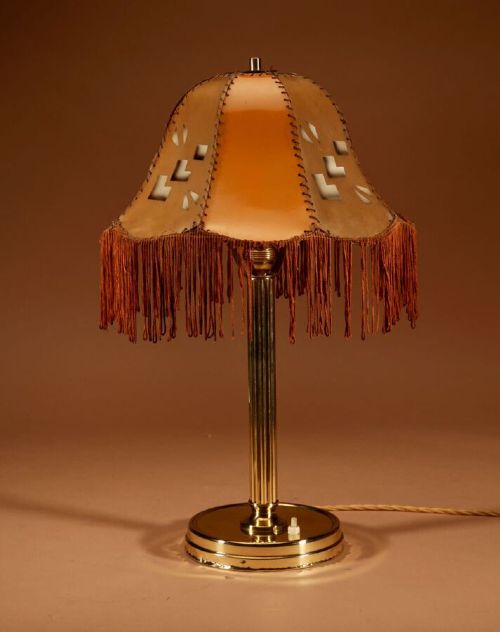
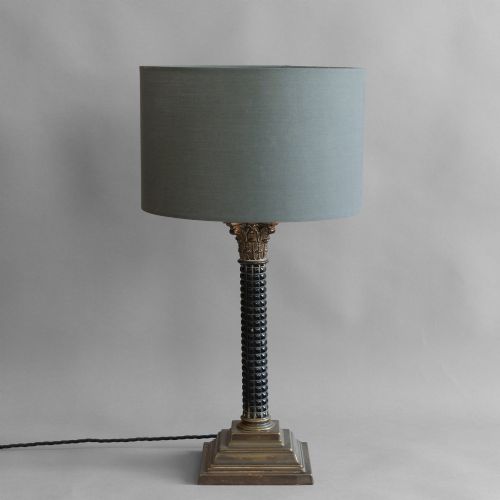
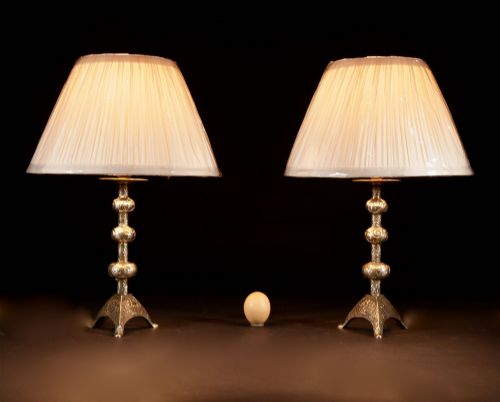
The selections span standard table lamps, converted oil lamps, and transformed vessels such as vases or tea canisters. Common examples incorporate brass columns, painted porcelain bodies, and patterned fabric shades that reflect the interior tastes of their respective decades.
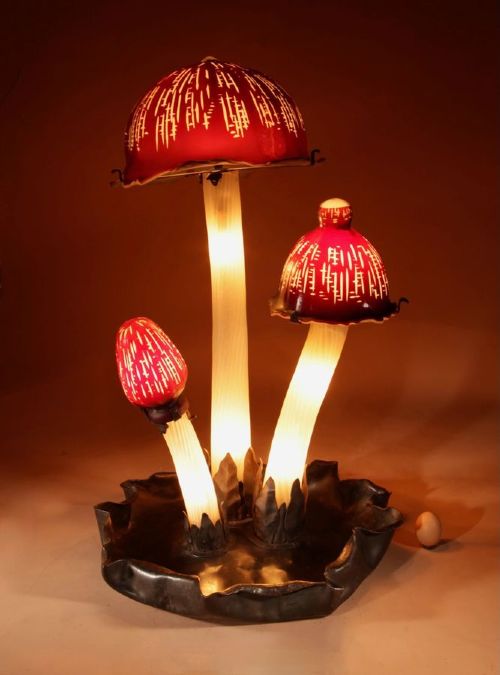
Origins vary widely across British, French, Japanese, and American workshops, introducing distinct regional materials like Satsuma pottery and Kashmiri papier-mâché. Buyers encounter everything from classical revival bronze columns to modernist mottled glass mushroom shapes.
Materials and construction methods
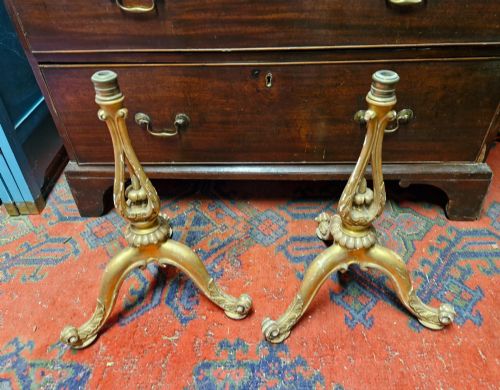
Makers utilised cast bronze, brass, and gilded metals alongside carved wood and cast iron to build sturdy structural foundations and columns. Many pieces combine these metallic elements with blown glass fonts, cut crystal bodies, or hand-painted porcelain reservoirs.
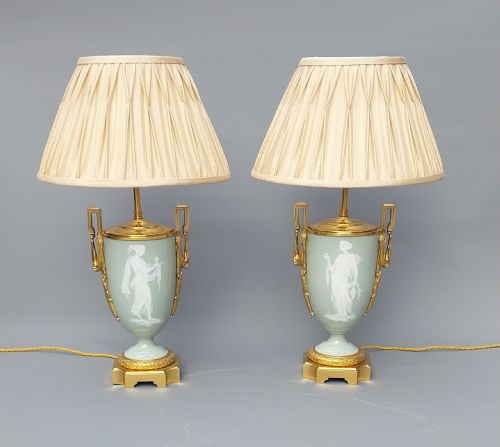
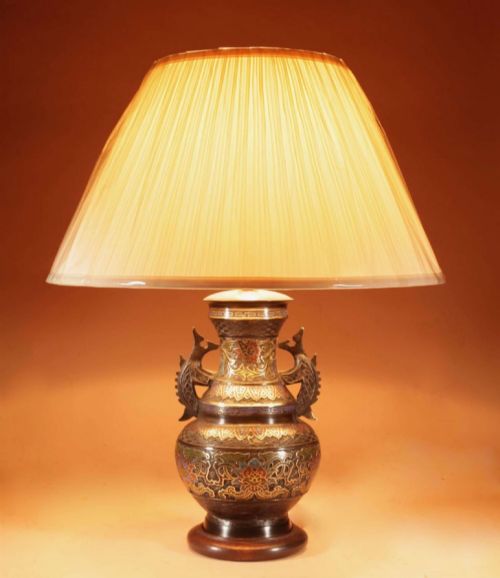
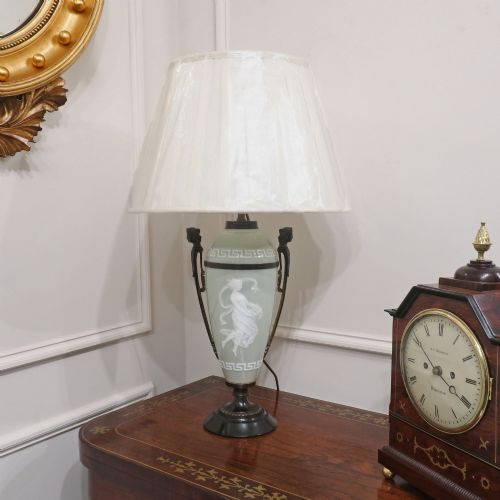
Surface decoration frequently involves intricate patination, champlevé enamelling, and pate-sur-pate porcelain detailing applied by skilled artisans. Shades employ textured fabrics, etched glass panels, or hand-painted motifs designed to diffuse light effectively.
Decorative Table Lamp Retail Price Guide 2026
Typical asking prices for decorative table lamp among the pieces listed under this phrase on Sellingantiques today, from the lower quarter to the upper quarter. They describe what is for sale here now, not the wider market.
Listings feature items from the nineteenth century, Edwardian period, and art deco era, incorporating materials such as bronze, porcelain, onyx, and cloisonné.
Distinctions in craftsmanship
Superior examples demonstrate meticulous hand-chasing on bronze mounts, precise joinery on converted vessels, and high artistic merit in painted porcelain scenes. Lesser pieces rely on standard commercial castings and repetitive factory decoration with minimal individual hand-finishing.
The integrity of the original components, such as matching burners on oil lamp conversions or intact fire-gilding, separates ordinary production from exceptional workshop output. Weight, balance, and the crispness of moulded or carved details dictate the overall standing of an individual base.
Charles Schneider·Georges Leleu·Royal Worcester·Sitzendorf·Moorcroft
The Decorative Table Lamp Glossary
- Corinthian column
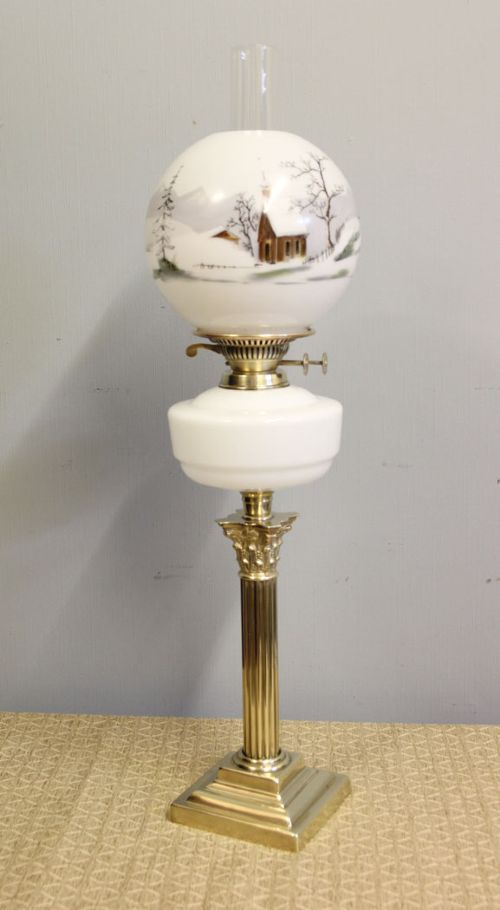
- An architectural column style featuring ornate acanthus leaves on the capital, frequently utilised for brass and bronze lamp bases.
- Pate-sur-pate
- A ceramic decoration technique where raised porcelain slip is applied in successive layers to create a cameo-like relief effect against a contrasting background.
- Champlevé
- An enamelling technique where troughs are dug into a metal surface and filled with vitreous enamel before firing.
- Ormolu
- Finely ground high-carat gold applied to a bronze base using a mercury amalgamation process, common in neoclassical lighting fixtures.
Decorative Table Lamp: Frequently Asked Questions
What is a converted oil lamp?
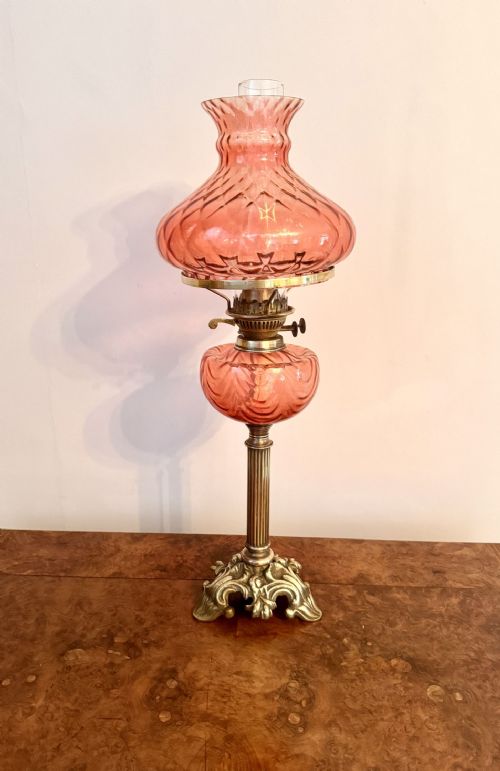
A converted oil lamp is a former burning lamp that has been adapted with electrical wiring to hold a standard bulb holder and flex.
These pieces retain their original glass fonts, brass burners, and decorative chimneys, combining historical oil-burning mechanics with modern domestic convenience.
How do I date a brass column lamp?
Dating a brass column lamp relies on examining the casting quality, base weighting, thread types, and stylistic indicators such as stepped plinths or acanthus leaf capitals.
Victorian and Edwardian examples often feature heavy sand-cast brass components with distinct patination, while later reproductions display uniform machine-finished surfaces.
Are converted vases suitable for daily use?
Converted vases make sturdy and striking table lamps provided the ceramic body has been drilled cleanly and mounted securely to a weighted base.
Buyers should inspect how the wiring passes through the vessel and ensure the weight distribution keeps the entire structure stable on a side table.
How do art deco lamps differ from earlier styles?
Art deco lamps favour geometric forms, cubist influences, and mottled glass mushroom shapes that reflect the modern industrial design ethos of the nineteen-twenties.
In contrast, earlier Victorian and Edwardian pieces rely heavily on classical revival motifs, floral porcelain paintings, and ornate Corinthian brass columns.