

Antique Ormolu Lamp
When you search for an antique ormolu lamp, you enter a world of gilded bronze and polished stone designed to catch the candlelight.
Antique Ormolu Lamp
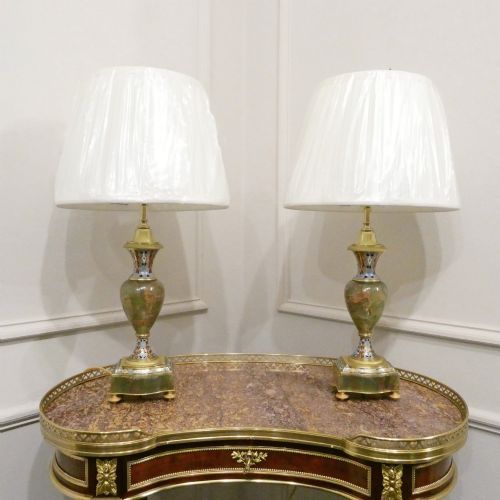
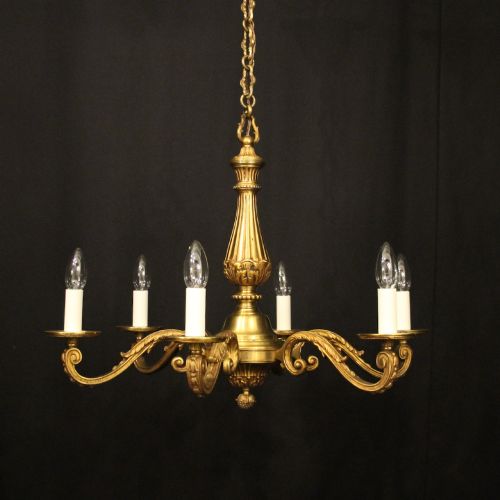
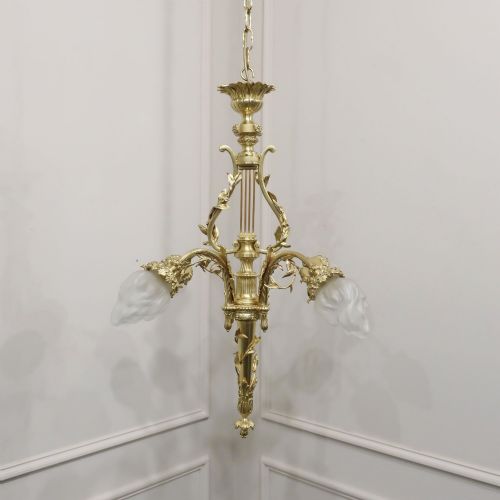
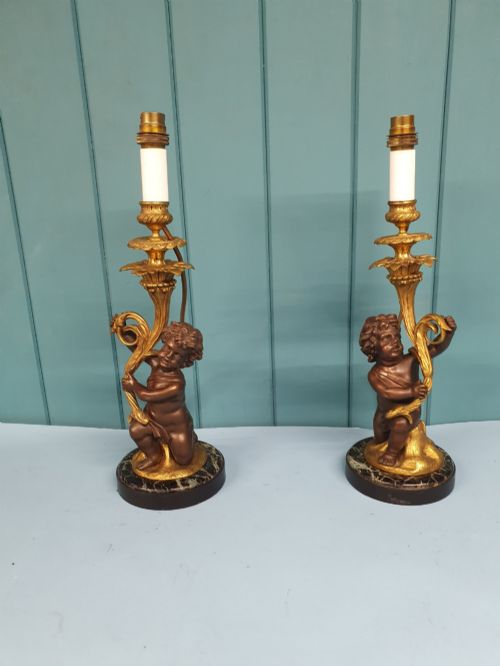
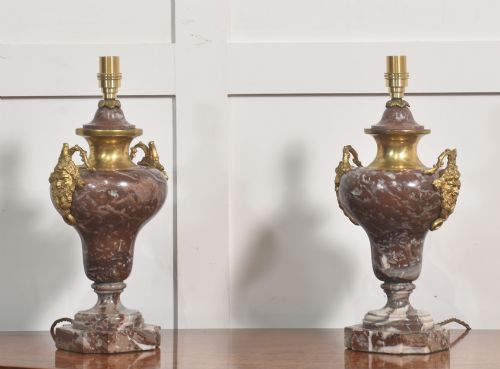
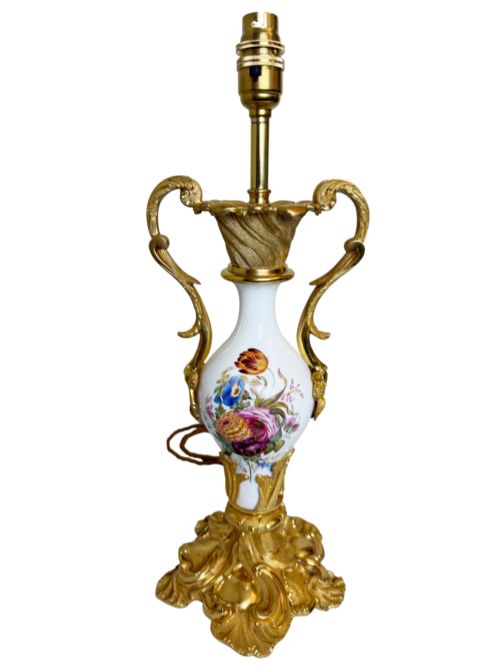
An antique ormolu lamp combines cast bronze with mercury gilding, often paired with bodies of porcelain, onyx, marble, or crystal. These domestic light fittings emerge from nineteenth-century workshops inspired by earlier French royal court aesthetics.
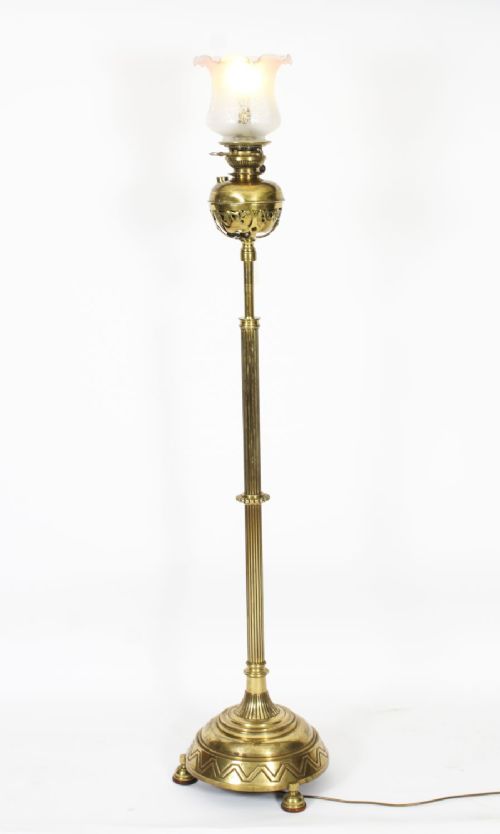
Table lamps dominate the selection, frequently appearing in matched pairs alongside floor-standing oil lamps and converted candlesticks. Many specimens integrate contrasting materials such as kingwood, walnut, and glazed ceramics within their mounts.
The prevailing styles lean heavily towards French Rococo Revival, Louis XV, Louis XVI, and Empire designs. Pieces date principally from the nineteenth century through the early twentieth century, reflecting varied interpretations of neoclassical and baroque motifs.
How they were made
The manufacturing process begins with casting bronze or brass components, which receive detailed hand-chasing to sharpen the surface ornamentation. Craftsmen then apply a layer of gold amalgam, heating the metal to drive off the mercury and leave a bonded gold finish known as ormolu.
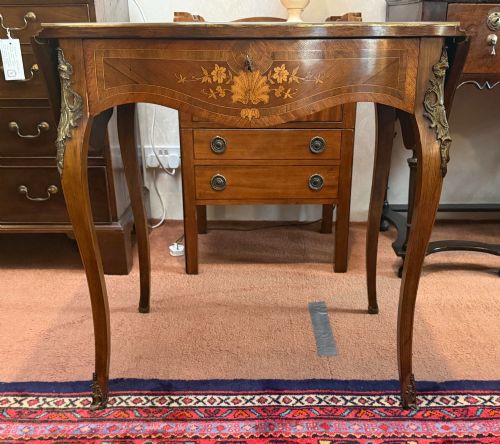
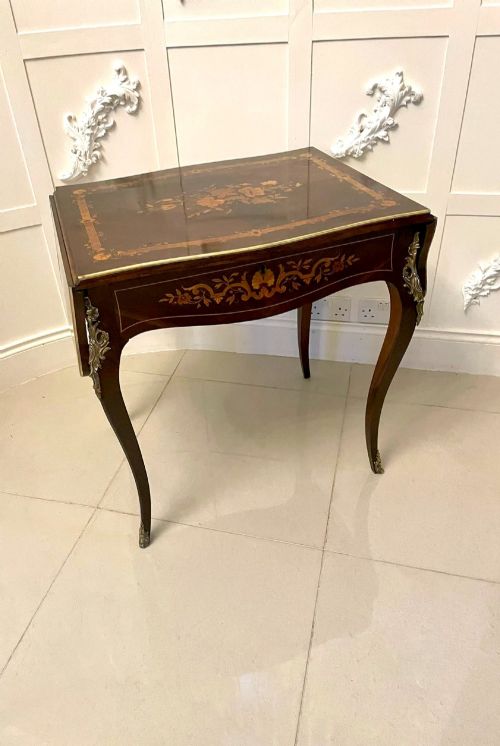
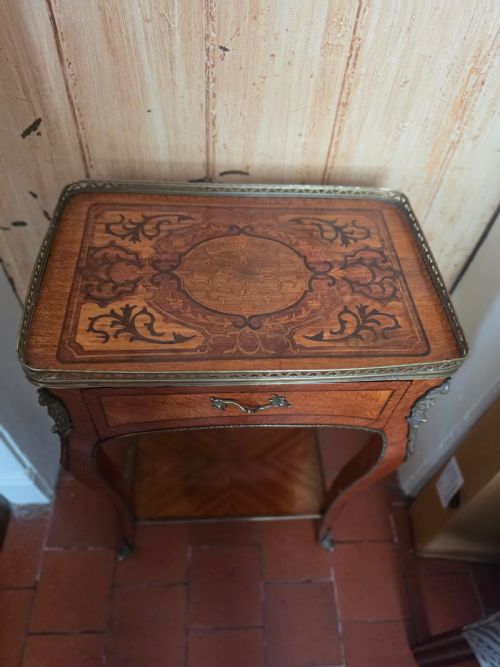
Stonemasons shape the complementary elements of onyx, marble, and porcelain to fit the metal collars and bases. Cabinetmakers construct supportive wooden bodies in kingwood or mahogany, incorporating marquetry inlay before securing the cast metal mounts.
Listings feature items dated from the early nineteenth century through the 1930s, constructed in brass, gilt bronze, marble, porcelain, and various hardwoods.
What varies in quality
The crispness of the bronze chasing separates basic production from exceptional work, determining whether leaf and scroll motifs remain sharp or appear soft. Heavier casting weights and deeper gilding layers indicate superior workshop standards during the manufacturing process.
The selection of the underlying body material dictates overall grade, with unblemished variegated marble, fine porcelain, and figured kingwood commanding higher regard. The integration between metal mounts and stone or ceramic bodies reveals the precision of the original assembly.
François Linke·Pierre-Jules Cavelier
The Antique Ormolu Lamp Glossary
- Ormolu
- Gilt bronze produced by applying a mercury-gold amalgam to cast metal and heating it until the mercury vaporises. This technique leaves a durable, rich golden surface typical of nineteenth-century decorative hardware.
- Chasing
- The manual tooling of cast metal using hammers and punches to refine details and add texture. This step distinguishes high-grade bronze work from unrefined factory castings.
- Marquetry
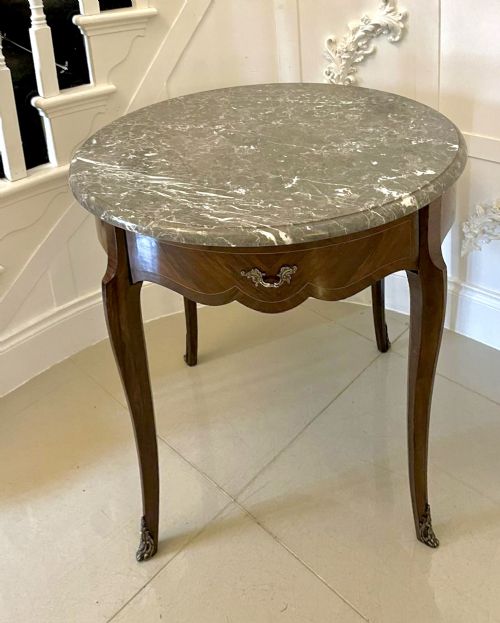
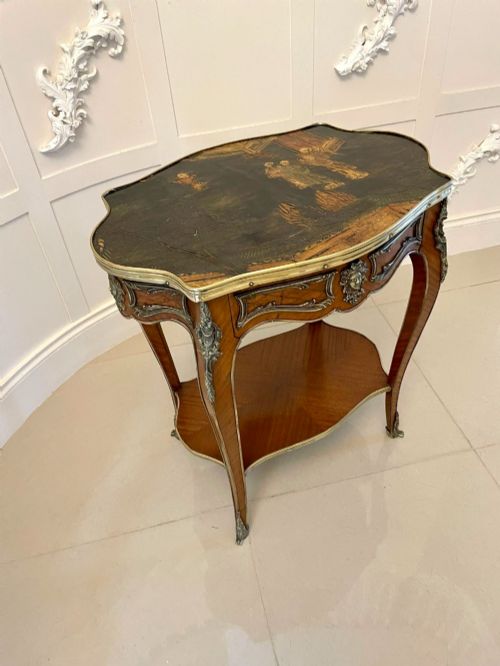
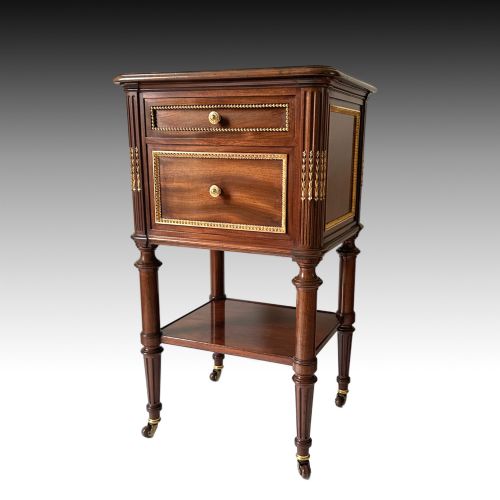
- The art of applying decorative veneer pieces in various woods to a structured surface to form geometric or floral patterns. It appears frequently on the tables and cabinets associated with these lamps.
- Sevres style
- A term describing porcelain decorated in the manner of the royal French factory, usually featuring cobalt blue grounds and gilded highlights. These ceramic bodies frequently form the central columns of mounted lamps.
- Column lamp
- A lighting form modelled on classical architectural orders such as Corinthian or Doric. These pieces use stone or metal shafts standing on square or stepped bases.
Antique Ormolu Lamp: Frequently Asked Questions
What is an ormolu lamp?
An ormolu lamp is a lighting fixture mounted with gilded bronze, produced largely across the nineteenth century in European workshops. These pieces often combine metal mounts with bodies of marble, porcelain, or onyx.
Such lamps originated as oil-burning or candle-lit items before undergoing later conversion to electricity. Their decorative vocabulary draws heavily from French neoclassical and rococo revival styles.
How do I date an ormolu lamp?
Dating relies on examining the casting quality, the style of the mounts, and the materials used for the central body. Nineteenth-century examples often display hand-chased bronze work and traditional assembly methods.
Makers frequently referenced eighteenth-century court designs, meaning stylistic details must be cross-referenced with construction wear and wiring ports.
Where were these lamps made?
The majority of these pieces originate in France, particularly in Parisian workshops specialising in bronze-founding and cabinet-making. Similar items also emerged from British and Italian makers adopting continental revival styles.
Export markets also contributed porcelain bodies from Asia, which European workshops subsequently mounted in ormolu.
How do I care for ormolu?
Maintenance requires gentle dusting with a soft cloth to prevent particulate accumulation on the gilded surfaces. Avoid abrasive cleaners or chemical polishes that can strip the delicate gold layer from the bronze.
Stone and ceramic components should be wiped with a dry or barely damp cloth, taking care not to expose vintage wiring or historical materials to excess moisture.