



English Regency Lamp
When sourcing an english regency lamp, you are investing in formal lighting and occasional furniture designed to illuminate period interiors with striking sculptural presence.
English Regency Lamp
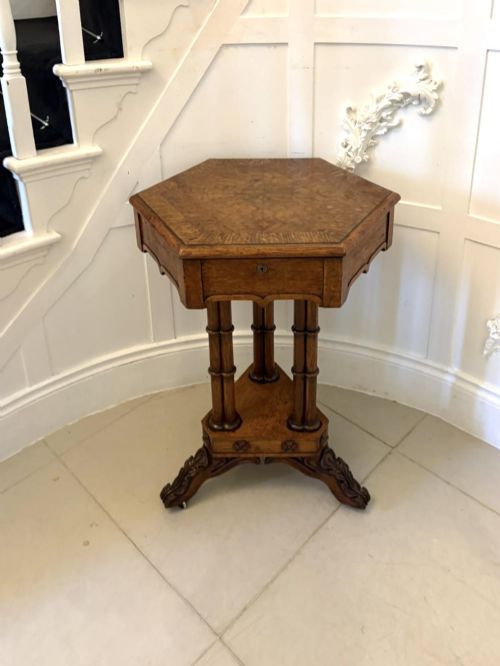
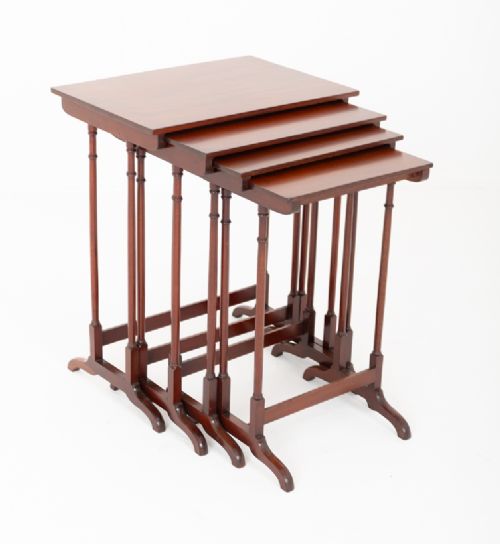
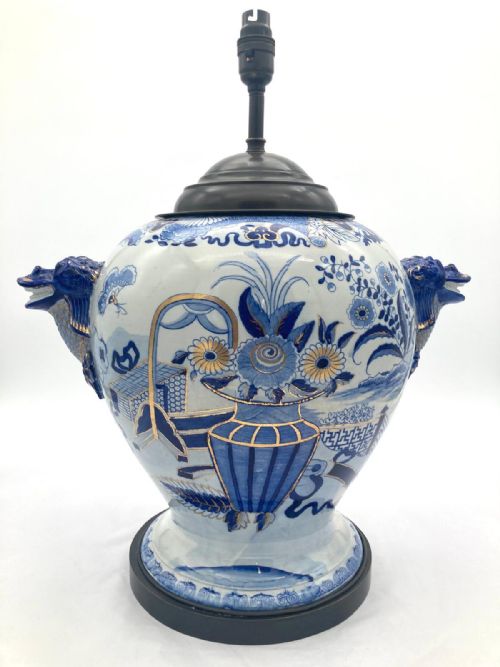
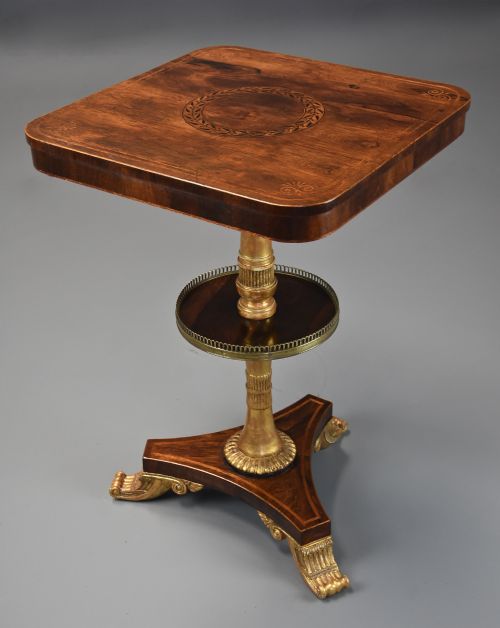
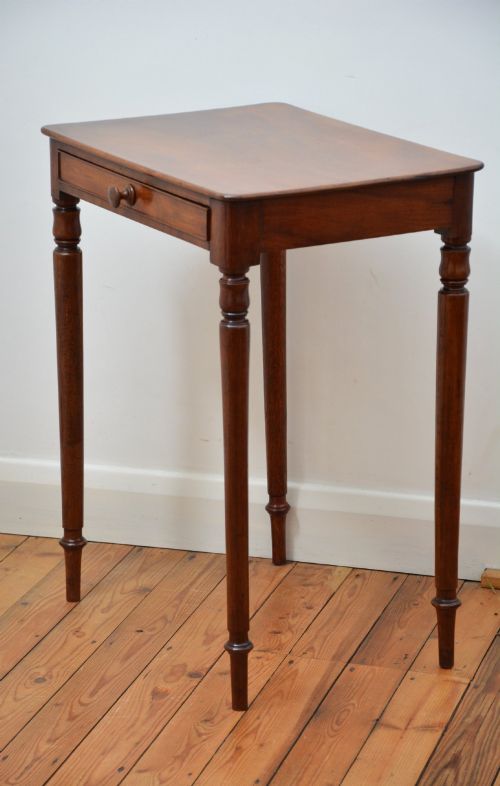
The search for an english regency lamp encompasses both original period lighting and traditional occasional tables that frequently serve as lamp stands today. Many entries are adapted from related forms, including small wine tables, torchere stands, and occasionally converted ceramic vases.
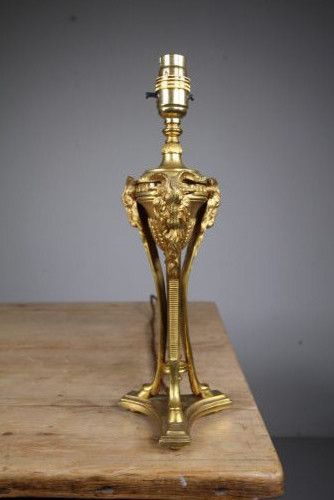
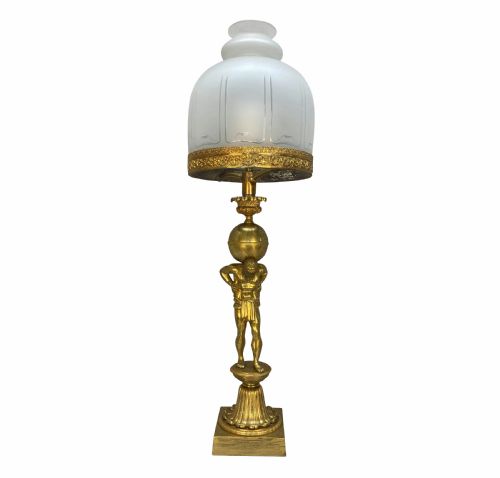
Original lighting pieces typically take the form of heavy metal column lamps, gilt-bronze figural mounts, or cut-glass chandeliers and wall sconces. Tables found in these listings rely on compact circular tops, tripod bases, and drop-leaf mechanisms designed for domestic drawing rooms.
Dating ranges from the strict Regency era and William IV periods through later nineteenth-century revivals and early twentieth-century reproductions. Buyers encounter rich timbers like mahogany and rosewood alongside polished brass and ormolu finishes.
Quality Variations
Excellence in these pieces rests upon the crispness of the casting detail in metal mounts and the depth of figure selected for timber veneers. Superior examples display sharply rendered ornamentation on ormolu figures and seamless joinery on small tripod wine and lamp tables.
Proportion and stability dictate the standing of a piece, with finer items maintaining balanced weight distributions across slender tripod legs and heavy pedestals. Lesser examples show simpler turning, flat timber grain, or clumsy conversion work on items originally built for other domestic duties.
The archive demonstrates a strong preference for figured mahogany, rosewood veneers, and cut crystal across both tables and hanging chandeliers.
George Bullock·George Smith·Druce and Co·Hicks and Meigh
The English Regency Lamp Glossary
- Ormolu
- Gilt bronze ornamentation applied to furniture and lighting fixtures. This decorative technique involves amalgamating gold onto a bronze base through fire-gilding.
- Torchere
- A tall stand or pedestal originally designed to hold a candle or torch. These pieces often feature tripod bases and elevated platforms suitable for lamps or plant displays.
- Pembroke table
- A small rectangular drop-leaf table with hinged flaps on either side. These versatile items frequently double as side tables or lamp stands in drawing rooms.
- Tripod table
- A small occasional table supported by a pillar above three spreading legs. They appear frequently in wine and lamp table formats from the early nineteenth century.
- Regency revival
- A stylistic movement occurring around the late nineteenth and early twentieth centuries. Craftsmen during this era reproduced the distinct neoclassical lines of the original Regency period.
English Regency Lamp: Frequently Asked Questions
Are these lamps originally wired for electricity?
Most antique lamps and chandeliers from this period have undergone modern rewiring to meet contemporary safety standards. Earlier metal and ceramic bodies were often adapted from candlesticks, oil fittings, or decorative vases during subsequent decades.
Buyers should inspect the cord exit points and bulb holders to determine the nature of any conversion work. Professional PAT testing is recommended for all vintage lighting fixtures upon purchase.
How do I use a small wine table as a lamp base?
Small wine tables and torchere stands provide ideal compact surfaces for heavy table lamps beside armchairs or reading desks. Their sturdy tripod bases and small footprints allow them to fit into tight corners where standard side tables might fail.
Ensure the weight of the lamp matches the stability of the table top, particularly on tilt-top mechanisms. Solid mahogany and yew pedestals offer sturdy support for heavy brass or glass lighting bodies.
How can I tell a Regency piece from a revival?
Original pieces from the early nineteenth century display distinct timber patination, hand-cut joinery methods, and period-specific brass fittings. Grain patterns on tabletops often show genuine age-related oxidation and minor wear consistent with domestic use.
Revival items from the Edwardian era or the nineteen-twenties typically feature more uniform machine finishes and modern hardware inside drawers. Examining the secondary timbers beneath tabletops and inside drawer linings usually clarifies the exact period.
What is the difference between ormolu and brass?
Ormolu consists of a high-grade bronze base treated with a fine gold mercury finish to produce a rich, warm metallic lustre. It was reserved for high-status decorative mounts on furniture and elite table lamps.
Standard brass is a copper and zinc alloy used for structural components, drawer pulls, and utilitarian hardware. Brass requires periodic polishing to maintain its brightness, whereas quality ormolu retains its subdued golden tone.