



Classical Bronze Candlesticks
Classical bronze candlesticks bring architectural dignity and warm metallic weight to an interior, channelling neoclassical restraint through heavy metal and stone.
Classical Bronze Candlesticks
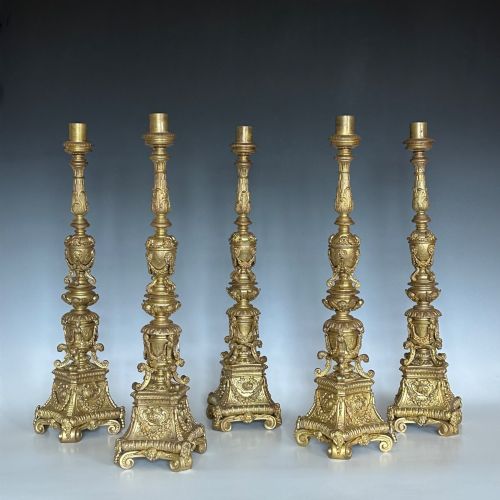
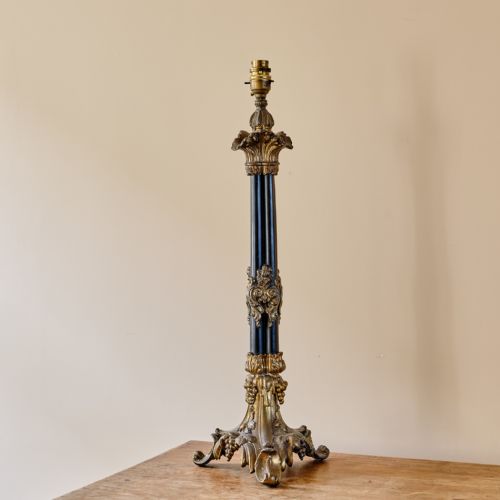
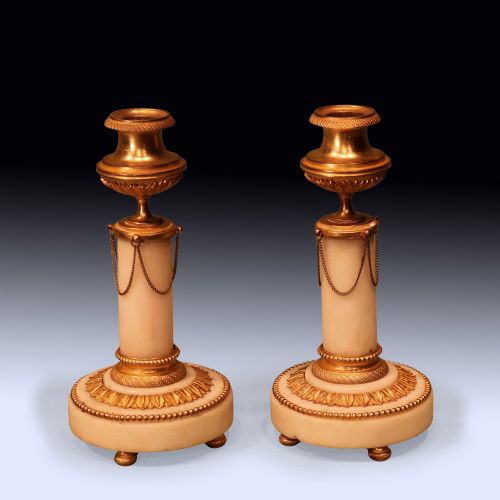
Classical bronze candlesticks combine heavy cast metal with classical motifs, frequently appearing as pairs designed for mantelpieces and sideboards. These items span periods from the eighteenth century through the nineteenth century, encompassing Regency, French Empire, and Louis XVI styles.
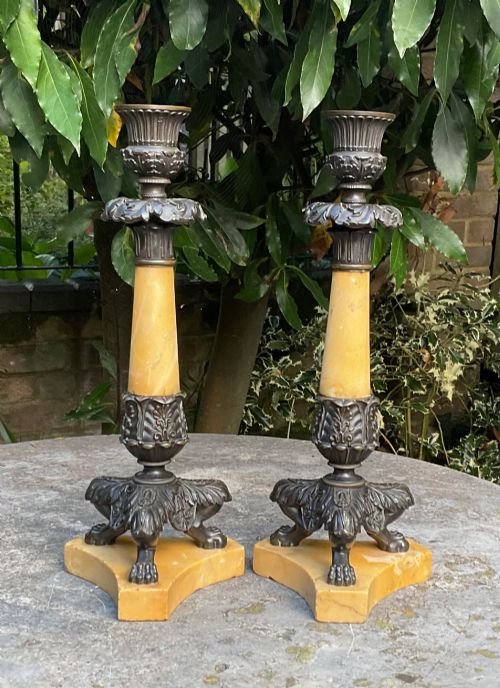
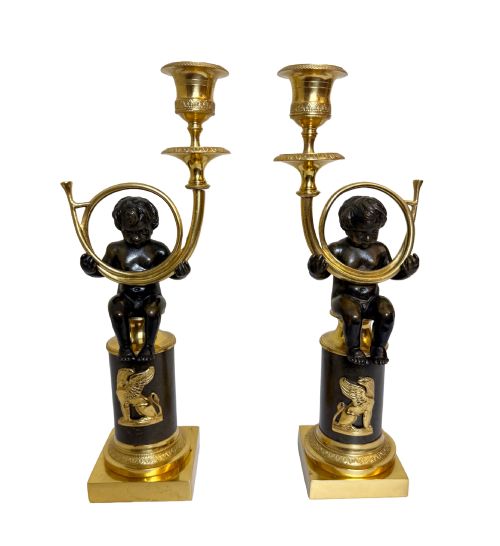
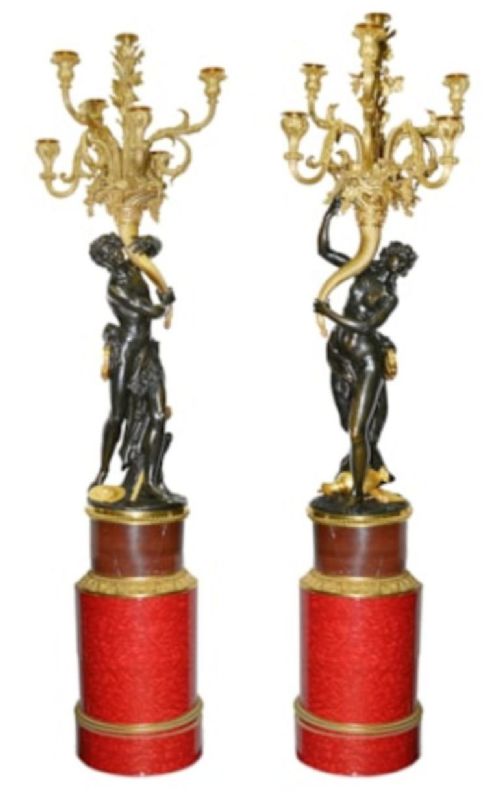
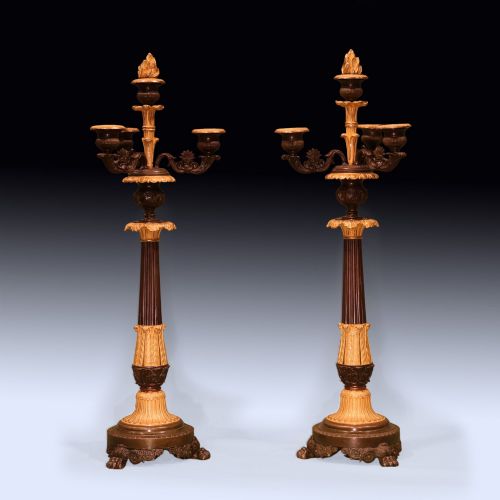
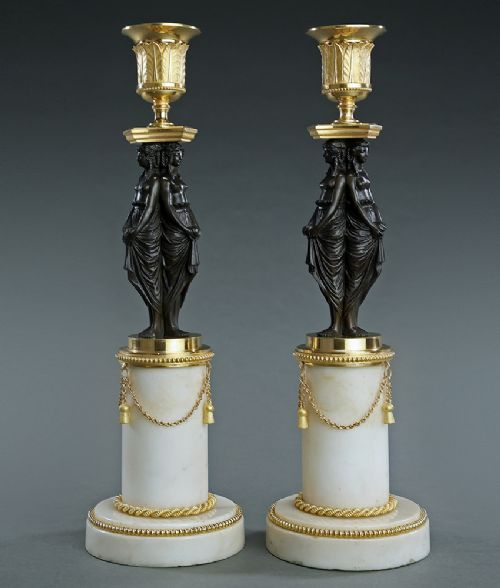
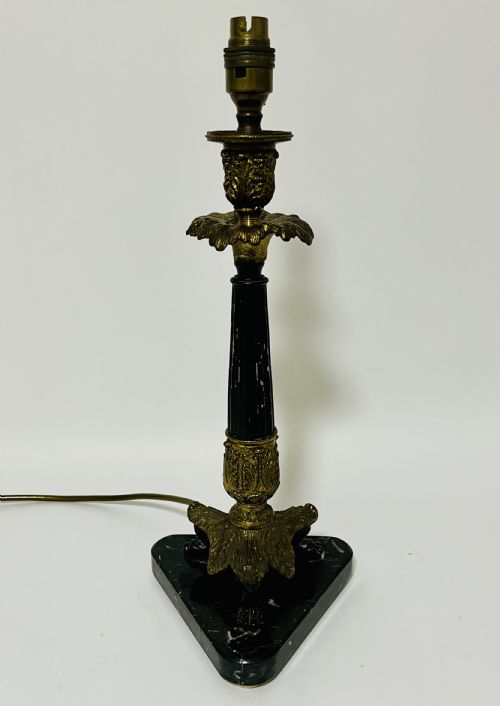
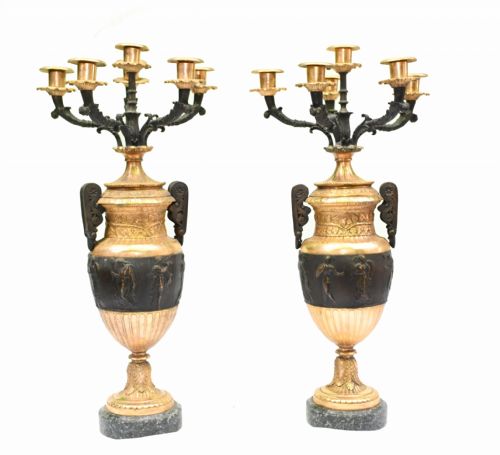
Buyers most commonly encounter paired examples featuring patinated bronze alongside gilt ormolu, often raised on marble or slate bases. The forms range from simple columnar shafts to figurative candelabra bearing cherubs, caryatids, and mythological figures.
Materials and Casting
Foundries produced these pieces using traditional sand casting or lost-wax methods, working primarily in bronze, ormolu, and gilded brass. Artisans then applied chemical patination to create dark, uniform surfaces or highlighted specific details with gold leaf.
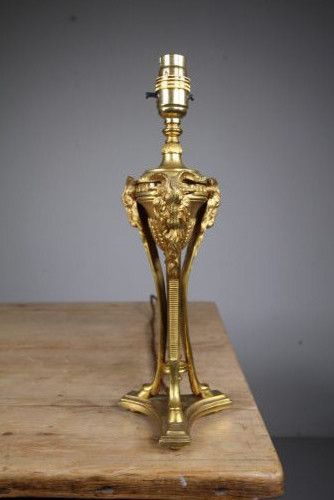
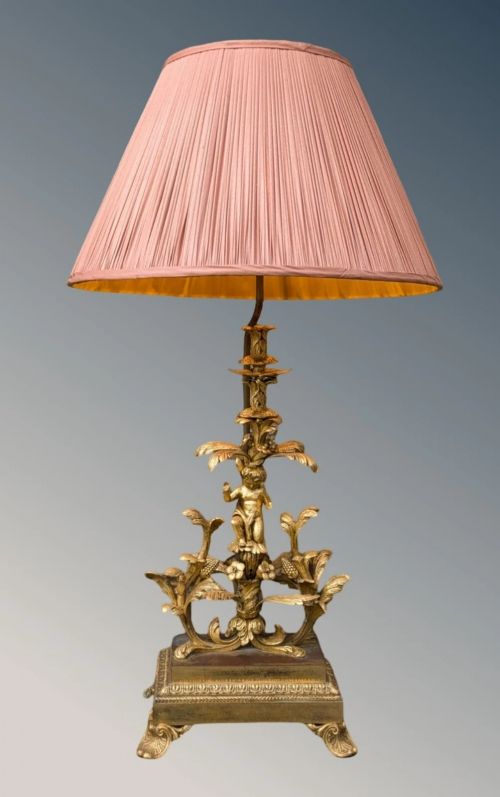
Many examples incorporate secondary materials like white marble, slate, and onyx into the bases to provide necessary counterweight and visual contrast. Silk and fabric elements appear on variants that have undergone conversion into table lamps.
Classical Bronze Candlesticks Retail Price Guide 2026
Typical asking prices for classical bronze candlesticks among the pieces listed under this phrase on Sellingantiques today, from the lower quarter to the upper quarter. They describe what is for sale here now, not the wider market.
Several four seasons candlesticks depict winter wrapped heavily in bronze drapery, standing eternally ready to hold a candle against the dark.
Design and Finish
Quality rests upon the crispness of the chasing and the depth of the original gilding, where superior examples retain sharp relief in hair, drapery, and acanthus leaves. Weaker pieces display softened contours resulting from worn moulds or heavy cleaning.
The integration of the base materials also separates grades, with finer specimens utilising solid marble or slate fitted tightly to heavy cast bronze mounts rather than lightweight substitutes.
Thomas Hope·Dugourc
The Classical Bronze Candlesticks Glossary
- Ormolu
- Gilded bronze produced by applying a mercury-gold amalgam to a bronze base and heating it. This technique creates a durable, warm metallic finish characteristic of French decorative arts.
- Patinated bronze
- Metal treated with chemical solutions to produce a darkened surface colour. This finish highlights the bright gilt details that sit alongside it.
- Candelabra
- A branched candlestick holding multiple lights on a single base. These often feature removable arms to allow conversion back to single shafts.
- Neoclassical
- A style drawing inspiration from classical antiquity, particularly Greek and Roman architecture. It emphasises symmetry, straight lines, and classical motifs like columns and urns.
- Caryatid
- A sculpted female figure serving as an architectural support. These figures frequently form the central shaft of the candlestick.
Classical Bronze Candlesticks: Frequently Asked Questions
What are classical bronze candlesticks?
These pieces are heavy metal lighting devices cast in bronze, often accented with ormolu and supported by marble bases. They draw on ancient architectural forms and neoclassical design.
Makers produced them in pairs for formal rooms, combining utility with sculptural decoration that reflected classical antiquity.
How were they used historically?
Owners placed them on mantelpieces, dining tables, and sideboards to provide ambient illumination by candlelight during the evening. Multiple branch versions lit larger reception rooms.
Their substantial weight kept them stable while servants carried them between rooms or tended to the flickering flames.
Can I convert them into lamps?
Many surviving examples have been wired for electricity over the past century to suit modern living requirements. This adaptation often uses the existing central bore without damaging the original bronze casting.
Reversible wiring methods allow collectors to preserve the historical integrity of the piece while utilising it as a table light.
How do I date these pieces?
Dating relies on stylistic clues, casting techniques, and the combination of materials like ormolu, patinated bronze, and marble. Regency and French Empire pieces show distinct neoclassical discipline compared to later revival styles.
Examining the construction of the base and the wear on the metal surfaces helps determine whether a piece originates from the eighteenth or nineteenth century.