

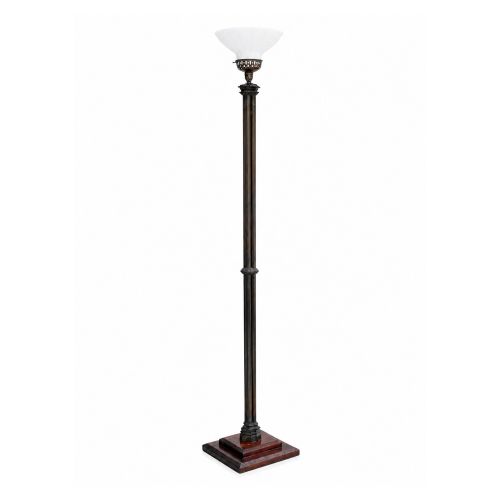
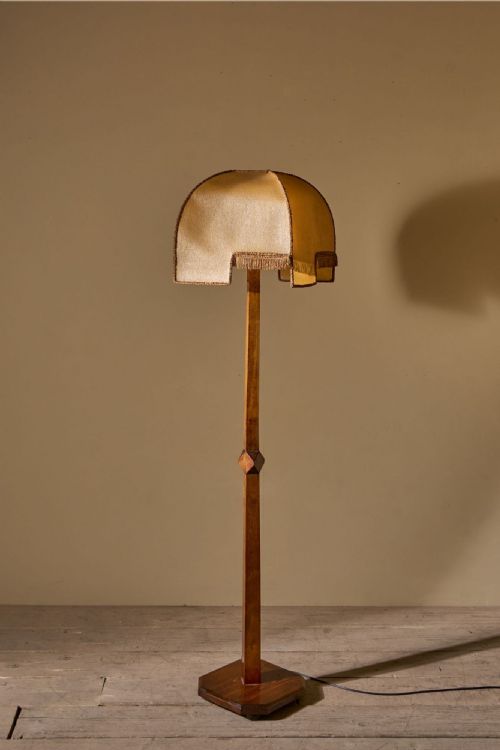
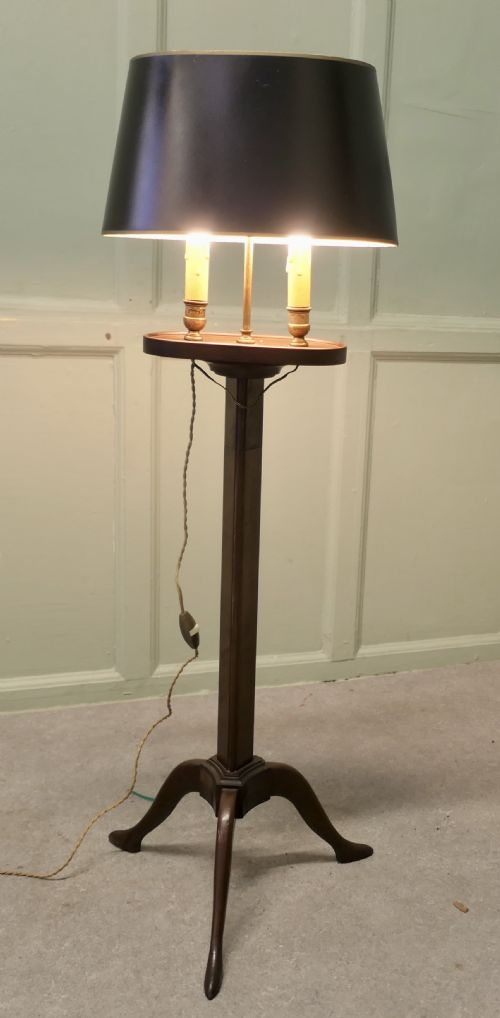
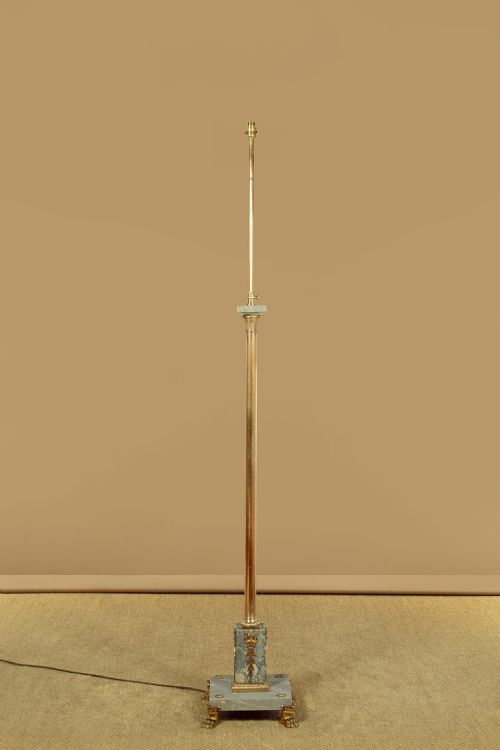
Vintage Floor Light
A vintage floor light brings height and character to a room, offering both practical illumination and sculptural presence.
What vintage floor lights are
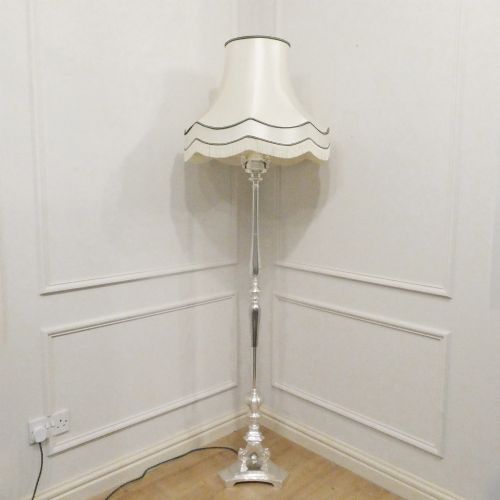
A vintage floor light stands tall to illuminate a corner or seating area without requiring table space. These pieces serve as functional sculpture, anchoring a room with distinct vertical form.
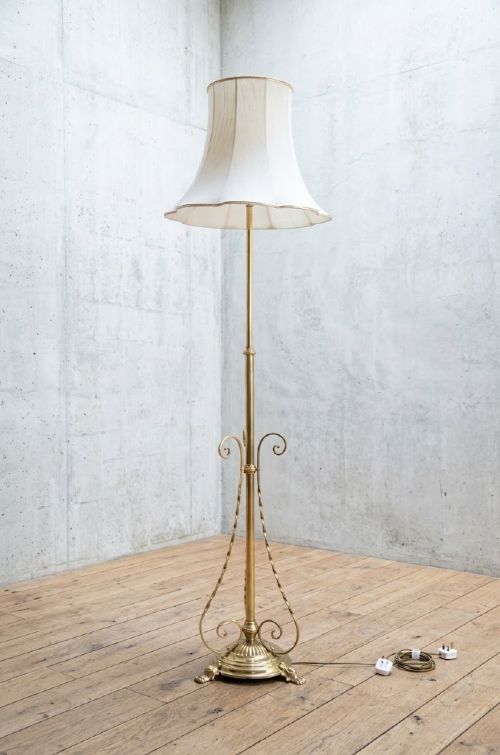
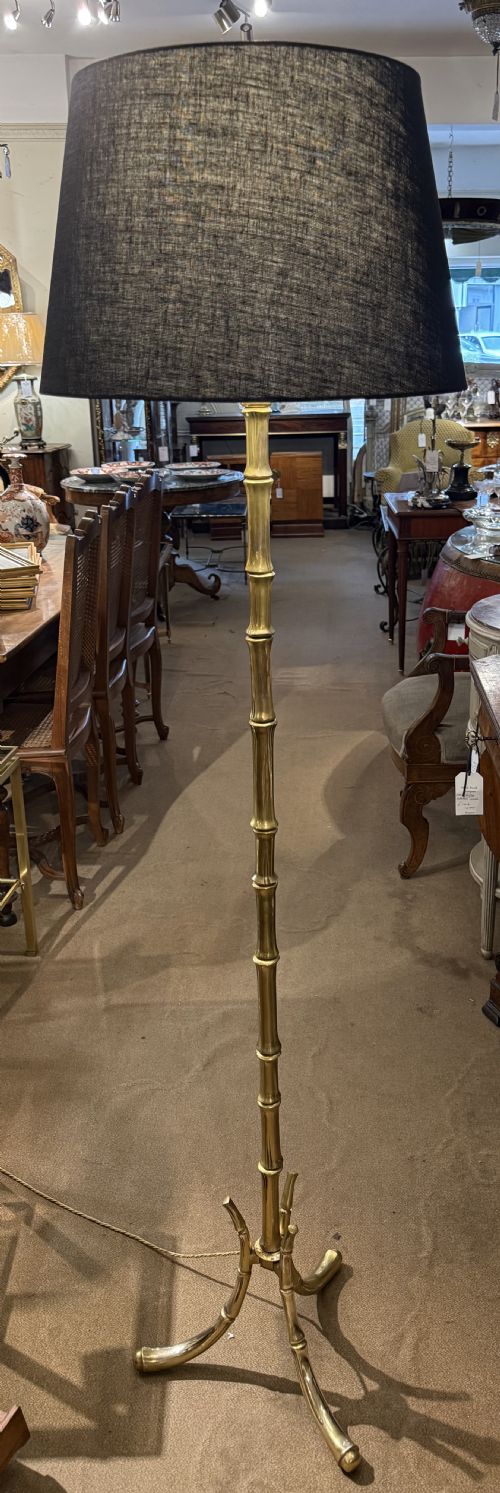
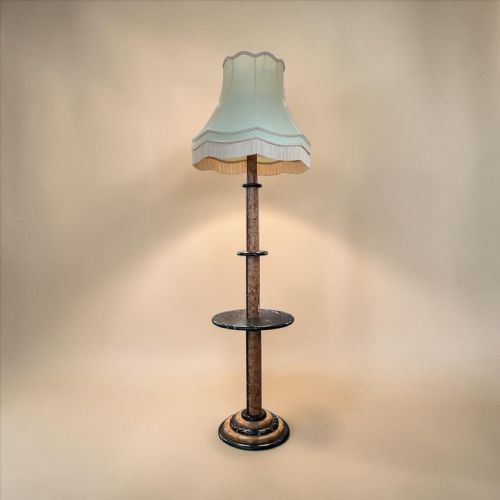
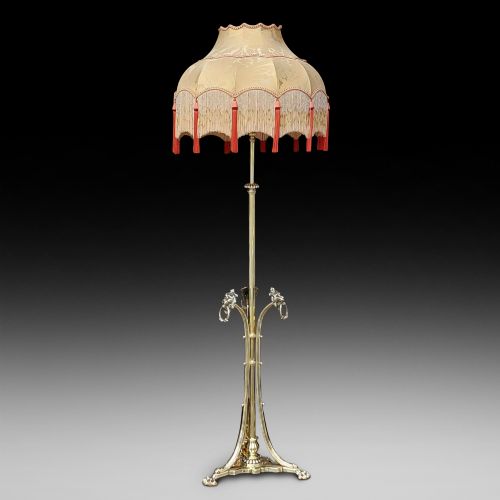
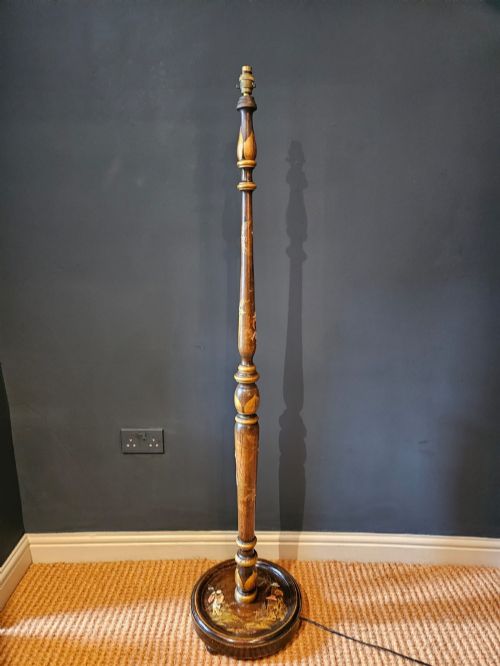
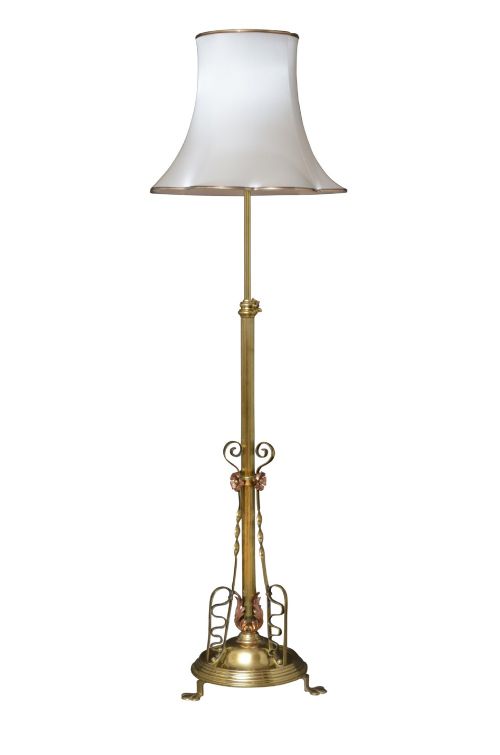
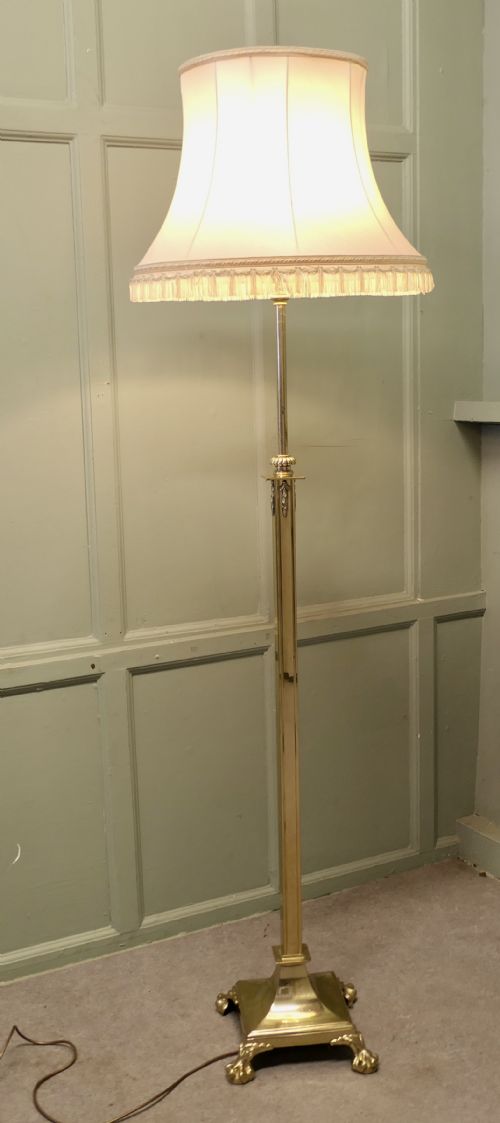
The selection ranges from marble standard lamp tables dated 1930 to 19th-century Art Nouveau brass standard lamps. Buyers frequently encounter standard lamps from the 1930s alongside carved Kashmiri examples from around 1900.
Styles span Art Deco, Neoclassical Revival, Art Nouveau, Anglo-Indian, and Louis XVI style. Each period brings a distinct silhouette and ornament to the floor lamp category.
How they were made
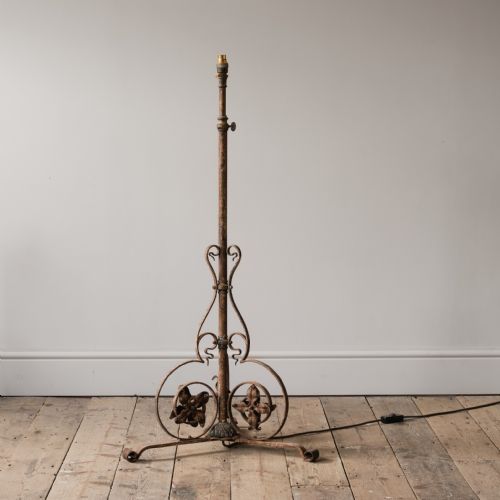
Construction relies on solid marble, wood, iron, and cast brass. Giltwood, gesso, gold leaf, and gilded ormolu provide reflective surfaces on decorative stands.
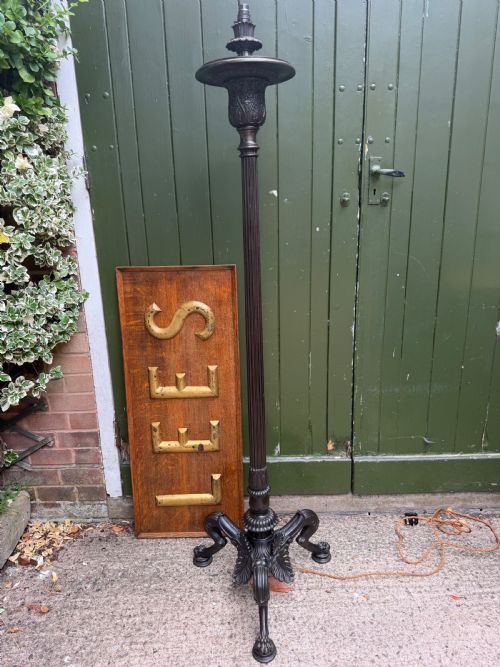
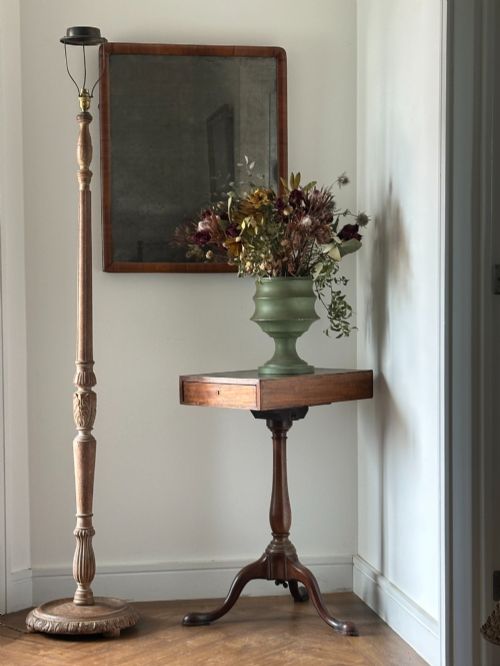
Carving defines pieces such as the Kashmiri standard lamp from circa 1900, while metalwork shapes the Art Nouveau brass designs. Fabric shades complete the composition on standard lamps.
Retail Price Guide 2026
Typical UK retail prices for vintage floor light, calculated from the Sellingantiques database of over a million retail prices indexed since 2003. This retail price guide relies exclusively on Sellingantiques data; no external sources or auction records are used, so the figures do not describe the wider market.
Materials across the listings include brass, fabric, marble, giltwood, wood, gesso, gold leaf, and iron.
What varies in quality
Quality rests upon the integrity of the materials, from heavy solid marble bases to intricate hand carving in wood. The weight and stability of a standard lamp indicate the robustness of its construction.
Refinement in surface finish separates standard production from superior work. Gilding, ormolu detailing, and surface patination show the level of artisan skill applied during manufacture.
The Vintage Floor Light Glossary
- Standard lamp
- A tall floor lamp designed to stand independently and hold a light fixture at height. This term appears frequently in British listings for vintage floor lights.
- Ormolu
- Cast brass that has been gilded with gold, often seen on Louis XVI style standard lamps. The technique creates a rich metallic lustre.
- Giltwood
- Wood that has been coated with gold leaf or gold paint. This finish enhances decorative carved details on period furniture and lighting.
- Gesso
- A plaster mix applied to a wooden base as a smooth surface for gilding. It allows for sharp decorative moulding before gold leaf application.
Frequently Asked Questions
How do I place a standard lamp in a room?
Position a standard lamp in a dark corner or beside a reading chair to provide targeted ambient light. Ensure the height complements adjacent furniture and ceiling proportions.
Keep cords safely routed behind heavy pieces of furniture to maintain a clean appearance in the room.
What styles of vintage floor lights exist?
Styles range from organic Art Nouveau brass to ornate Louis XVI style gilded ormolu and carved Anglo-Indian designs. Each period reflects distinct decorative priorities.
Art Deco and Neoclassical Revival examples introduce geometric or classical motifs into domestic interiors.
How do I identify a 1930 standard lamp?
Pieces from 1930 often incorporate solid marble tables or simpler giltwood structures that lean towards modernist restraint. Examine the construction materials and joinery for period characteristics.
Comparing the form against known Art Deco or 1930s design catalogues helps confirm the date.
What materials were used in early floor lamps?
Early floor lamps utilise a combination of heavy metals, carved woods, marble, and iron for stability. Giltwood, gesso, and gold leaf provide decorative surface finishes.
Fabric shades traditionally soften the direct glare from the bulb mounted at the top of the standard lamp.