


Art Deco Floor Lamp
An art deco floor lamp brings strong geometric lines and architectural presence to a room, combining practical illumination with period craftsmanship.
Art Deco Floor Lamp
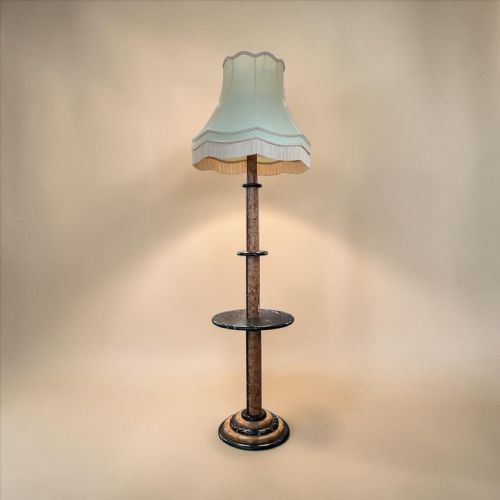
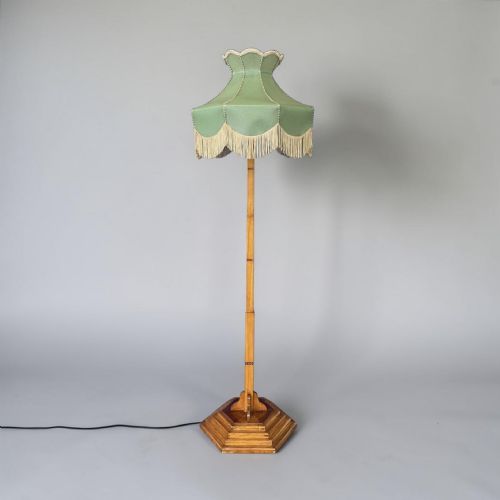
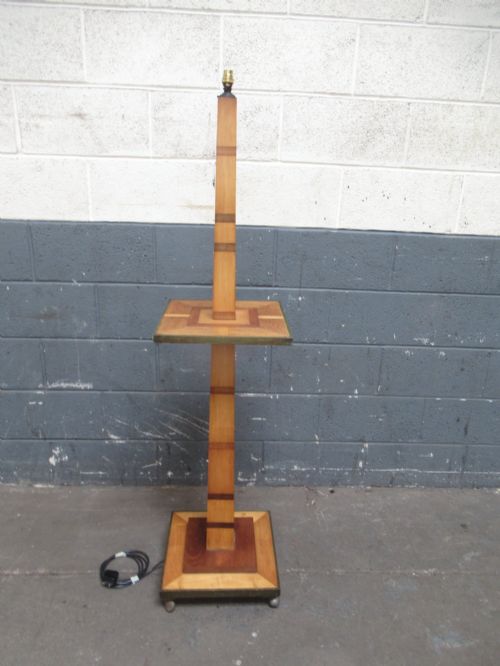
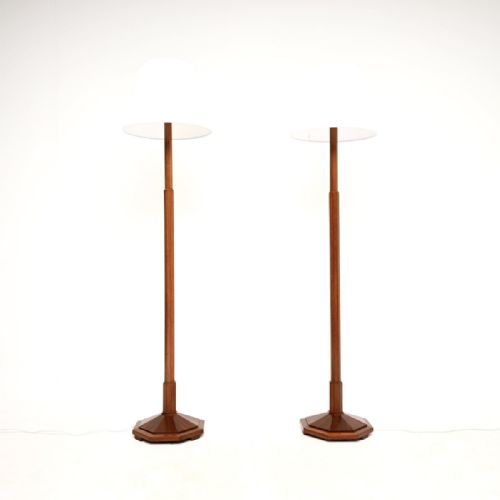
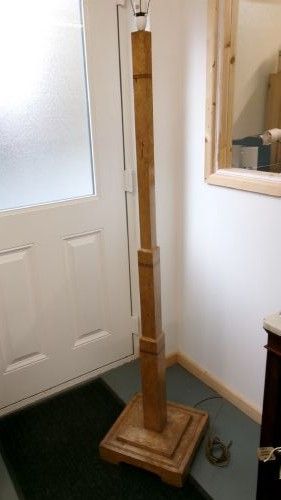
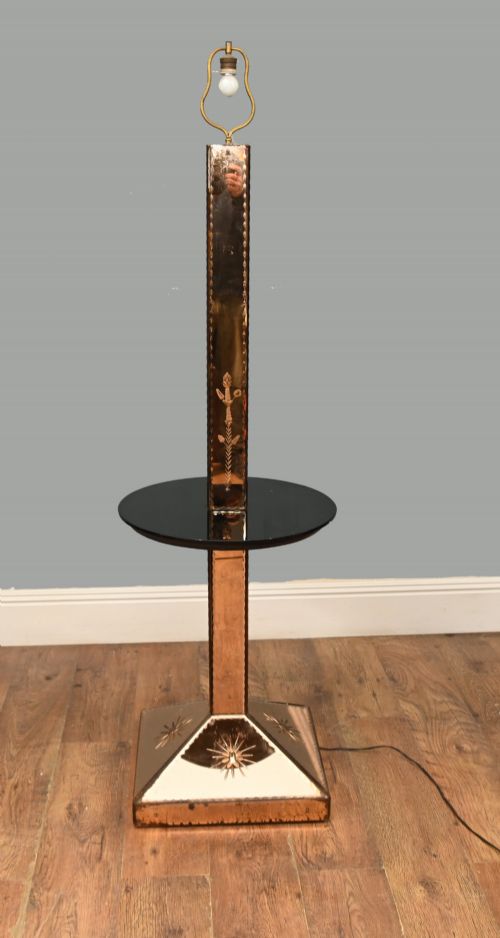
An art deco floor lamp is encountered in various forms across the nineteen twenties and nineteen thirties, functioning primarily as standard lighting or combined occasional furniture. Pieces appear as straightforward vertical shafts, often called standard lamps, or as specialised variants integrating small cocktail tables, lamp tables, or torchere platforms directly into the stand.
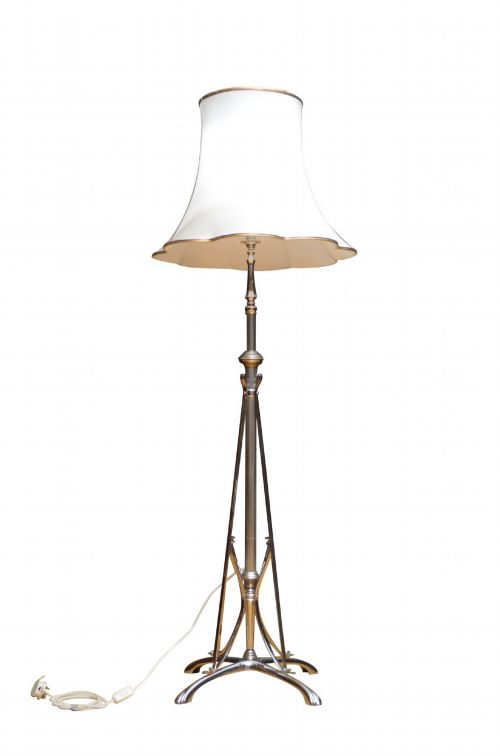
The architectural influence of the period manifests in distinct subtypes, including uplighters and torcheres that direct illumination upward against ceilings. Many examples incorporate adjustable mechanisms, swing arms, or telescopic shafts designed to alter height and reach according to room requirements.
Materials span domestic timbers such as oak, walnut, satinwood, and giltwood, alongside industrial metals like chrome, brass, and solid marble bases. Shade materials range from fabricated silk and fabric to moulded glass elements that diffuse light across the room.
Assessing Quality
Quality separates simple production pieces from superior examples through the selection of timber veneers, the weight and finish of the metalwork, and the complexity of the design. Dense burr walnut or golden oak with deliberate grain matching sits above plain, unfigured alternatives.
Engineering details such as smooth telescoping adjustments, heavy solid brass or chrome plating, and integrated furniture combinations indicate higher workshop standards. The inclusion of sculptural elements or named maker attribution further distinguishes the upper tier of the range.
Art Deco Floor Lamp Retail Price Guide 2026
Typical asking prices for art deco floor lamp among the pieces listed under this phrase on Sellingantiques today, from the lower quarter to the upper quarter. They describe what is for sale here now, not the wider market.
Harry and Lou Epstein·Lloyd Loom
The Art Deco Floor Lamp Glossary
- Standard lamp
- A tall floor-standing lamp designed to provide general ambient illumination in a room. This term is frequently used interchangeably with floor lamp in British listings.
- Torchiere
- An upright floor lamp that directs its light upward, typically utilising a bowl-shaped shade to bounce illumination off the ceiling. These pieces often feature prominent vertical shafts.
- Uplighter
- A lighting fixture that casts illumination vertically upward. They are commonly constructed from chrome or brass with glass reflector bowls.
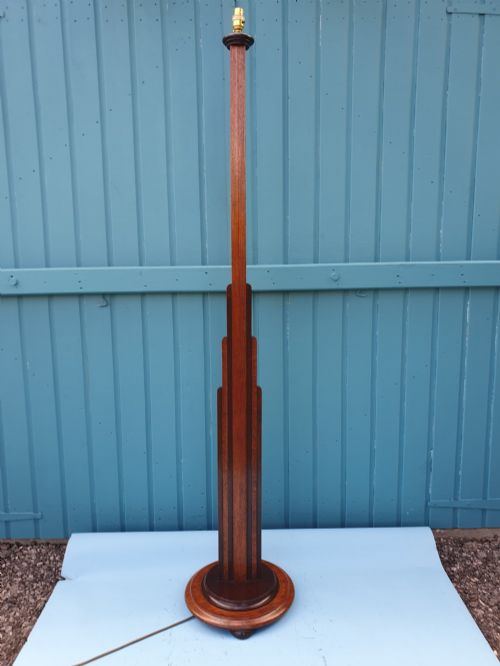
- Odeon style
- A design aesthetic inspired by the stepped architecture and vertical lines of cinema buildings from the period. It appears frequently in tiered or skyscraper-form wooden lamp standards.
- Swing arm
- A pivoting horizontal bracket attached to the main lamp shaft. This mechanism allows the light source to extend outward and reposition independently of the base.
Art Deco Floor Lamp: Frequently Asked Questions
How do I rewire a vintage floor lamp?
Rewiring requires replacing old internal cables and lampholders with modern insulated wire that complies with current safety standards. A qualified electrician can thread contemporary wiring through the existing internal channels without altering the original metal or wooden exterior.
Preserving the original plug or switch is sometimes possible, but internal components should be updated to ensure safe operation during daily use.
What is the difference between a torchiere and an uplighter?
A torchiere specifically describes a tall standing lamp that projects light toward the ceiling via an open bowl or upward-facing shade. The term uplighter is a broader functional descriptor for any lamp directing its primary beam upward.
Both forms share similar silhouettes, but torchieres more strictly follow classical revival or decorative sculptural profiles.
Where should I place an art deco lamp table?
A lamp table combines a vertical lighting standard with a small wooden or glass surface designed to hold drinks or books. Placing it beside a seating area utilises the built-in table surface efficiently while positioning the light source at an effective reading height.
These combination pieces work well in corners or beside armchairs where floor space is limited.
How do I date a nineteen twenties standard lamp?
Dating relies on identifying characteristic design motifs, such as stepped skyscraper forms, geometric turning, or specific combinations of chrome and glass. The presence of documented workshop signatures or construction techniques typical of the interwar period helps narrow the timeframe.
Materials such as solid oak, walnut, and early plated chrome also provide clear indicators of production during the nineteen twenties or nineteen thirties.