

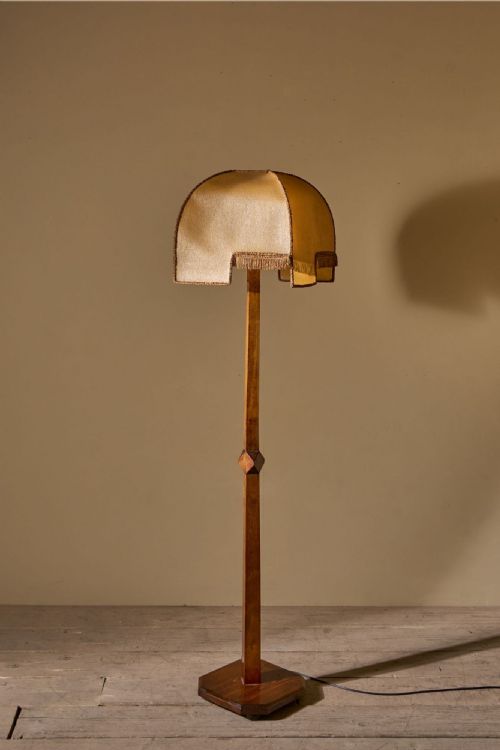
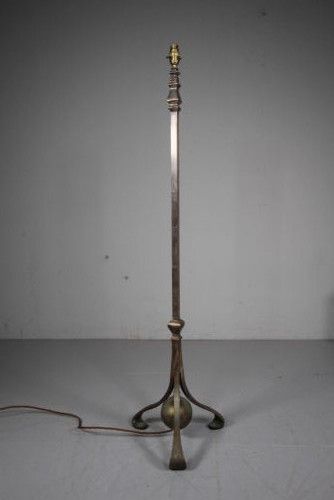
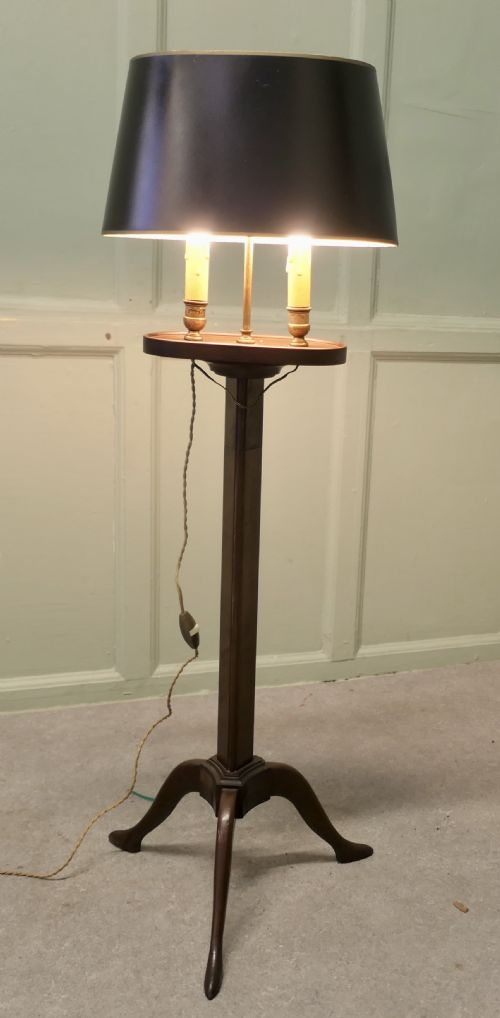
Antique Floor Standing Lamp
An antique floor standing lamp brings directional height and period character to a room, offering warm illumination from a commanding vertical presence.
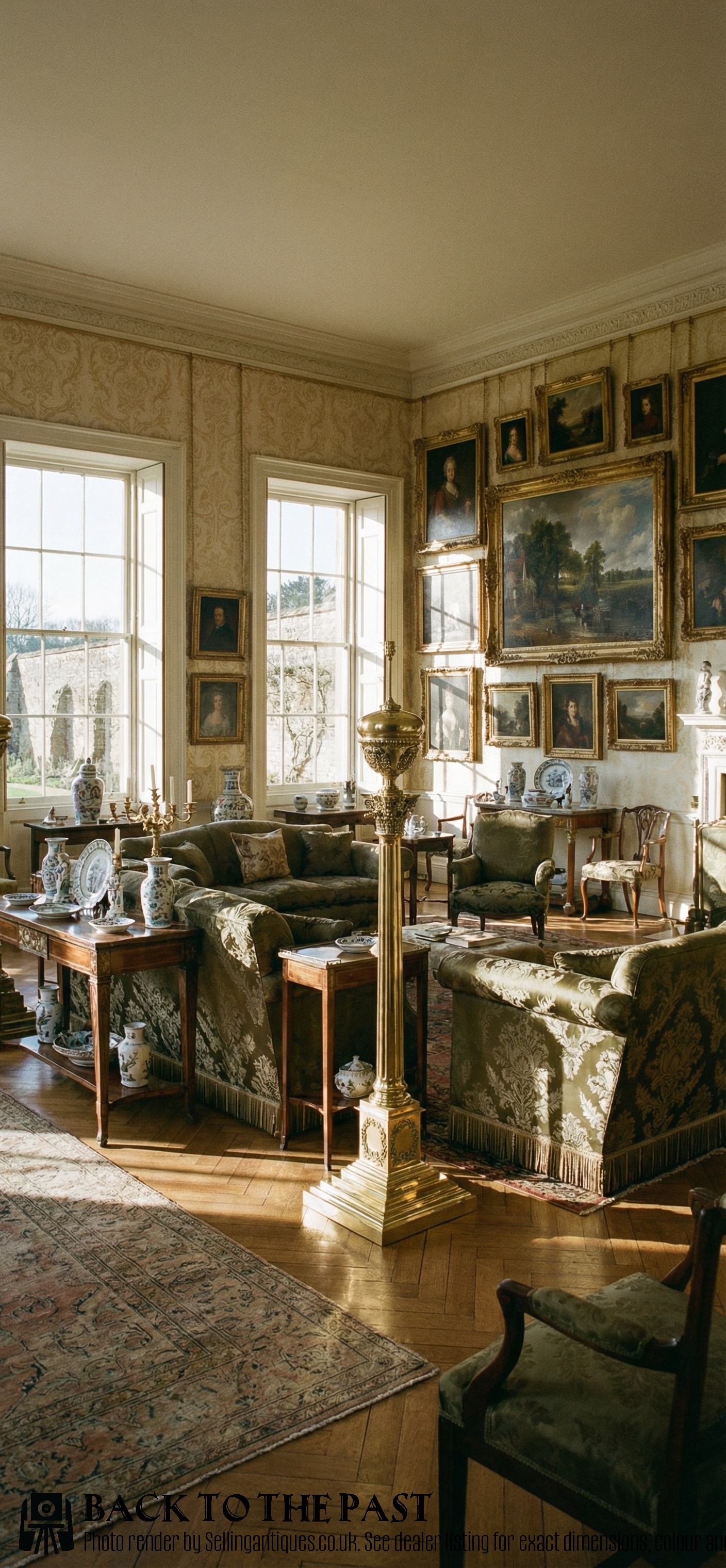
Identifying these lamps
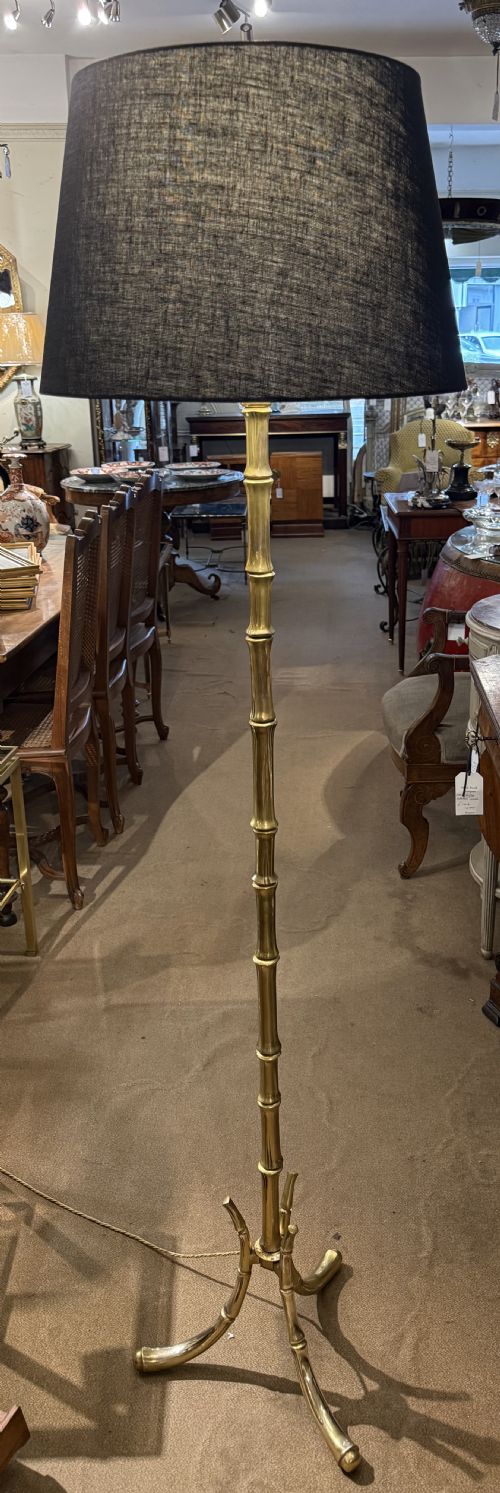
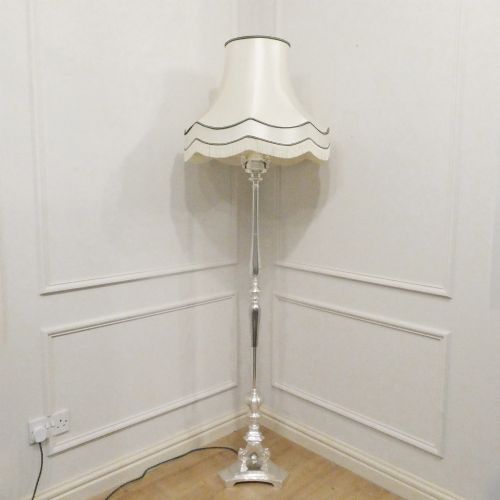
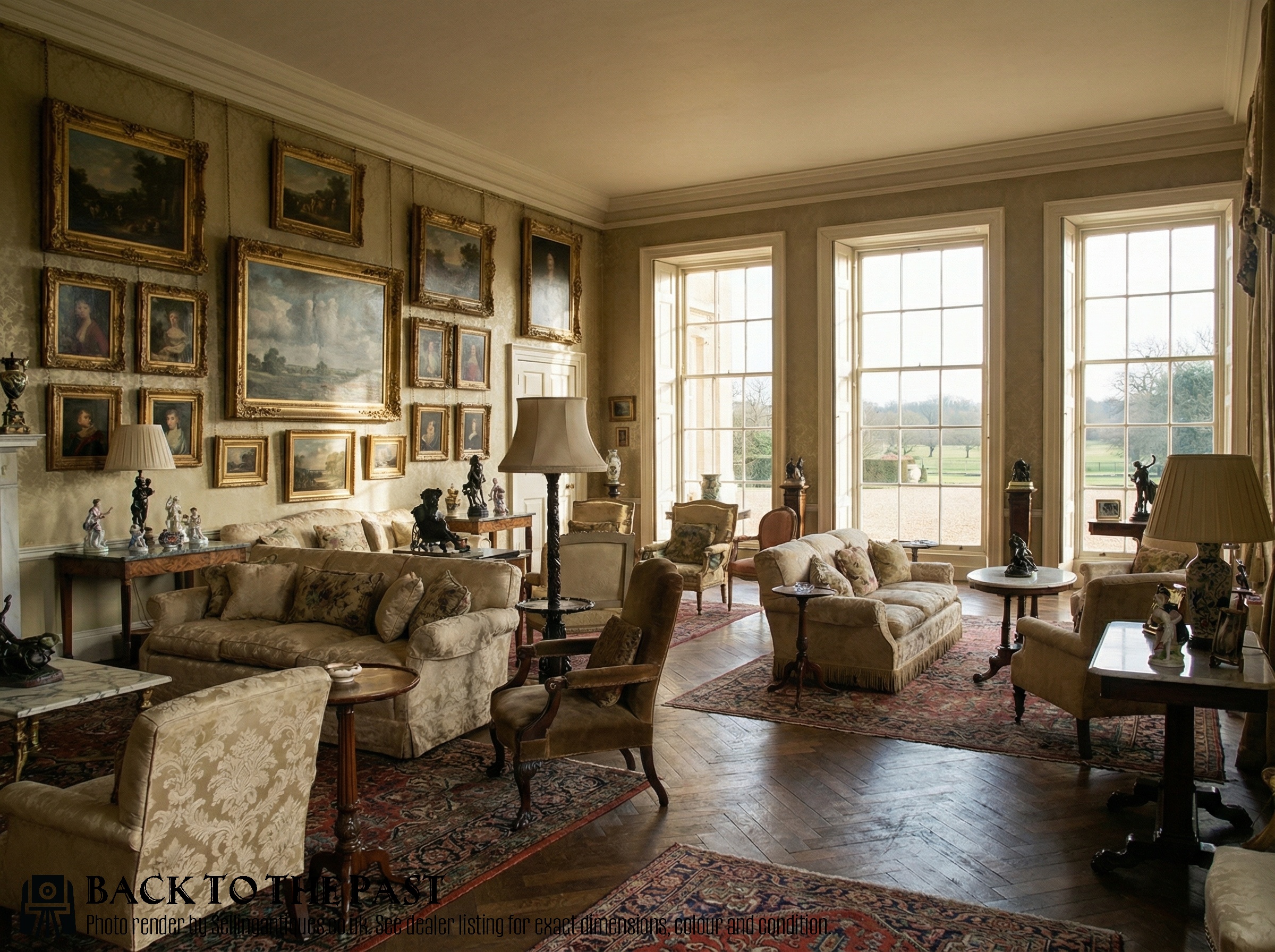
An antique floor standing lamp, also known as a standard lamp, stands tall to illuminate a space from an elevated position without occupying tabletop surface area. These pieces span the nineteenth century, the Edwardian era, and into the nineteen-twenties.
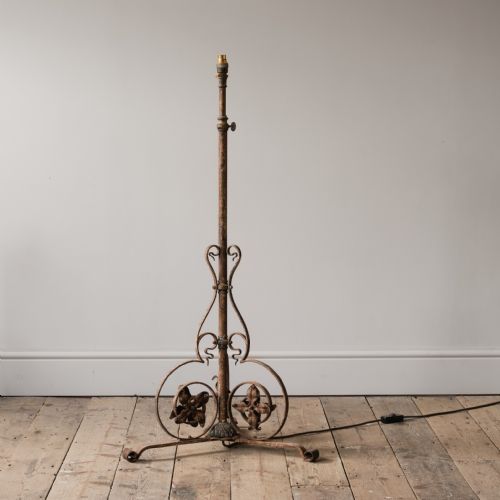
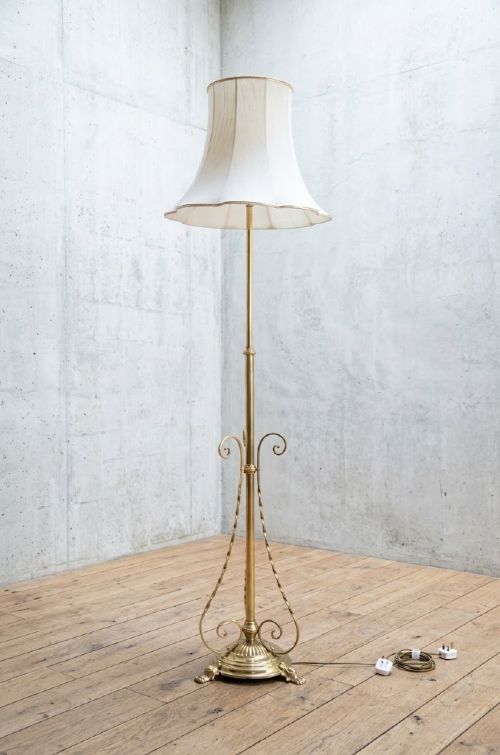
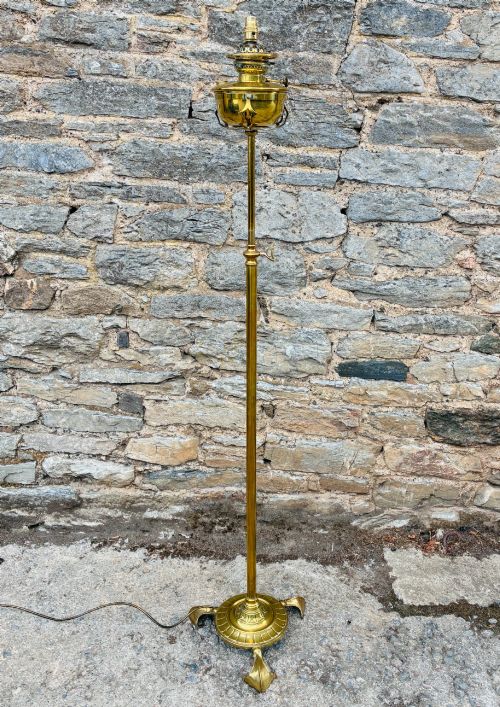
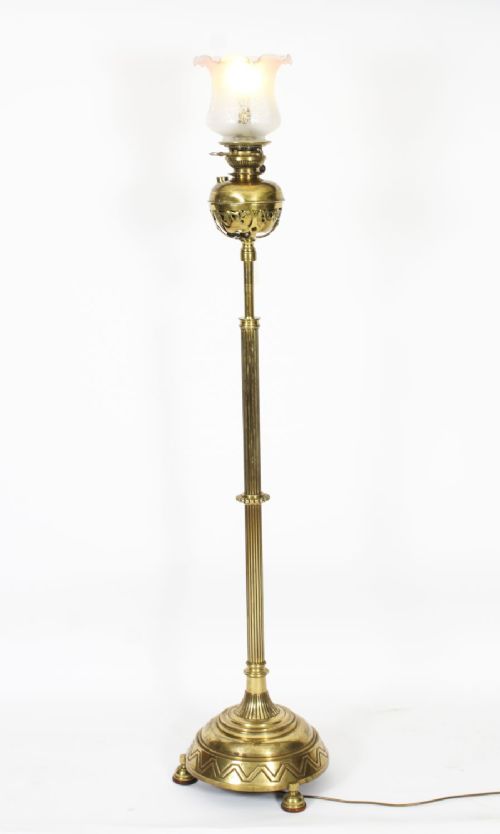
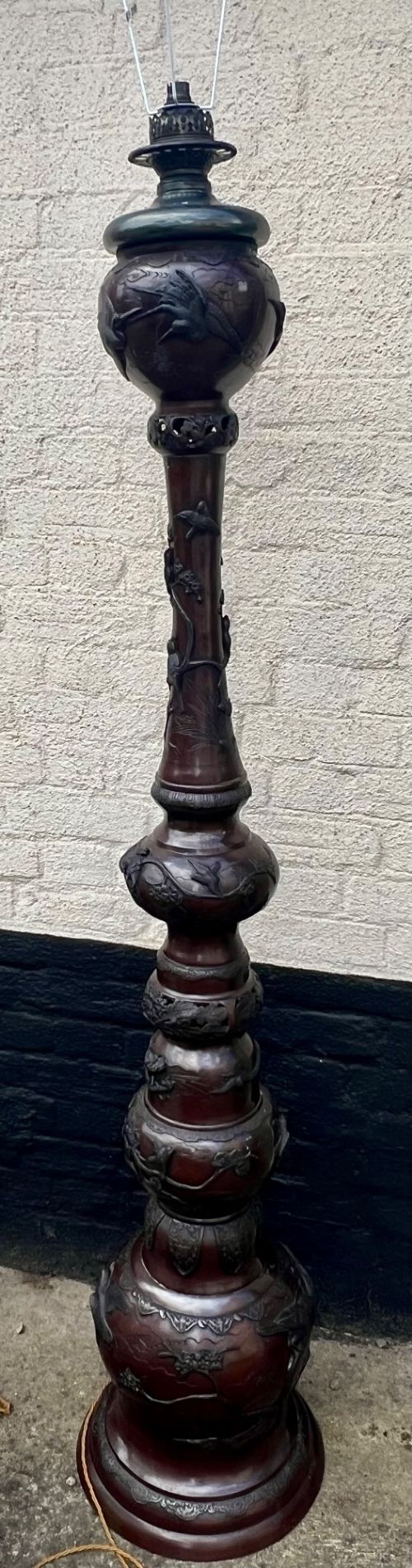
The forms vary from simple turned wooden shafts to elaborate metal columns and figural statues. Many feature adjustable heights or pole mechanisms originally designed for oil reservoirs before conversion to electricity.
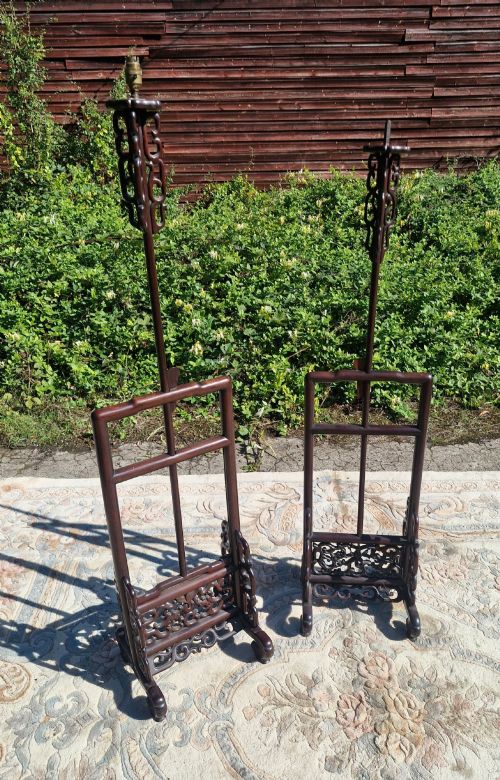
Originating from English, French, Kashmiri, and Anglo-Indian workshops, these lamps incorporate diverse stylistic influences including Art Deco, Art Nouveau, Jugendstil, and Neoclassical designs.
Materials and construction
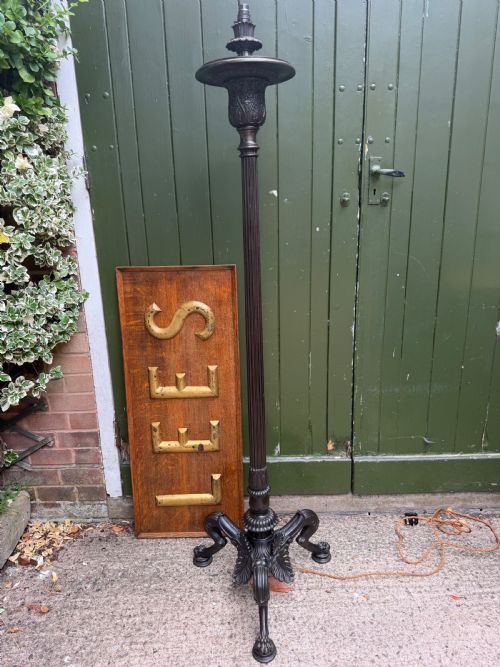
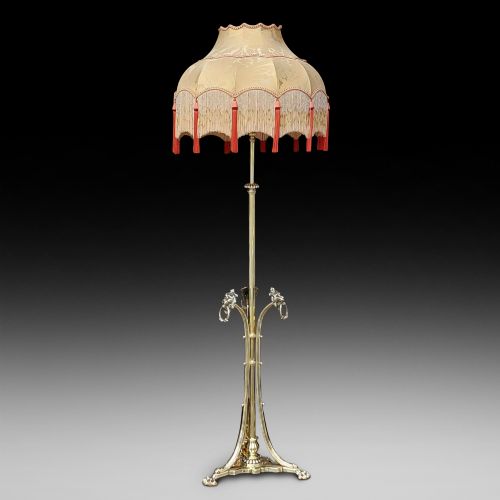
Makers utilised heavy metals such as brass, copper, silver plate, forged iron, and weighted bronze to ensure stability at height. These metal components often feature cast detailing, figural statuary, or polished finishes.
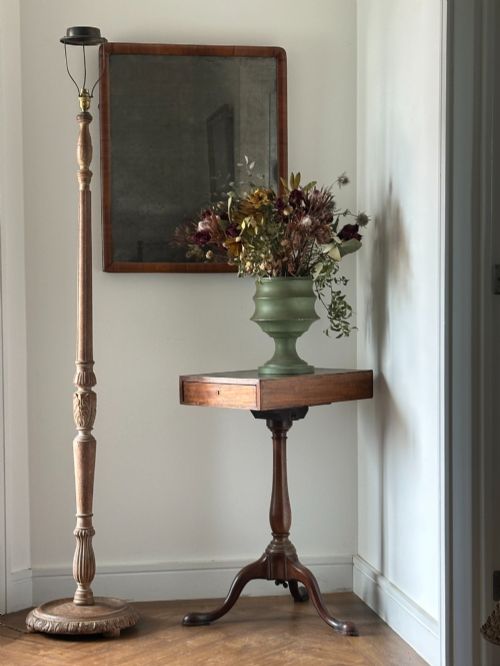
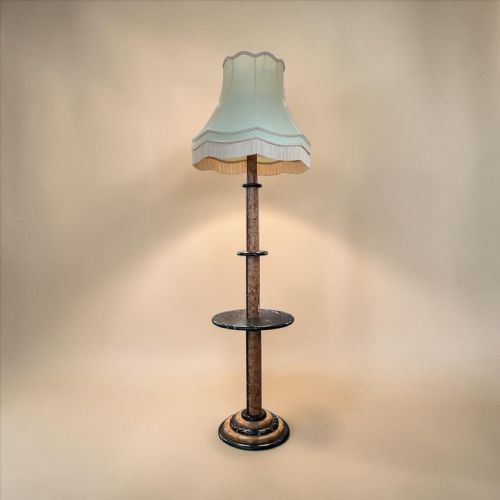
Timber versions employ dense hardwoods including mahogany, satinwood, padouk, and carved exotic woods shaped into open twists, pedestals, or turned columns. Shades constructed from fabric, vellum, and white glass complement the structural frames.
Retail Price Guide 2026
Typical UK retail prices for floor standing lamp, calculated from the Sellingantiques database of over a million retail prices indexed since 2003. This retail price guide relies exclusively on Sellingantiques data; no external sources or auction records are used, so the figures do not describe the wider market.
Materials recorded across the archive include vellum, padouk, satinwood, copper, and forged iron applied to Art Nouveau and Neoclassical styles.
Judging quality
Quality rests in the proportional balance between the heavy base and the tall vertical shaft, ensuring the lamp remains upright and steady. Superior examples display crisp, hand-finished casting in the metalwork or deeply undercut carving in the timber.
Maker attribution and sophisticated mechanical adjustments, such as reliable height-regulation systems, separate standard production pieces from workshop highlights. The integration of original materials like vellum and specific glass shades further elevates an example.
WMF·Hinks
The Antique Floor Standing Lamp Glossary
- Standard lamp
- A traditional British term for a floor standing lamp designed to illuminate a room from a vertical post. This terminology appears frequently in older inventories and trade catalogues.
- Torchere
- A tall ornamental stand or floor lamp, often featuring a figural statue or classical column design. These derive from eighteenth-century candle stands adapted later for gas and electric lighting.
- Pole lamp
- A lighting standard featuring a central vertical rod, historically holding an oil reservoir or adjustable bracket. The design allows the height of the light source to be altered along the shaft.
- Vellum
- A fine translucent material prepared from calfskin, utilised historically for lamp shades to diffuse warm light evenly. It provides a parchment texture that ages with a distinct tone.
- Padouk
- A heavy tropical hardwood known for its reddish colour and durability, chosen for carved oriental furniture and standard lamps. It accepts intricate hand-carving without splintering.
Frequently Asked Questions
How do I wire an old lamp?
Rewiring requires running modern cable through the internal channel of the metal or wooden shaft, often replacing perished historic wiring. A qualified electrician ensures the lamp meets current safety standards while preserving the original brass or iron hardware.
Retaining original switches and lampholders where possible maintains the historical integrity of the piece without compromising safety during daily use.
Were these originally oil lamps?
Many nineteenth-century standard lamps began as oil-burning or paraffin-fuelled fixtures before conversion to electricity during the twentieth century. Evidence of this past includes sealed reservoirs, wick adjusters, and heavier weighted tripod bases designed to balance fluid containers.
Converting these fixtures preserved decorative brass poles and glass shades that would otherwise have been discarded as obsolete household technology.
How do I choose the right shade?
Selecting a shade involves balancing the height and weight of the brass or wooden standard with an appropriate diameter and material. Fabric, vellum, and glass shades reflect the periods represented in the design, from Edwardian fringes to Art Deco geometric forms.
The scale of the shade should complement the visual weight of the base to maintain structural harmony in the room.
Where should I place a standard lamp?
These lamps suit corners, reading areas, and spaces beside heavy seating where they cast light downward without table clutter. Their height allows them to anchor a room layout and provide ambient illumination away from central ceiling fittings.
Positioning them away from high-traffic zones protects delicate elements like vellum shades or carved wooden twists from accidental contact.