

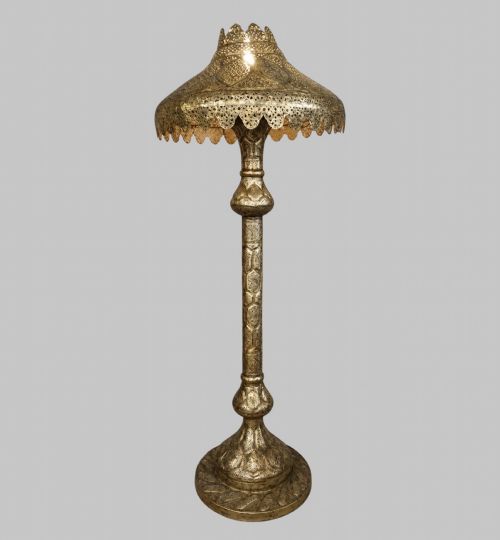
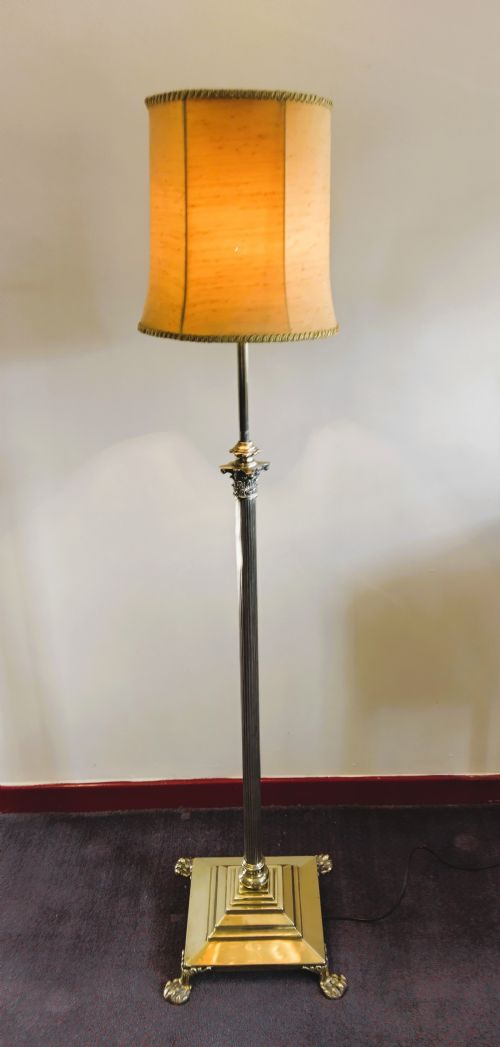
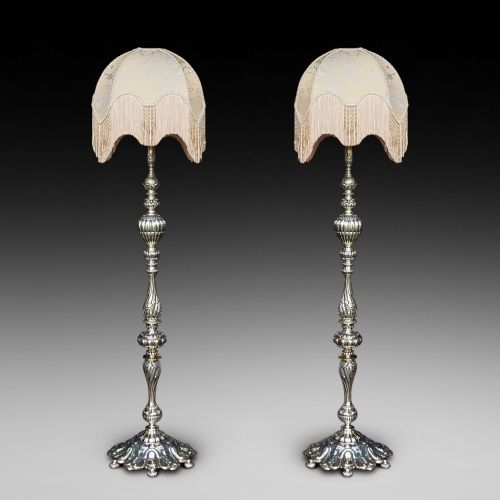
Vintage Brass Standard Lamp
These vintage brass standard lamps bring adjustable height and polished metal presence to period rooms.
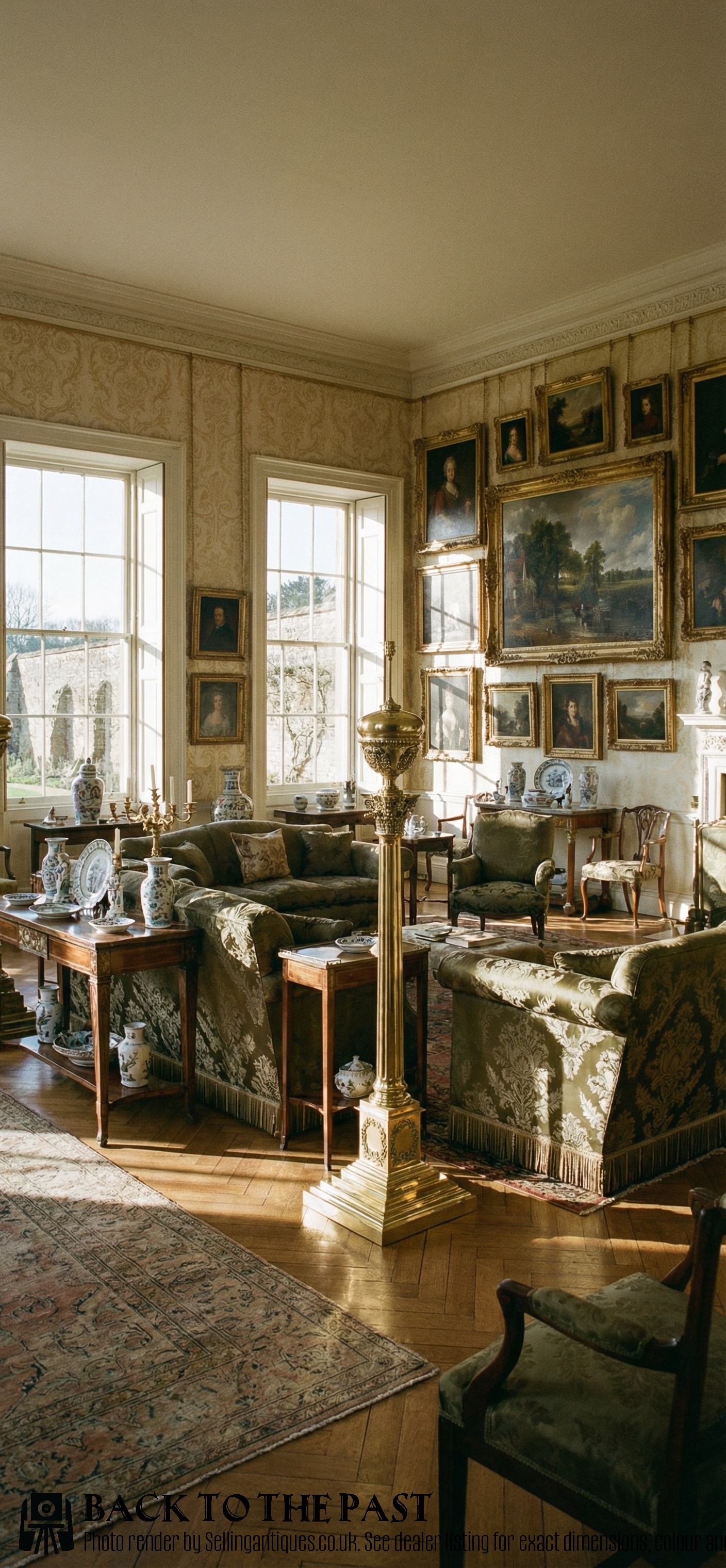
Vintage Brass Standard Lamp
A vintage brass standard lamp stands as a tall floor lighting fixture designed to illuminate living spaces from an elevated position. These pieces date across the nineteenth century, the Victorian era, the Edwardian period, and into the nineteen-twenties and nineteen-thirties.
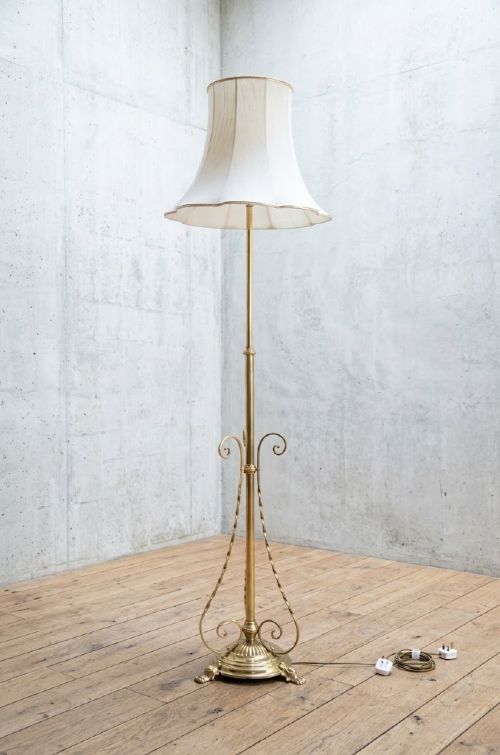
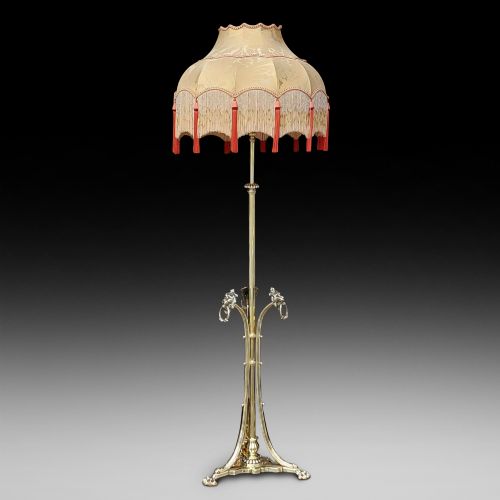
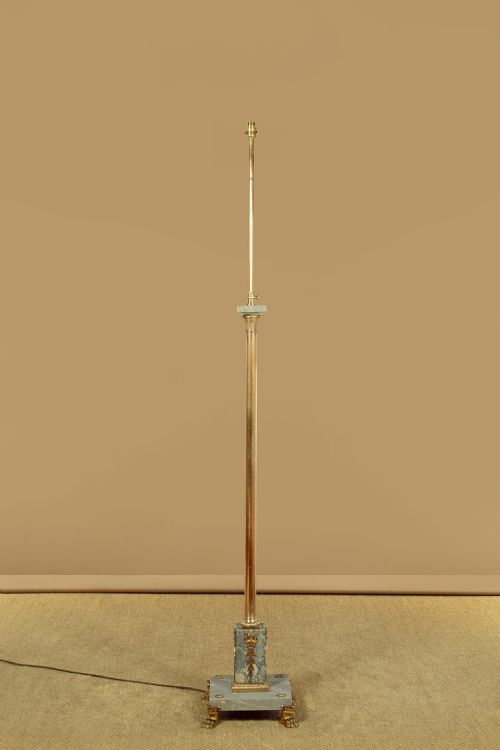
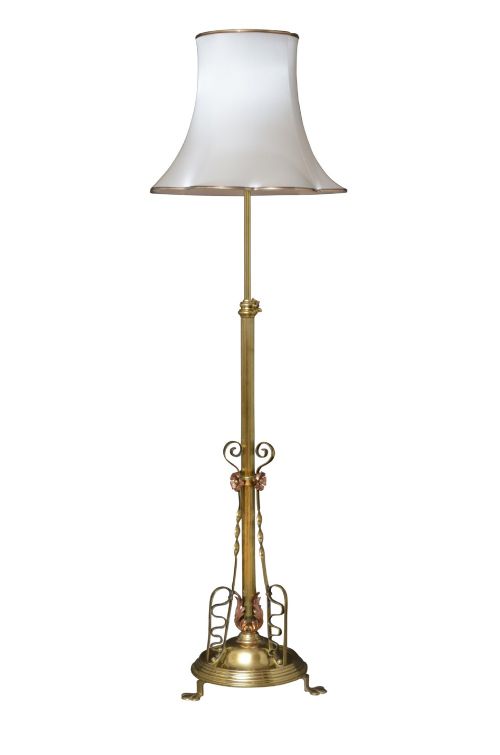
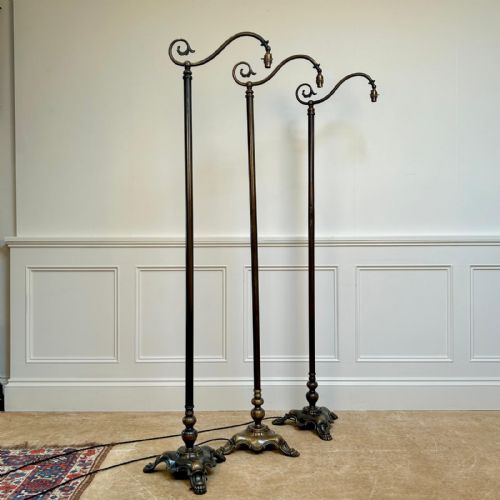
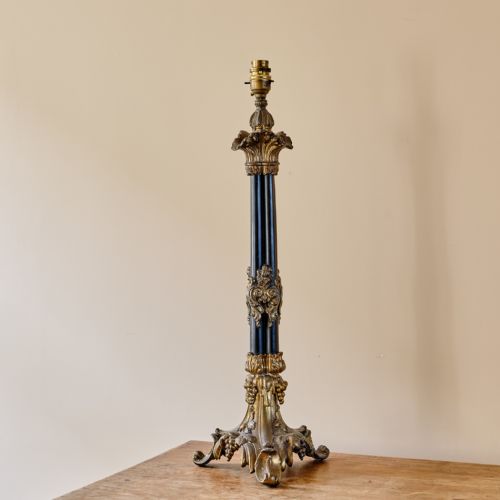
Buyers meet variations ranging from simple Corinthian columns to ornate Art Nouveau scroll arms and telescopic adjustable stems. Many examples originate from English and French workshops, utilising the considerable reach of a floor lamp to anchor a room.
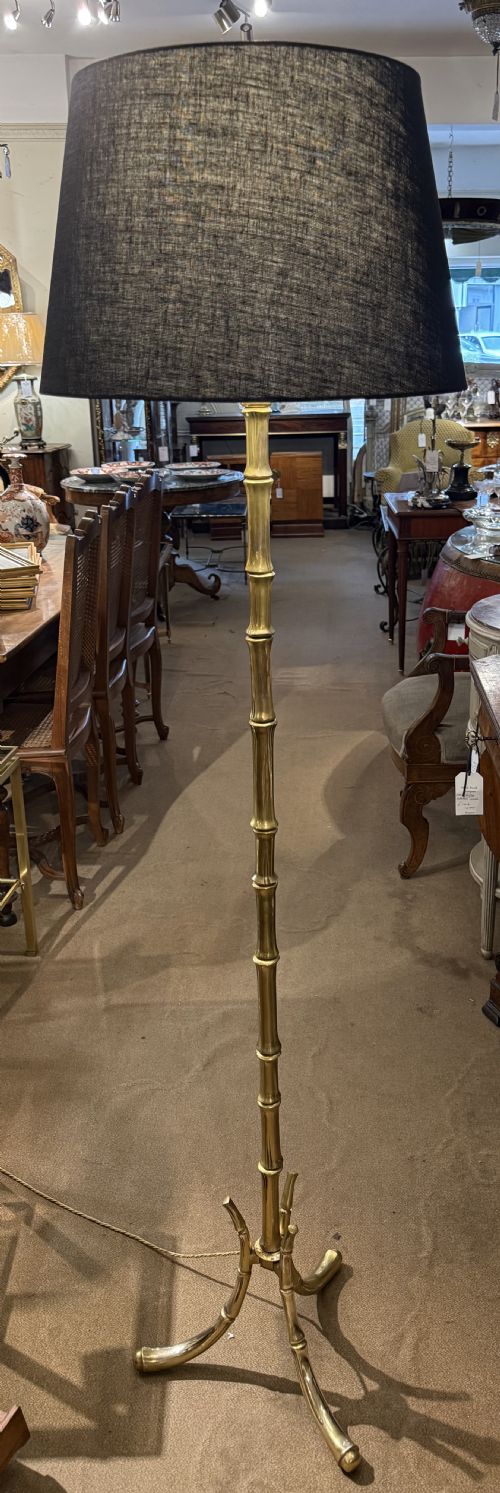
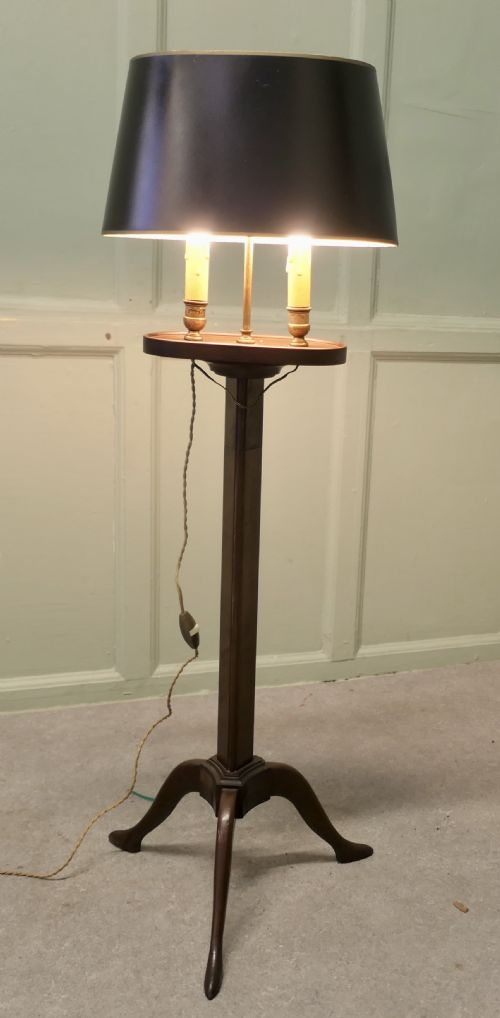
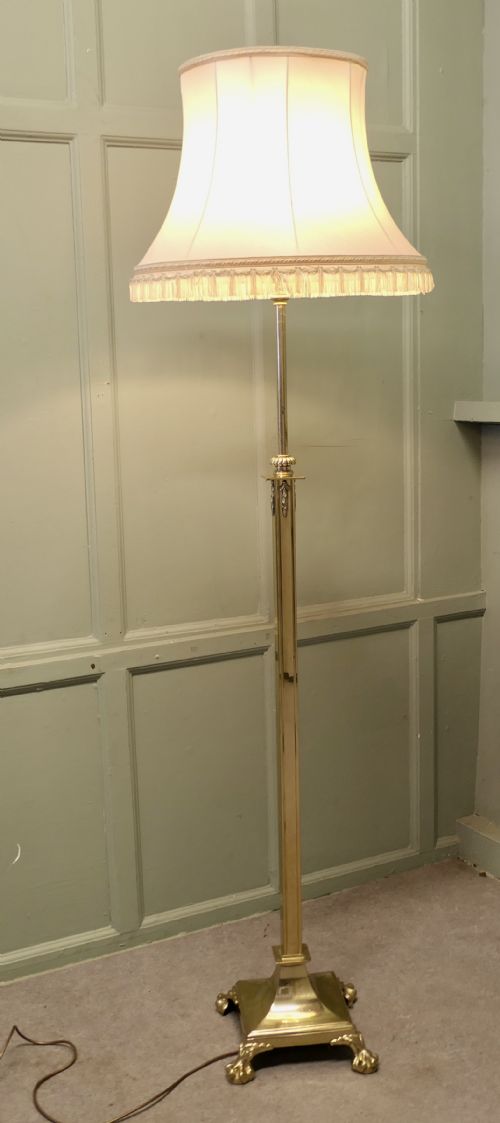
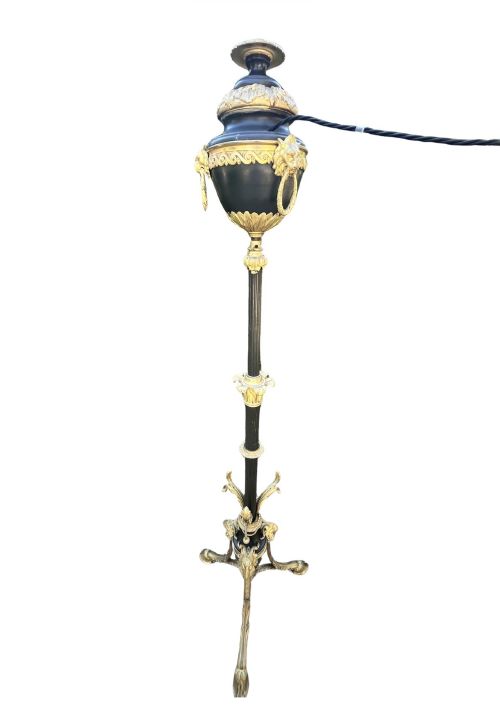
Forms include converted oil lamps, heavy neoclassical columns, and tripod bases paired with fabric shades. The selection leans heavily into robust metal construction combined with functional height adjustment mechanisms.
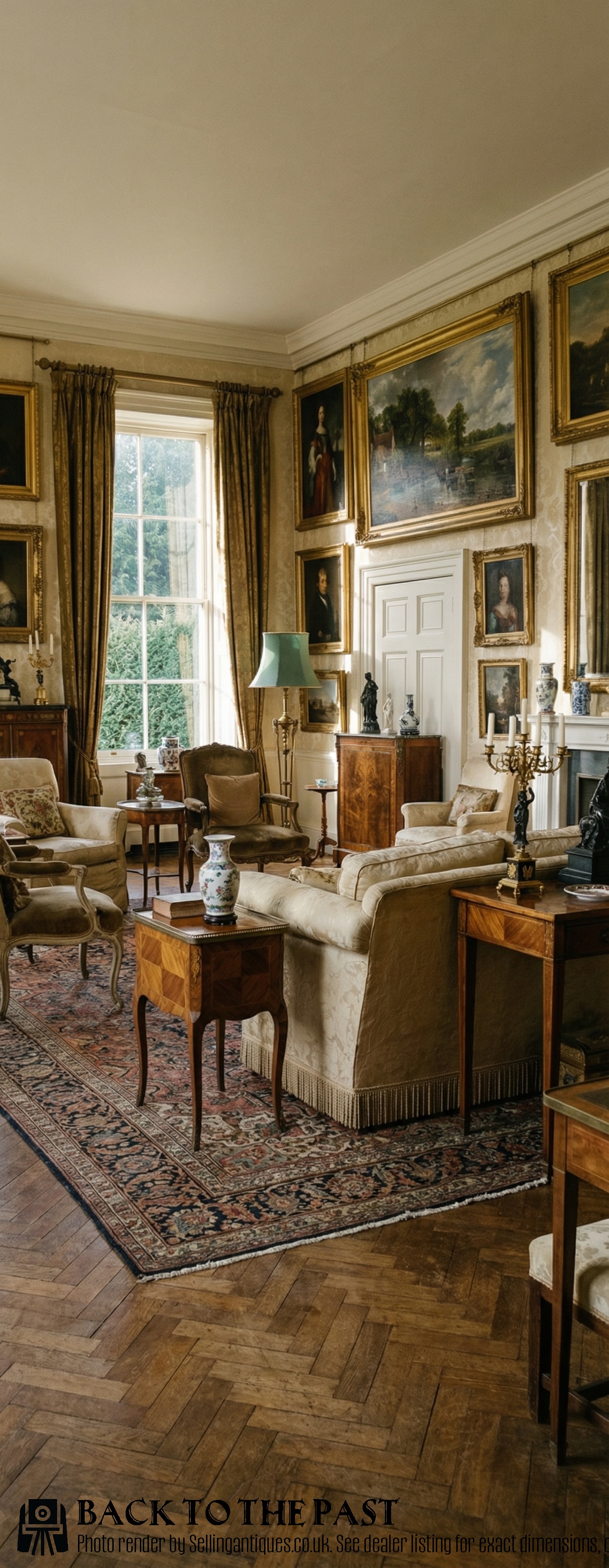
Evaluating Quality
Superior examples distinguish themselves through substantial weight, heavy gauge brass castings, and robust telescopic actions that hold their position securely. The crispness of the chased ornament on Corinthian capitals or Art Nouveau floral motifs separates masterwork production from ordinary commercial output.
The integrity of the original construction, including the stability of the weighted base and the smoothness of any height adjustment mechanism, dictates the standing of a floor lamp. Integration of secondary materials such as cranberry glass or marble plinths adds complexity to the manufacturing standard.
Vintage Brass Standard Lamp Retail Price Guide 2026
Typical asking prices for vintage brass standard lamp among the pieces listed under this phrase on Sellingantiques today, from the lower quarter to the upper quarter. They describe what is for sale here now, not the wider market.
Some tall brass standards hide heavy cast iron weights inside their hollow bases to keep them upright when fully extended.
Maison Bagues·Hinks of B'ham·Bleriot
The Vintage Brass Standard Lamp Glossary
- Telescopic
- An adjustable stem design allowing the upper shaft of the lamp to slide upward and lock at various heights. This mechanical feature enabled users to alter the reach of the light source.
- Corinthian Column
- A classical architectural column form utilised for lamp shafts, featuring ornate capitals decorated with acanthus leaves. This style appeared frequently in Victorian and later neoclassical revival lighting.
- Standard Lamp
- A traditional British term for a tall floor lamp designed to stand independently in a room. These fixtures usually support a fabric shade and provide ambient illumination.
- Oil Lamp Standard
- A floor-standing base originally engineered to burn oil before conversion to electricity. These pieces often retain wick mechanisms or heavy font holders at the top of the shaft.
- Art Nouveau
- A decorative style characterised by flowing, organic lines and plant-inspired motifs. Lamps from this movement display whipped curves and naturalistic openwork bases.
Vintage Brass Standard Lamp: Frequently Asked Questions
Are these lamps converted from oil?
A significant number of nineteenth-century and Victorian standard lamps began their lives as oil-burning floor lamps. These pieces were later adapted to accept electrical fittings while retaining their original burners or reservoirs.
This conversion process preserves the substantial weight and decorative metalwork of the base. Collectors value these converted pieces for their historical integrity and robust proportions.
What kind of shades do they take?
Standard lamps generally accept large fabric shades mounted on traditional spider fitters or bridge frames. The scale of the shade must match the height and weight of the brass base to maintain visual balance.
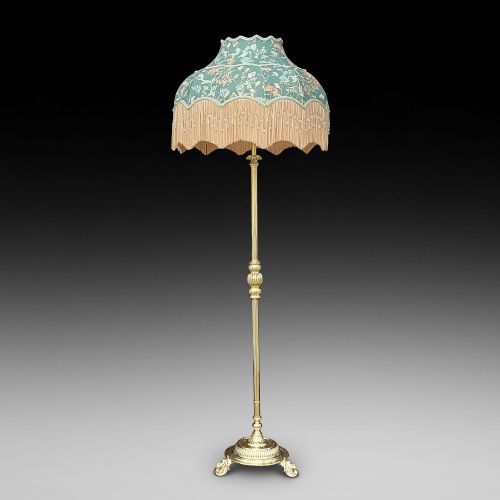
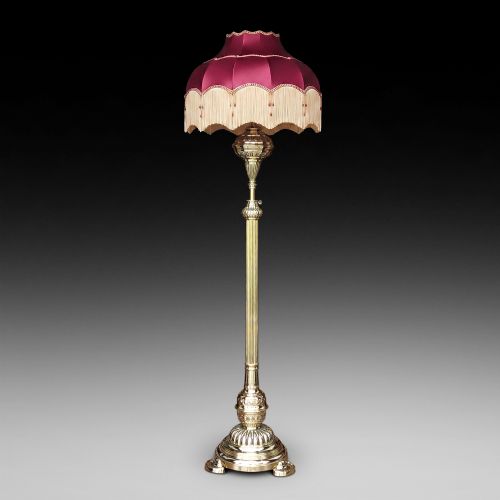
Victorian and Edwardian examples often pair well with pleated silk or fringed covers. Neoclassical columns suit tailored, straight-sided drum shades in neutral fabrics.
How do I date a brass lamp?
Dating relies on stylistic clues such as cast ornamentation, base construction, and manufacturing techniques. Victorian examples frequently feature Corinthian columns and heavy oil lamp conversions, while nineteen-twenties pieces lean toward stepped bases and simpler geometric lines.
Patent marks, maker stamps on the brass components, and wiring methods also provide chronological evidence. Comparing the decorative vocabulary to known period furniture helps narrow the manufacturing decade.