






French Brass Floor Lamp
A french brass floor lamp brings a distinct Parisian weight to a room, offering both directional reading light and stately height.
French Brass Floor Lamp
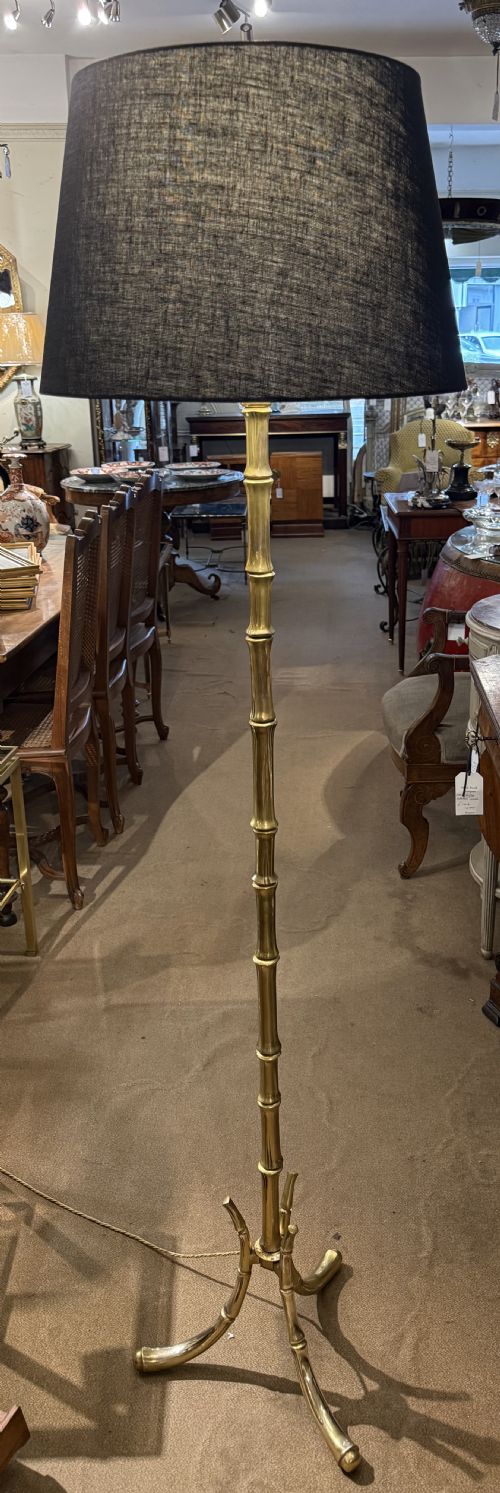
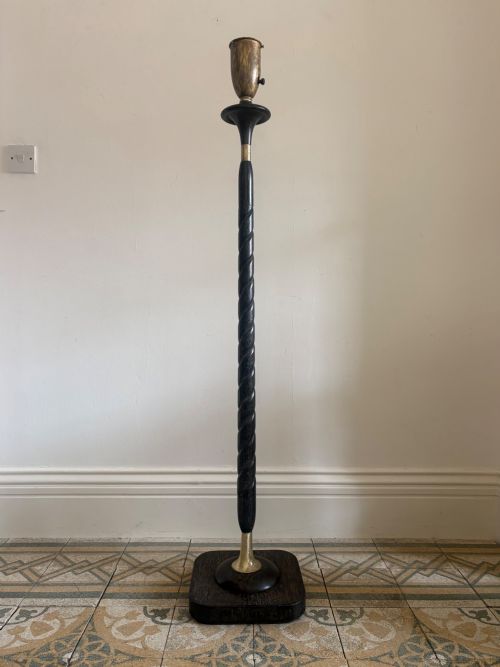
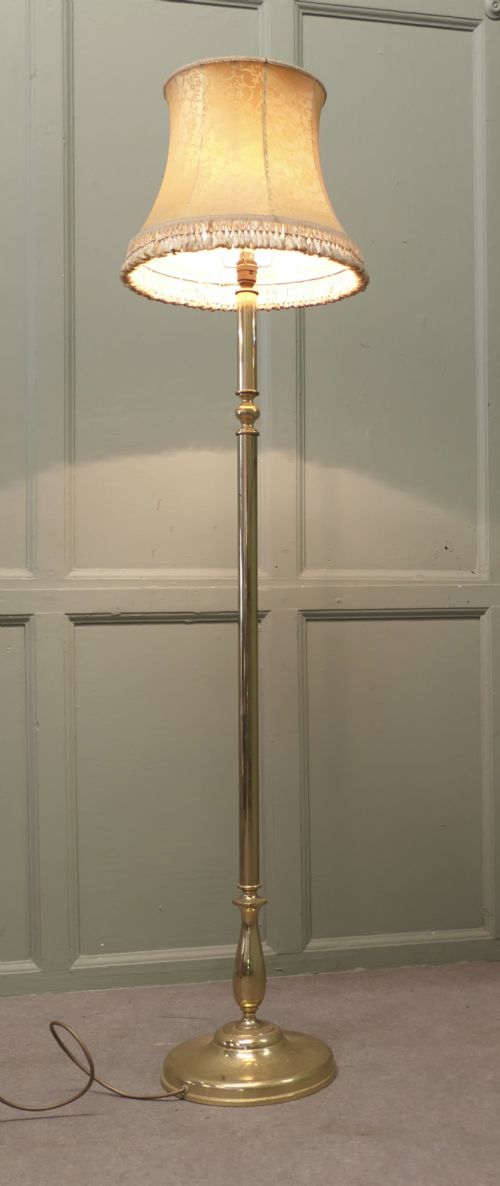
When you search for a french brass floor lamp, you encounter tall lighting fixtures designed to stand on the floor rather than a table, frequently referred to in listings as standard lamps. These pieces span periods from the nineteenth century through the mid-twentieth century, encompassing Edwardian examples, nineteen-twenties works, and nineteen-fifties creations.
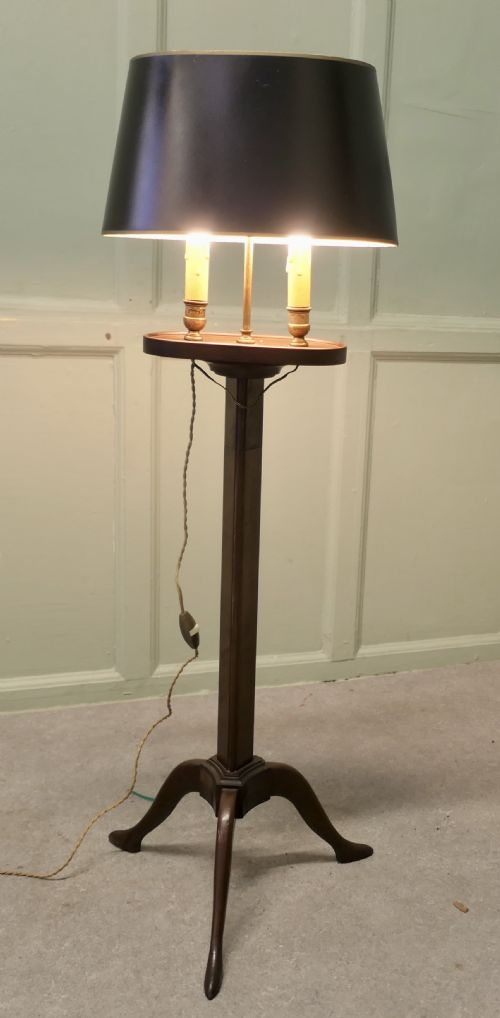
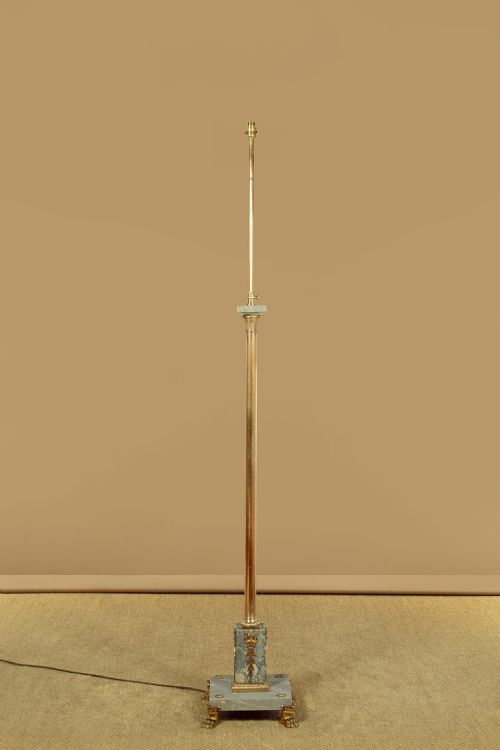
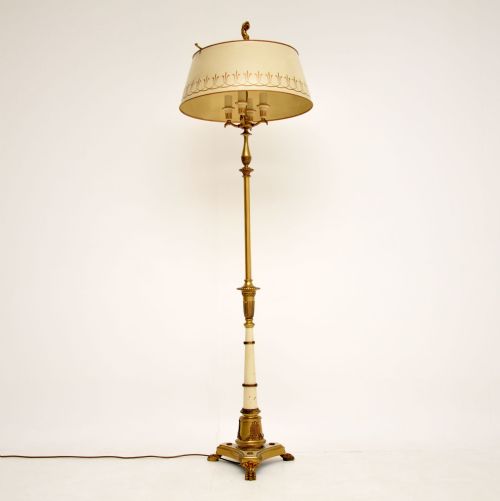
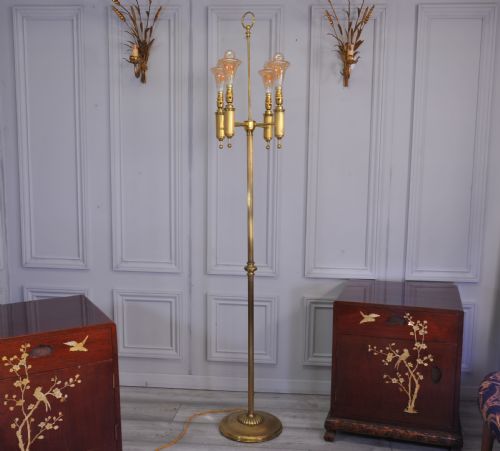
The aesthetic vocabulary draws heavily on continental classicism and decorative movements, displaying French Chateau, French Neoclassical, Regency, Hollywood Regency, and French Empire Revival styles. You meet forms ranging from slender adjustable reading columns to multi-armed standards and heavy cast metal shafts.
Maison Bagues and René Mathieu represent the maker names appearing in the record alongside unassigned pieces from the nineteenth and twentieth centuries. The domestic settings they occupy benefit from their dual function as structural decoration and elevated illumination.
What Varies in Quality
The distinction between standard examples and the finest pieces lies in the substance of the materials and the crispness of the cast ornamentation. Heavy bases of solid marble or onyx paired with substantial cast brass or ormolu signify superior manufacture compared to lighter, thinner metal assemblies.
Refinement in proportion and the complexity of the decorative vocabulary also define quality. Pieces exhibiting detailed neoclassical casting, balanced twin arms, or functional extending mechanisms demonstrate greater workshop skill than simpler turned columns.
Listings feature standard lamps utilising brass, marble, onyx, and glass across periods spanning the nineteenth century to nineteen-sixty.
Maison Bagues
The French Brass Floor Lamp Glossary
- Bouillotte lamp
- A type of adjustable lighting fixture traditionally featuring a central candle or bulb arrangement beneath a metal or fabric shade. These designs often incorporate twin arms and adjustable height mechanisms.
- Ormolu
- Gilt bronze or brass applied to decorative objects and furniture mounts. The technique creates a rich, gold-coloured finish that resists tarnishing.
- Neoclassical
- A style drawing inspiration from the classical art and architecture of ancient Greece and Rome. It emphasises symmetry, straight architectural lines, and restrained ornamental motifs.
- Standard lamp
- A British term for a floor-standing lamp designed to illuminate a room from an elevated position. They typically feature a heavy base, a vertical shaft, and a fitted shade.
French Brass Floor Lamp: Frequently Asked Questions
How do I clean a brass floor lamp?
Dust the metal gently with a soft, dry cloth to prevent the accumulation of grit in the cast crevices. Avoid abrasive chemical polishes that can strip original patination or damage gilded surfaces.
For glass or marble components, use a damp cloth followed immediately by a dry one. Ensure the lamp is unplugged before undertaking any cleaning work.
Can I adjust the height of these lamps?
Many nineteenth and twentieth-century examples incorporate mechanical adjustment screws or sliding columns. These allow you to raise or lower the light source depending on your seating arrangement.
Take care when operating older extending mechanisms so you do not strain internal wiring or threaded brass collars.
What styles are common in French lighting?
The recorded pieces draw upon Neoclassical, French Empire, Regency, and Art Deco vocabularies. You will encounter fluted columns, urn motifs, and restrained leaf ornamentation.
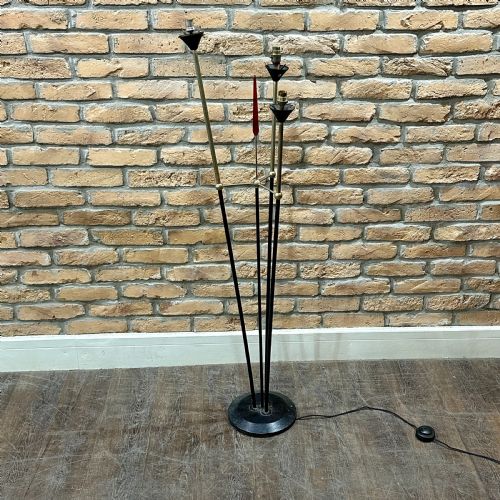
Later mid-century designs shift toward simpler geometric forms and industrial metalwork. Each style reflects the prevailing decorative tastes of its manufacturing decade.