



Victorian Brass Floor Lamp
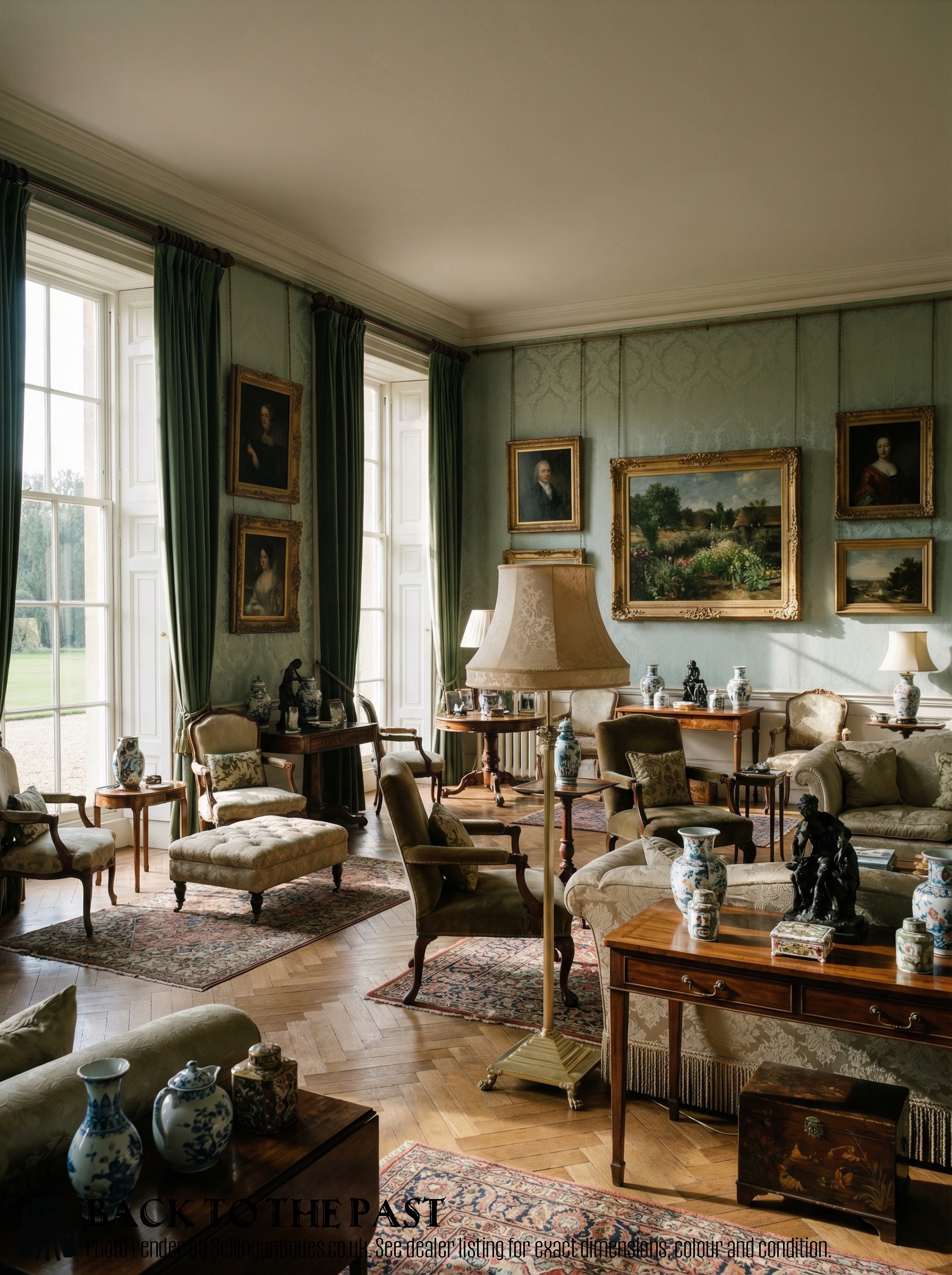
A victorian brass floor lamp brings height, weight and warm metal into a room, standing as a practical piece of engineering.
Victorian Brass Floor Lamp
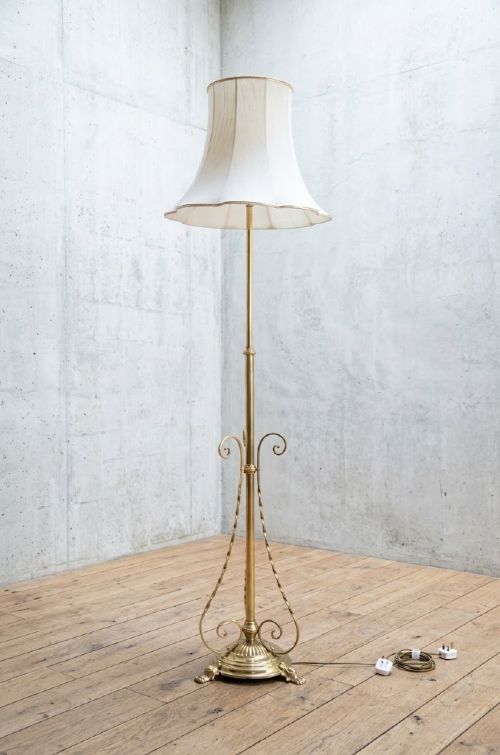
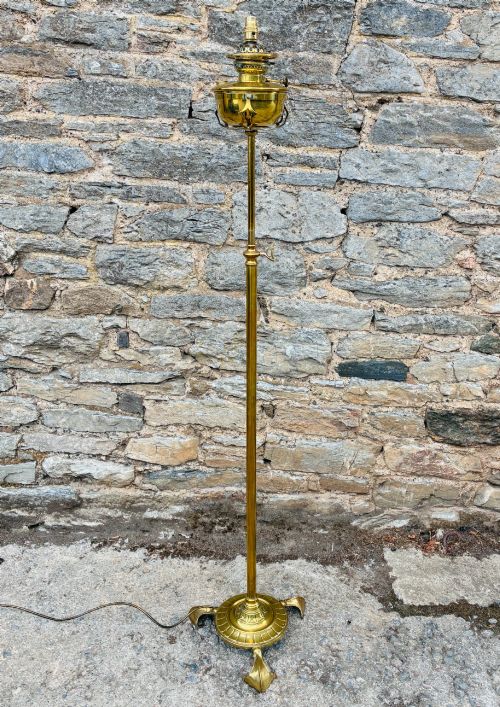
A victorian brass floor lamp is a heavy-standing light source designed to illuminate a room from standing height. These pieces appear as standard lamps and oil lamps, many converted to electricity from their original burning mechanism.
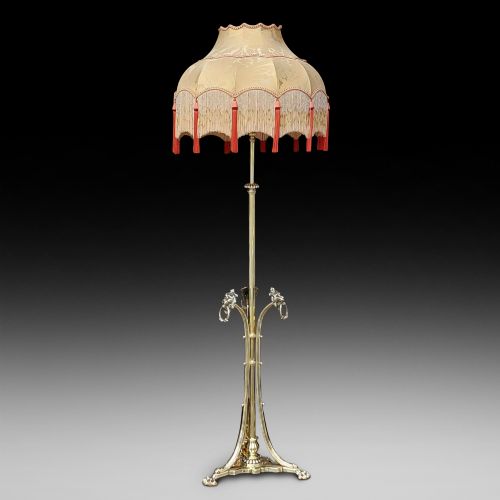
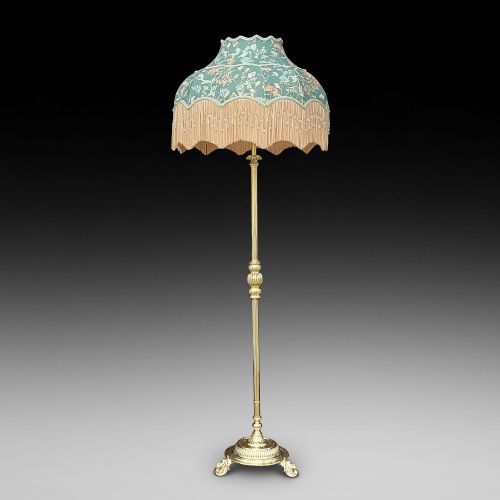
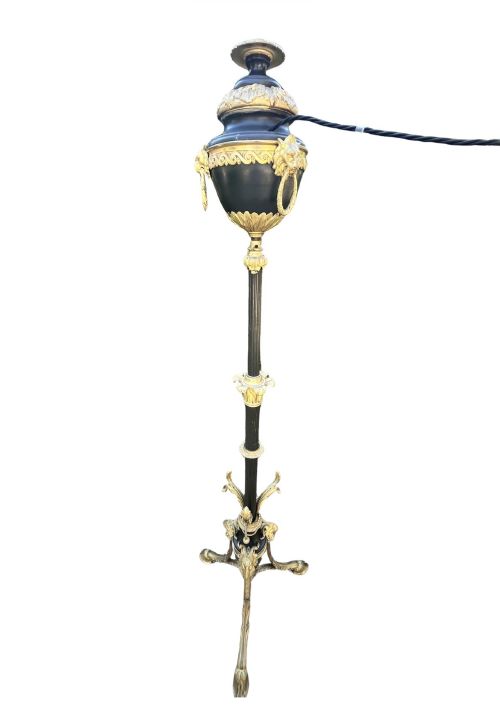
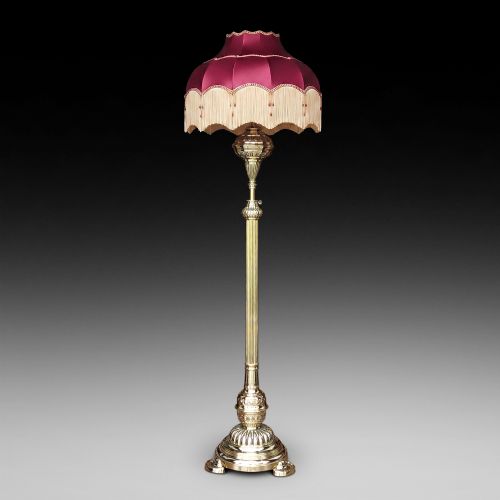
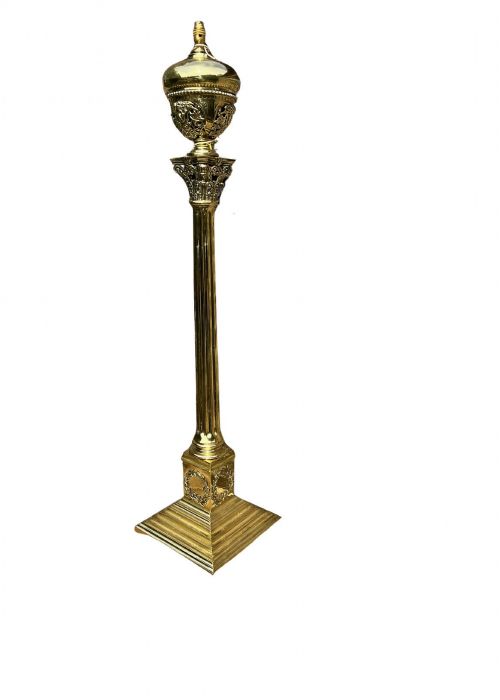
Most examples originate from the nineteenth century and the Edwardian period, often incorporating telescopic shafts for height adjustment. Forms range from plain telescopic stems to elaborate Corinthian columns and openwork bases.
How they were made
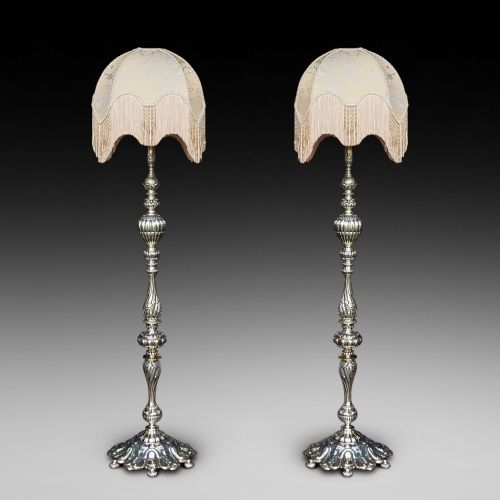
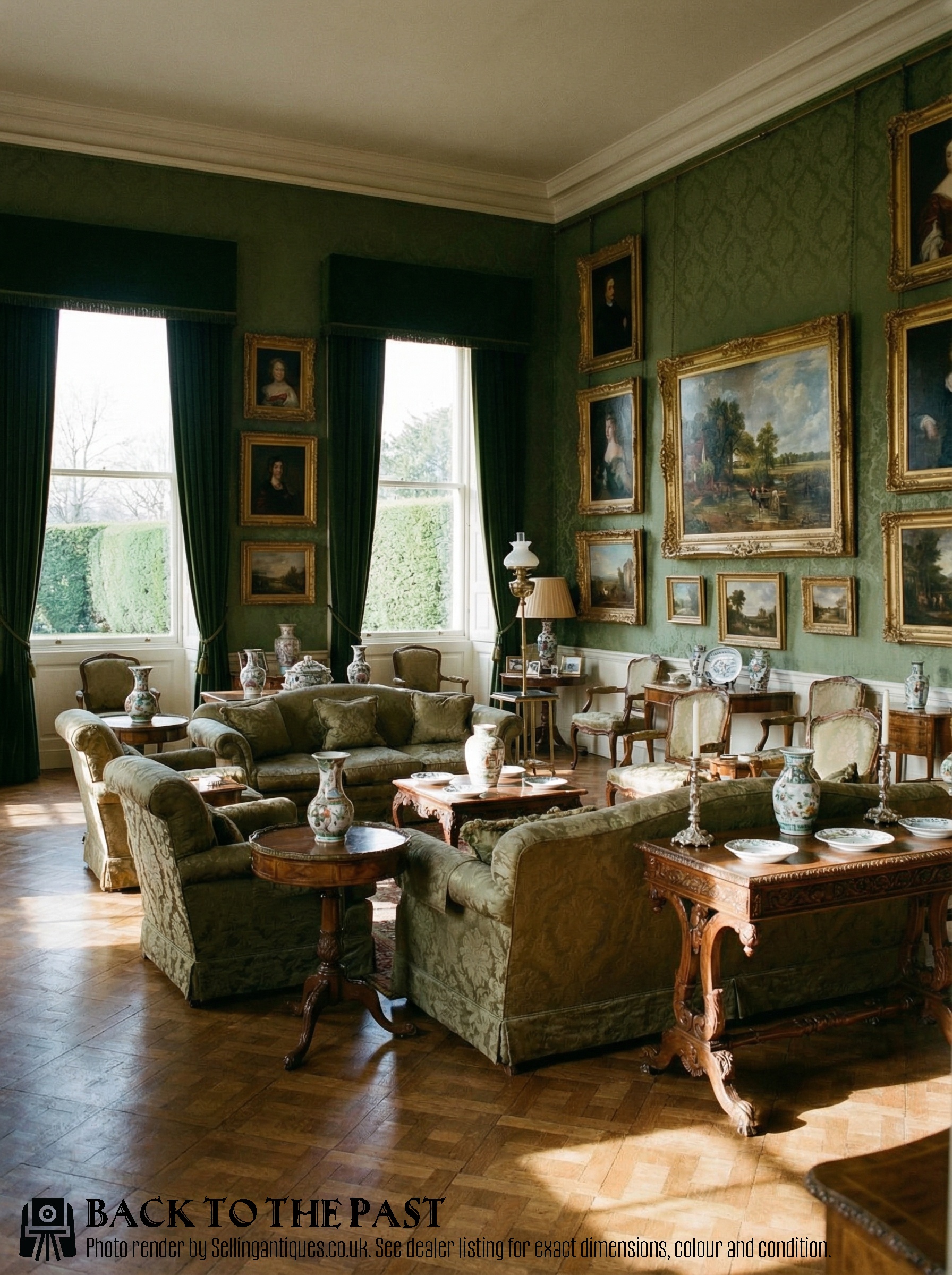
Makers utilised cast and sheet brass, frequently combining it with copper, gilt bronze, onyx and marble for weight and decorative contrast. Structural stability relied on heavy weighted bases, often featuring floral openwork or stepped designs to anchor the tall stem.
Telescopic mechanisms allowed the shaft to extend smoothly, secured by tight screws or keys. Many standards began life as oil lamps with burners and glass fonts, later adapted to take electrical fittings.
Victorian Brass Floor Lamp Retail Price Guide 2026
Typical asking prices for victorian brass floor lamp among the pieces listed under this phrase on Sellingantiques today, from the lower quarter to the upper quarter. They describe what is for sale here now, not the wider market.
Some heavy brass standards share space with tiny matching wine tables attached to the stem.
What varies in quality
Quality rests in the weight of the metal casting and the crispness of the chasing on details like Corinthian capitals and floral openwork. Heavy gauge brass and solid marble or onyx inserts distinguish substantial pieces from lighter, simpler standards.
The sophistication of the engineering in the extending mechanism determines the better examples. Smooth telescopic action and signed maker's components indicate superior workshops.
Hinks of B'ham·Thomas Messenger·R. W. Winfield
The Victorian Brass Floor Lamp Glossary
- Telescopic
- A shaft design allowing the lamp height to adjust up and down. This mechanical feature let users raise or lower the light source to suit the room.
- Corinthian column
- A classical architectural column style used for the main lamp shaft, topped with ornate acanthus leaves. This form appears frequently in nineteenth-century standard lamps.
- Standard lamp
- A traditional British term for a floor-standing lamp. These tall fixtures were designed to hold oil fonts or electric bulbs.
- Ormolu
- Gilt bronze mounted onto furniture or metalwork. This decorative finish adds a bright golden tone to parts of the lamp stand.
- Steamer lamp
- A specific variant of standard lamp designed for use on ships or in confined spaces. These pieces offered stability against motion.
Victorian Brass Floor Lamp: Frequently Asked Questions
Can I adjust the height on these lamps?
Many examples feature a telescopic shaft designed to alter the overall height of the standard.
Users simply release the central screw mechanism, slide the inner stem to the desired position, and tighten it securely.
Were these originally oil lamps?
A large portion of nineteenth-century standards started as oil-burning lamps complete with fonts and burners.
Most surviving examples have since been converted to run on electricity for modern domestic use.
How do I style a standard lamp?
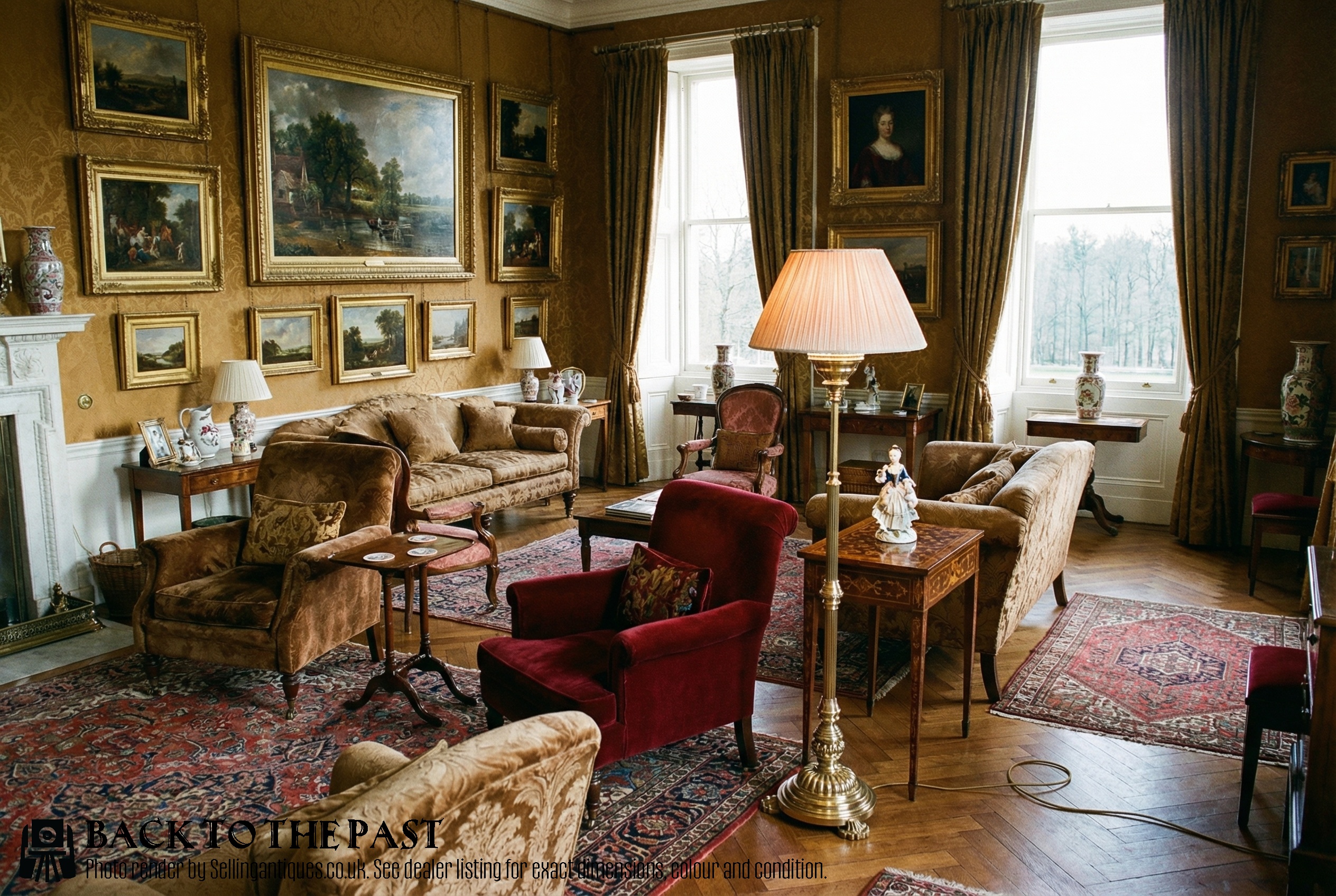
These tall metal standards suit corners of reception rooms or beside heavy seating where they cast light downward.
Pairing them with fabric shades in silk or fringed designs completes the traditional look.
How do I identify a Victorian piece?
Look for heavy brass casting, classical Corinthian columns, and mechanical adjustments typical of nineteenth-century metalwork.
Maker signatures on the base or turning key often confirm the nineteenth-century origin.