


Telescopic Standard Lamp
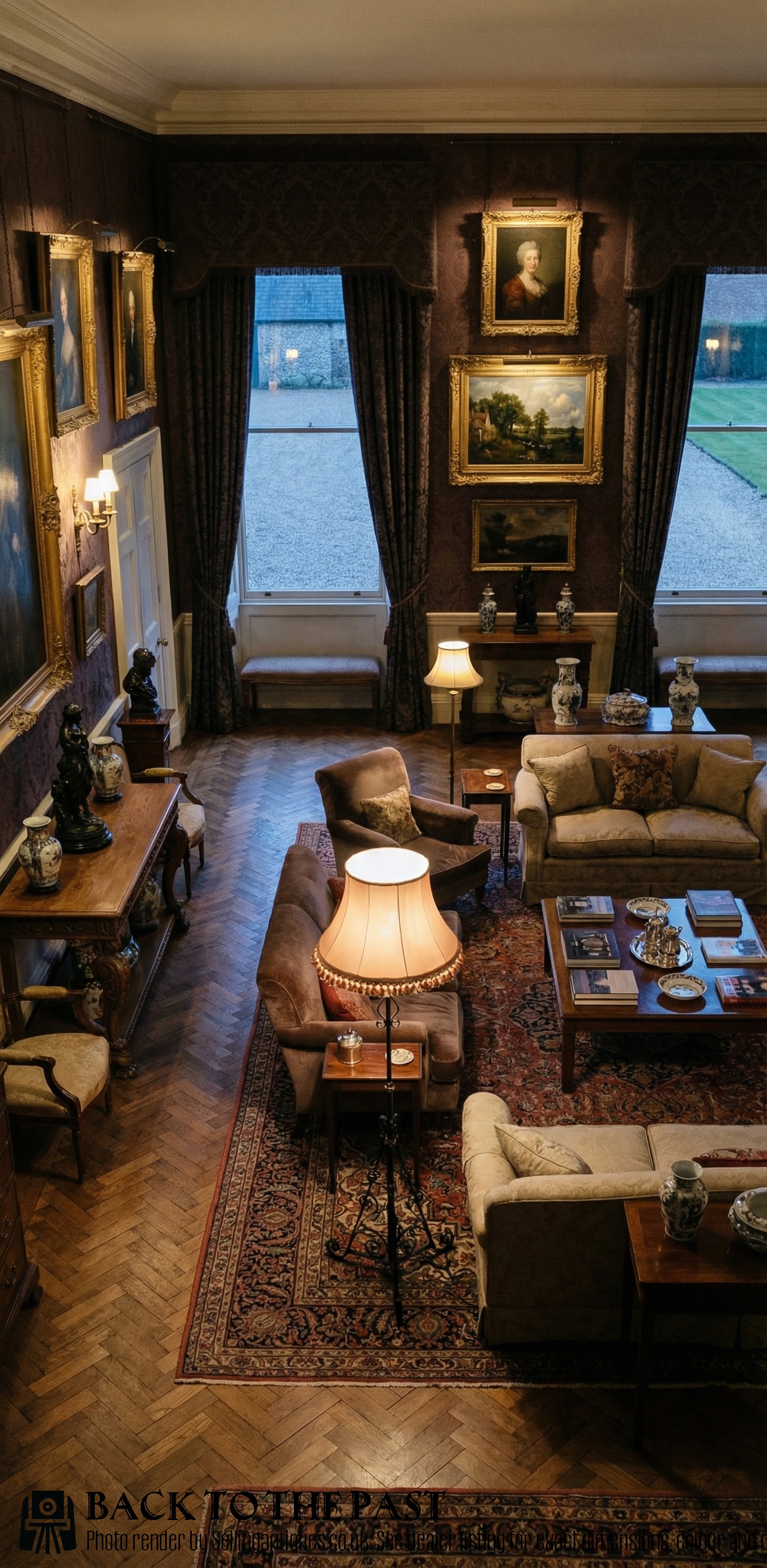
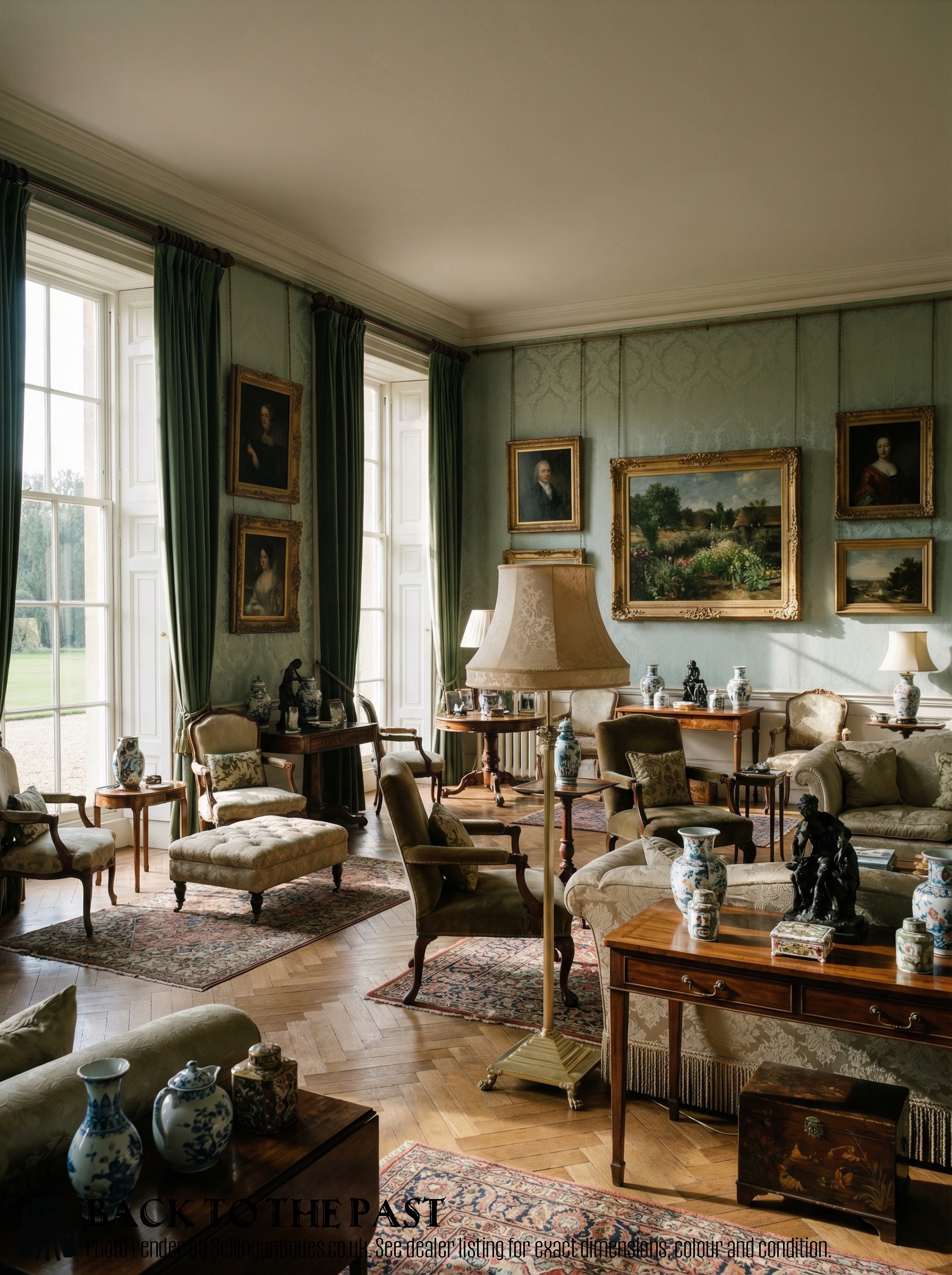
A telescopic standard lamp brings adjustable illumination and period presence to a room, moving smoothly from a reading height to an elevated spread.
Telescopic Standard Lamp
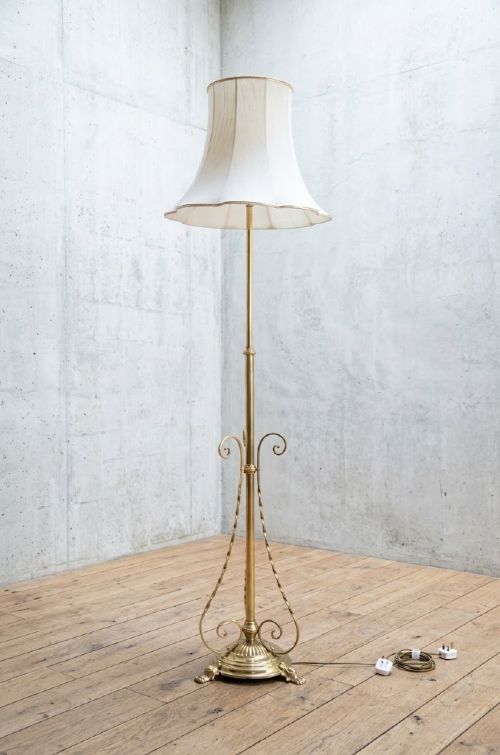
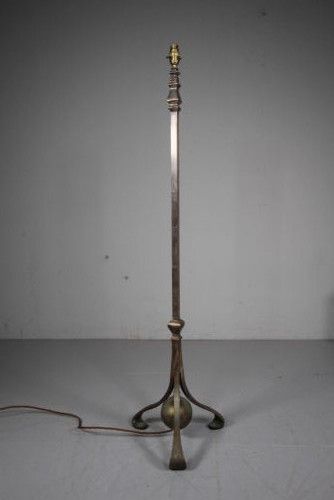
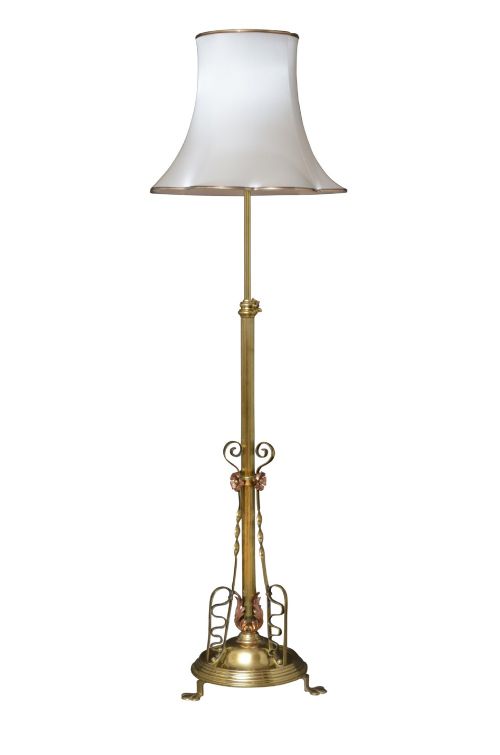
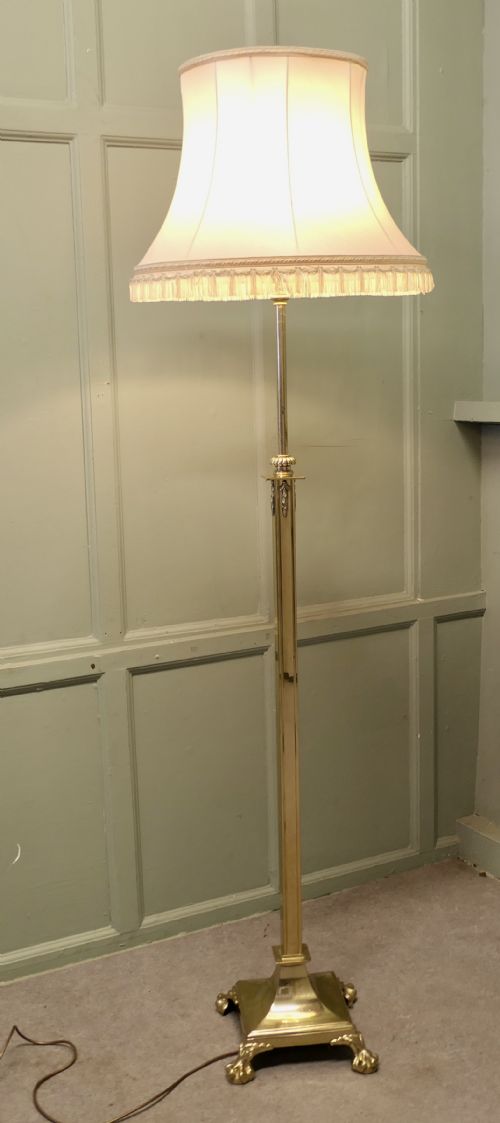
A telescopic standard lamp is a tall floor-standing lighting fixture designed with a sliding mechanism that allows the shaft to extend or contract in height. When you search for this phrase, you encounter pieces originating from the Victorian and Edwardian eras through to the early twentieth century, spanning design movements like Arts and Crafts, Art Nouveau, and Neoclassical Revival.
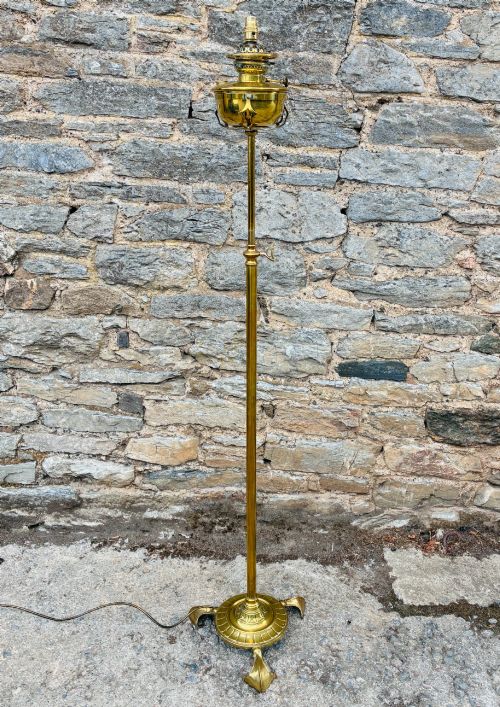
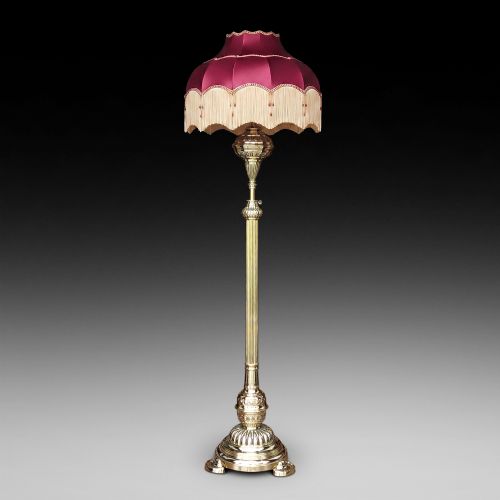
The most common examples met on this page are constructed from polished brass, often featuring a Corinthian column or a plain extending shaft that originally held an oil reservoir. Many of these period lamps have been converted carefully to electricity, retaining their weighted bases and extending rods while accommodating modern wiring and shades.

Materials and construction
Brass dominates the construction, utilised alongside copper, wrought iron, and silver plate to form sturdy vertical columns and heavy supporting bases that prevent tipping when extended. Cast components provide structural integrity, while internal sliding tubes allow the telescopic action to function smoothly.
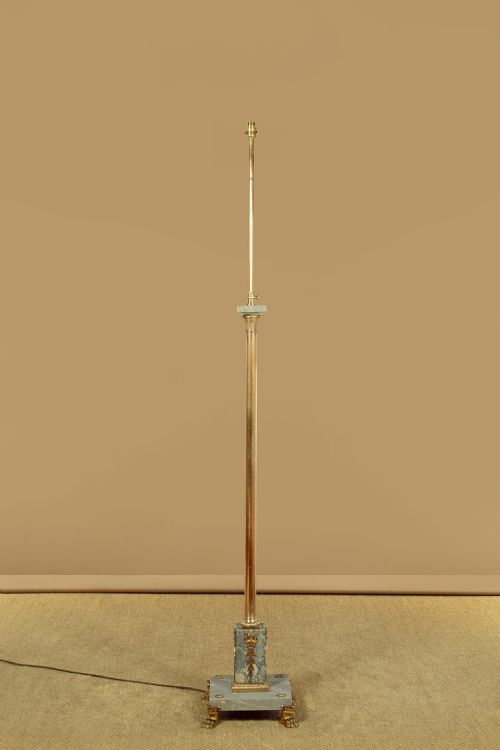
Makers combined metals with decorative elements such as onyx, ormolu, marble, and opaline glass to create contrasting textures along the standard. Many examples incorporated oil-burning mechanisms with dual or single burners before later conversions integrated electrical lamp holders.
Telescopic Standard Lamp Retail Price Guide 2026
Typical asking prices for telescopic standard lamp among the pieces listed under this phrase on Sellingantiques today, from the lower quarter to the upper quarter. They describe what is for sale here now, not the wider market.
Listings feature brass as the primary material, alongside wrought iron, copper, marble, onyx, and silver plate across Victorian and Edwardian periods.
Factors influencing quality
The distinction between standard examples and the finest pieces rests upon the weight of the metal casting, the crispness of classical detailing like fluted columns and Corinthian capitals, and the precision of the sliding inner mechanism. Heavy gauge brass and solid construction maintain stability at full extension without wobbling.
Artistry in mixed-metal designs, such as combined brass and copper work or incorporated onyx and ormolu mounts, elevates a piece from a utilitarian lighting source to a decorative focal point. Maker signatures, when present, further distinguish exceptional workshop production.
Hinks of B'ham·Messenger·W A S Benson
The Telescopic Standard Lamp Glossary
- Telescopic standard lamp
- A floor lamp featuring an adjustable height mechanism composed of concentric sliding tubes.
- Corinthian column
- A classical architectural column style featuring ornate acanthus leaves on the capital, frequently cast in brass for standard lamps.
- Rise and fall
- An alternative term for a height-adjustable mechanism that allows the lamp to move vertically.
- Standard oil lamp
- A tall floor-standing reservoir lamp designed to burn oil before widespread electrical conversion.
- Ormolu
- Gilded bronze or brass mounts applied for decorative effect, seen on finer Victorian and revival pieces.
Telescopic Standard Lamp: Frequently Asked Questions
How do you adjust the height?
The inner shaft slides upward within the main column and is secured at the desired elevation by a tightening key, screw collar, or internal friction mechanism.
Users should support the upper section with one hand while releasing the locking mechanism to prevent the lamp from dropping too quickly.
Were these originally oil lamps?
Many surviving examples began as oil-burning floor lamps during the nineteenth century, featuring a burner assembly and fuel reservoir at the top.
Most have since been adapted safely for modern electrical wiring while preserving their original telescopic standards and heavy bases.
What shades suit these lamps?
Fabric shades, opaline glass globes, and metal galleries complement the proportions of these tall standards depending on their period and style.
Arts and Crafts examples often pair well with simple fabric or copper styles, whereas Corinthian column lamps traditionally suit pleated silk or fringed shades.
How do I date a brass standard lamp?
Stylistic cues such as heavy cast brass bases, classical column capitals, and construction marks help place a piece within the Victorian, Edwardian, or Arts and Crafts periods.
Maker names stamped onto the turning keys or weighted bases provide a reliable method for identifying the decade of manufacture.