


Brass Telescopic Floor Lamp
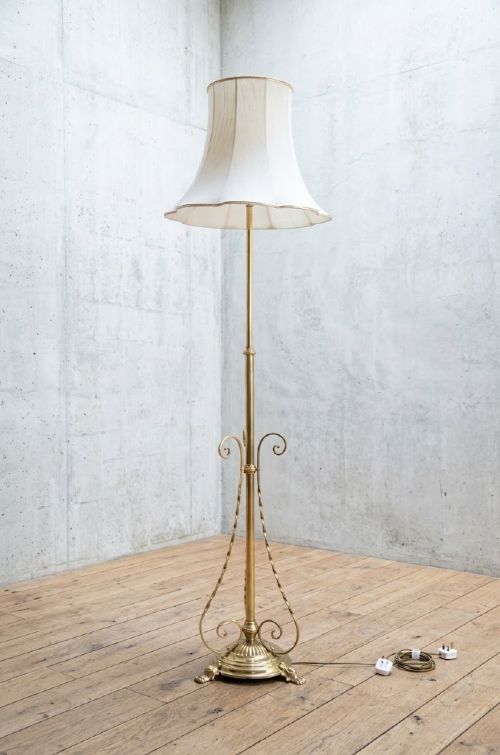
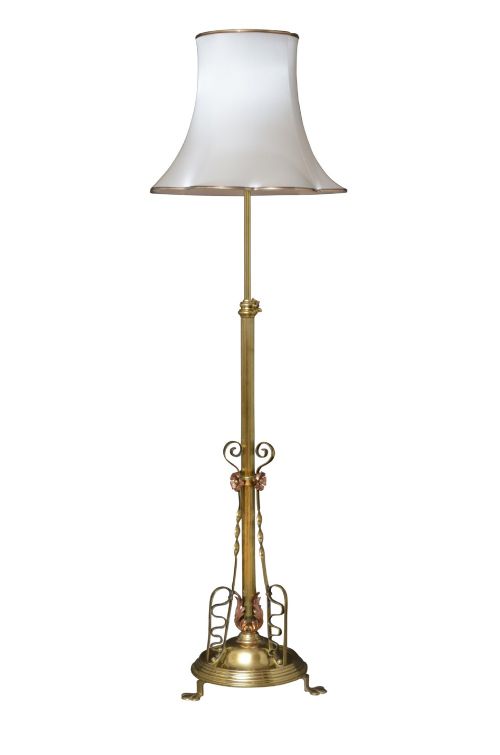
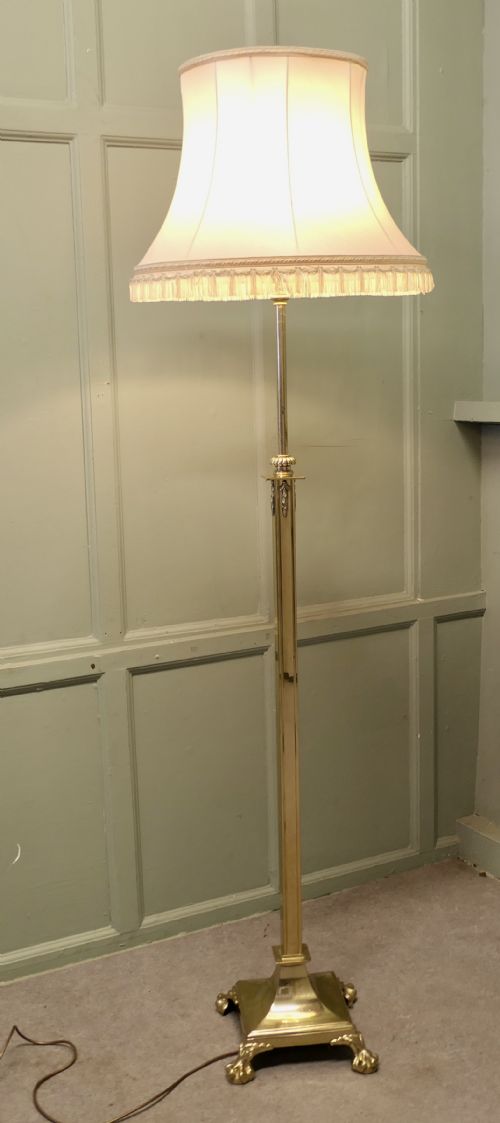
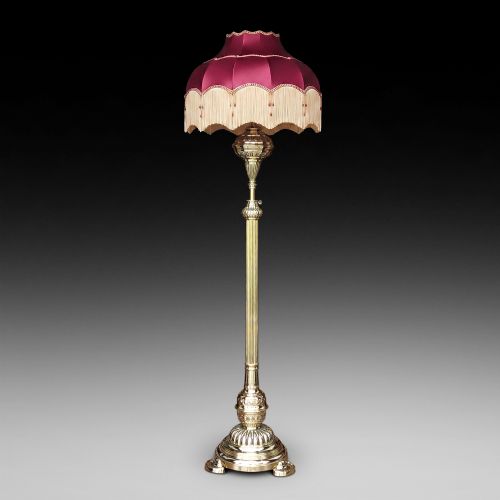
A brass telescopic floor lamp provides adjustable height and directional illumination through a extending column.
Brass Telescopic Floor Lamp
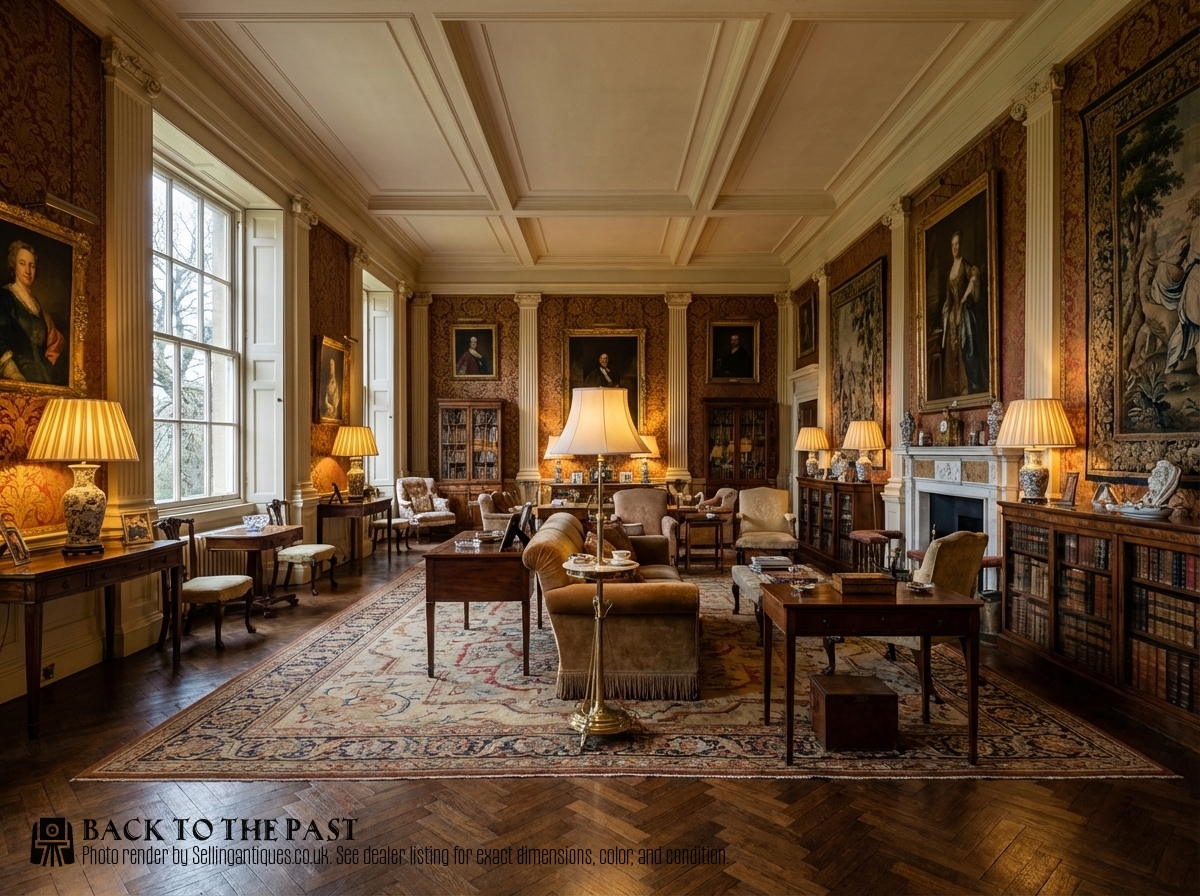
A brass telescopic floor lamp stands as a practical lighting solution developed to suit varied ceiling heights and seating arrangements in domestic interiors. When exploring brass telescopic floor lamps, buyers encounter pieces spanning the Victorian, Edwardian, and Arts and Crafts periods, alongside later twentieth century examples.
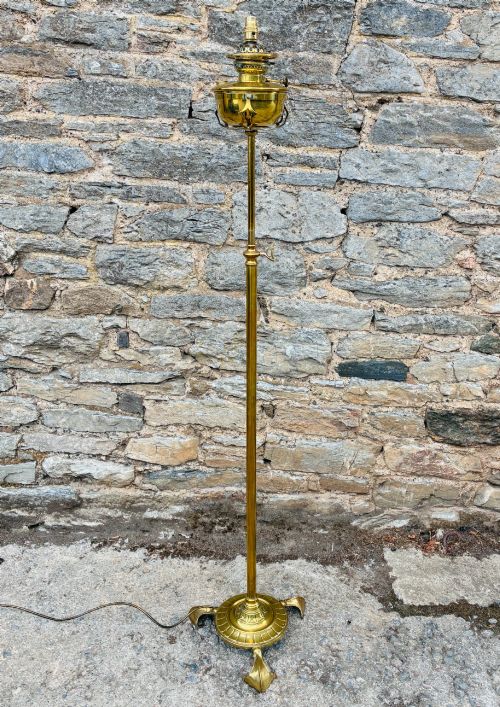
Many survivors began life as oil lamps before conversion to electricity during subsequent decades. These upright fixtures frequently appear under alternative historical designations such as standard lamps or oil lamps.
Common regional variants include English, French, and colonial productions that reflect the prevailing revival styles of their respective eras. The underlying mechanism permits the upper shaft to rise or descend smoothly within the lower column.
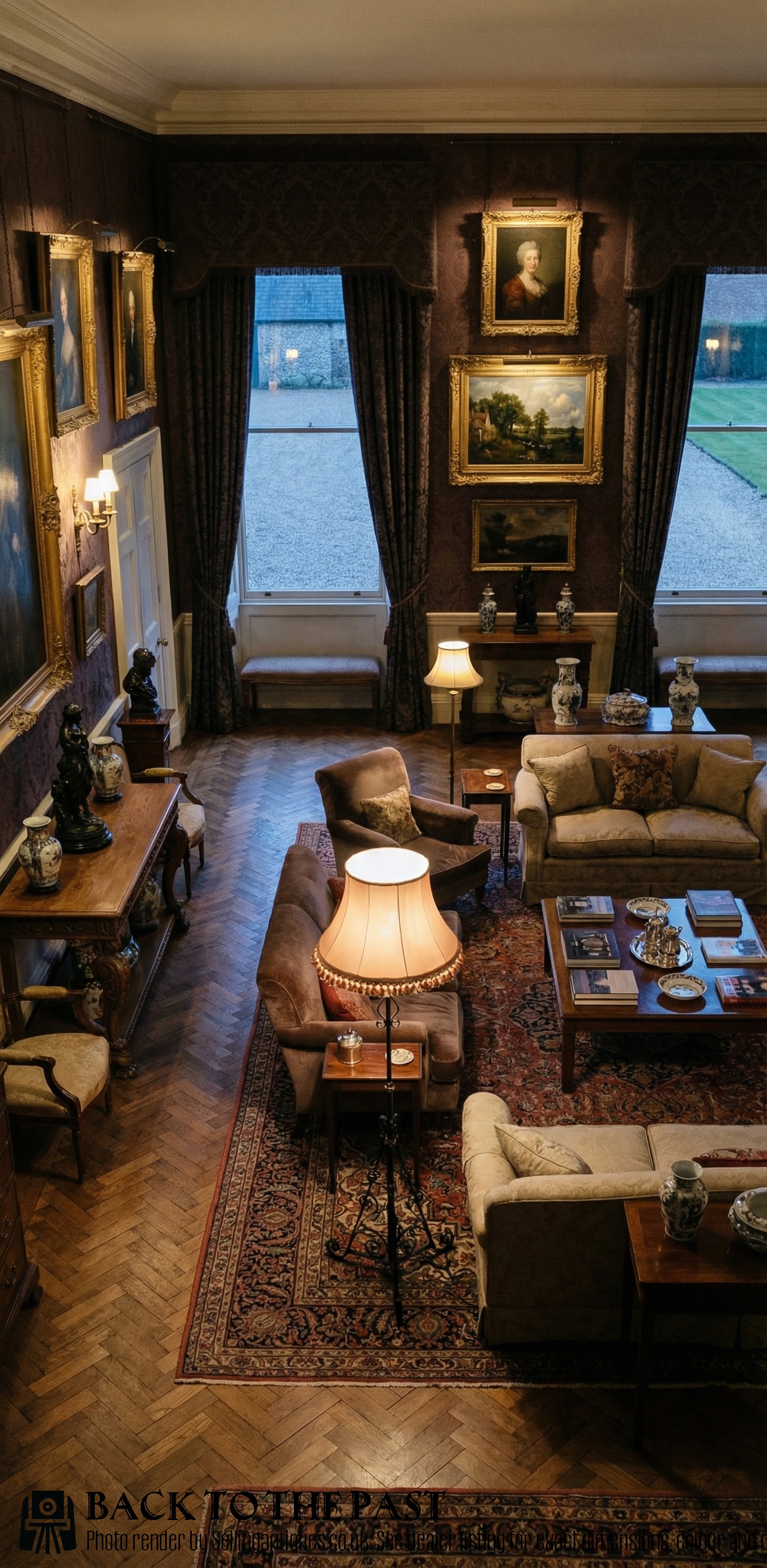
Materials and construction
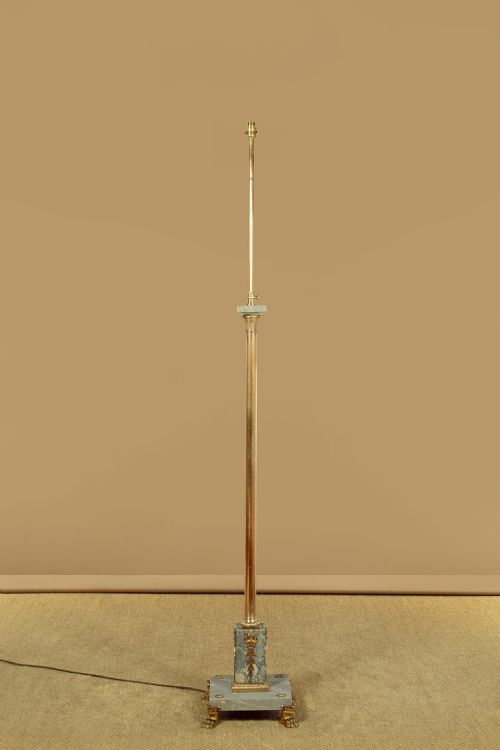
Makers utilised solid brass, often combined with copper, marble, onyx, or ormolu to provide substantial weight at the base and structural stability along the extending shaft. Heavy cast metal bases prevent tipping when the upper telescopic section is raised to its maximum height.
Mechanical components include internal keys, screw mechanisms, or friction collars designed to secure the adjustable inner rod at chosen elevations. Secondary metals such as silver plate or ebonised iron appear alongside the predominant brass finish across various regional workshops.
Brass Telescopic Floor Lamp Retail Price Guide 2026
Typical asking prices for brass telescopic floor lamp among the pieces listed under this phrase on Sellingantiques today, from the lower quarter to the upper quarter. They describe what is for sale here now, not the wider market.
Many of these sturdy brass standards began their lives burning paraffin oil before embracing the twentieth century switch to electricity.
Distinctions in craftsmanship
Superior examples exhibit heavy gauge metal casting, robust weighted bases, and finely engineered extension mechanisms that operate without excessive lateral play. The integrity of the telescopic action and the weight of the supporting foot distinguish finer productions from lighter utility pieces.
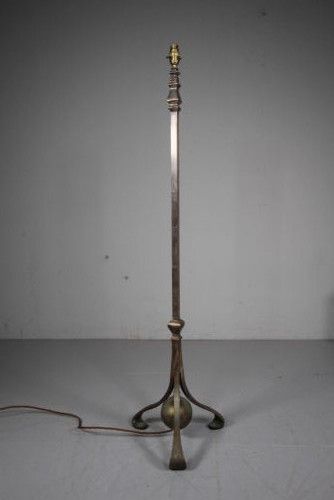
Decorative detailing ranges from plain turned columns to elaborate Corinthian capitals, hand-beaten Arts and Crafts surfaces, or integrated onyx plinths. The harmony of proportions when fully extended governs the visual success of the piece.
Hinks of B'ham·Messenger
The Brass Telescopic Floor Lamp Glossary
- Telescopic
- An extending column construction featuring an inner shaft that slides within an outer tube to adjust overall height. This mechanism allows the lamp to serve multiple functional roles within a room.
- Standard lamp
- A traditional British term for a floor-standing lamp designed to illuminate a room from a vertical post. These fixtures frequently incorporate weighted bases to support substantial fabric or glass shades.
- Corinthian column
- A classical architectural column form featuring ornate acanthus leaf capitals adapted for lighting standards. This decorative style recurs frequently across Victorian and Edwardian examples.
- Rise and fall
- An alternative description for an adjustable height mechanism that moves vertically along a central axis. Such mechanisms rely on internal counterweights or manual locking keys.
- Ormolu
- Gilding technique utilising ground metallic bronze applied to decorative mounts and architectural details. It adds rich golden accents to high-status nineteenth-century stands.
Brass Telescopic Floor Lamp: Frequently Asked Questions
How do I adjust the height safely?
Most models utilise a side thumb screw or an internal friction collar that secures the extending inner rod. Loosen this mechanism gently while supporting the upper section to prevent sudden drops.
Ensure the power cable has sufficient slack before altering the elevation to avoid straining internal wiring or connections.
Can I use modern lamp shades?
Standard shade carriers and gallery fittings accommodate a wide variety of contemporary or period-appropriate fabric and glass shades. Check the fitter diameter to ensure compatibility with the existing bulb holder.
Heavier opaline or ruby glass shades require robust gallery mounts to distribute weight evenly across the top of the standard.
Were these originally oil lamps?
A significant proportion of nineteenth-century examples started as paraffin or oil lamps before later conversion to electricity. These converted pieces often retain original burner galleries or reservoirs adapted for modern wiring.
Signs of conversion demonstrate the longevity and adaptability of these heavy brass lighting fixtures over successive generations of domestic use.
How do I identify Victorian examples?
Victorian pieces typically display heavy brass casting, classic Corinthian column designs, or maker stamps associated with Birmingham metalworkers. The presence of oil lamp components provides a reliable indicator of nineteenth-century origin.
Subsequent Edwardian and Arts and Crafts pieces introduced simpler linear forms or hand-beaten copper elements that contrast with earlier revival styles.