


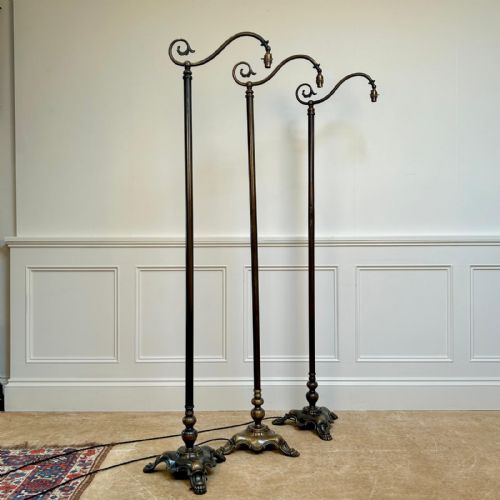

Vintage Brass Standing Lamp
These vintage brass standing lamps bring purposeful height and polished warmth to a room, offering both character and function for modern spaces.
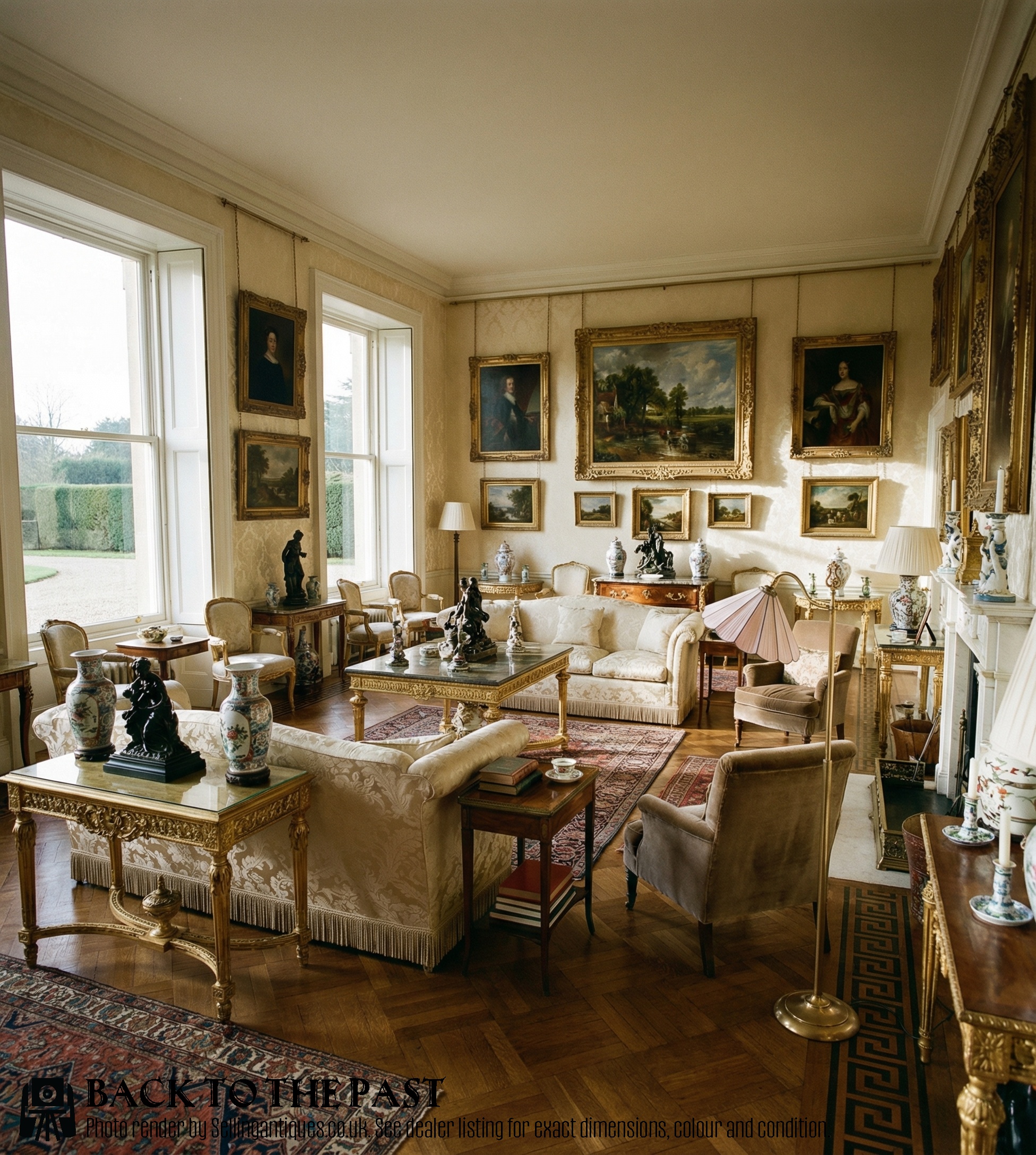
What vintage brass standing lamps are
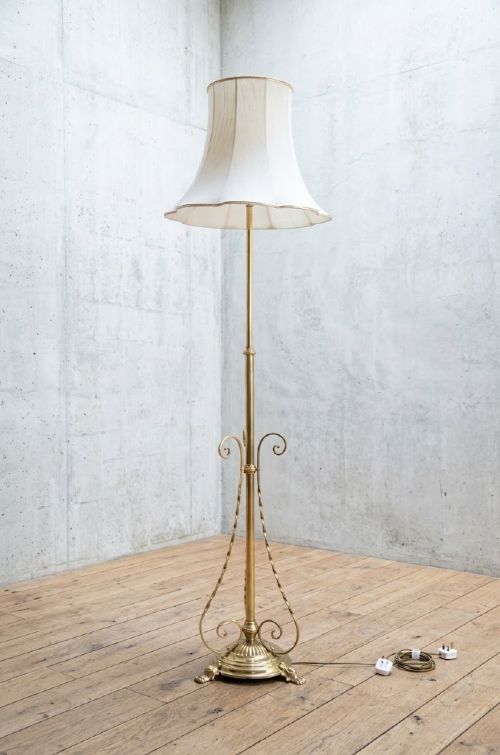
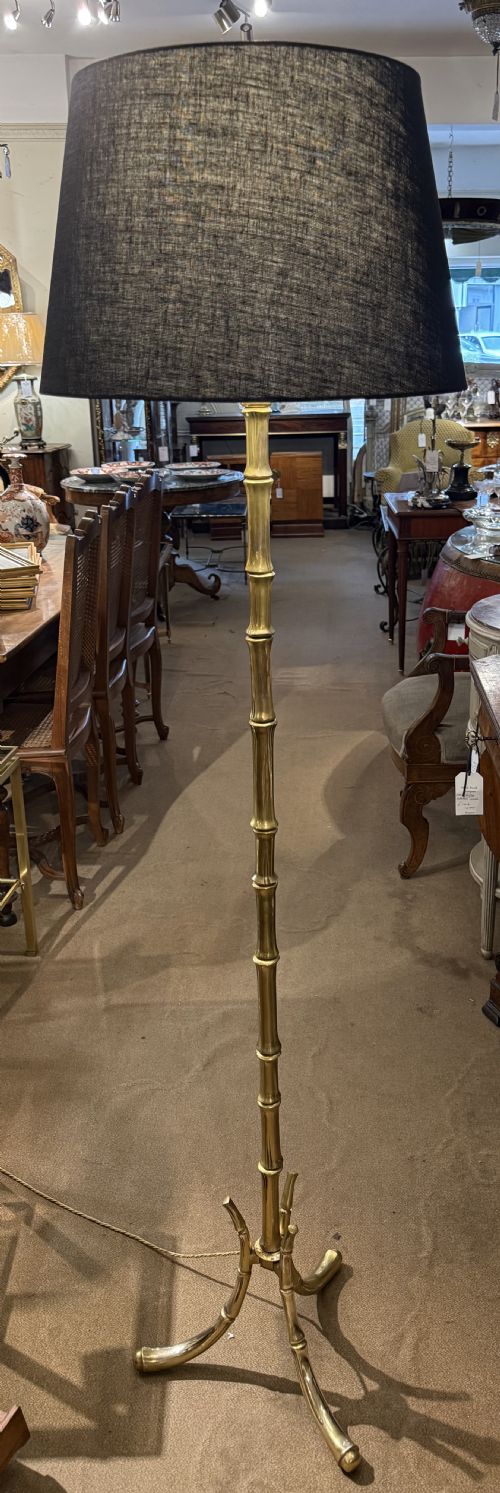
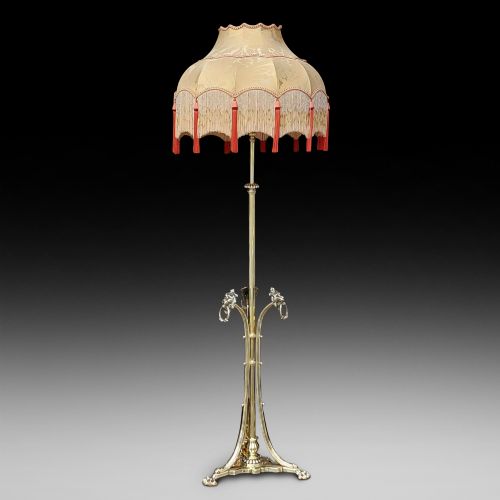
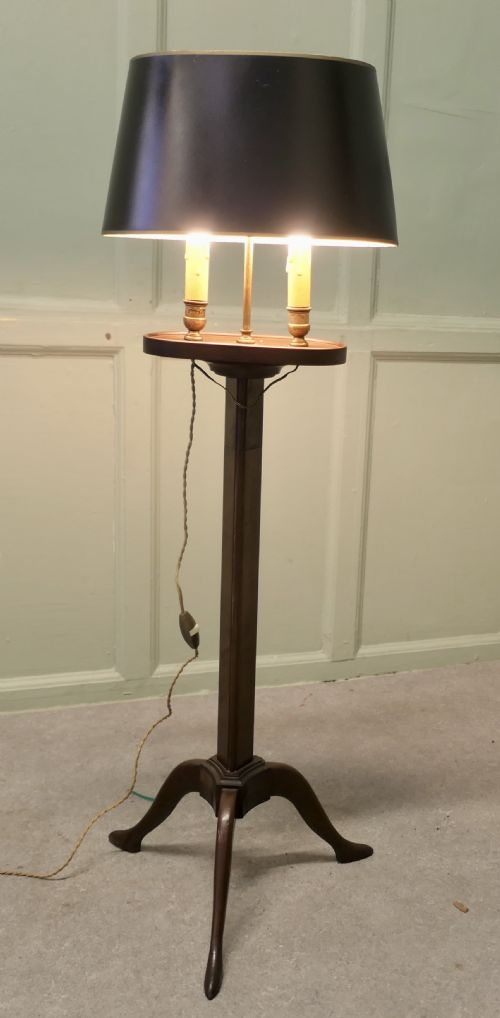
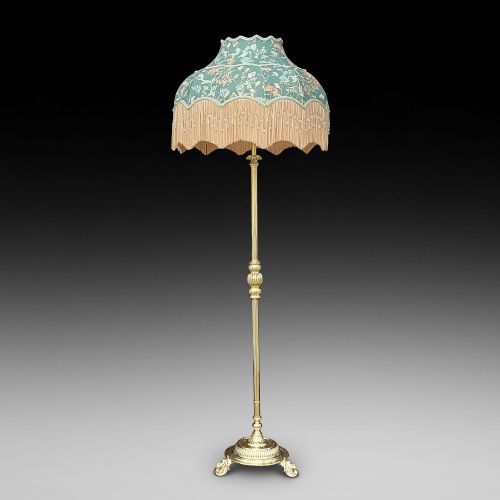
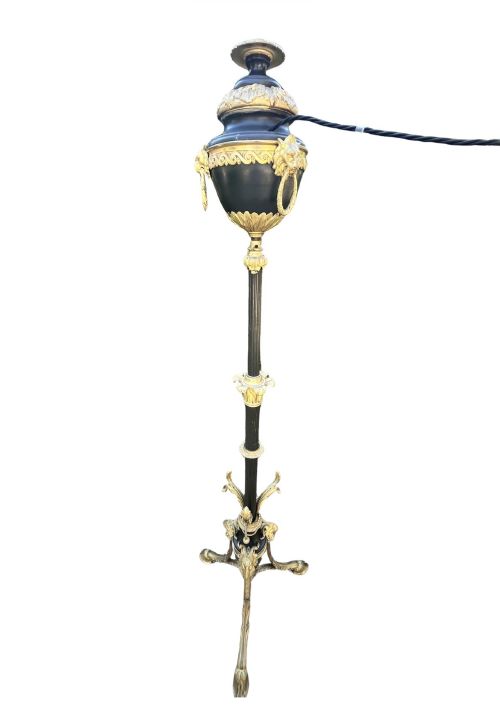
A vintage brass standing lamp is a tall lighting fixture designed to illuminate a room from floor level, appearing in forms such as standard lamps, floor lamps, and standard oil lamps. The selection spans Victorian, Edwardian, and turn of the century periods, covering dates from 1880 through 1900.
Buyers encounter classic vertical formats alongside specialised reading configurations. These pieces frequently incorporate adjustable heights and pivoting mechanisms to direct light precisely where required.
The style vocabulary draws heavily on Victorian, Edwardian, and Classical Revival traditions. Proportions range from slender telescopic stems to heavier weighted bases designed to support extended reaches.
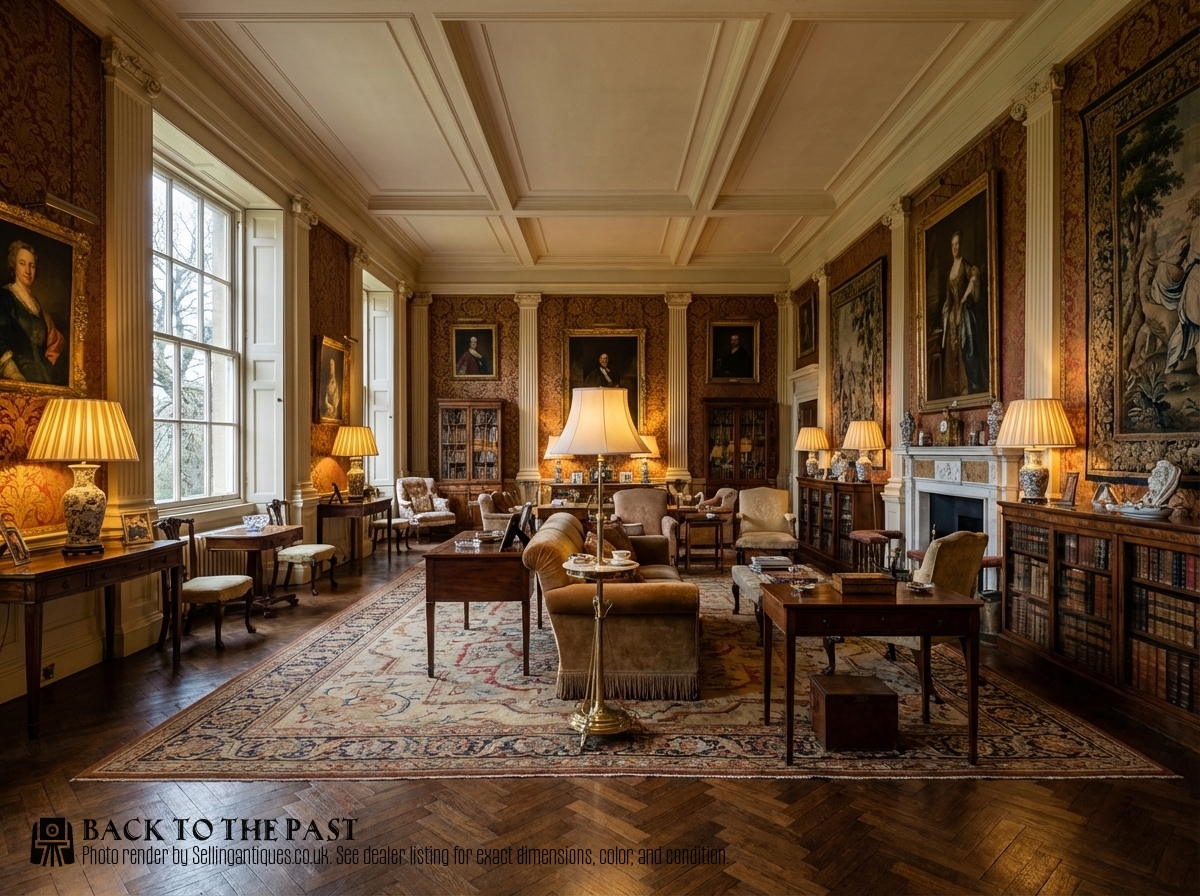
How they were made
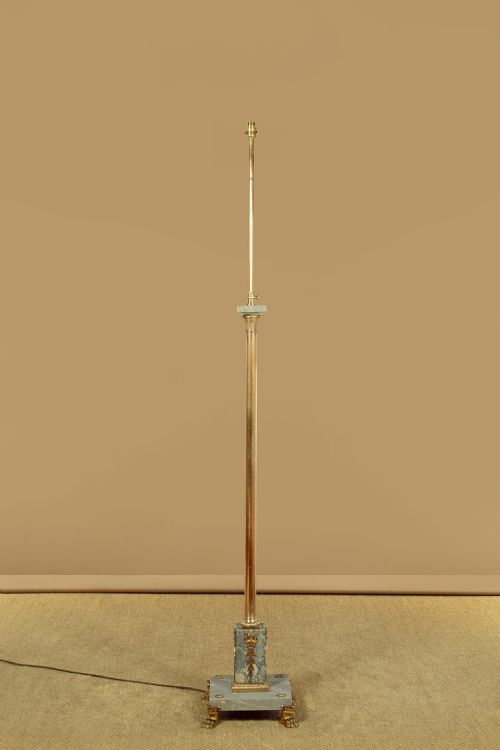
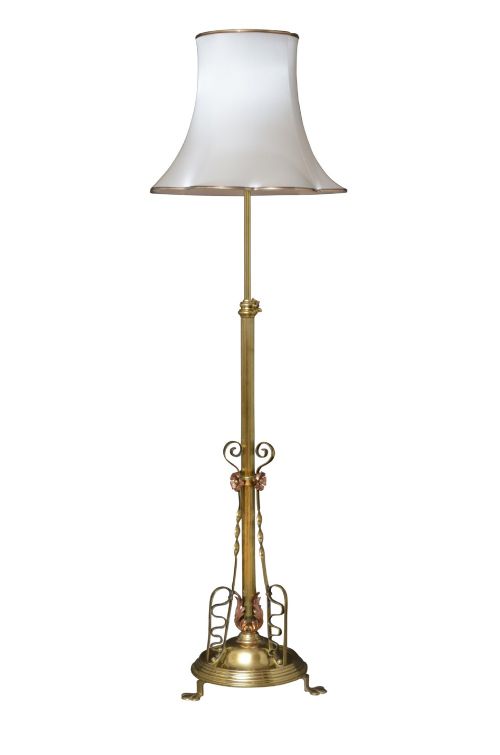
Construction relies primarily on cast brass, plain brass, and copper, paired occasionally with heavy marble bases for stability. Telescopic and extending shafts utilise tight-fitting metal sleeves and adjustment keys to alter the height smoothly.
Many examples integrate fabric and silk shade components to diffuse light softly. Glass elements also appear, particularly in the conversion of oil lamp reservoirs into electric standards.
Retail Price Guide 2026
Typical UK retail prices for vintage brass standing lamp, calculated from the Sellingantiques database of over a million retail prices indexed since 2003. This retail price guide relies exclusively on Sellingantiques data; no external sources or auction records are used, so the figures do not describe the wider market.
Some telescopic shafts still carry the faint scent of lamp oil from their days before electrical conversion.
What varies in quality
Quality reveals itself in the weight of the casting and the mechanical precision of the moving parts. Telescopic mechanisms that glide without wobbling and heavy marble or metal bases that anchor the piece firmly separate finer engineering from lighter production.
Material combinations signal higher ambition, particularly where warm copper contrasts with polished brass or where classical revival detailing is crisp and deeply struck.
Hinks of B'ham
The Vintage Brass Standing Lamp Glossary
- Standard lamp
- A tall floor-standing lighting fixture designed to hold a single bulb and shade at eye level or above. This term appears frequently alongside floor lamp in historical nomenclature.
- Telescopic
- A shaft construction featuring nested tubes that slide one inside another to adjust the overall height. This mechanism allows the lamp to adapt to different ceiling heights and seating arrangements.
- Standard oil lamp
- A tall lamp originally configured to burn paraffin via a wick and burner before later conversion to electricity. These often retain heavy weighted bases and sophisticated brass reservoirs.
- Classical revival
- A decorative style borrowing motifs from ancient Greek and Roman architecture, visible in the fluted columns and ornate bases of these lamps. This aesthetic dominated late nineteenth and early twentieth century design.
Frequently Asked Questions
Can I use standard modern lightbulbs?
Most converted standard lamps accept modern screw or bayonet bulbs depending on the original holder. Check the interior fitting before purchasing modern shades.
Ensure the wattage matches the historical wiring capacity, or have a professional rewire the lamp for modern safety standards.
What rooms suit a floor standing lamp?
These tall fixtures suit reading corners, dark corners of drawing rooms, and beside low seating where downward or ambient light is needed. Their vertical presence draws the eye upward.
Ensure there is a floor socket nearby or position the heavy base close to a wall outlet to avoid trailing loose cords across walkways.
How do I identify a Victorian standard lamp?
Victorian examples often feature heavier cast brass components, oil lamp conversions, and robust classical revival detailing. Dates generally span the later decades of the nineteenth century.
Look for hallmarks of period manufacture such as hand-threaded adjustments, heavy copper reservoirs, and substantial marble or stepped metal bases.