




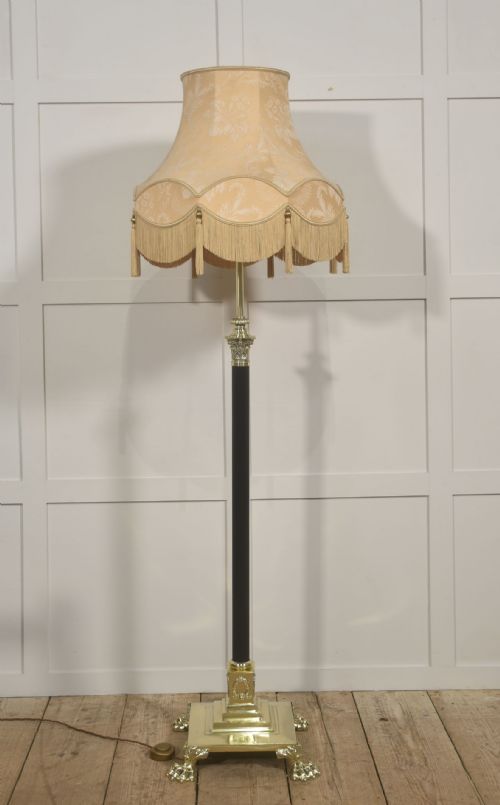


Traditional Brass Floor Lamp
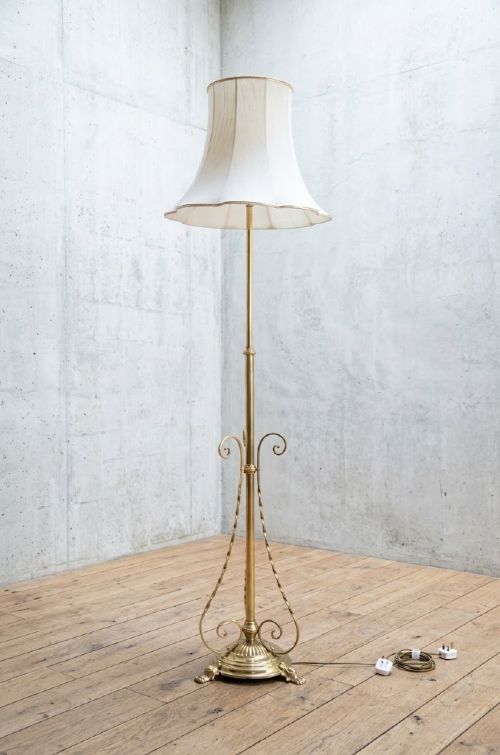
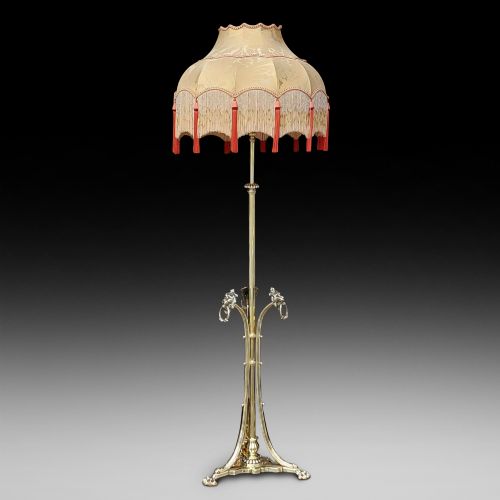
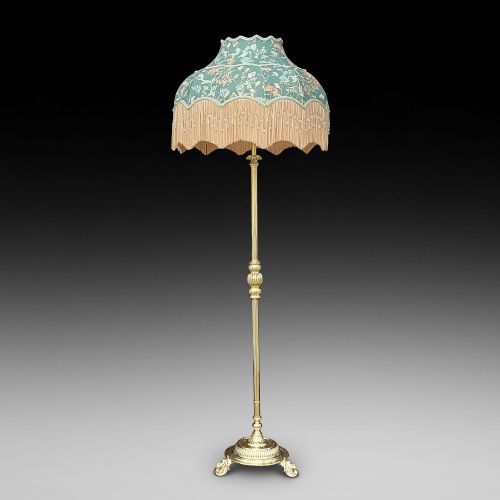
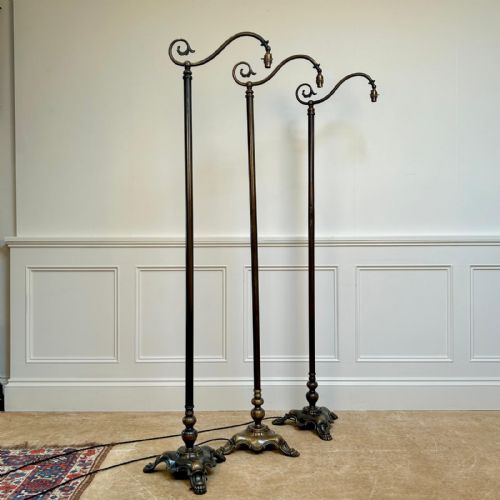
A traditional brass floor lamp brings period warmth and height to a room, offering substantial metal construction and classical columns.
Identifying traditional brass floor lamps
A traditional brass floor lamp is a tall lighting fixture designed to stand directly on the floor, providing ambient or task illumination. These pieces bridge the gap between practical room lighting and sculptural furniture, often incorporating decorative columns and weighted bases.
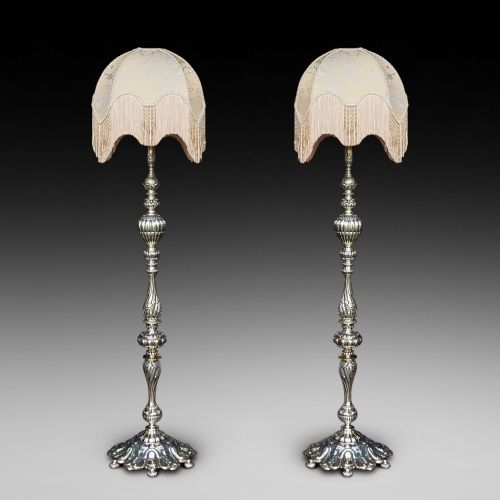
The selections available here span the Victorian, Edwardian, and nineteenth-century periods, capturing styles from Classical Revival and Art Nouveau. Buyers will frequently encounter standard lamps and uplighters in these groups, ranging from simple metal shafts to ornate architectural columns.
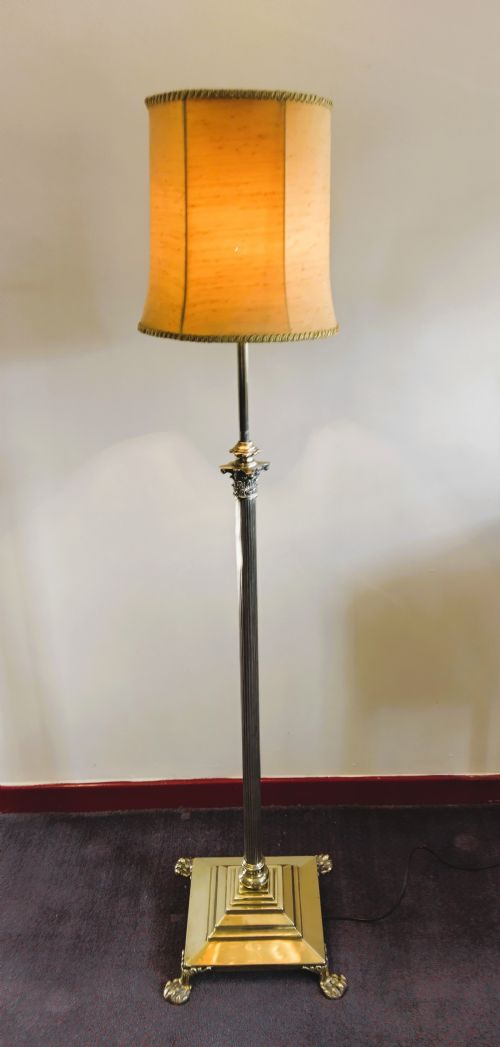
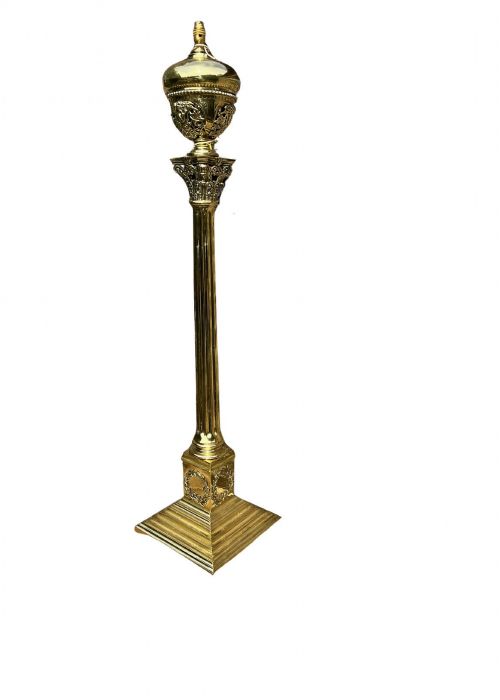
Edwardian and Victorian examples dominate the selection, showcasing period forms such as Corinthian columns and telescopic adjustments. Many of these standard lamps feature brass construction paired with fabric or glass elements, reflecting the manufacturing standards of their respective eras.
Materials and construction
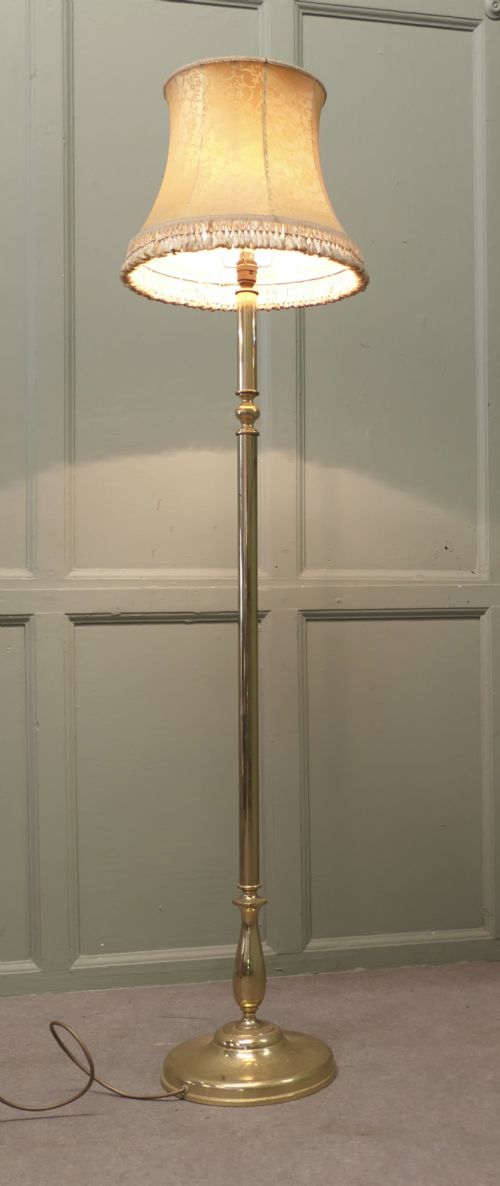
Construction relies heavily on cast brass and standard brass components, shaped into slender shafts or robust architectural columns. Metals are frequently combined with glass and fabric elements to complete the structure and diffuse the light output.
Period manufacturing techniques include telescopic mechanisms that allow the height of the lamp to be adjusted. Bases are weighted and cast to ensure stability for the tall upright shafts, while surface finishes develop a natural patina over time.
Retail Price Guide 2026
Typical UK retail prices for traditional brass floor lamp, calculated from the Sellingantiques database of over a million retail prices indexed since 2003. This retail price guide relies exclusively on Sellingantiques data; no external sources or auction records are used, so the figures do not describe the wider market.
Listings feature brass, glass, and fabric materials spanning Victorian and Edwardian periods.
Assessing quality and craftsmanship
Quality in these floor lamps rests on the crispness of the cast brass details, particularly on capital columns and base mouldings. Sharply defined acanthus leaves or fluting on a Corinthian column signal a higher tier of Victorian or Edwardian manufacturing.
The presence of functional mechanisms, such as smooth-operating telescopic adjustments, distinguishes superior examples from rigid designs. Heavier gauge brass and solid cast components provide better physical balance and longevity compared to lighter, thinner assemblies.
The Traditional Brass Floor Lamp Glossary
- Standard Lamp
- A term historically used in British English for a floor lamp designed to stand upright on the floor. These pieces typically support a fabric shade at reading height.
- Corinthian Column
- An architectural order featuring ornate capitals decorated with acanthus leaves. This classical style is frequently adapted into the shafts of Victorian and Edwardian floor lamps.
- Telescopic
- A construction method allowing the upper shaft of the lamp to slide upward and downward. This mechanism permits adjustable height settings for different lighting needs.
- Uplighter
- A lighting configuration directed upward toward the ceiling rather than downward through a shade. These fixtures create indirect ambient room illumination.
Frequently Asked Questions
What is a traditional brass floor lamp?
A traditional brass floor lamp is a tall, freestanding lighting fixture made primarily from brass, dating from periods like the Victorian and Edwardian eras. They are designed to stand on the floor and provide illumination while serving as decorative furniture.
These pieces often feature columns, weighted bases, and sometimes telescopic shafts to adjust height. Their design is rooted in historical styles such as Classical Revival and Art Nouveau.
How do I date a brass floor lamp?
Dating these lamps involves looking at stylistic markers such as Corinthian capitals, telescopic mechanisms, and overall silhouette forms. Pieces from the Victorian and Edwardian periods often display distinct casting techniques and classical ornamentation.
Examining the construction methods and the type of brass used helps align the piece with nineteenth-century or early twentieth-century manufacturing standards. Design details like Art Nouveau curves also point toward specific stylistic eras.
Where were standard lamps used historically?
Standard lamps were placed in sitting rooms, libraries, and parlours to provide localized lighting for reading or sewing. Their height allowed them to cast light over furniture groupings without requiring tabletop placement.
Because they could be moved across rooms with wooden floors or carpets, they offered flexible illumination before fixed wall wiring became standard in every domestic space.
How do I live with a brass floor lamp?
Living with a period brass floor lamp involves pairing its metallic finish and height with complementary room furnishings. They fit well beside armchairs or in corners where ambient vertical light is required.
Maintenance typically involves gentle dusting of the brass and ensuring the wiring meets contemporary safety standards. The metal develops a natural patina that suits traditional interiors.