


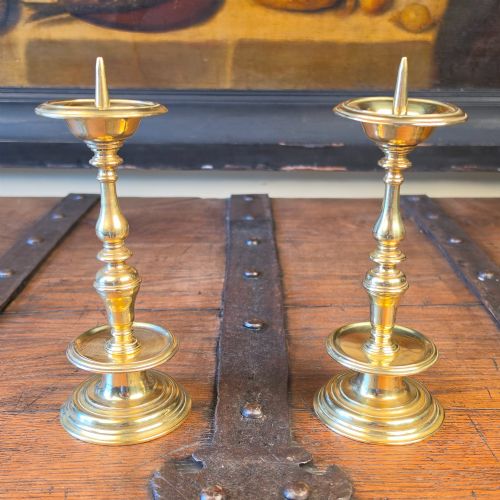
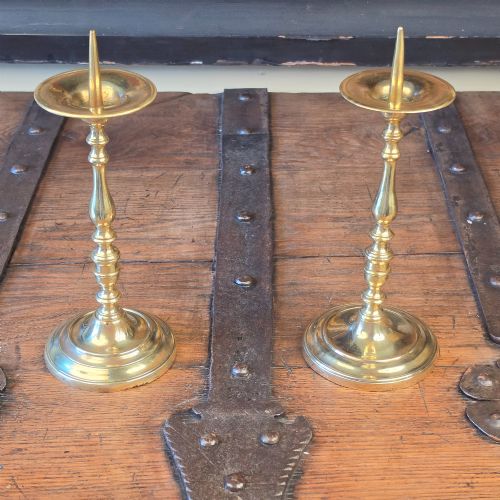
Traditional Brass Lighting
Traditional brass lighting delivers genuine period weight and warmth to a room through centuries-old metal forms.
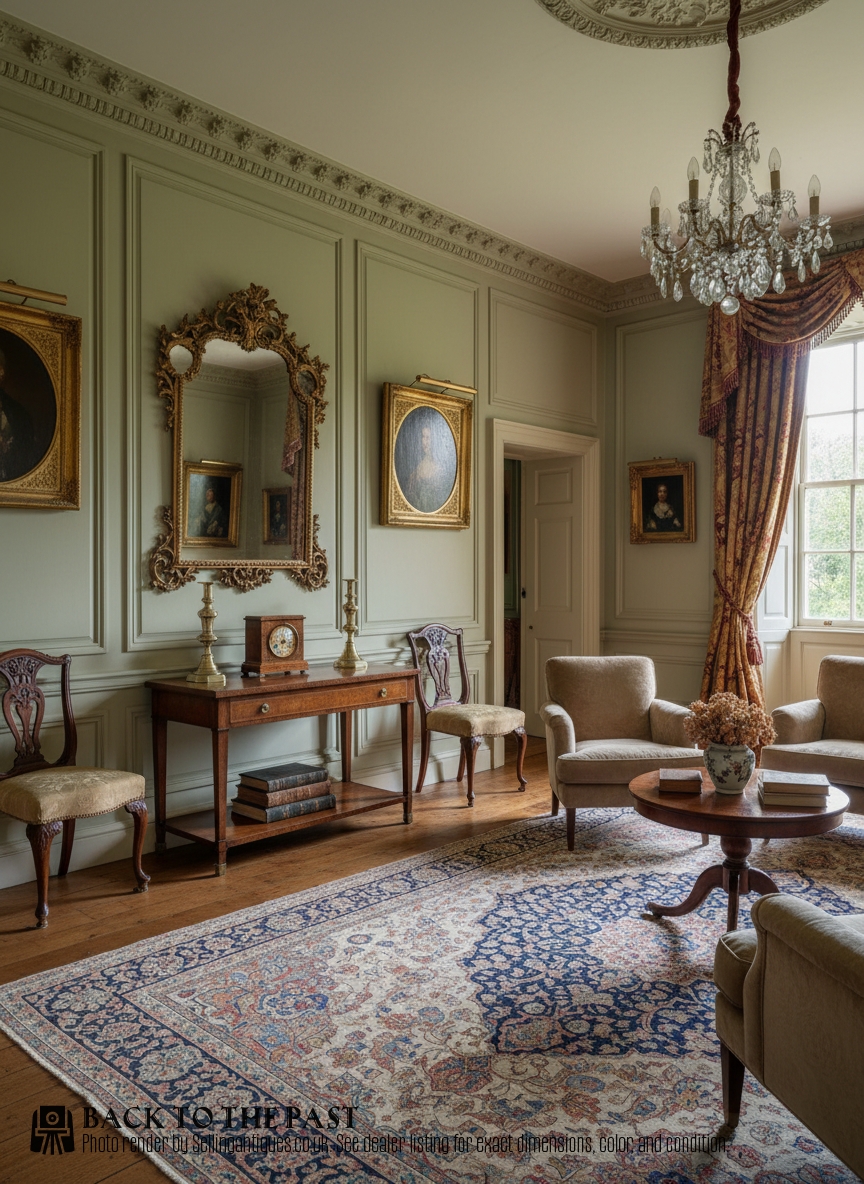
What traditional brass lighting is
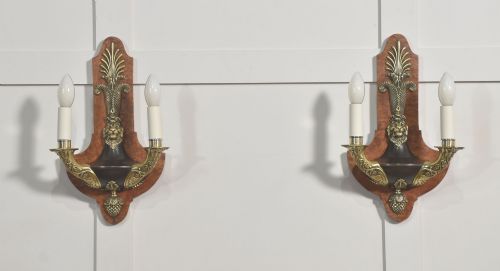
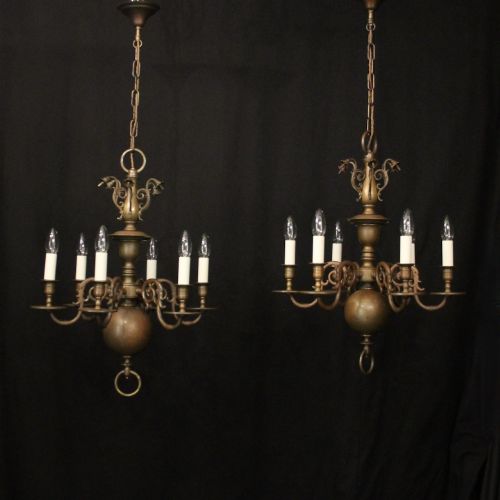
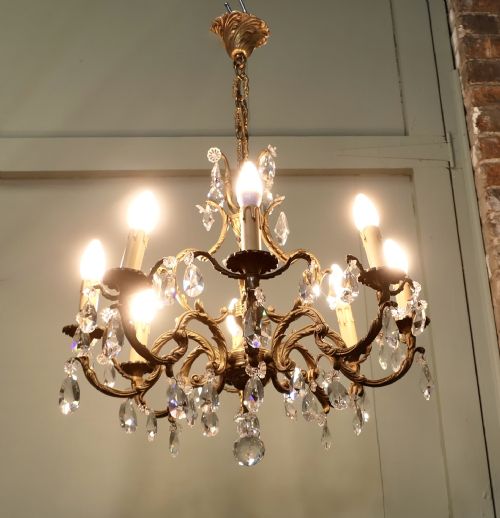
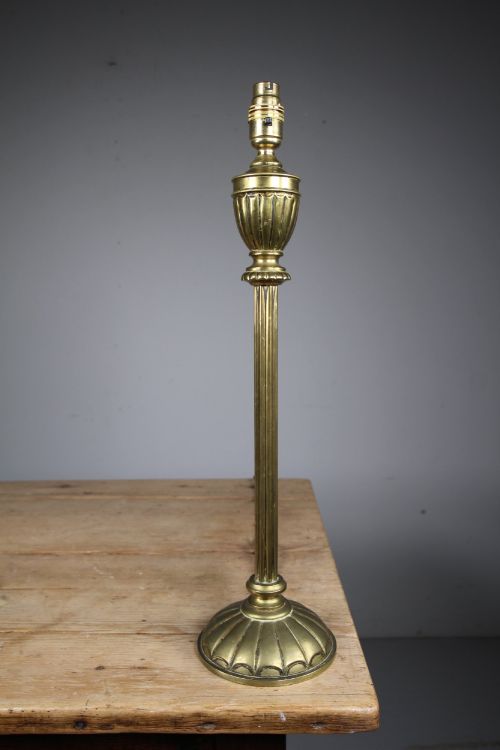
Traditional brass lighting encompasses utilitarian objects and decorative fittings transformed into functional illumination over time. When searching for traditional brass lighting, buyers encounter varied forms spanning multiple centuries of domestic use.
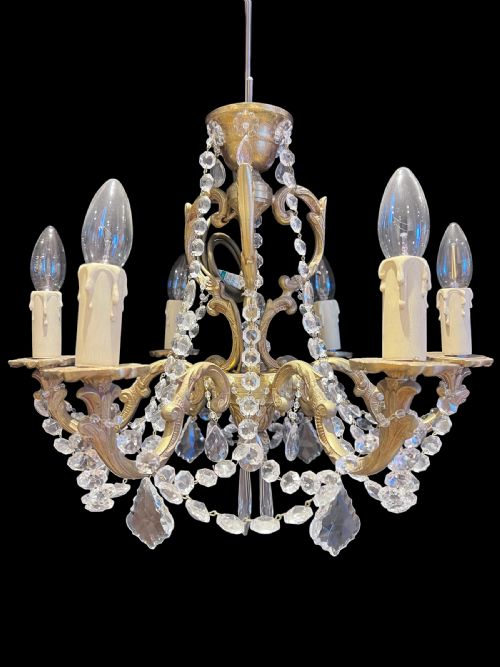
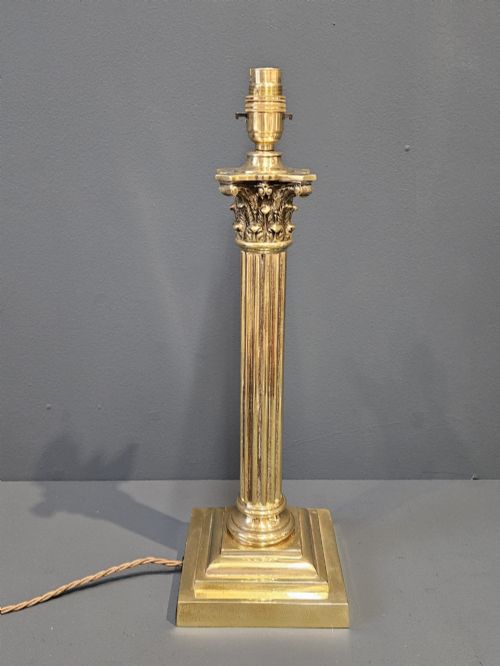
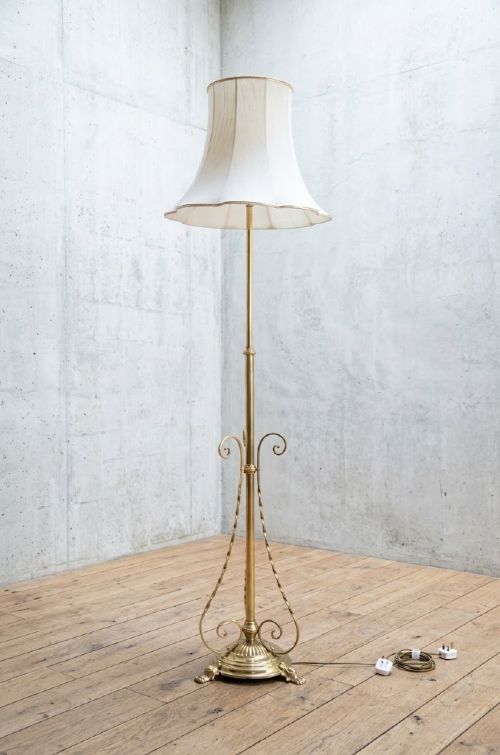
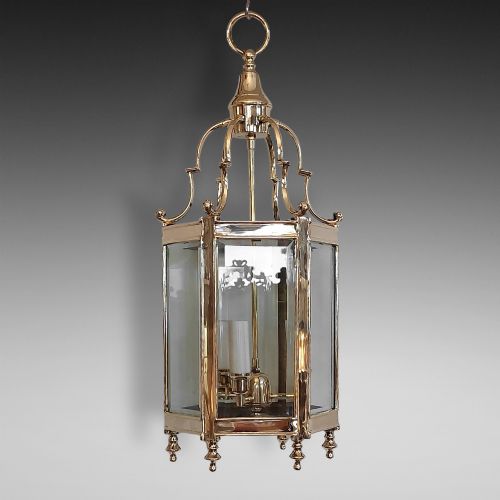
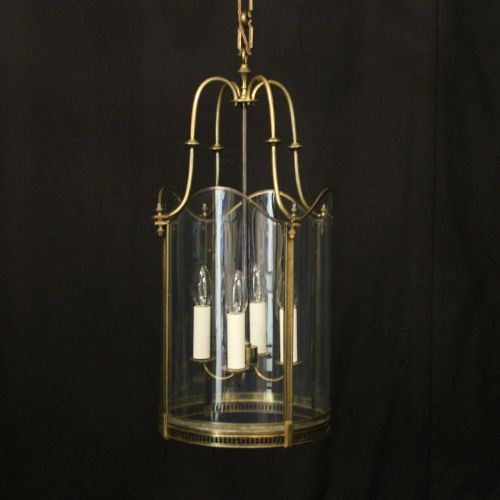
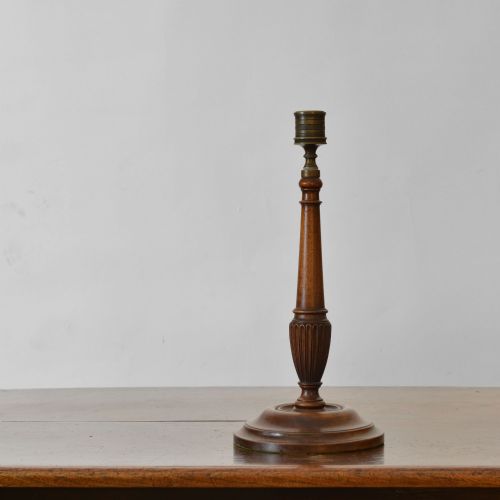
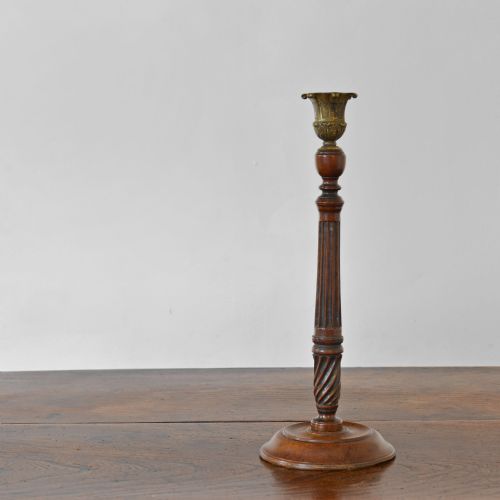
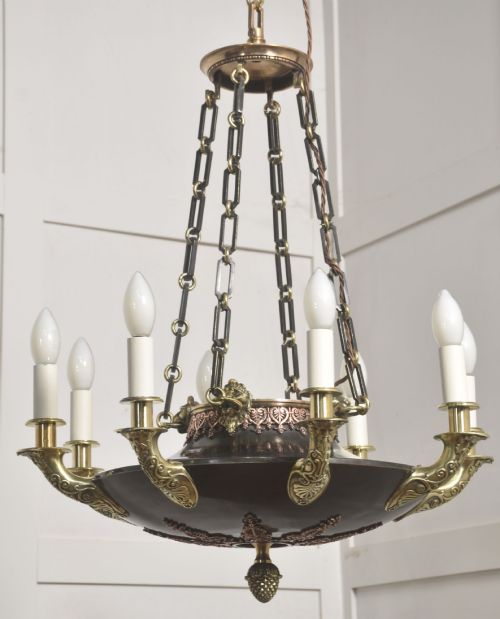
The selections available here range from early eighteenth-century patinated single candlesticks to grand twentieth-century chandeliers. Standard oil lamps, floor lamps, and converted table lamps also appear among the offerings.
Stylistic influences stretch from Georgian and English Neoclassical to Victorian and Baroque Revival aesthetics. Solid brass and gilded brass dominate the material palette, often paired with silk or fabric shades.
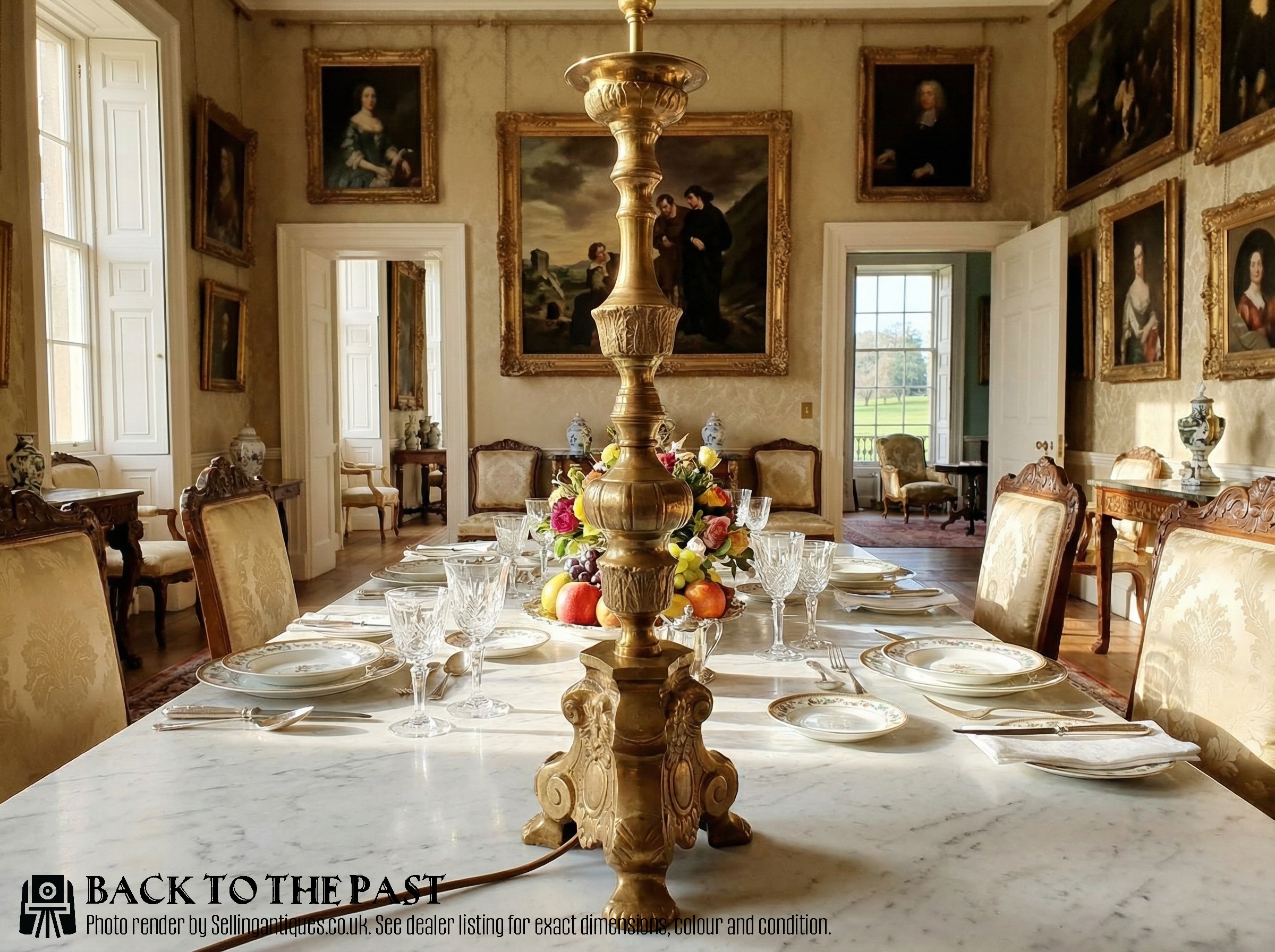
How traditional brass lighting was made
Items in this category rely primarily on cast brass or sheet metal construction, reflecting the prevailing metalworking methods of their respective periods. Artisans shaped these components using foundational techniques like casting, turning, and soldering.
Surface finishes include natural patination developed through age, applied gilding, and deliberate patination to enhance visual depth. Many pieces transitioned from burning oil or tallow candles to electricity through later wiring conversions.
Retail Price Guide 2026
Typical UK retail prices for traditional brass lighting, calculated from the Sellingantiques database of over a million retail prices indexed since 2003. This retail price guide relies exclusively on Sellingantiques data; no external sources or auction records are used, so the figures do not describe the wider market.
What varies in quality
Quality in these pieces rests upon the crispness of the casting and the structural integrity of the metal components. Heavier gauge brass and sophisticated decorative detailing distinguish the finer examples from simpler utilitarianware.
The sophistication of the period style, whether Baroque Revival or English Neoclassical, dictates the artistic ambition of the piece. Preservation of original surface patination and honest conversion work further elevate an object's character.
The Traditional Brass Lighting Glossary
- Brass
- An alloy of copper and zinc used extensively for its durability and warm golden tone. It forms the primary structural material for this lighting.
- Standard lamp
- A tall floor-standing lamp designed to provide ambient illumination. These often feature adjustable heights or telescopic columns.
- Patination
- The natural sheen or surface ageing developed on metal over decades of exposure to air and handling. Collectors prize undisturbed patination for its historical honesty.
- Candelabra
- A branched candlestick holder designed to support multiple light sources simultaneously. Many survive after being converted to electrical table lamps.
Frequently Asked Questions
What is the difference between cast and spun brass?
Cast brass involves pouring molten metal into a mould, resulting in heavier, more intricately detailed components with thick walls. This method appears frequently on finer candlesticks and chandelier frames.
Spun brass utilises a lathe to shape sheet metal into symmetrical forms, producing lighter objects typical of later manufacturing. Examining the weight and interior texture usually reveals the method used.
How should I clean antique brass?
Gentle dusting with a dry microfibre cloth removes surface grit without disturbing the historical surface. Avoid abrasive commercial metal polishes that strip away desirable age patination.
If cleaning is necessary, mild soap and warm water applied sparingly will lift grime. Dry the metal thoroughly immediately afterwards to prevent spotting.
Can converted oil lamps use standard bulbs?
Most converted standard oil lamps accept modern screw or bayonet fittings housed within historical burners or newly adapted collars. The original font or reservoir often houses the electrical switch and wiring.
Choosing low-heat LED bulbs helps protect nearby fabric shades and old wiring from thermal stress. Ensure the shade carrier matches the new bulb fitting size.