


Gilded Brass Pendant
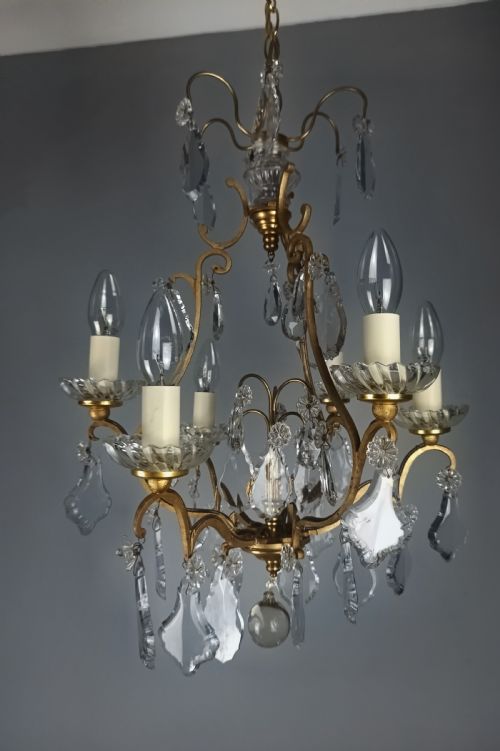
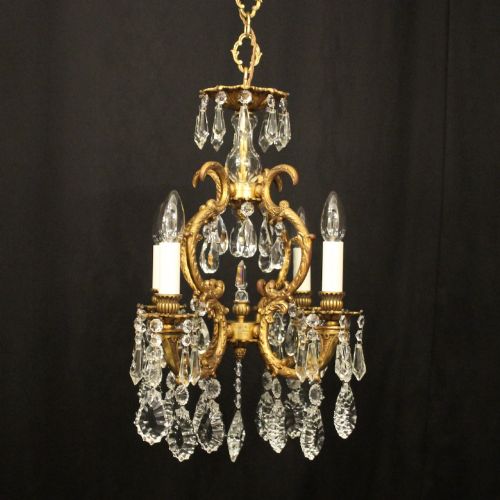
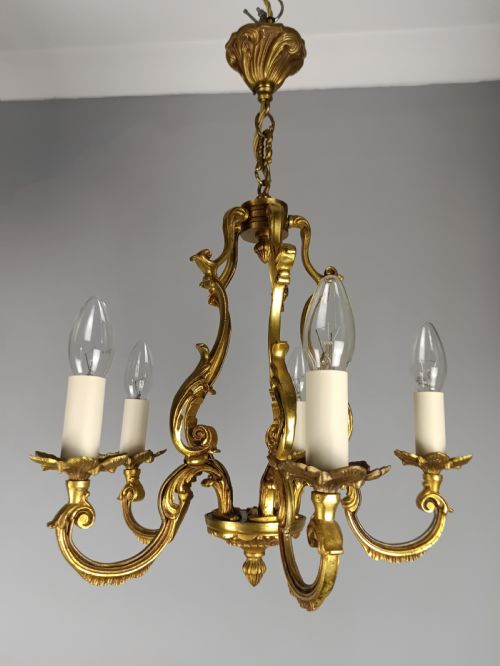
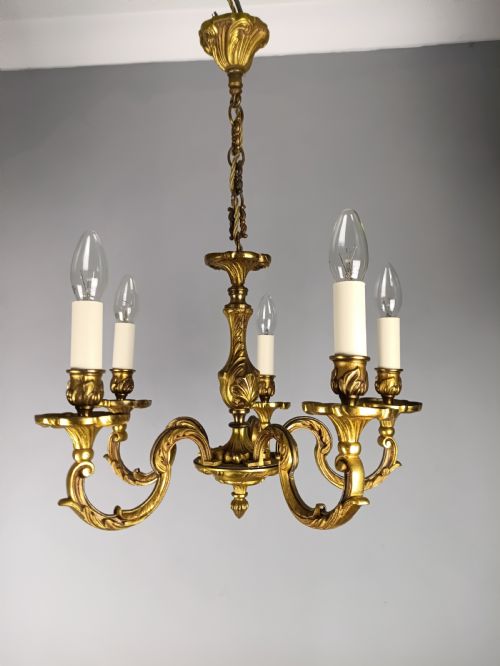
These gilded brass pendant options bring bright warmth and historic French or English character to your ceiling.
Gilded Brass Pendant
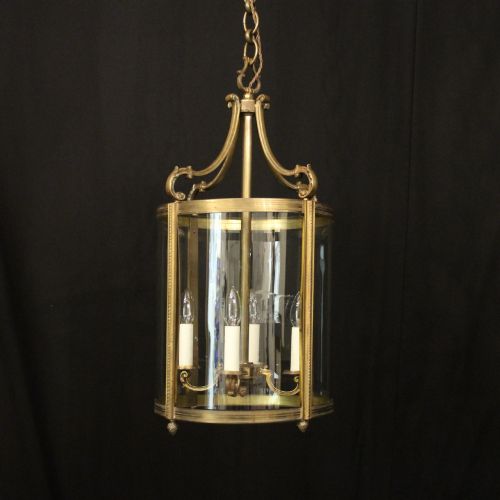
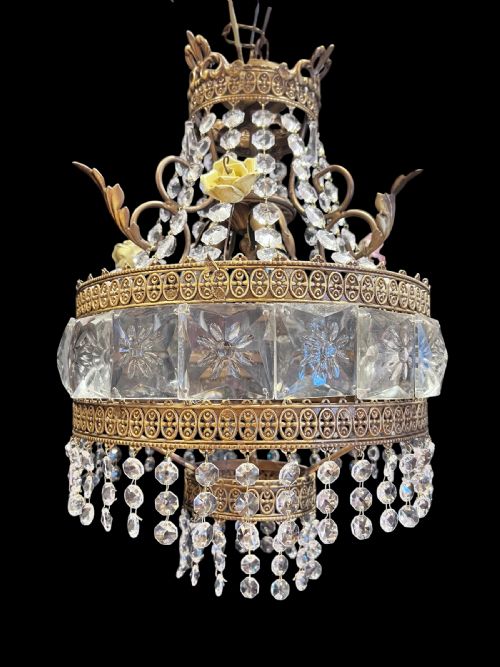
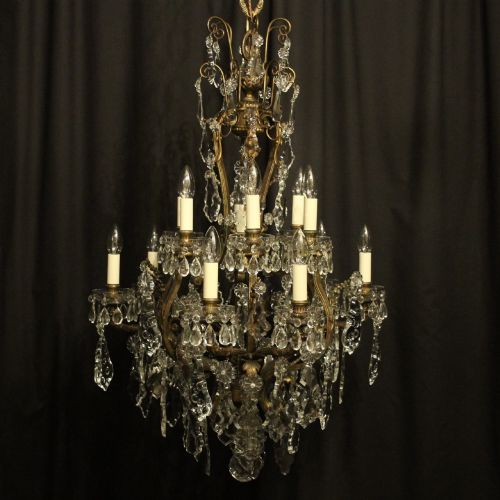
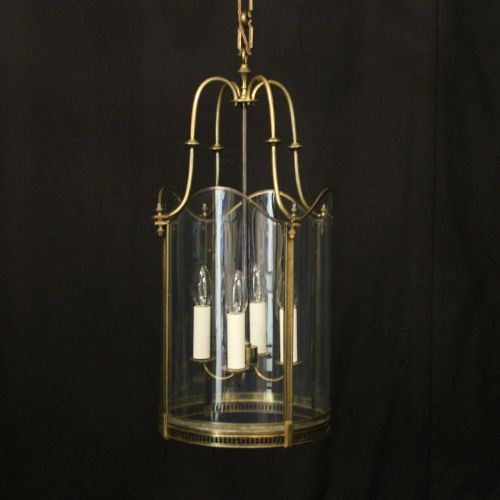
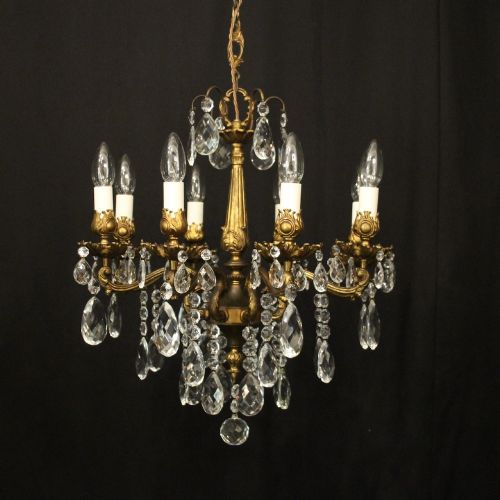
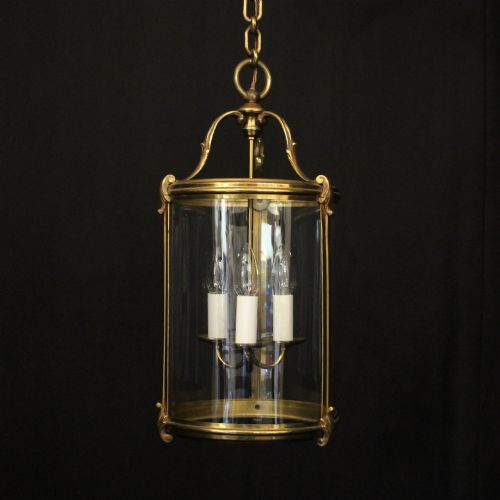
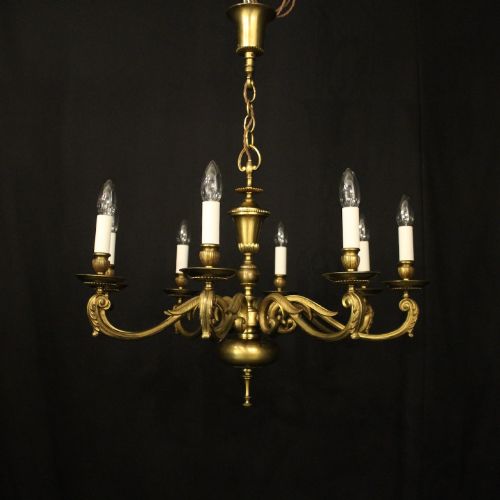
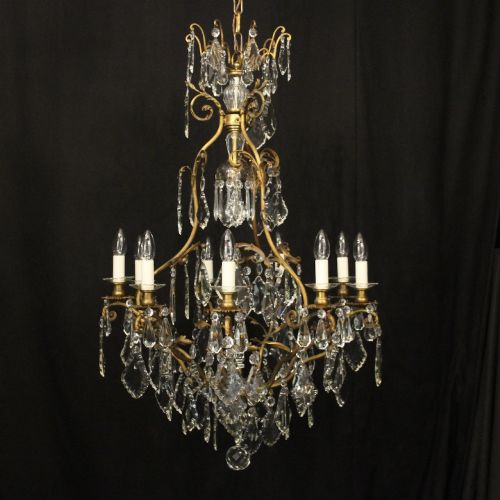
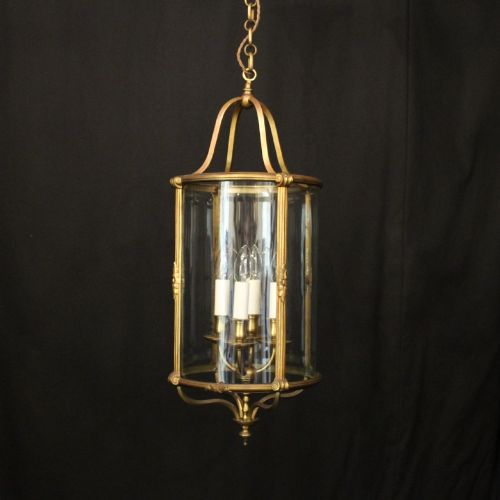
A gilded brass pendant hangs from the ceiling to illuminate a room, often taking the form of a hall lantern, a birdcage chandelier, or a multi-light fixture. These items originate from periods spanning the nineteenth century through the nineteen-thirties, reflecting diverse influences from French chateau aesthetics to Italian Florentine designs.
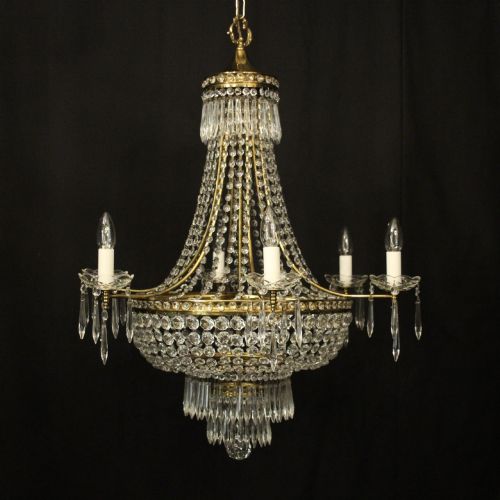
The most common examples encountered on this page combine cast metal frames with suspended crystal drops or glass shades. Many pieces incorporate multiple bulb holders, ranging from single-light lanterns up to large twelve-light chandeliers.
How they were made
Makers constructed these hanging fixtures using cast and shaped brass, bronze, and gilt metal, applying a gold-coloured surface treatment to create a bright metallic sheen. Frames often feature decorative elements like winged cherubs, porcelain flowers, or tolewear ceramic components.
Glass and crystal elements are integrated extensively, utilising cut drops, beads, convex panels, and waterfall arrangements to refract the light. Metal arms and galleries hold these components together mechanically or via pinned joints.
Gilded Brass Pendant Retail Price Guide 2026
Typical asking prices for gilded brass pendant among the pieces listed under this phrase on Sellingantiques today, from the lower quarter to the upper quarter. They describe what is for sale here now, not the wider market.
A winged cherub keeps watch from above on selected nineteenth-century ceiling fixtures.
What varies in quality
The refinement of the casting and chasing on the metal components dictates the visual clarity of the ornament, separating simpler commercial frames from heavily detailed artisanal work. Heavier gauge brass and bronze retain crisp floral and figurative details much better over time.
The completeness and quality of the crystal or glass dressing also determine the overall standard of a piece. Hand-cut crystals with sharp facets create richer light refraction than plain moulded glass pendants.
The Gilded Brass Pendant Glossary
- Gilded brass
- A copper and zinc alloy treated with a gold-coloured finish to simulate solid gold. This material provides a durable, bright structural frame for hanging light fixtures.
- Hall lantern
- An enclosed ceiling-hung light fixture designed specifically for corridors and entranceways. These typically feature glass panels held within a metal framework.
- Plafoniere
- A ceiling-mounted lighting fixture that sits relatively flush against the plaster rather than hanging low on a chain. They often combine a metal gallery with a glass bowl or shade.
- Tolewear
- Painted sheet metal used to form decorative leaves, flowers, or structural elements on light fittings. It brings colourful, opaque detail alongside shiny brass and crystal.
- Tent and waterfall
- A specific arrangement of crystals where strings form an upper triangular tent shape dropping down into a cascading waterfall effect. This traditional configuration maximises light reflection.
Gilded Brass Pendant: Frequently Asked Questions
How do I hang a heavy brass pendant?
Suspension requires securing the fixture directly into a ceiling joist or using a rated structural ceiling hook that can support the total weight of the metal and crystal.
Professional electrical installation ensures the internal wiring safely connects to your mains power supply.
How do I clean a crystal chandelier?
Dust the metal frame and glass components regularly with a soft, dry cloth to prevent grime accumulation.
For deeper cleaning, apply a mild glass cleaner to a cloth and wipe individual crystals rather than submerging the entire fixture.
Where should I hang a hall lantern?
These fixtures suit narrow entranceways, stairwells, and corridors where their enclosed design provides focused downward illumination.
Hanging height should leave sufficient clearance underneath for people to walk past comfortably.
How do I date a brass light fixture?
Examine the casting style, assembly methods, and wiring types to determine the manufacturing era, which ranges from the nineteenth century through the nineteen-thirties.
Stylistic cues like French Rococo or Edwardian lustre designs offer further clues to the period of origin.