


Carved Wood Standard Lamp
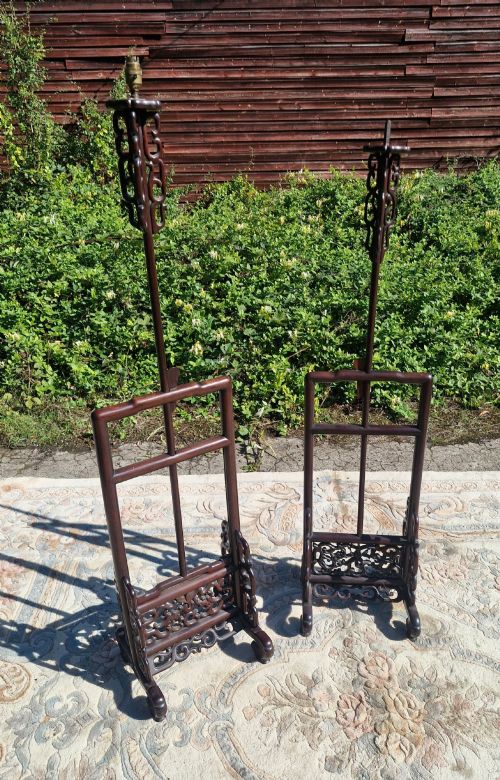
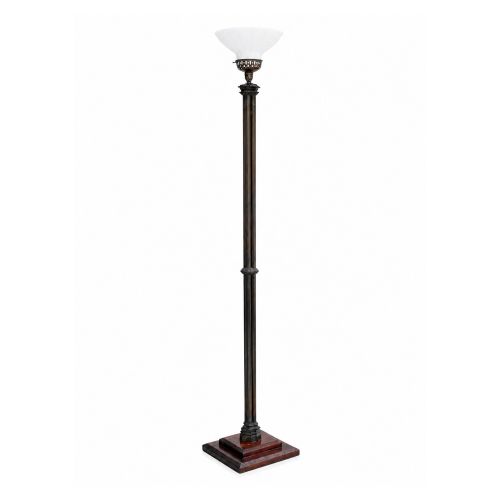
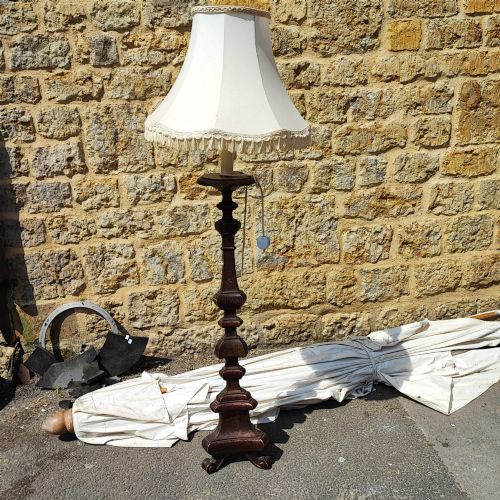
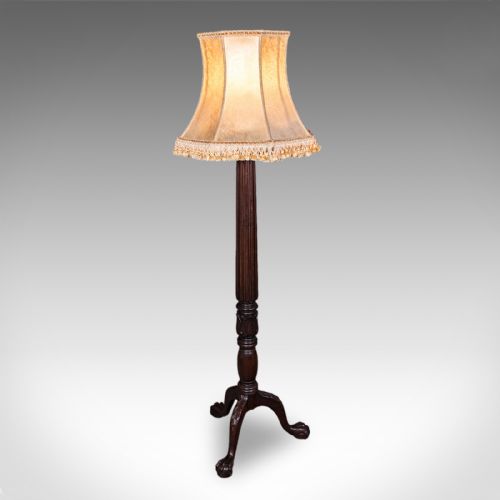
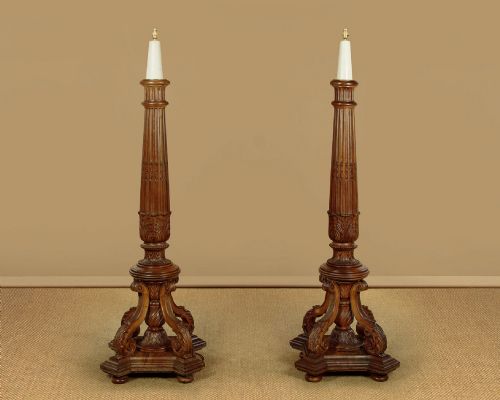
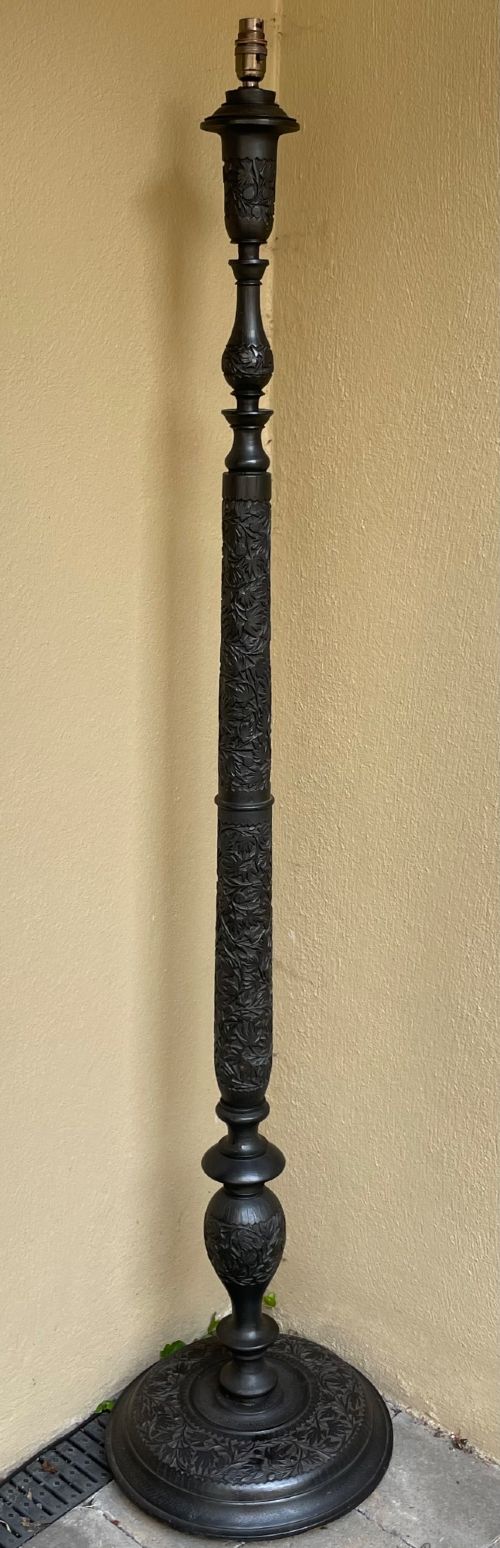
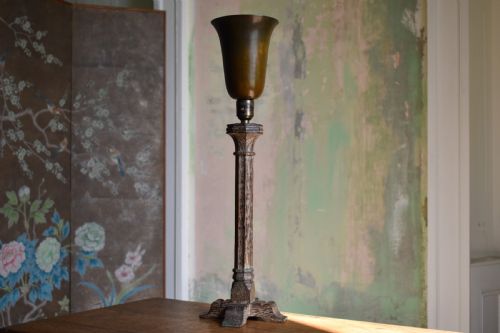
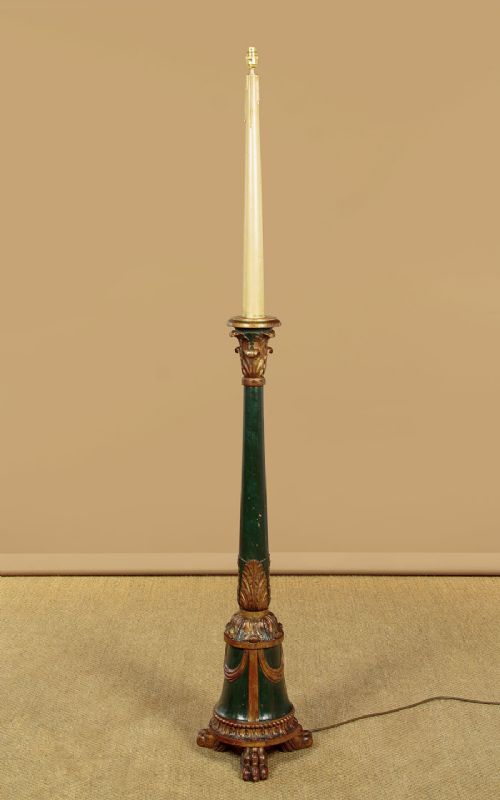
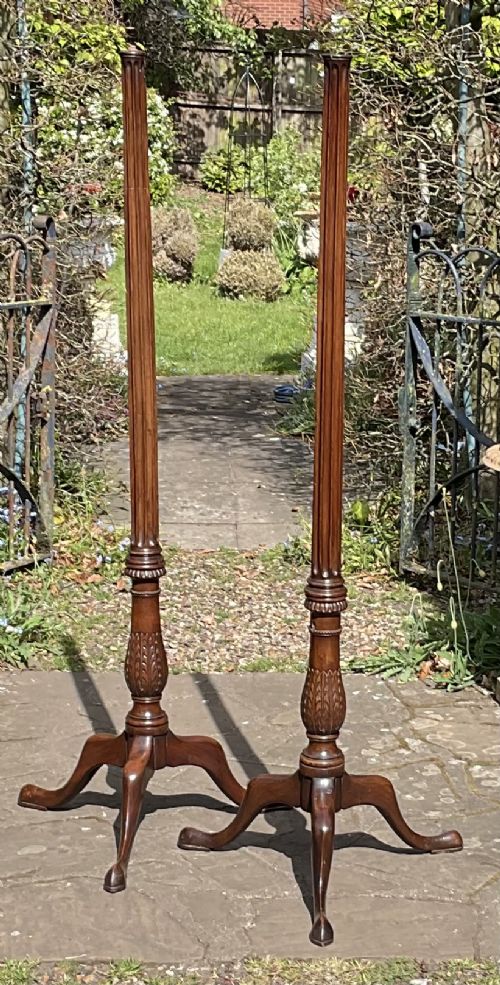
These carved wood standard lamp examples bring vertical presence and rich surface texture to a room, offering both illumination and decorative weight.
Understanding carved wood standard lamp pieces
A carved wood standard lamp provides upright lighting while serving as a sculptural element within an interior. The selection spans distinct periods including the Georgian era, Edwardian period, and the nineteen twenties and thirties.
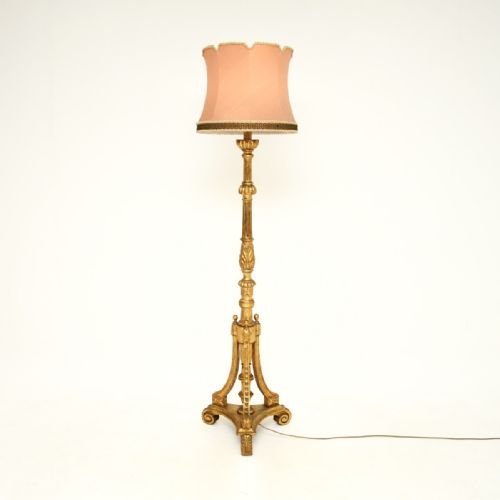
Pieces frequently originate from English, Italian, French, and Chinese workshops. Forms range from traditional mahogany floor lamps to giltwood torchieres and figural standards.
The aesthetic draws heavily on classical revivals, neoclassical designs, and baroque styles. Buyers encounter both painted finishes and gilded surfaces alongside exposed timber grains.
Materials and construction methods
Construction relies on solid timbers such as mahogany, satinwood, rosewood, and general hardwoods. Artisans shape these through traditional hand carving techniques to achieve complex profiles like baluster shafts and figural columns.
Surfaces receive decorative treatments including gesso, gold leaf, giltwood, polychrome paint, and red painted highlights. Italian and French examples often employ layered gilding over gesso to create rich reflective finishes.
Retail Price Guide 2026
Typical UK retail prices for carved wood standard lamp, calculated from the Sellingantiques database of over a million retail prices indexed since 2003. This retail price guide relies exclusively on Sellingantiques data; no external sources or auction records are used, so the figures do not describe the wider market.
Materials recorded across these listings include mahogany, giltwood, gesso, gold leaf, satinwood, rosewood, and fabric.
Distinctions in quality and execution
Depth and crispness of the hand carving separate simpler turnings from masterwork examples. Details on figural motifs and acanthus leaf enrichment demonstrate the carver's anatomical and spatial control.
The application and preservation of surface finishes dictate visual integrity. Intricate gilding, gesso preparation, and hand-painted polychrome details require sustained precision that elevates the overall presence of the standard lamp.
The Carved Wood Standard Lamp Glossary
- Giltwood
- Wood that has been coated with gold leaf or gold paint. This technique creates a luminous surface common in Italian and French decorative lighting.
- Gesso
- A plaster-like mixture applied to wood surfaces as a base for gilding or painting. It provides a smooth ground that allows fine details to be carved before applying gold leaf.
- Torchiere
- A tall standing lamp designed to direct light upwards. Many carved wood examples adopt this columnar form, often echoing classical architecture.
- Baluster
- A moulded shaft with a swelling lower portion. This architectural support shape frequently appears in the upright columns of standard lamps.
- Polychrome
- Decorated in multiple colours. Painted surfaces of this type often appear in Florentine and Venetian revival pieces.
Frequently Asked Questions
Where should I place a standard lamp?
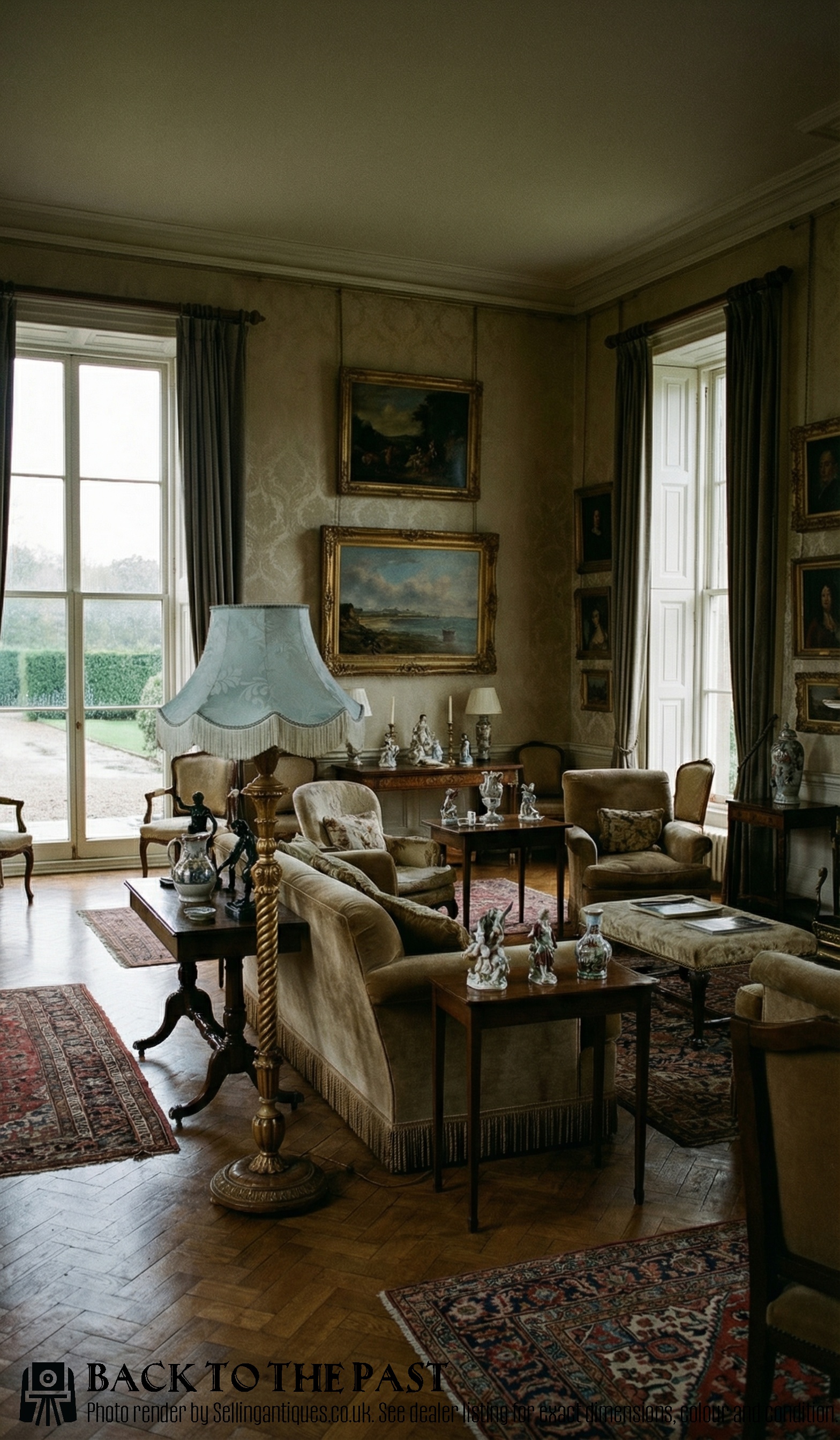
These lamps suit corners or seating areas where vertical height and ambient illumination are beneficial. Their decorative columns add architectural interest to empty wall spaces.
Positioning them away from heavy traffic protects delicate carved details and surface gilding from accidental knocks.
How do I identify Italian pieces?
Italian examples frequently display giltwood finishes, gesso work, and stylistic references to baroque or Venetian design. Figures and torchieres are common motifs in this regional group.
Makers often embraced elaborate carving techniques inspired by seventeenth-century traditions, distinguishing them from simpler English mahogany models.
What woods were commonly used?
Construction utilises mahogany, satinwood, rosewood, and general hardwoods underneath decorative surface treatments. Dark timbers often remain exposed on earlier or classical forms.
Softer woods or built-up bases typically receive gesso and gold leaf applications rather than polished clear finishes.
How do Edwardian lamps differ?
Edwardian versions often reflect lighter neoclassical revivals, utilising satinwood or carefully turned timber frames. They tend to feature refined proportions suited to early twentieth-century domestic interiors.
In contrast, pieces from the nineteen twenties and thirties frequently lean towards bolder Italian or Chinese influenced carvings.