
Patinated Bronze Lighting
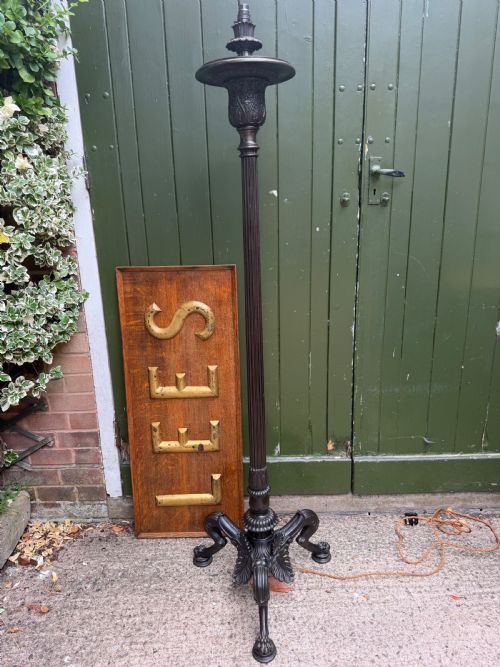
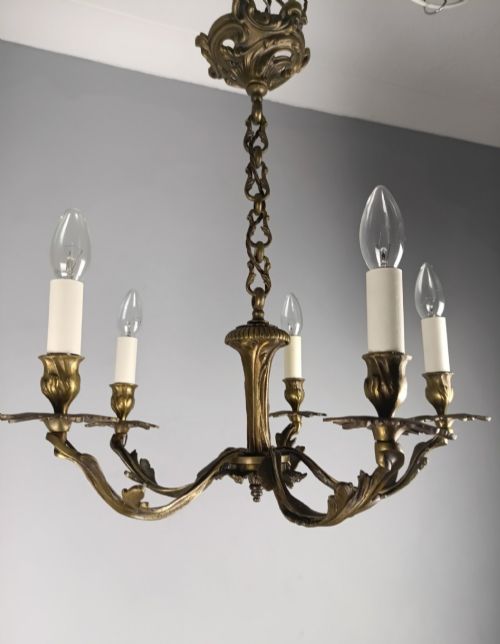
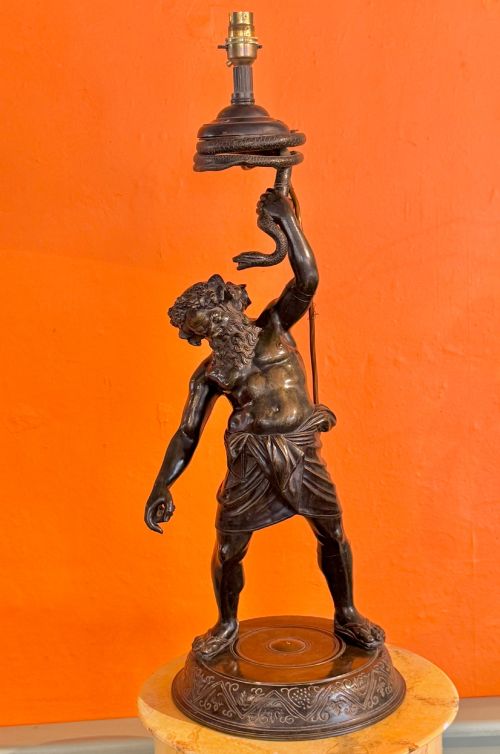
Patinated bronze lighting delivers rich, dark metallic surfaces to period interiors through lamps, candelabra and chandeliers crafted over past centuries.
Patinated Bronze Lighting
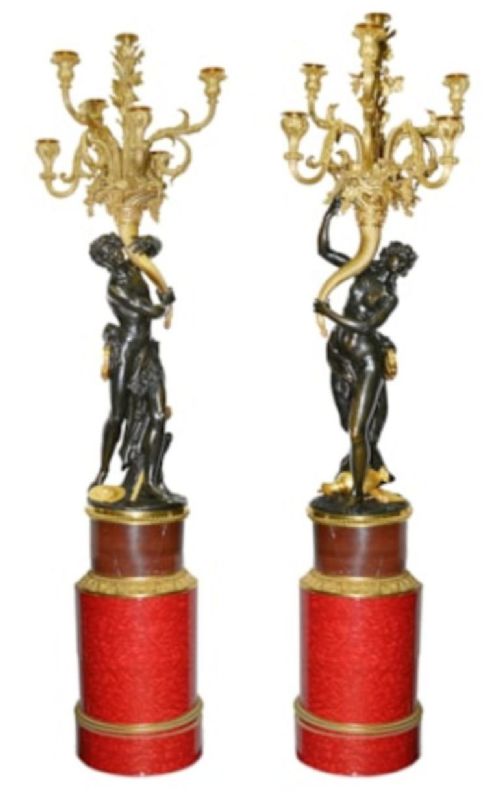
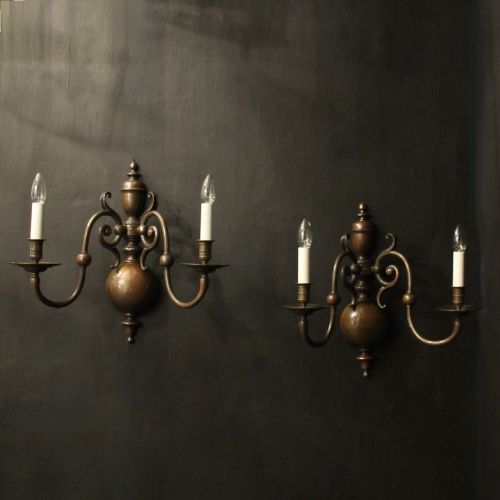
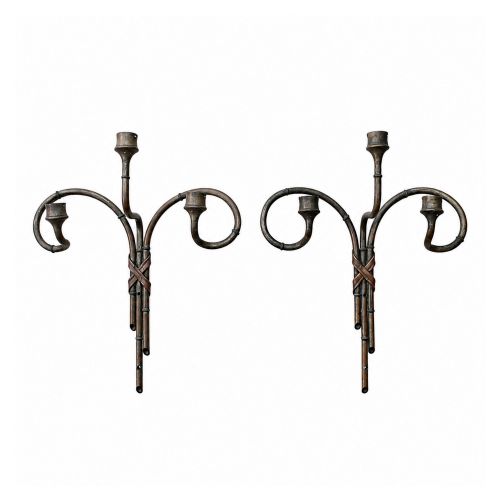
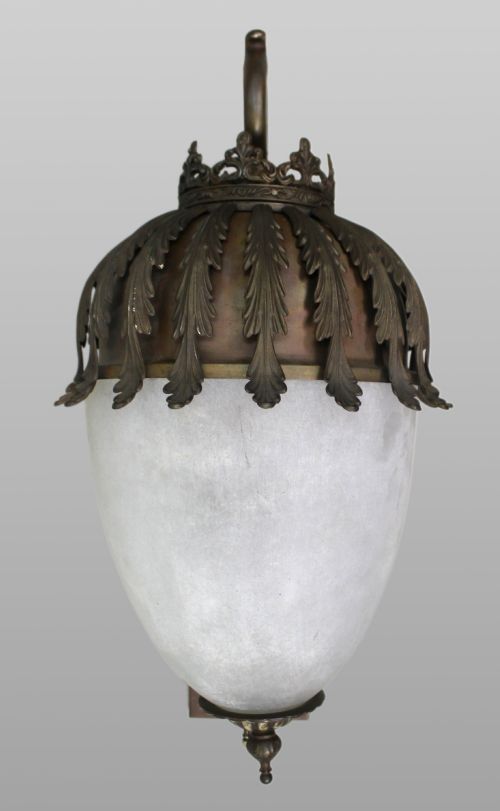
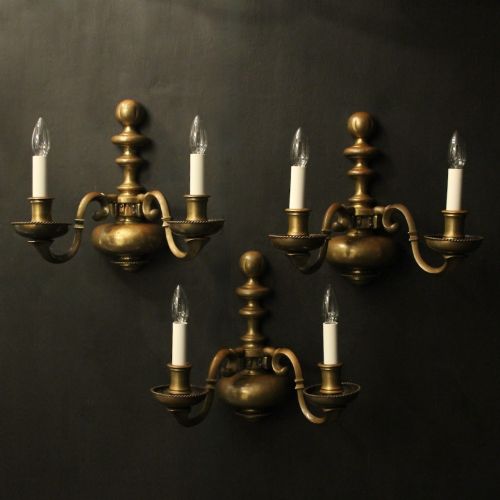
Patinated bronze lighting encompasses everything from small table lamps and candlesticks to grand chandeliers and floor standards. When exploring patinated bronze lighting, buyers encounter pieces configured for candles or electrified later, spanning formats such as wall sconces, lanterns and candelabra.
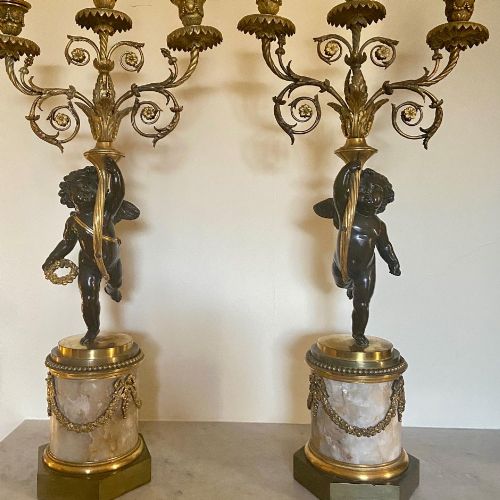
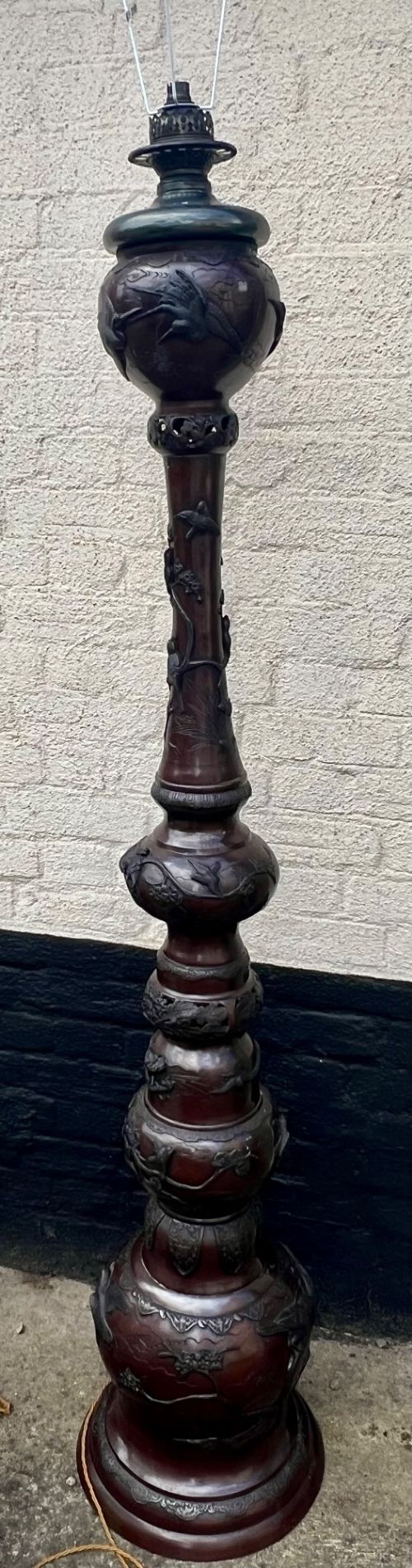
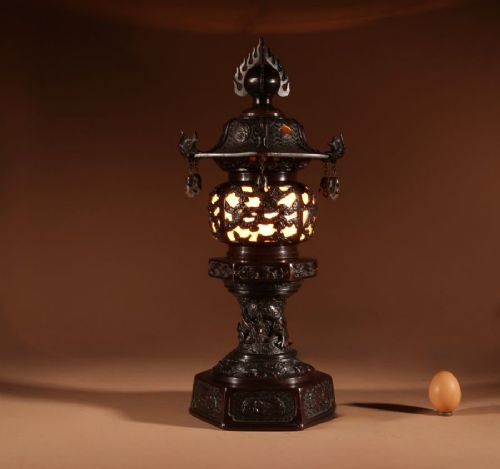
The selection draws heavily upon nineteenth-century craftsmanship alongside earlier eighteenth-century designs and early twentieth-century adaptations. Pieces frequently integrate classical motifs, French styling, and Japanese Meiji aesthetics, reflecting diverse historical influences across multiple decades.
Materials and Construction Techniques
Foundry work combined bronze, brass, gilt bronze and cast iron, often enhanced by secondary mounts in marble, alabaster, fluorspar and glass. Makers applied chemical treatments or natural ageing processes to achieve the characteristic dark patination on the metallic surfaces.
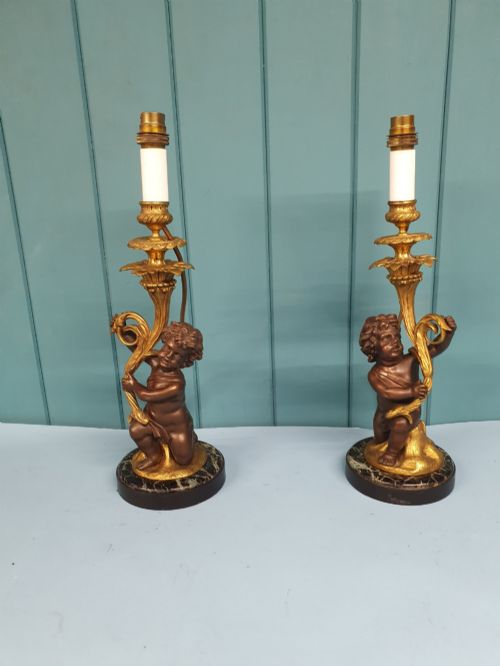
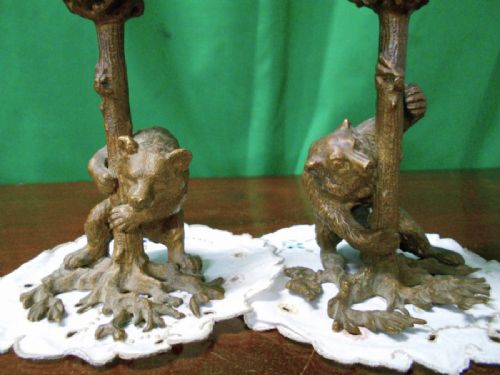
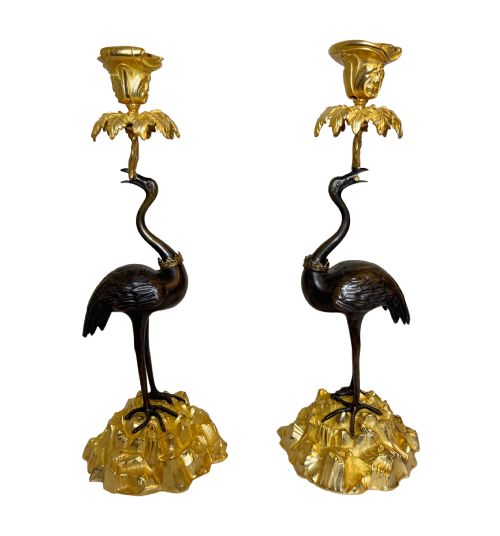
Casting methods produced intricate sculptural details including cherubs, caryatids, animals and classical figures. Structural elements were assembled with threaded bolts, pins and screws, while electrical components were integrated during later adaptation phases.
Patinated Bronze Lighting Retail Price Guide 2026
Typical asking prices for patinated bronze lighting among the pieces listed under this phrase on Sellingantiques today, from the lower quarter to the upper quarter. They describe what is for sale here now, not the wider market.
Listings feature materials including bronze, brass, gilt bronze, marble, fabric, glass, metal, alabaster, fluorspar and cast iron.
Factors Defining Quality
Crispness in the chased and cast surface detail separates superior examples from simpler production. The refinement of sculptural figures, such as cherubs or drapery, indicates the skill of the original foundry.
The integrity of the patination and the quality of secondary materials like marble bases or original glass components determine the overall merit of an item.
Francois Redmond·G Amodio Naples·Georges Leleu·Thomas Hope
The Patinated Bronze Lighting Glossary
- Patination
- The surface coloration and finish developed naturally over time or applied chemically to bronze and metalwork. This layer protects the metal and defines its visual depth.
- Ormolu
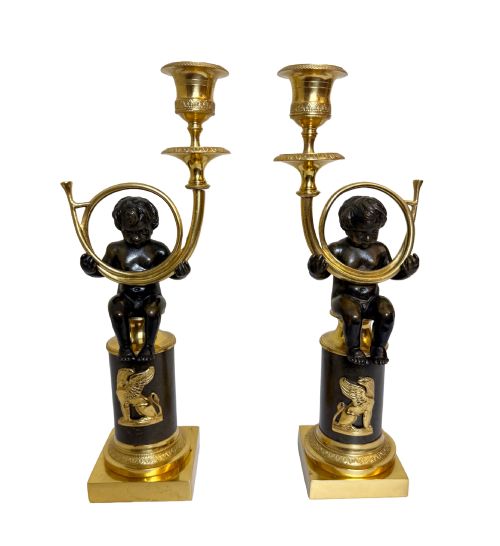
- Gilded bronze produced by applying a mercury and gold amalgam to the metal surface and heating it. The technique creates a durable golden finish characteristic of French decorative arts.
- Candelabra
- Branched lighting fixtures designed to hold multiple candles simultaneously. They often feature removable arms or central sculptural figures.
- Girandole
- A branched wall-mounted sconce or tabletop candleholder often incorporating mirrors or reflective backplates. The form maximises light distribution in candlelit rooms.
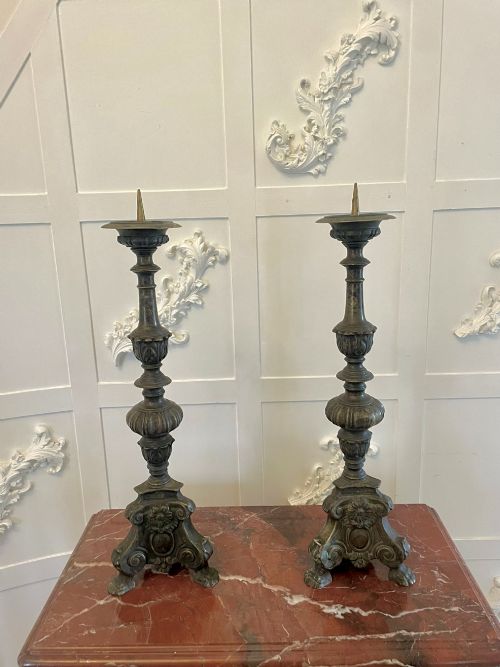
- Pricket candlestick
- A specific candleholder design featuring an upward-facing spike that impels the base of the candle. This style frequently appears in medieval and revival pieces.
Patinated Bronze Lighting: Frequently Asked Questions
How do I clean patinated bronze lighting?
Dust the surface gently with a soft, dry cloth to remove everyday accumulation. Avoid chemical polishes or water, as abrasive cleaning damages the historic patinated finish.
Preserving the original surface layer maintains the integrity and character of the metalwork over time.
Are these pieces wired for modern electricity?
Many examples arrive with modern wiring installed during the twentieth century or later. Buyers should have older internal components inspected by a qualified electrician prior to regular use.
Original oil or gas fittings can typically be adapted for electricity without altering the exterior bronze structure.
What periods do these lighting fixtures represent?
The inventory spans the eighteenth, nineteenth and early twentieth centuries. Pieces often reflect specific revivals of French Empire, Louis XVI, Régence or Japanese Meiji aesthetics.
Stylistic details and construction methods help align individual fixtures with their approximate decade of manufacture.
How do I identify French Empire style?
French Empire lighting incorporates classical motifs inspired by ancient Greece and Rome. Expect symmetrical forms, military trophies, sphinxes and dark patinated bronze contrasted with ormolu mounts.
Such designs date predominantly from the nineteenth century and reflect classical revivals popular across Europe.