

Antique Bronze Accent Lamp
An antique bronze accent lamp brings warmth and a distinct sculptural presence to a room, casting a soft pool of light across a desk or side table.
Antique Bronze Accent Lamp
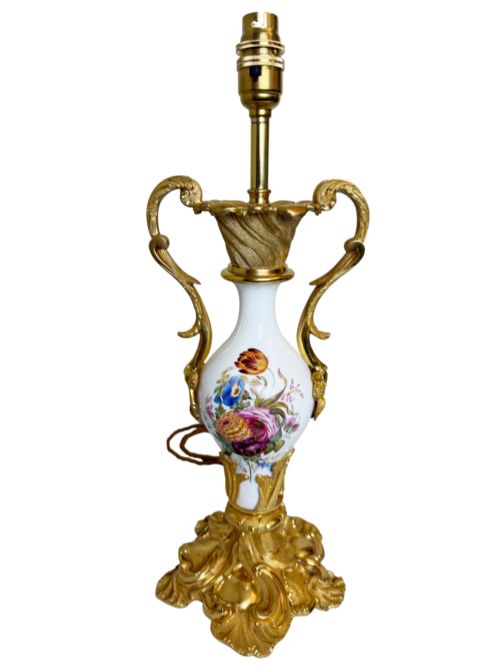
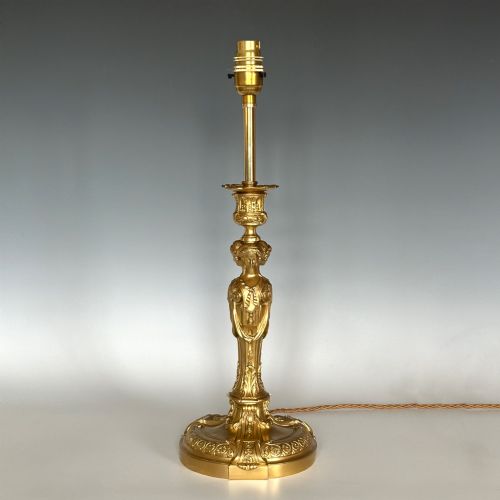
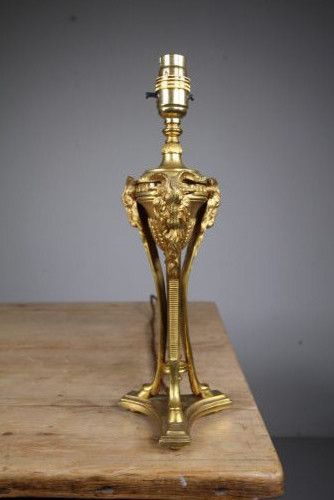
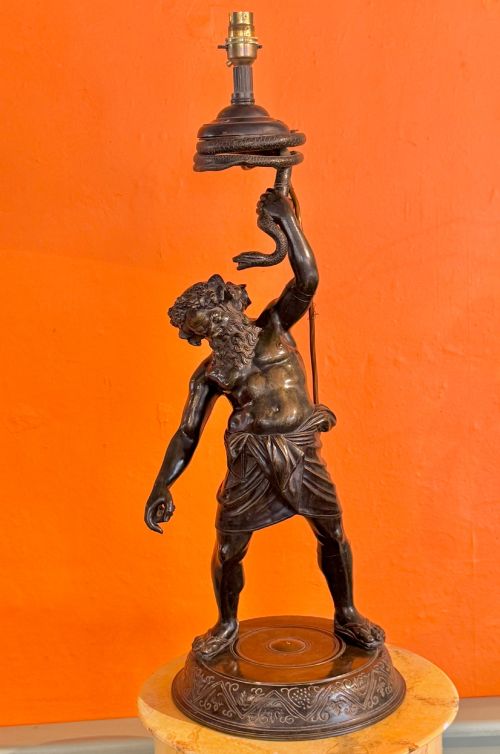
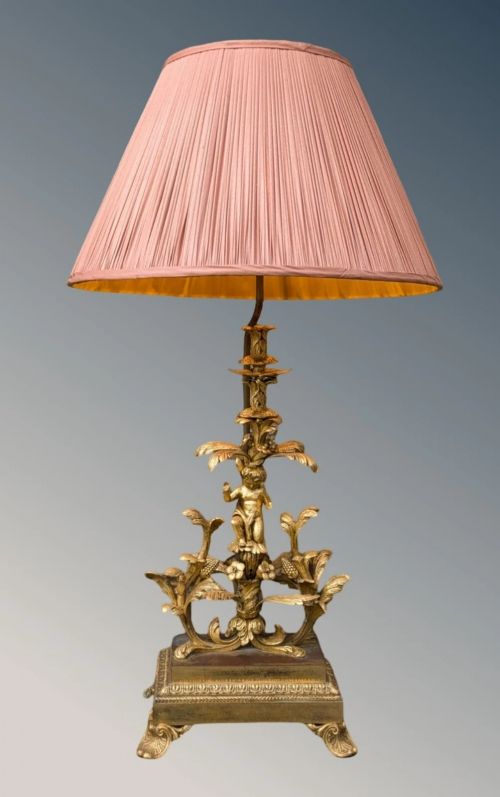
An antique bronze accent lamp serves as both a practical lighting source and a decorative focal point, drawing the eye with its metalwork and period character. When you search for this phrase, you encounter pieces that range from small nineteenth century floral designs to sculptural figures from the art deco era.
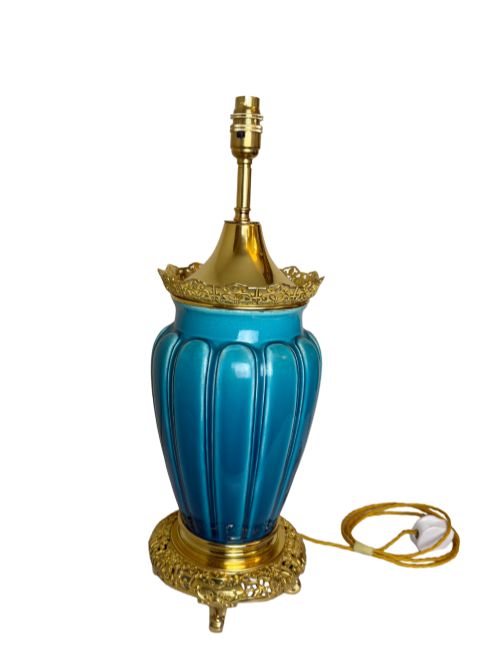
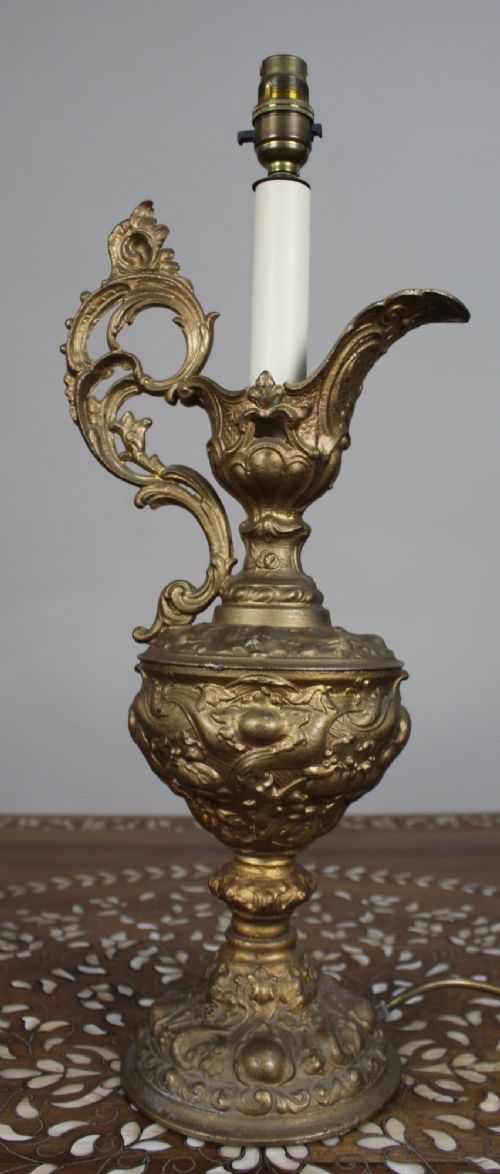
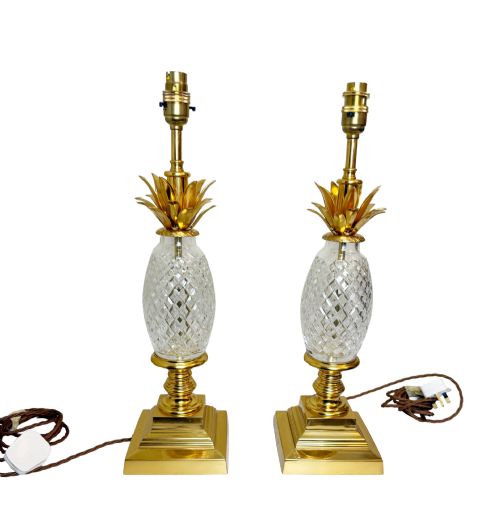
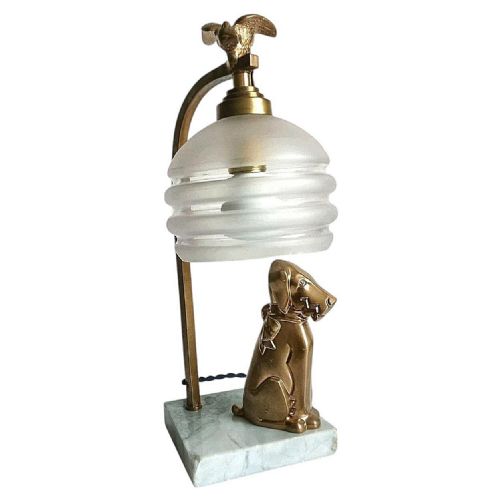
The selections on this page lean heavily towards French origins, featuring styles from the nineteenth century alongside later art nouveau and art deco interpretations. Many incorporate contrasting materials like marble, porcelain or crystal alongside the primary bronze or ormolu metalwork.
Materials and construction
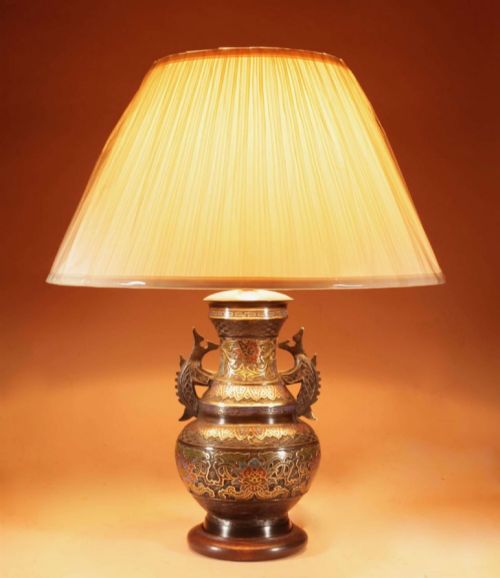
These lamps rely on cast bronze, patinated metal and bright ormolu, often paired with solid marble bases or mahogany supports for stability and weight. Artisans utilised traditional casting methods, finishing the metal with fine chased details and rich patination.
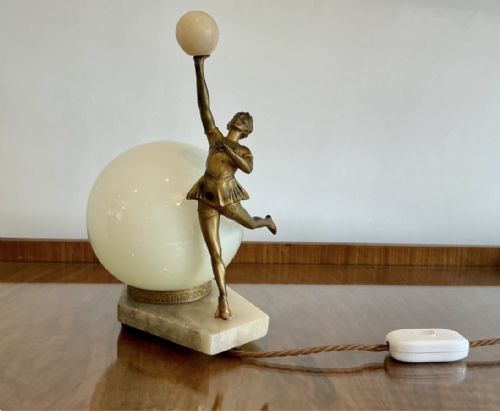
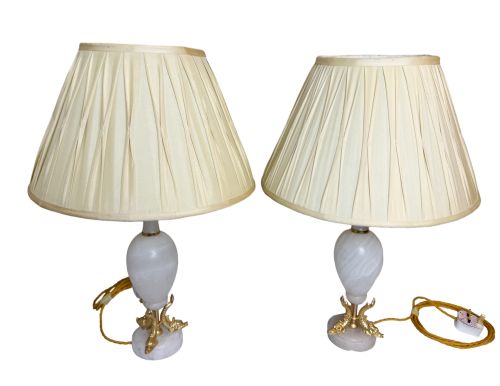
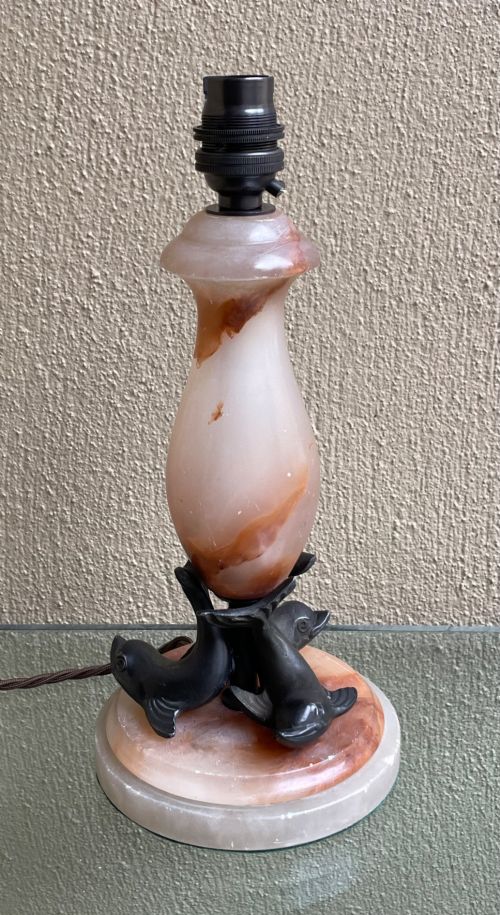
Compositions frequently incorporate porcelain inserts, crystal elements or carved alabaster, secured with bespoke brass or gilt bronze mounts. Fabric shades complete the construction, diffusing the light cast by the metal body.
Keep an eye out for whimsical novelty dogs and parrots standing guard beside the light bulbs.
Evaluating quality and execution
Quality in these pieces rests upon the crispness of the cast metal and the depth of the chased surface detail. Superior examples display sharp definition in floral motifs, figures or architectural mounts, whereas lesser pieces show softer edges from worn moulds.
The integrity of the secondary materials, such as the grain of the marble or the clarity of the crystal, dictates the overall calibre of the lamp. Cohesion between the bronze mounts and the body indicates a more deliberate workshop creation.
G. Amodio Naples·François Linke·Ivan Zaiec
The Antique Bronze Accent Lamp Glossary
- Ormolu
- Gilded bronze, where a layer of gold amalgam is applied to a bronze base and heated to leave a rich golden finish. It appears frequently on French decorative pieces from the nineteenth century.
- Champlevé
- An enamelling technique where troughs are dug into the bronze surface and filled with vitreous enamel before firing. This technique adds vibrant colour to Japanese and European metalwork.
- Spelter
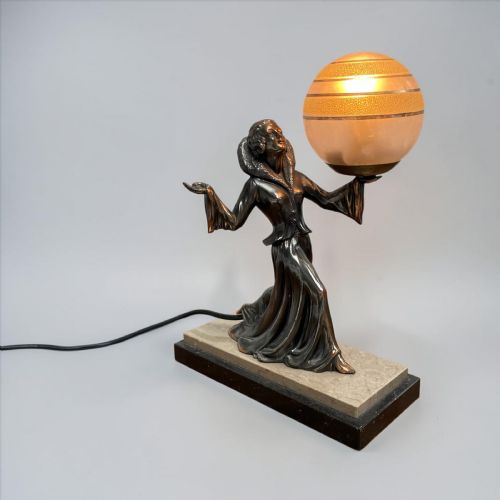
- A zinc alloy commonly utilised as a less expensive alternative to bronze during the art nouveau and art deco periods. It often receives a bronze or patinated finish to mimic heavier metal.
- Gueridon
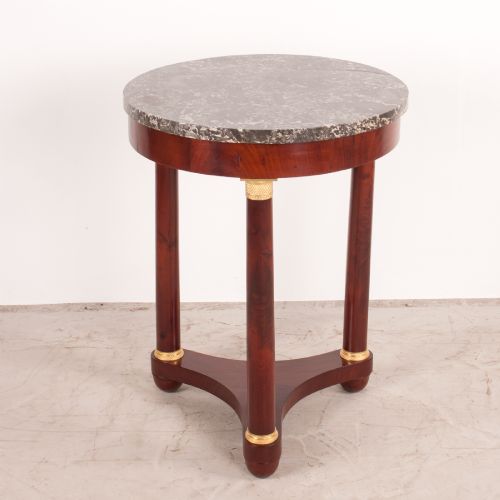
- A small round table, frequently utilised as a stand for lamps or decorative objects in nineteenth century interiors. These tables often feature marble tops and gilt bronze mounts.
- Patination
- The surface sheen or colour acquired by bronze and brass through age and oxidation, or achieved artificially by the maker. This finish gives antique metalwork its characteristic depth.
Antique Bronze Accent Lamp: Frequently Asked Questions
How do I clean an antique bronze lamp?
Dust the metal gently with a soft, dry cloth to prevent accumulation without disturbing the historic patination. Avoid harsh chemical cleaners or abrasive polishes that strip away the original finish.
For parts made of marble or glass, use a slightly damp cloth, taking care to keep moisture away from any electrical components or wiring.
Are these lamps wired for modern use?
Many lamps on the market have been rewired at some stage in their history to meet contemporary safety standards. You should check the specific listing details to see the current wiring status.
It remains wise to have a qualified electrician inspect any antique lighting before connecting it to a mains supply in your home.
How do I date a bronze lamp?
Dating relies on stylistic clues, such as the flowing organic lines typical of art nouveau or the geometric symmetry of art deco pieces. The manufacturing techniques and the nature of the bronze casting also offer clear chronological markers.
Comparative analysis with documented pieces by known makers helps narrow down the period of production.
Where should I place an accent lamp?
These pieces function best on side tables, desks or mantelpieces where their sculptural qualities can be appreciated up close. They provide pool lighting rather than general illumination, making them ideal for creating mood.
Pair them with complementary occasional furniture like marble top tables to anchor the display.