

Antique Putto Light
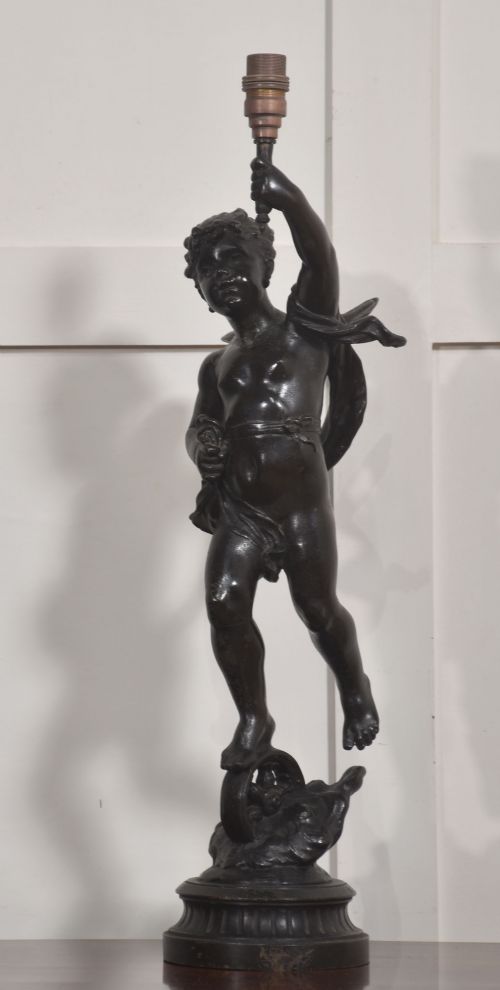
An antique putto light brings sculptural charm to a room, cast in bronze or carved from wood to hold candles and bulbs.
Antique Putto Light
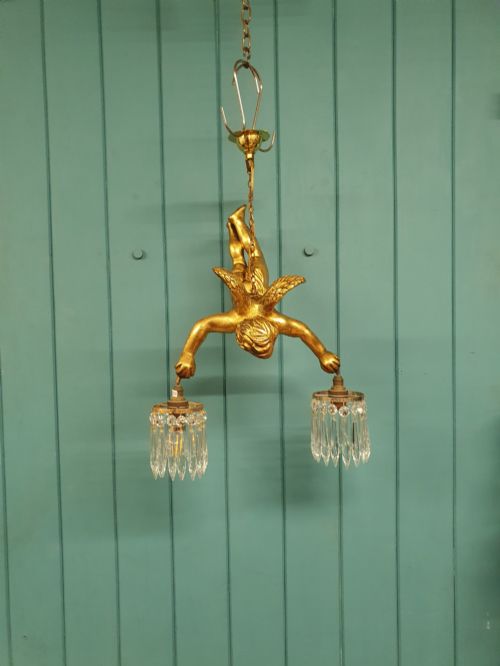
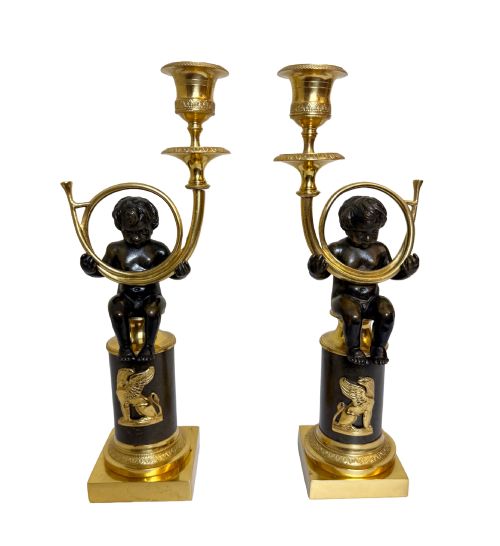
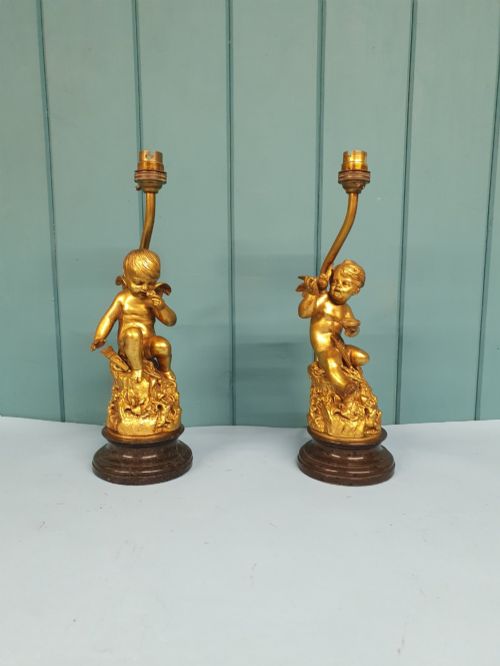
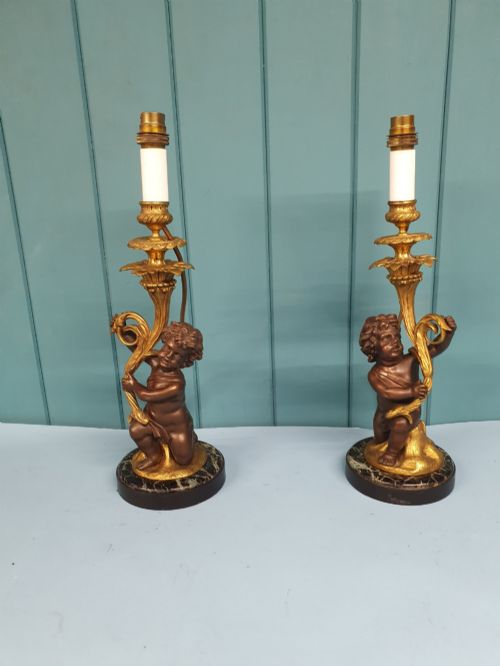
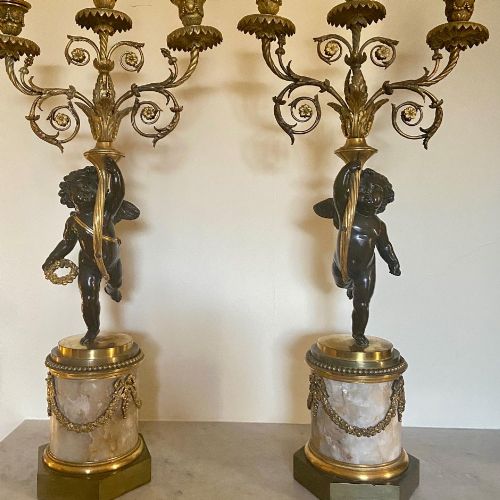
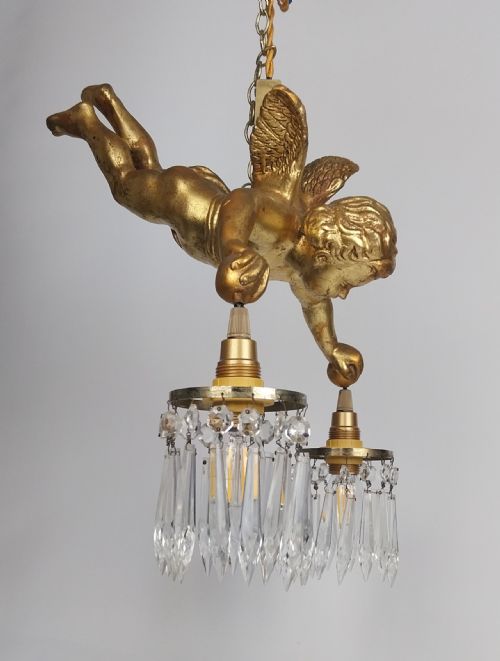
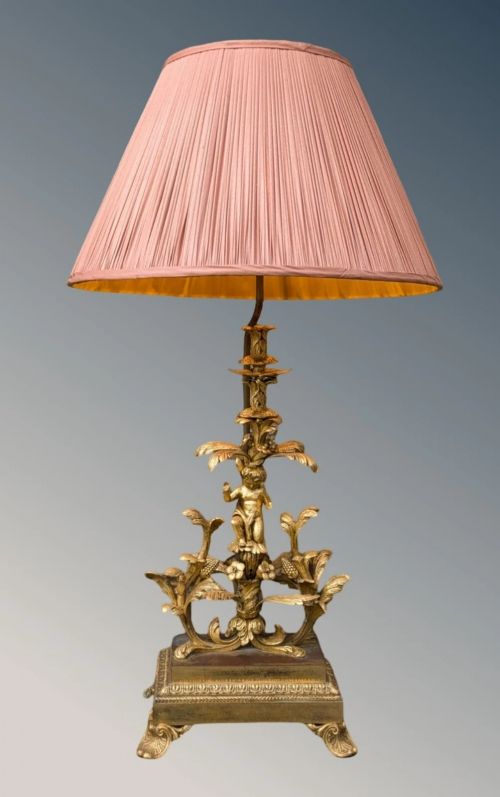
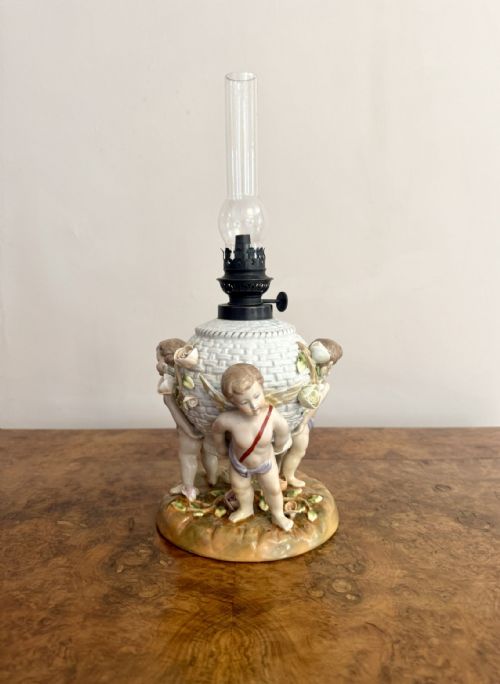
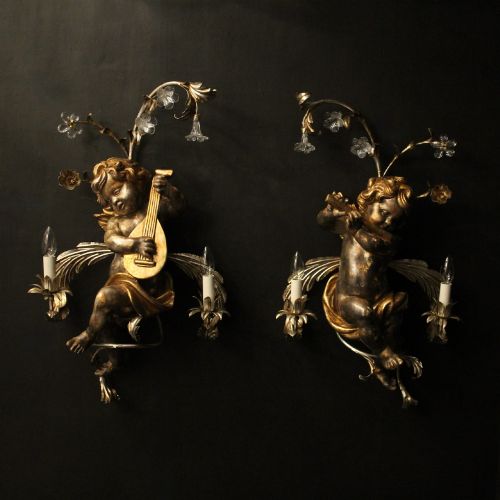
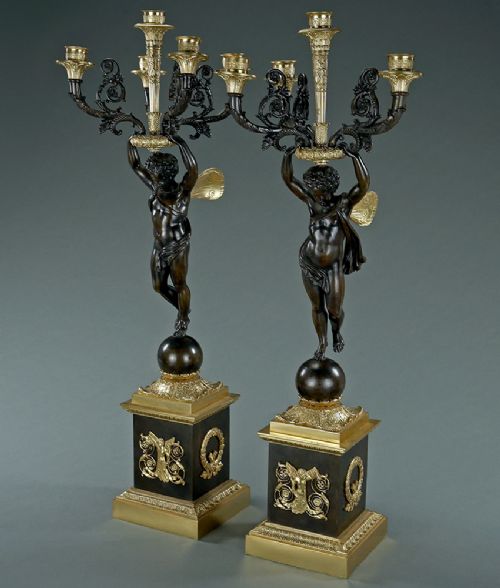
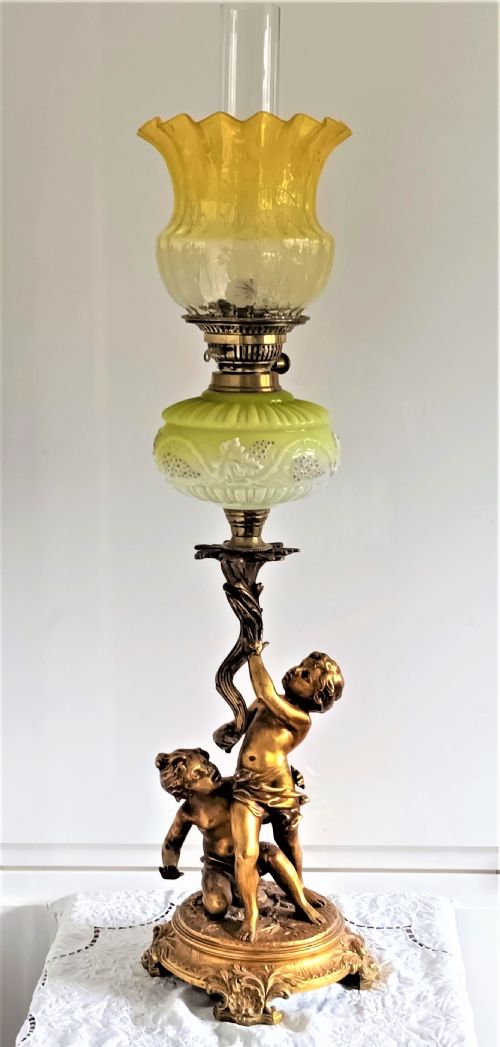
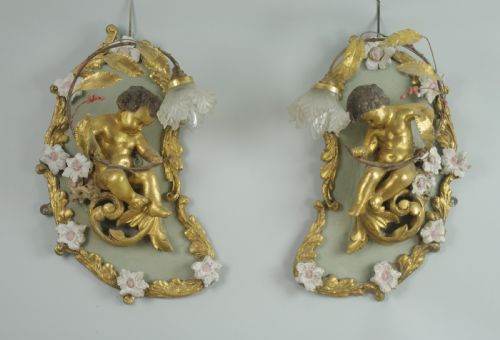
When you search for an antique putto light, you encounter figural lighting fixtures and candle holders featuring winged cherubs or putti. These decorative items span multiple centuries, appearing in forms such as table lamps, wall sconces, candelabra, and chandeliers.
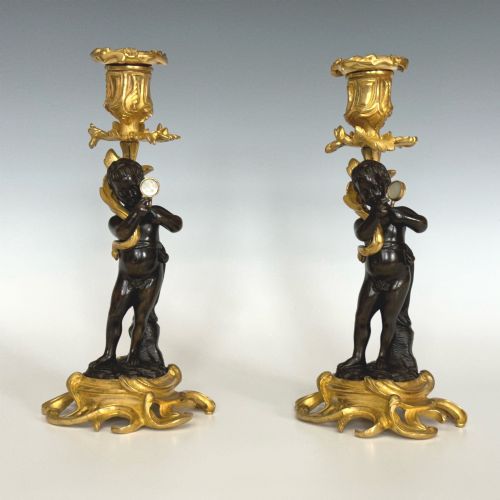
The selections on this page draw predominantly from nineteenth and early twentieth century European workshops, embracing Revival styles like Rococo, Empire, and Baroque. Buyers frequently meet pairs of bronze or brass candlesticks and wall lights adapted for modern electrical wiring.
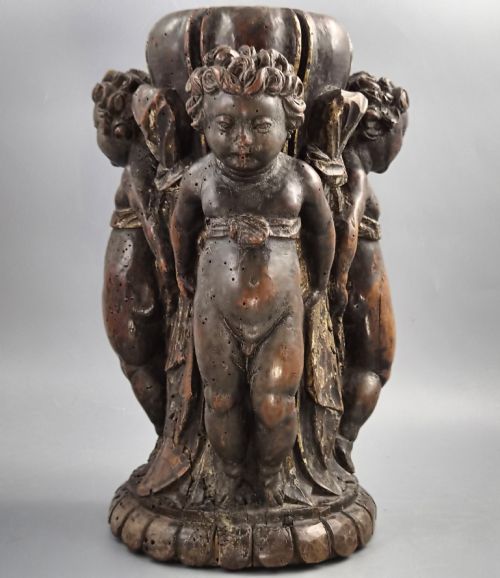
Earlier examples include carved walnut torchiere bases from Italian hands, alongside porcelain oil lamps and giltwood fixtures. Each piece integrates figurative sculpture directly into the functional architecture of domestic illumination.
Materials and construction methods
Foundry workers cast metals such as bronze, brass, ormolu, and gilt metal using traditional methods, often finishing the surfaces with patination or fire gilding. These cast figures combine with carved timber, marble bases, and moulded porcelain components.
Glass elements appear as crystal spikes, beaded shades, and Murano components, wired or pinned into place alongside porcelain flowers and toleware details. Skilled artisans assembled multi-branch wall lights and candelabra from distinct cast and chased components.
Listings feature works spanning from the seventeenth century through the early twentieth century, utilising porcelain, marble, and gilt bronze.
Factors determining quality
The crispness of the chasing on bronze and ormolu figures separates standard production from superior artistic output. Subtle details in facial expressions, feather definition on wings, and the integration of marble or wooden mounts reveal the maker's hand.
Material composition plays a significant role, with heavy gilt bronze and fine-paste porcelain commanding greater respect than lighter spelter or base metals. The structural integrity of multi-branch arms and the preservation of original fire gilding or patination define the upper tier.
Sitzendorf·Meissen·Francois Redmond
The Antique Putto Light Glossary
- Putto
- A plump, often winged male child figure frequently depicted in classical and Renaissance art. These figures populate Italian and French lighting designs.
- Ormolu
- Finely ground high-carat gold applied to bronze through a mercury amalgamation process. This technique creates a durable, warm metallic finish seen on nineteenth-century French pieces.
- Candelabra
- A branched candlestick holder designed to support multiple candles or light bulbs. Many antique examples utilise putti as central supporting stems.
- Torchiere
- A tall stand or floor lamp designed to direct light upward toward the ceiling. Walnut and giltwood versions often incorporate figurative carving.
- Spelter
- An alloy of zinc and lead used as a cheaper alternative to bronze. It accepts metallic paints and patination to imitate heavier bronzes.
Antique Putto Light: Frequently Asked Questions
Were these lights originally electric?
Most older pieces began life as oil lamps, gas sconces, or candleholders before undergoing later conversion to electricity. This adaptation process often preserved the original bronze, brass, or porcelain bodies intact.
Rewired table lamps and chandeliers maintain their historical sculptural bases while accommodating modern domestic wiring standards.
How do I identify French Empire style?
French Empire style lighting emphasises classical symmetry, heavy cast bronze, and crisp ormolu mounts. The putti on these pieces often display formal posture and distinct neoclassical attributes.
This aesthetic reflects nineteenth-century revivals of ancient Roman and Greek design motifs within domestic metalwork.
Where should I place wall sconces?
Wall sconces suit flanking positions around mirrors, fireplaces, or architectural doorways. Their branched arms distribute ambient light across vertical surfaces.
Pairs of cherub wall lights require secure wall fixings due to the weight of cast bronze, marble, and porcelain components.