


Figurative Bronze Lamp
A figurative bronze lamp brings sculptural presence and warm illumination into a room, spanning periods from Victorian work to Art Deco design.
Figurative Bronze Lamp
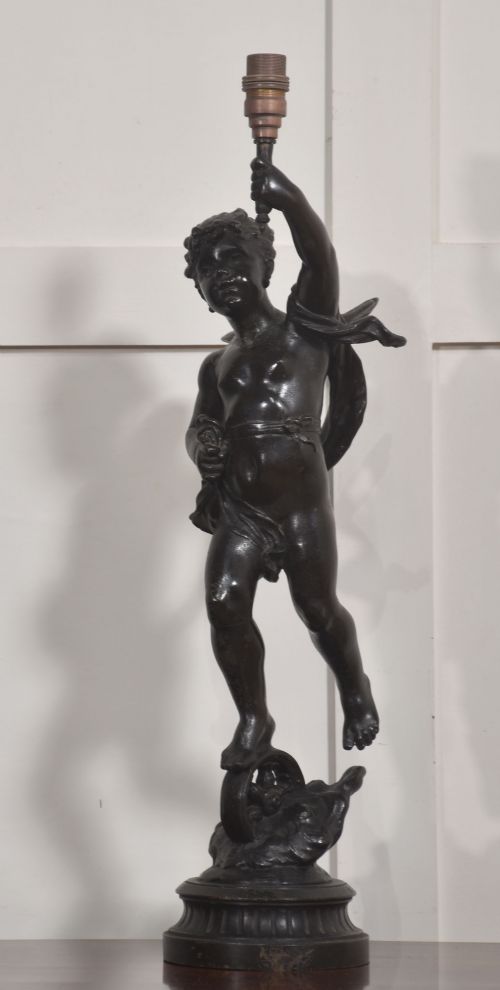
A figurative bronze lamp combines cast metal figures with functional lighting, taking forms such as cherubs, goddesses, and human athletes. When searching for a figurative bronze lamp, buyers encounter table lamps, night lights, and adapted vases or burners.
The pieces on this page originate from the nineteenth century up through the nineteen-thirties, taking shape across Victorian, Art Nouveau, and Art Deco movements. Subjects range from mythological figures like Amphitrite and Cleopatra to cultural scenes featuring musicians and athletes.
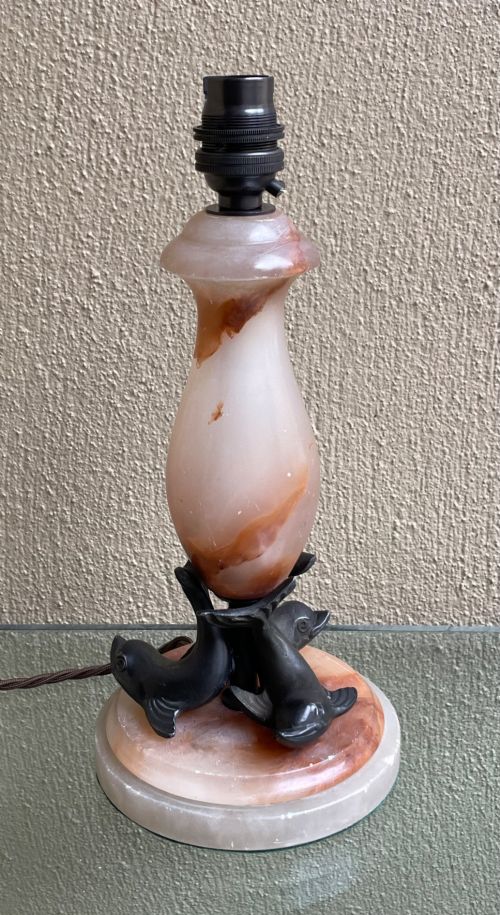
While many examples utilise solid cast metal, alternatives like spelter and brass also appear alongside bases made from marble and alabaster. Buyers frequently find figural designs paired with fabric or frosted glass shades to complete the lighting fixture.
How they were made
Foundries shaped these works primarily through metal casting, employing patinated bronze or mixed metals such as spelter and brass. Artisans finished the surfaces with patination or bronzed coatings to accentuate the anatomical details of human and mythological figures.
A whimsical pierrot doll sits perpetually playing the accordion in spelter and marble, waiting to serenade the room.
What varies in quality
Material selection dictates the overall weight and presence of the object, with solid bronze and genuine alabaster or marble bases holding more permanence than spelter mounted on lighter supports. The integration of period glass or original fabric components also alters the integrity of the completed piece.
Ivan Zaiec
The Figurative Bronze Lamp Glossary
- Bronze
- An alloy consisting primarily of copper combined with tin, prized for its durability and smooth casting properties. It develops a rich patina over decades of exposure to air.
- Spelter
- A zinc alloy commonly utilised as a less expensive alternative to bronze during the nineteenth and twentieth centuries. It requires careful handling due to its softer composition.
- Patina
- The surface sheen and coloration developed naturally through age or applied artificially by artisans to enhance depth. This protective layer distinguishes older metalwork from modern reproductions.
- Alabaster
- A fine-grained, translucent stone utilised for carving decorative bases and lamp bodies. Its natural veining allows light to diffuse softly through the material.
- Censer
- A vessel historically designed for burning incense during ceremonial practices, often repurposed into domestic lighting fixtures. These pieces feature perforated metalwork for ventilation.
Figurative Bronze Lamp: Frequently Asked Questions
What is a figurative bronze lamp?
A figurative bronze lamp is a lighting fixture incorporating a sculpted human, animal, or mythological figure cast in bronze or related metals. These objects merge utilitarian lighting with decorative art.
They serve as focal points on tables, sideboards, and desks while providing ambient illumination through attached shades or bulbs.
How do I identify the period?
Dating relies on stylistic markers such as the flowing organic lines of Art Nouveau or the geometric symmetry of Art Deco. Materials like marble bases and opaline glass offer further chronological clues.
Examining the casting methods and surface patination also helps place the object within the nineteenth or twentieth century.
Are all these lamps solid bronze?
Not every piece is cast in solid bronze, as makers frequently utilised alternative metals like spelter and brass. Bases and supporting elements often incorporate contrasting materials including marble and alabaster.
Weight, magnetism, and surface inspection help determine the specific metal composition used in each individual sculpture.
How were incense burners converted?
Incense burners and ceremonial censers were adapted into lamps by running electrical wiring through the original hollow bodies and adding lamp holders. This practice allowed decorative metalwork to find new utility in domestic interiors.
Such adaptations retain their original perforated lids or hanging chains while functioning as modern table lighting.