


Classical Urn Lamps
Classical urn lamps combine antiquity with utility, bringing sculptural form and warm illumination into interiors through repurposed vessels.
Classical Urn Lamps
Classical urn lamps emerge from the conversion of decorative vessels, oil lamps, or cassolettes into domestic lighting, primarily during the nineteenth and early twentieth centuries. These pieces draw heavily on Neoclassical, French Empire, and Edwardian design vocabularies, translating ancient architectural shapes into functional objects.
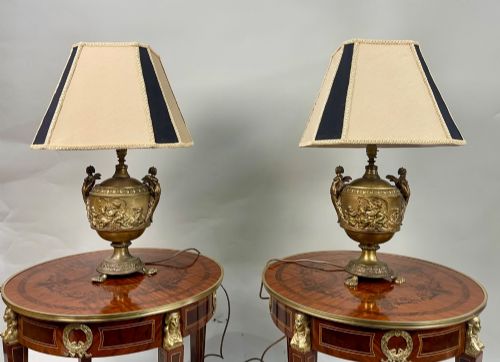
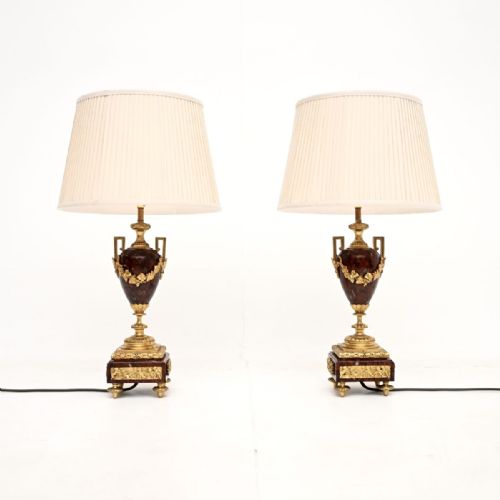
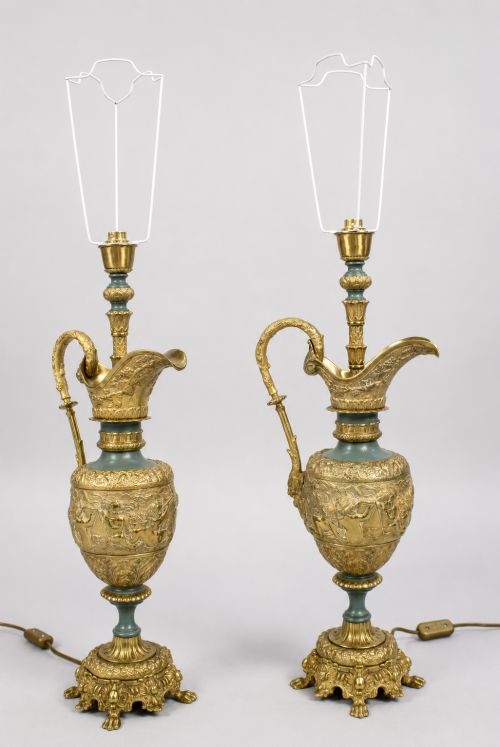
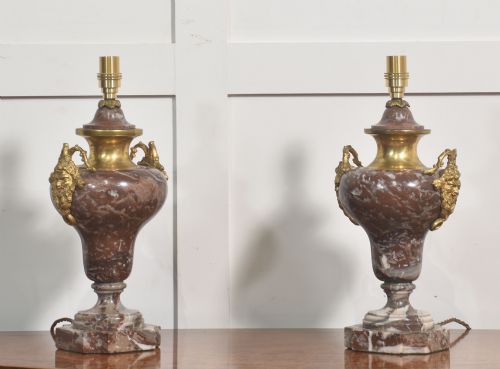
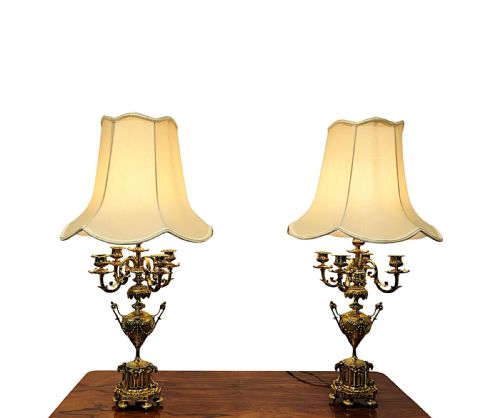
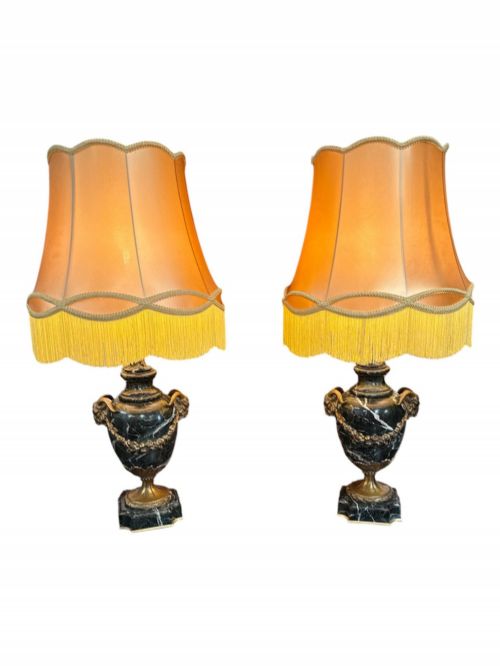
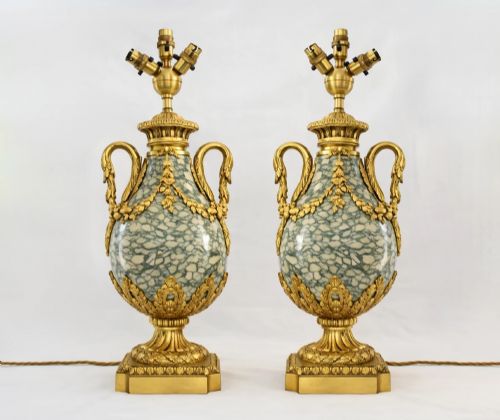
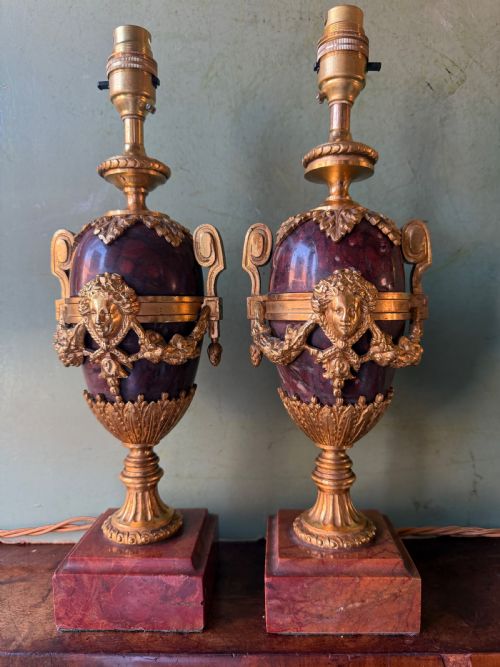
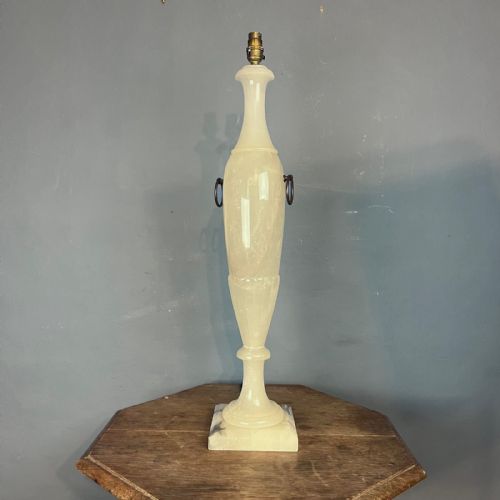
Buyers meet forms ranging from towering Italian alabaster columns to French rouge marble vessels mounted with ormolu rams heads or classical masks. Many examples originate as pairs, utilising matching marble bodies or cast metal ewers that balance symmetry with archaeological gravitas.
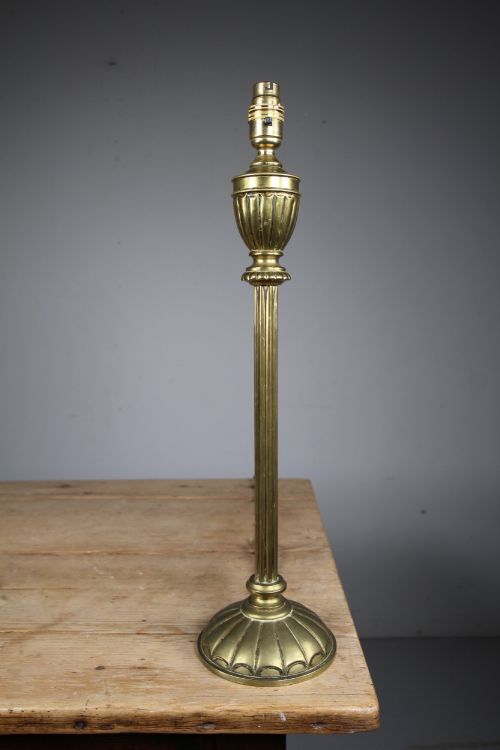
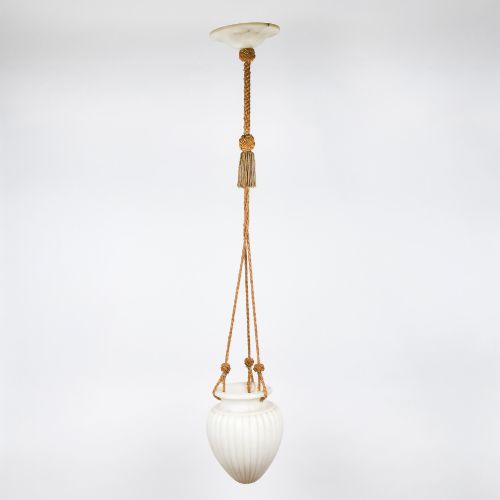
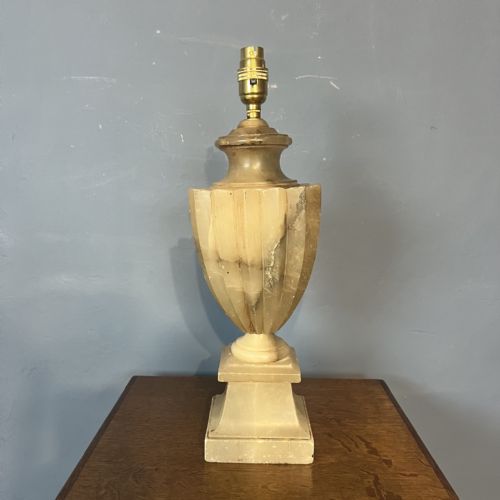
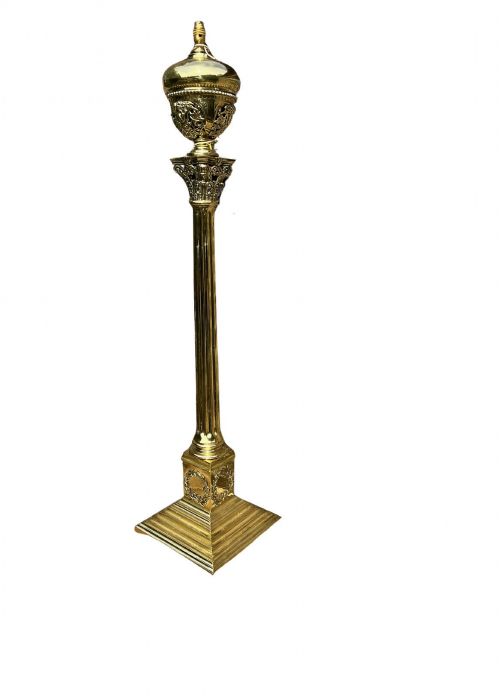
The materials span cold white onyx, veined marble, patinated bronze, and bright gilt metal, often elevated on tiered brass bases. While table lamps dominate the selection, standard lamps and pendant lights also appear, offering varied scales for different interior schemes.
How they were made
Makers constructed these pieces by combining heavy mineral bodies such as alabaster, marble, or onyx with cast metal mounts in brass, bronze, and ormolu. Artisans turned stone on lathes to achieve smooth urn profiles, then applied fire-gilt bronze handles, collars, and paw feet to secure the composition.
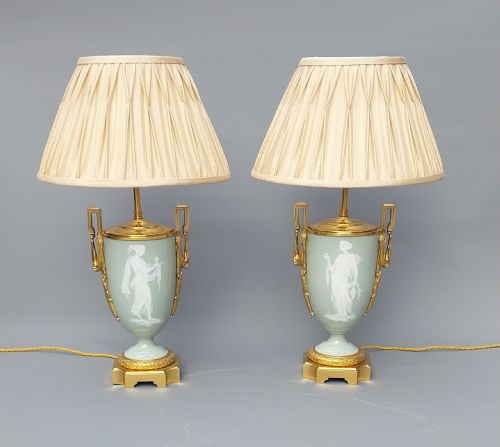
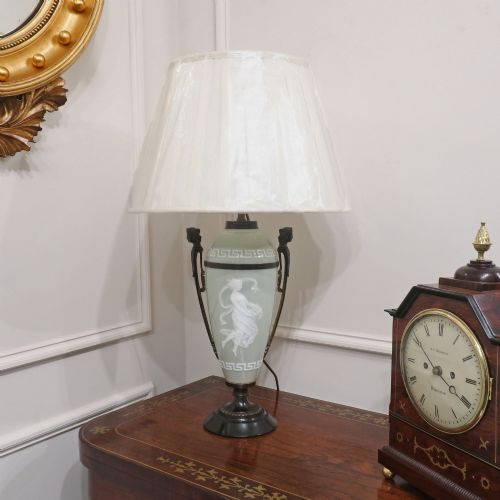
Conversions involved boring channels through solid stone or bronze to accommodate internal wiring, occasionally adapting older oil lamps or decorative ewers for electrical use. Surface finishing required meticulous hand-chasing of gilt metal mounts and polished application of pate sur pate porcelain or glazed ceramic surfaces.
Classical Urn Lamps Retail Price Guide 2026
Typical asking prices for classical urn lamps among the pieces listed under this phrase on Sellingantiques today, from the lower quarter to the upper quarter. They describe what is for sale here now, not the wider market.
Some nineteenth-century French artisans incorporated fierce rams heads and delicate paw feet onto stone urns just to hold a lightbulb.
What varies in quality
Quality rests upon the crispness of the metal casting and the depth of mineral figure within the marble or alabaster. Heavy, well-chased ormolu mounts and finely articulated bronze details separate superior pieces from lighter, mass-produced metal-mounted substitutes.
The integrity of the stone body and the harmony between the vessel and its mountings dictate the overall success of the piece. Matching pairs with intact original gilding and substantial stone weight command greater visual authority than single or heavily restored examples.
Harrison Brothers And Howson
The Classical Urn Lamps Glossary
- Ormolu
- Gilt bronze produced by applying a mercury and gold amalgam to a bronze object before heating. This French technique yields a durable, rich golden surface.
- Cassolette
- A decorative vessel shaped like an urn, often featuring a reversible lid that functions as a burner or a solid cover. In lighting, these vessels form ornate lamp bodies.
- Alabaster
- A fine-grained translucent stone frequently carved into urn and column shapes. It diffuses light gently when illuminated.
- Neoclassical
- A style reviving the architectural and decorative motifs of ancient Greece and Rome. It emphasises symmetry, classical urns, and foliate scrolls.
- Pate sur pate
- A ceramic technique where wet white porcelain slip is painted onto a darker coloured body in successive layers. This creates low-relief cameo effects.
Classical Urn Lamps: Frequently Asked Questions
What are classical urn lamps?
Classical urn lamps are decorative lighting fixtures fashioned from antique or revival vessels, typically carved from marble, alabaster, or cast in bronze and ormolu.
They adapt ancient Greek and Roman urn shapes, cassolettes, and ewers for domestic illumination, often through nineteenth and early twentieth-century conversions.
How do you date classical urn lamps?
Dating relies on examining the materials, mounting styles, and wiring methods used in construction. Nineteenth-century pieces frequently feature hand-chased ormolu and heavy rouge marble, while Edwardian and later examples introduce lighter alabaster and onyx forms.
The presence of original French ormolu mounts and classical revival motifs points toward specific manufacturing decades.
Where were these lamps placed?
These lamps functioned primarily as statement pieces on side tables, mantels, and pedestals in grand nineteenth-century interiors. Their substantial stone and gilt bronze forms suited formal reception rooms and libraries.
Today, they serve similar roles as focal points in traditional or eclectic living spaces.
Are these lamps converted from older objects?
Many examples began life as decorative ornaments, cassolettes, or oil lamps before receiving electrical wiring. This practice of adaptation preserves historical vessels by giving them a practical function in modern homes.
The conversion process often integrates brass and ormolu hardware discreetly into the original design.