


Pair of Bedside Lamps
A pair of bedside lamps brings symmetry and warmth to a room, drawing on decades of period design from brass columns to mahogany chests.
Pair of Bedside Lamps
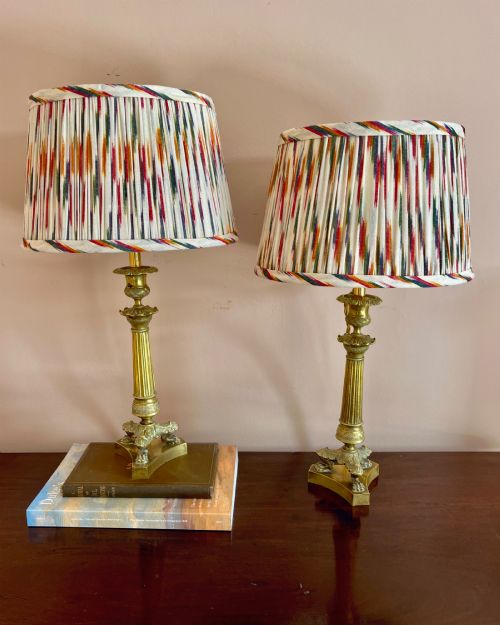
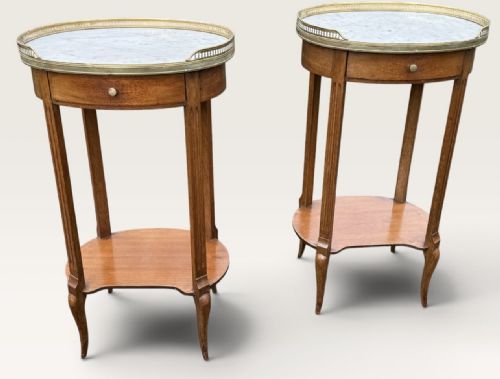
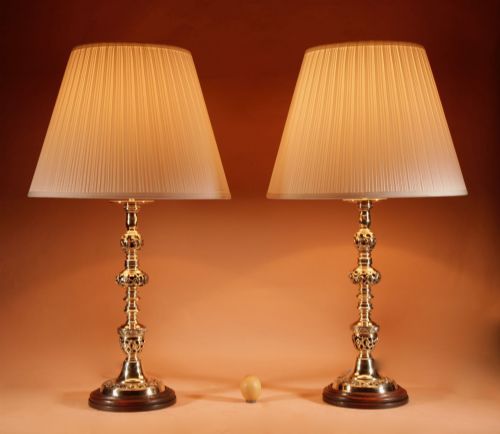
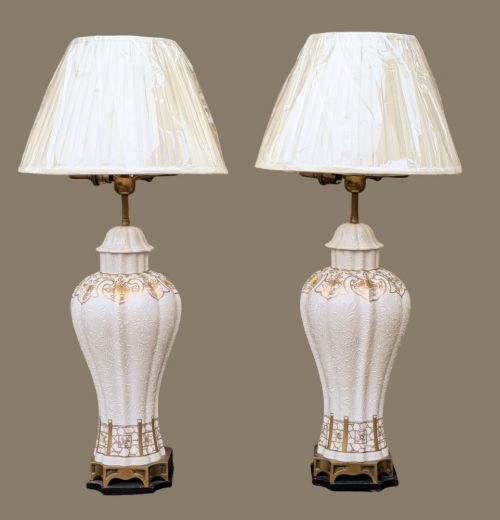
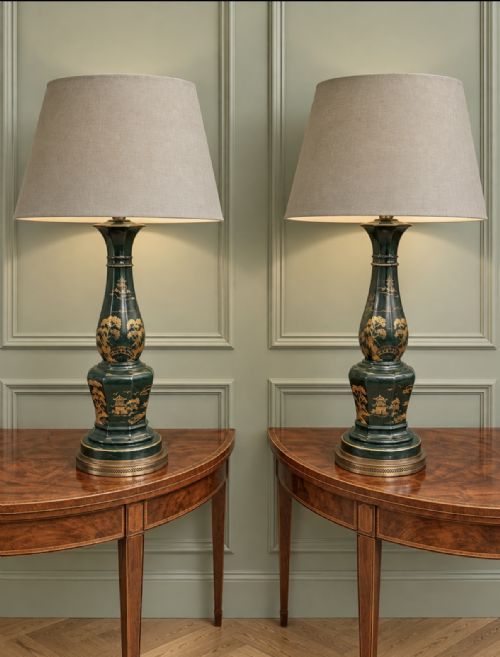
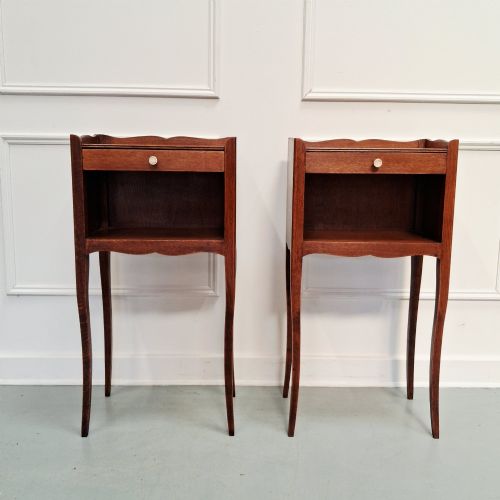
When you search for a pair of bedside lamps, you encounter matched pairs of lighting fixtures designed to sit beside a bed or illuminate a low surface. The selection ranges from converted candlesticks and classical columns to sculptural bronze figures and small side tables equipped for illumination.
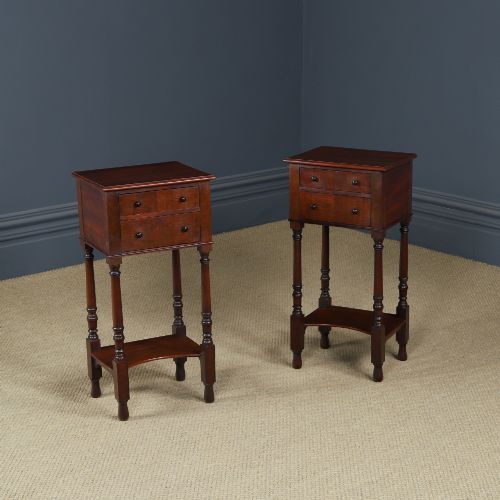
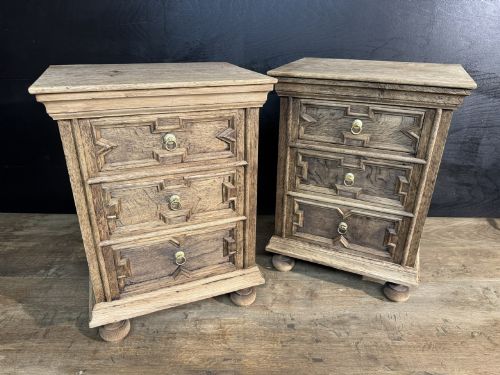
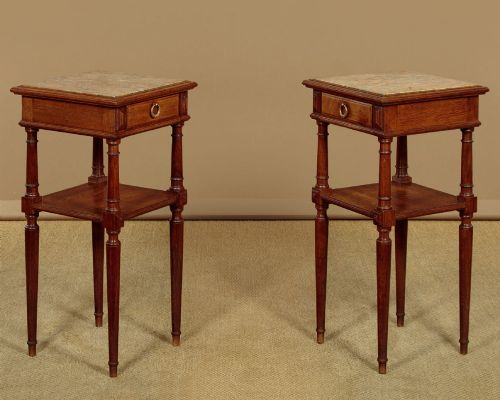
The objects span from the nineteenth century through the Edwardian era and into the 1920s and 1930s. Mahogany and walnut furniture pieces featuring lamps or dedicated table lamp bases dominate the examples, alongside gilt metal, brass, and hand-painted ceramics.
Materials and construction methods
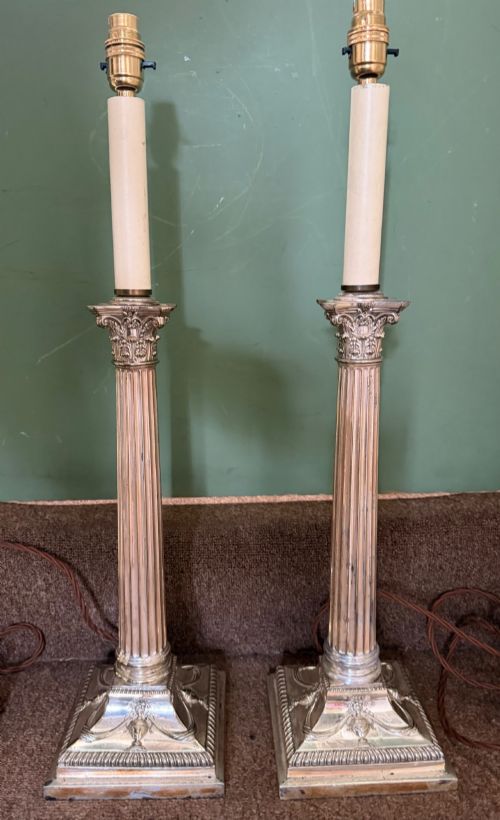
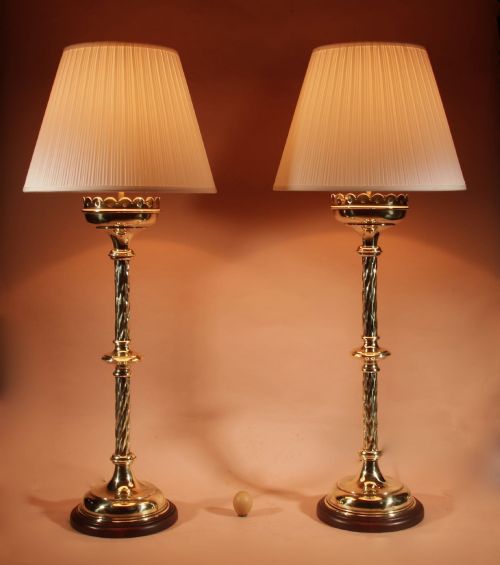
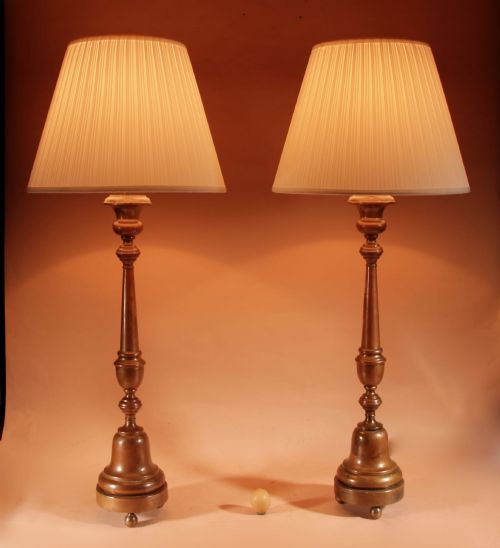
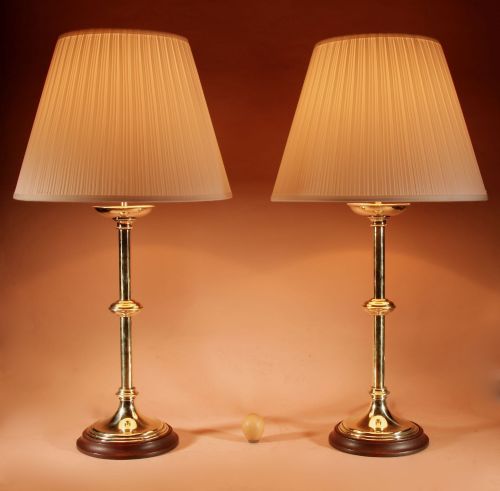
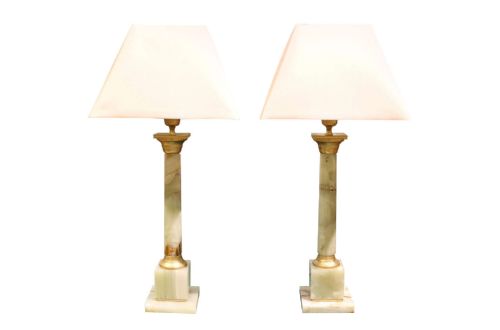
Metals such as brass, bronze, and silver plating appear frequently, shaped into Corinthian columns, figurative cherubs, and classical mounts. Cabinetmakers utilised mahogany, walnut, oak, and yew for tables and chests, often incorporating marquetry inlay, drop leaves, or serpentine fronts.
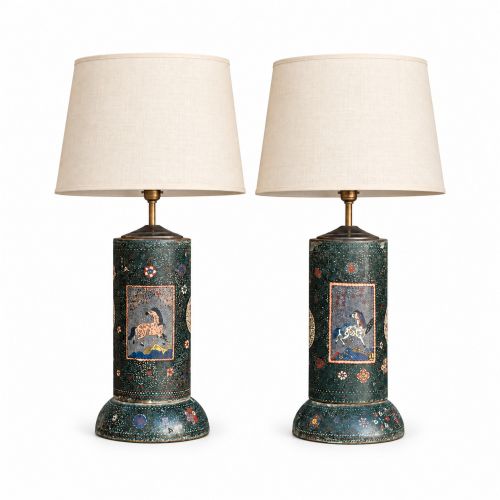
Decorative elements involve champlevé enamel, giltwood, marble bases, onyx, and crystal. Textile fabric and silk shades complement carved wooden bases and hand-painted surfaces originating from diverse international workshops.
Pair of Bedside Lamps Retail Price Guide 2026
Typical asking prices for pair of bedside lamps among the pieces listed under this phrase on Sellingantiques today, from the lower quarter to the upper quarter. They describe what is for sale here now, not the wider market.
Keep an eye out for winged sphinxes and bronze cherubs holding your bedside light.
What separates examples in quality
The distinction lies in the precision of the casting, the depth of the carving, and the integrity of the materials. Finely cast brass or bronze displays crisp architectural fluting and detailed figural work, whereas lesser pieces show softer contours.
Furniture construction varies from solid mahogany and walnut cabinets with multiple dovetailed drawers to simpler veneered tables. The sophistication of surface treatments, such as genuine marquetry inlay or hand-painted Chinoiserie and Kashmiri details, elevates an example.
E Rousseau·Angelo Brotto for Esperia
The Pair of Bedside Lamps Glossary
- Corinthian column
- A classical architectural column style featuring ornate acanthus leaves on the capital, frequently emulated in brass and bronze lamp bases.
- Champlevé
- An enamelling technique where recessed areas are gouged into a metal surface and filled with vitreous enamel before firing.
- Marquetry
- The art of applying small pieces of wood veneer to a structure to form decorative patterns, seen on tabletops and cabinet fronts.
- Serpentine
- A furniture design feature describing a tabletop or chest front with a wavy, concave-convex outline.
- Gilt bronze
- Copper alloy cast objects treated with a thin layer of gold, providing a durable metallic finish seen on French and English pieces.
Pair of Bedside Lamps: Frequently Asked Questions
What periods do these lamps represent?
The pieces draw from the nineteenth century, Victorian, Edwardian, and Georgian styles, alongside early twentieth-century designs from the 1910s, 1920s, and 1930s.
Materials range from polished mahogany and walnut to heavy brass columns, marble, onyx, and hand-painted surfaces.
Were these always electric lamps?
Many older examples started life as functional items before conversion to electricity. Brass candlesticks, porcelain vases, and architectural columns were adapted later to serve as bedside lighting.
Other pieces were built as dedicated table bases or combined with small lamp tables and bedside chests from the outset.
How do I match them to my room?
Consider the predominant wood tones and metals already present in your space, such as dark mahogany or polished brass. Matching the height and proportion of the lamp to your bedside table ensures a balanced look.
Fabric shades in silk or neutral tones diffuse light effectively while complementing the finish of the base.
What styles are most common?
Neoclassical, Regency, and Edwardian styles appear frequently alongside French Neoclassical and Hollywood Regency influences. Corinthian columns and figural motifs remain popular choices for traditional interiors.
Art Deco and Chinoiserie examples provide alternative aesthetics from the early twentieth century.