


Vintage Gilded Brass Lamps
Vintage gilded brass lamps bring warmth and decorative metalwork into a room, offering functional illumination paired with historic character.
Vintage Gilded Brass Lamps
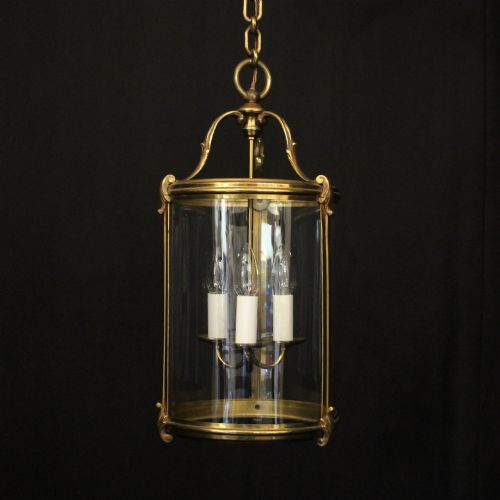
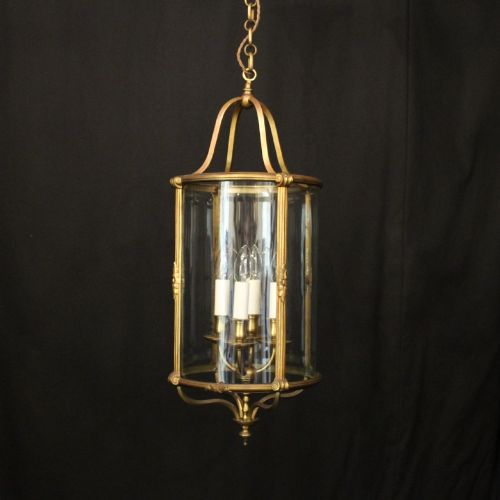
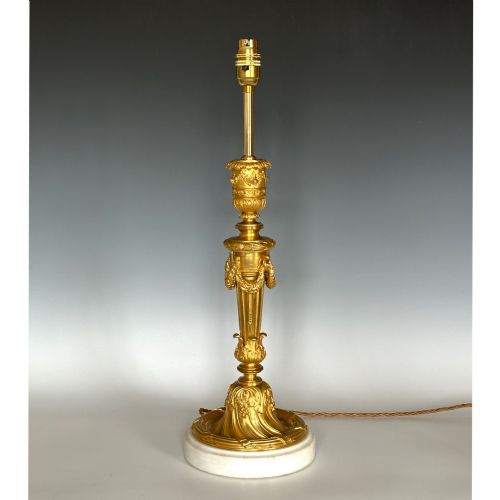
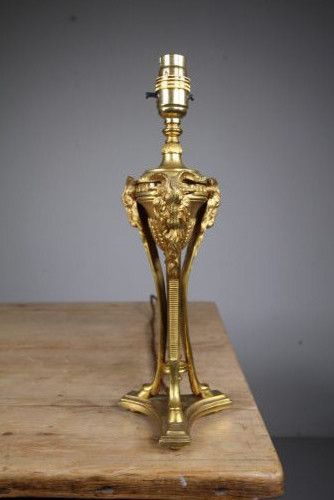
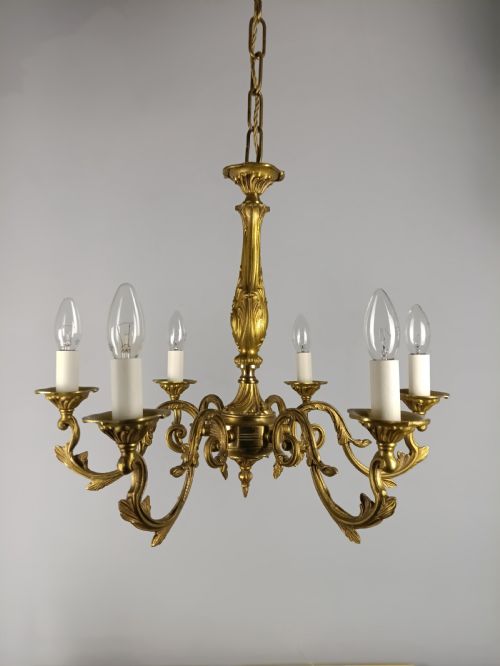
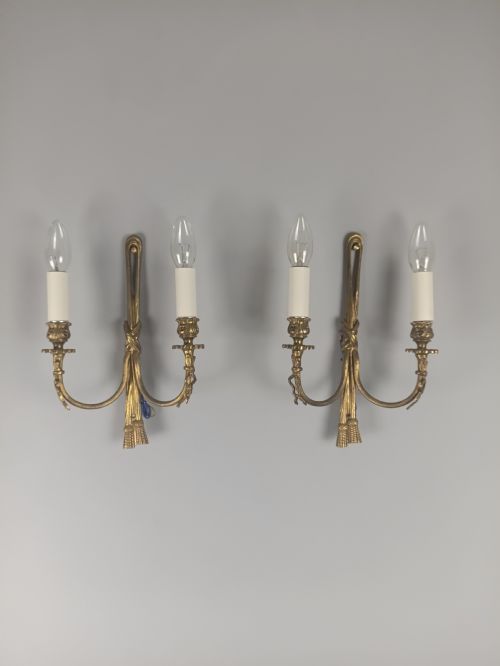
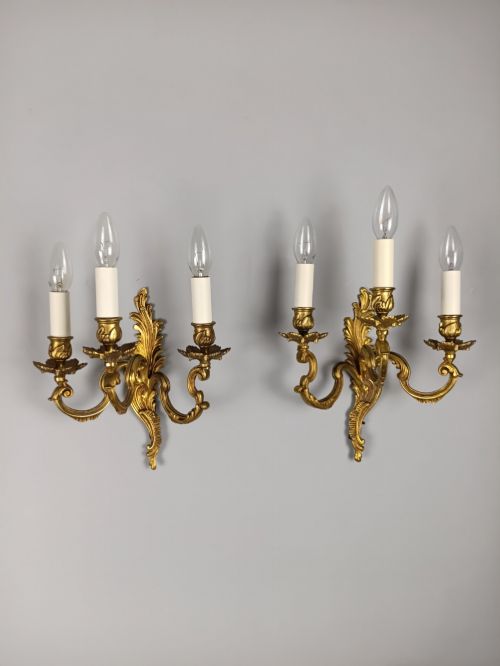
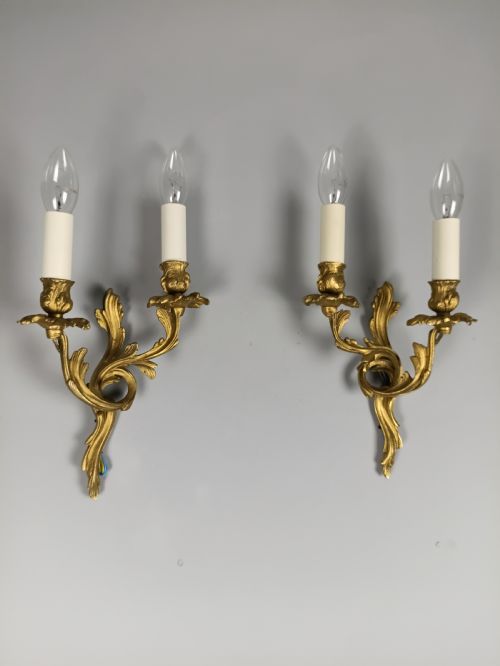
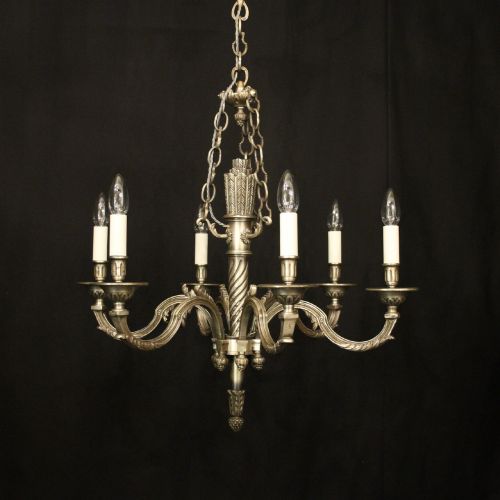
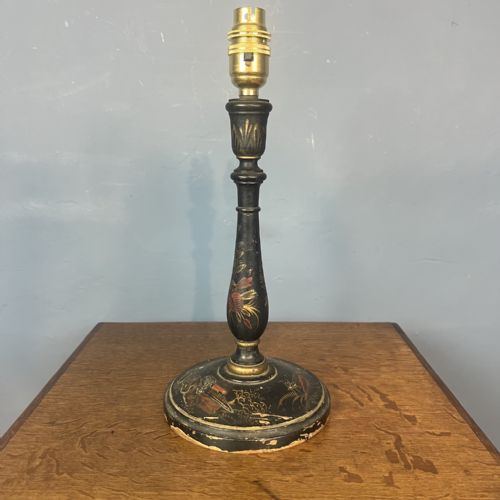
When searching for vintage gilded brass lamps, buyers encounter an array of lighting fixtures that combine metal frames with decorative finishes. These objects span periods from the nineteenth century into the twentieth century, reflecting varied design movements originating largely in France. The selection includes multi-arm chandeliers, wall lights, and table lamps incorporating materials such as crystal, glass, and marble.
The most common pieces on this page are French chandeliers and wall lights dating from the nineteen-twenties and nineteen-thirties, alongside nineteenth-century ormolu and table lamps. Objects often display specific historical influences like Rococo, Louis XVI, and Neoclassical styles. Buyers select these fixtures to introduce traditional craftsmanship and reflective metal surfaces into domestic interiors.
Distinguishing quality in metalwork and design
The refinement of the casting and chasing distinguishes superior pieces from simpler productions, as skilled artisans achieved crisper detail and deeper relief in the metal ornamentation. The weight and thickness of the brass or bronze armature indicate the substance of the construction.
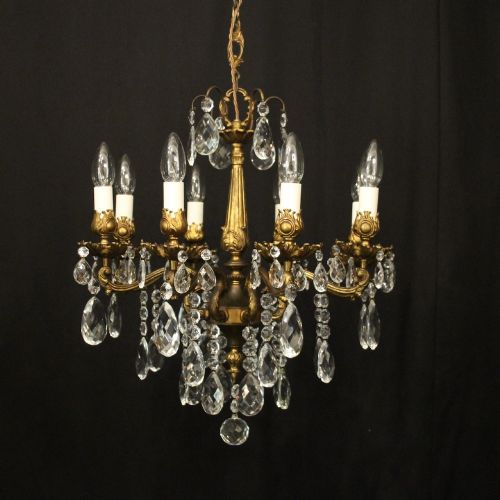
Integration of secondary materials such as hand-cut crystal prisms, finely polished marble bases, and complex multi-arm configurations elevates the sophistication of a lighting fixture. The cohesion of style, whether following Louis XV, Rococo Revival, or Neoclassical design principles, determines the artistic merit of the piece.
Listings feature items dated across the nineteenth and twentieth centuries, including pieces from the eighteen-fifties, eighteen-sixties, eighteen-eighties, nineteen-hundreds, nineteen-tens, nineteen-twenties, and nineteen-thirties.
The Vintage Gilded Brass Lamps Glossary
- Ormolu
- A method of applying finely ground high-carat gold to an object of bronze or brass. This technique creates a rich golden appearance characteristic of fine decorative metalwork.
- Gilding
- The decorative application of gold leaf or gold powder to a surface. It provides a durable metallic sheen across brass and bronze lighting frames.
- Chandelier
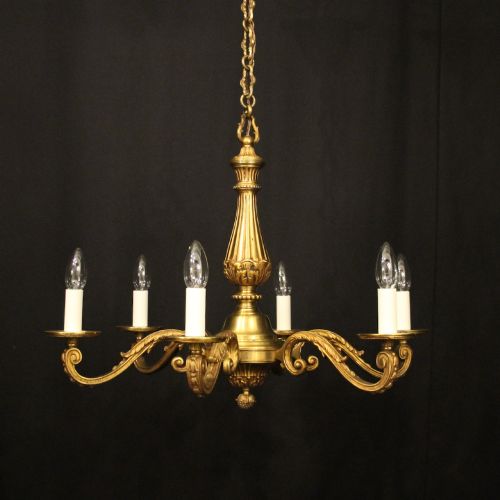
- A branched ornamental light fixture suspended from a ceiling. These pieces often incorporate multiple light arms and crystal droplets.
- Wall sconce
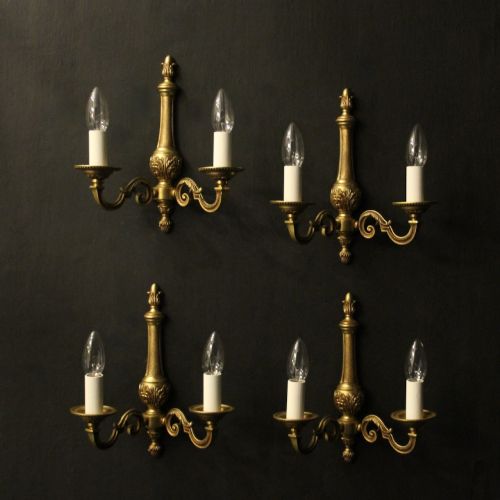
- A lighting fixture fixed to a wall that projects outward to hold candles or electric lamps. They frequently feature twin or triple arms.
- Verde marble
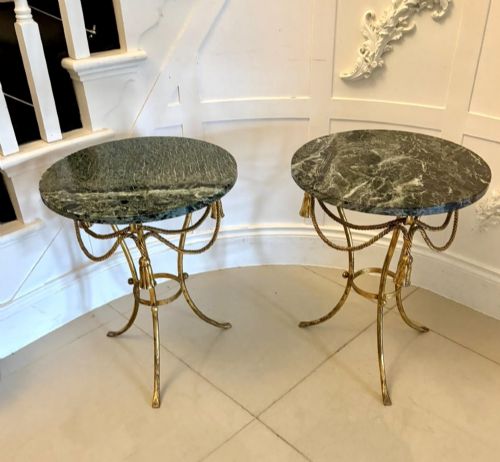
- A dark green ornamental stone often featuring white veining. It appears in the bases and columns of lamps and side tables.
Vintage Gilded Brass Lamps: Frequently Asked Questions
How do I clean gilded brass?
Dust surfaces gently with a soft, dry cloth to prevent the accumulation of dirt without disturbing the gold finish. Avoid abrasive cleaners or harsh chemical polishes that can strip away the historical gilding.
For intricate areas, a very soft brush helps remove debris from crevices in the cast ornamentation. Preserving the original surface patina maintains the character and historic integrity of the piece.
Are these lamps wired for modern use?
Many antique lighting fixtures arrive with modern electrical wiring or have been rewired for contemporary domestic standards. Buyers should consult individual listings or professional electricians to verify the electrical setup before installation.
Rewiring ensures that older chandeliers and table lamps meet safety requirements while operating successfully in modern homes. Original lamp holders are sometimes retained alongside updated internal wiring.
What styles are common in these lamps?
French design traditions heavily influence the selection, encompassing Louis XVI, Rococo, and Neoclassical styles. These aesthetics feature symmetrical scrolls, acanthus leaves, classical urns, and naturalistic floral motifs.
Other pieces reflect nineteenth-century revival movements or Edwardian sensibilities. This stylistic variety allows buyers to match lighting to specific historic interior schemes.
How do I date a brass lamp?
Dating relies on examining the casting techniques, fastening methods, and stylistic cues present in the metalwork. Nineteenth-century pieces often display heavier cast bronze components and hand-cut crystal, while later twentieth-century examples may utilise alternative construction.
Makers frequently incorporated period design elements such as Louis XV curves or Neoclassical torch motifs that align with specific manufacturing eras. Comparing the overall weight, wear patterns, and accompanying materials helps establish the approximate period.