

Antique Bronze Ceiling Fixture
An antique bronze ceiling fixture brings heavy metal warmth and layered crystal light to a room, drawing the eye upwards with period presence.
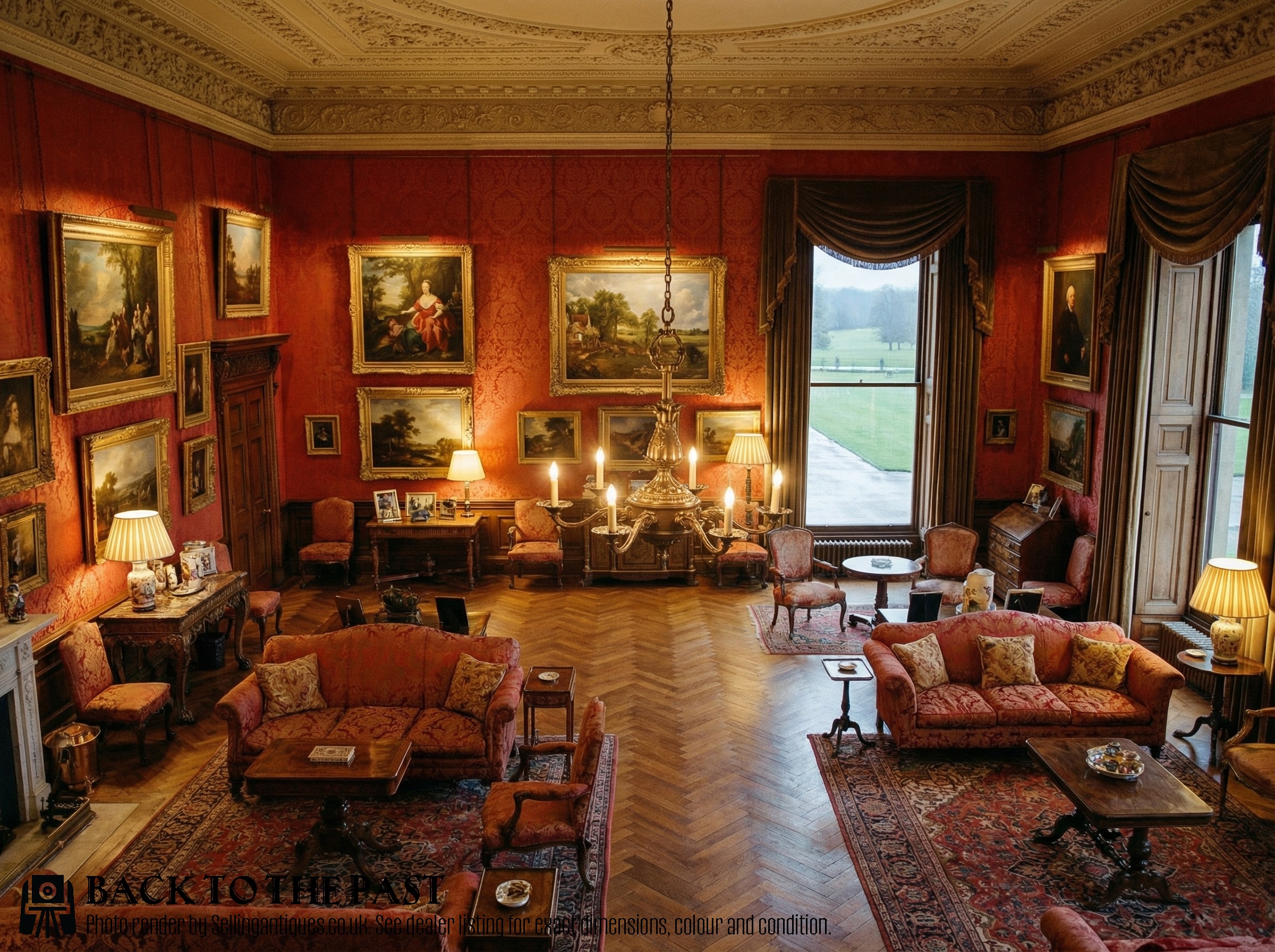
Antique Bronze Ceiling Fixture
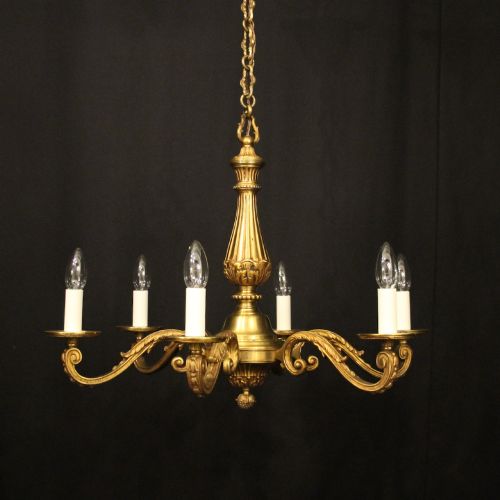
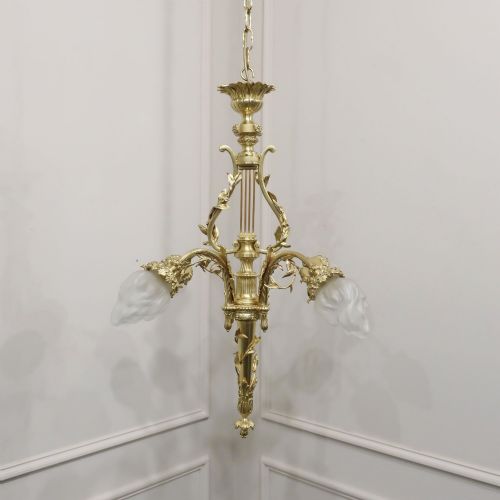
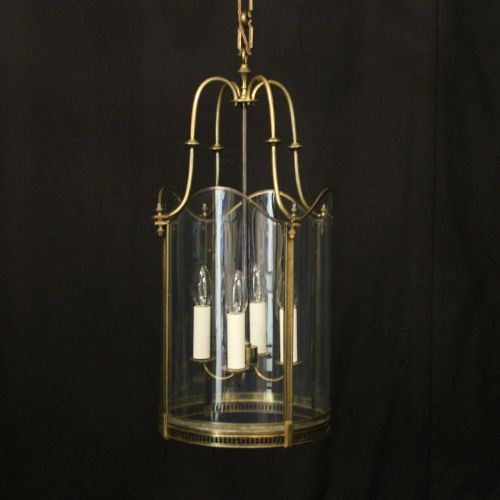
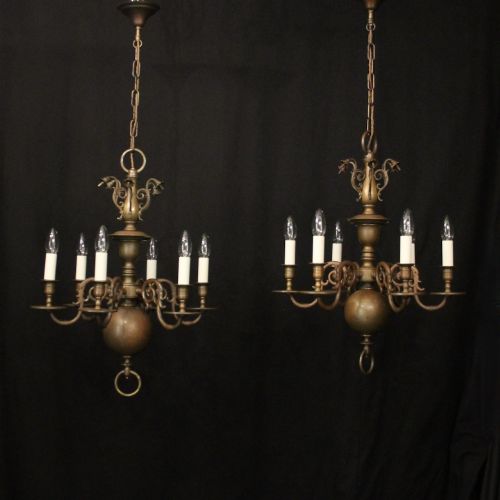
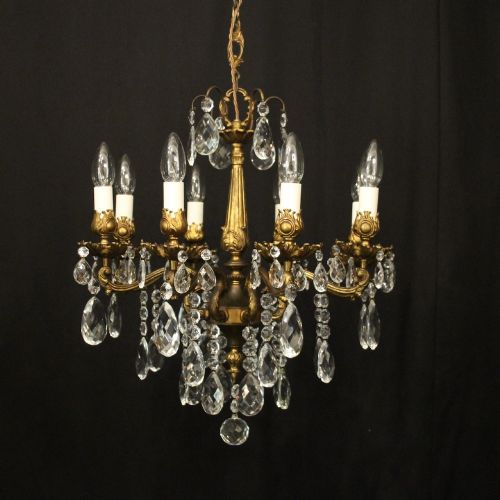
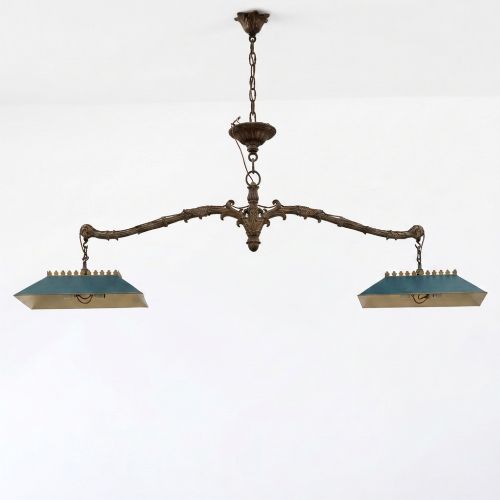
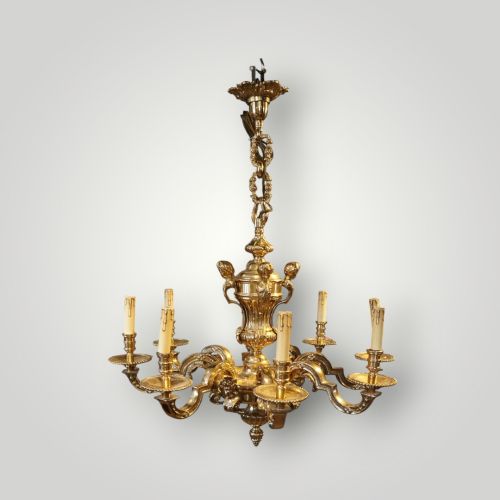
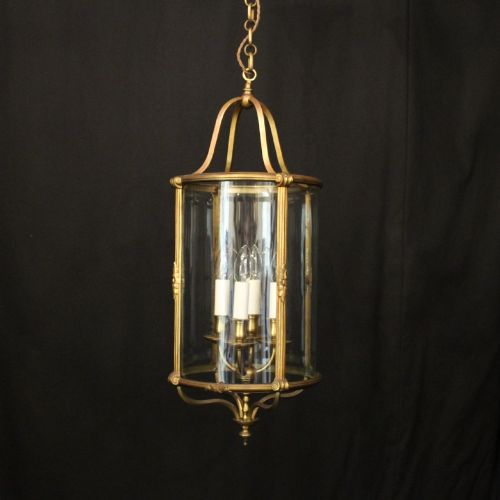
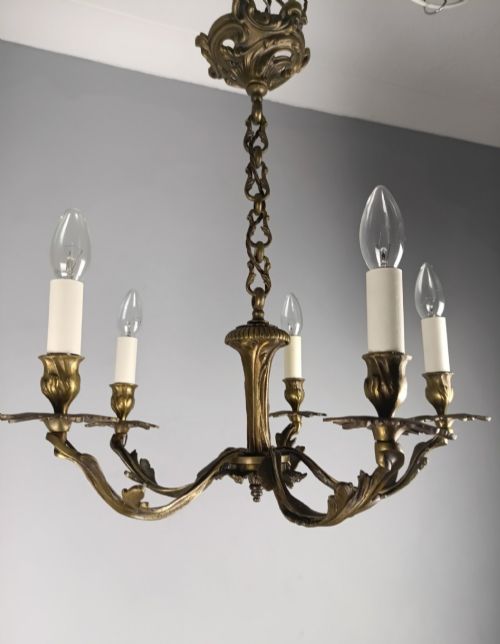
An antique bronze ceiling fixture encompasses hanging illumination constructed primarily in bronze, brass, and related metal alloys, often taking the form of multi-arm chandeliers, hall lanterns, and pendant lights. When you search for an antique bronze ceiling fixture, you encounter pieces spanning the nineteenth century through the interwar decades of the twentieth century, with a strong representation of French output.
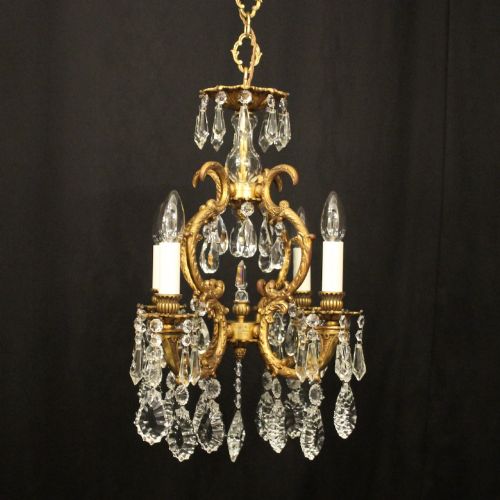
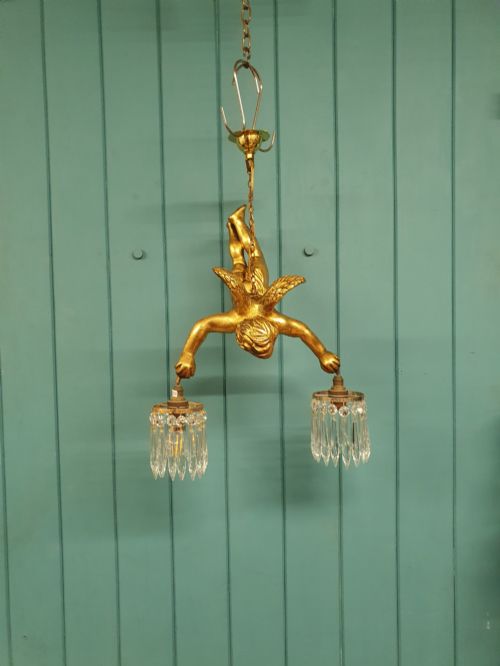
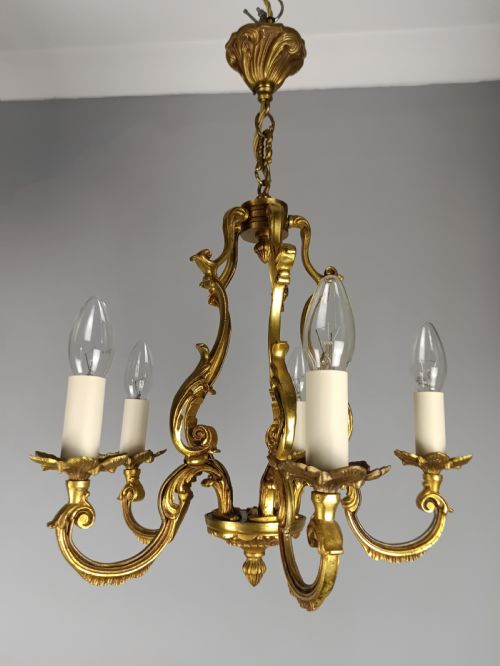
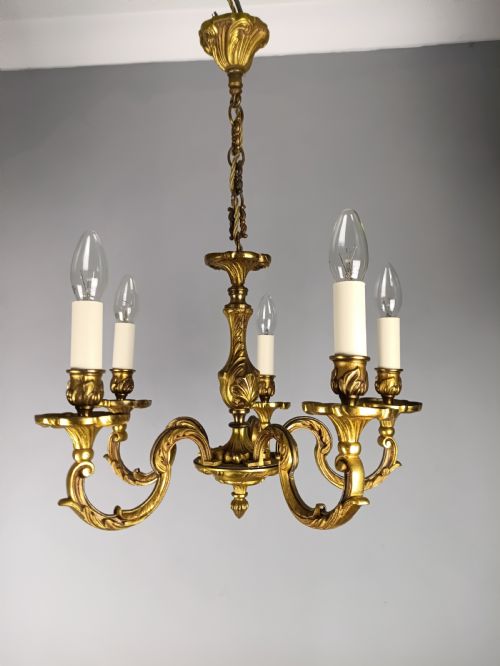
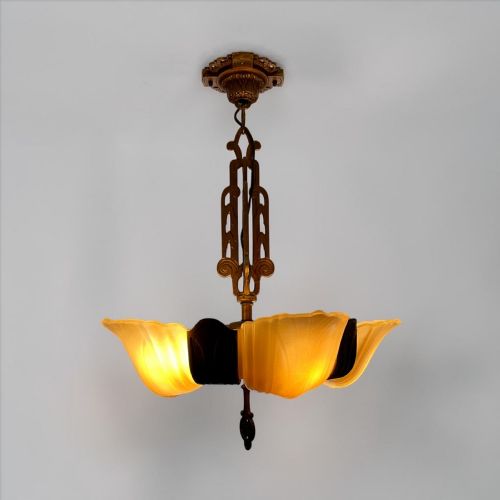
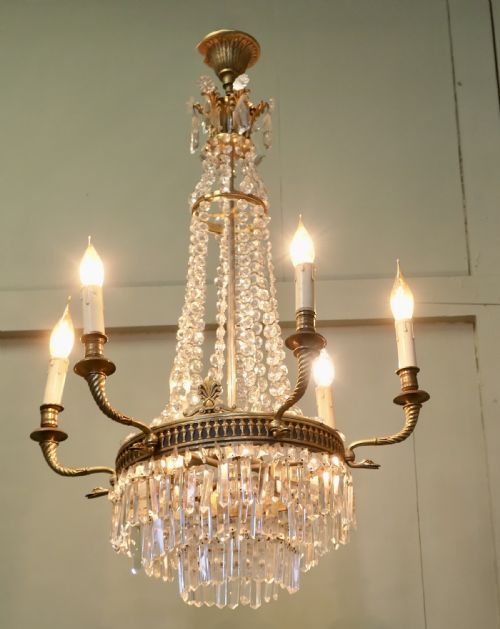
The selections on this page lean heavily towards French aesthetic traditions, particularly French Rococo, Neoclassical, and Empire styles alongside Art Deco interpretations. Chandeliers dominate the listings, ranging from modest four-light configurations to grand multi-arm ballrooms lights, while hall lanterns and tent-and-waterfall designs offer alternative overhead options.
How they were made
Foundry work and metal casting formed the structural core of these pieces, utilising bronze, gilded bronze, and brass shaped into arms, frames, and decorative mounts. Many components received surface treatments such as gilding or silver gilding to enhance the metallic sheen and catch the ambient illumination.
Cut glass and crystal drops, spikes, and slip shades were integrated into the metal frames to refract the light, suspended by wire or pinned directly into the cast bronze structures. Alabaster and specialised glass panels also appear, paired with dark or gilded bronze frameworks to diffuse the glow from internal candle or electric lamp points.
Periods represented in the available selection span the nineteenth century alongside the 1890s, 1900s, 1910s, 1920s, and 1930s.
What varies in quality
The refinement of the casting and the depth of the chasing separate standard production from superior examples. Crisp botanical motifs, sharp relief work on mounts, and substantial metal gauge indicate skilled foundry output rather than hurried commercial fabrication.
The composition and integration of the crystal or glass elements also differentiate tiers of quality. Hand-cut crystal prisms with clean edges and high refractive clarity contrast with simpler moulded glass, while heavier gauge bronze frames maintain structural integrity across larger multi-light configurations.
The Antique Bronze Ceiling Fixture Glossary
- Bronze
- An alloy consisting primarily of copper, traditionally mixed with tin, utilised for its durability and capacity for detailed casting in decorative metalwork. It forms the structural and ornamental foundation for numerous period lighting fixtures.
- Gilt bronze
- Bronze metal treated with a thin layer of gold applied through amalgamation or leaf methods, producing a rich golden surface finish. This treatment protects the underlying metal while offering a bright reflection.
- Tent and waterfall
- A chandelier configuration featuring an upper conical tent of strung crystals dropping down into a cascading waterfall effect of glass prisms. This style creates dense refractive displays beneath the central frame.
- Hall lantern
- An enclosed ceiling fixture designed specifically for corridors and entrance spaces, typically featuring glazed glass panels within a bronze or brass frame. These pieces directed light safely in narrow architectural thoroughfares.
- Slip shade
- A moulded piece of glass inserted directly into a metal frame, common in Art Deco lighting design. It acts as a diffuser for the internal bulb arrangement.
Antique Bronze Ceiling Fixture: Frequently Asked Questions
How do I clean an antique bronze ceiling fixture?
Dust the metal surfaces gently with a soft brush and clean glass elements using a mild diluted solution applied to a cloth. Avoid harsh chemical cleaners that strip historical surface patinas or damage applied gilding.
Ensure the fixture is disconnected from the electrical supply before undertaking any maintenance work. Removable crystal drops can be washed individually and dried thoroughly before reattachment.
Can these fixtures be rewired for modern wiring?
Most antique lighting is adapted by electricians to meet contemporary safety standards while preserving internal pathways and original lampholders where possible. Rewiring ensures the metal frame safely handles current electrical loads.
Consult a qualified professional to assess the internal threading and weight capacity during any modernization process.
How do I date an antique bronze ceiling fixture?
Dating relies on stylistic markers, manufacturing techniques, and material combinations consistent with recorded design periods. Neoclassical and Empire influences suggest nineteenth-century origins, whereas streamlined geometric forms point toward the 1920s and 1930s.
Examine the construction of the fixings, screw threads, and casting seams for clues regarding the period of manufacture.
Are these fixtures suitable for low ceilings?
Certain forms, such as flush-mounted ceiling lights or compact hall lanterns, suit rooms with restricted vertical clearance. Large tent chandeliers require substantial ceiling height to hang effectively.
Measure the drop distance from the ceiling rose to the lowest point of the frame before selecting a piece for a domestic interior.