


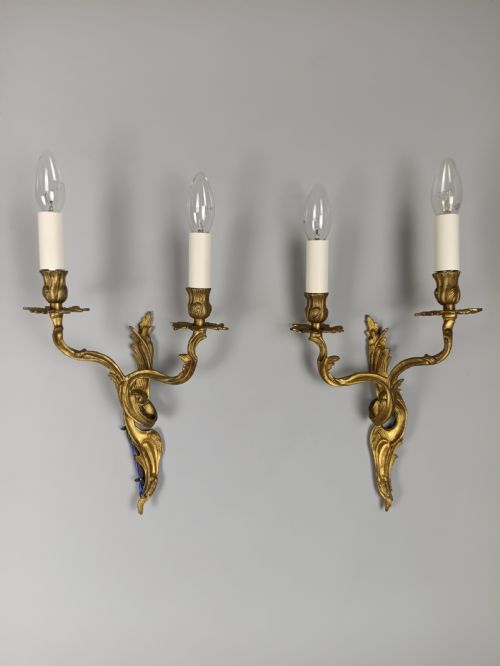
Ornate Brass Light
An ornate brass light brings heavy cast metal and rich gilt surfaces into a room, offering both illumination and architectural weight.
Ornate Brass Light
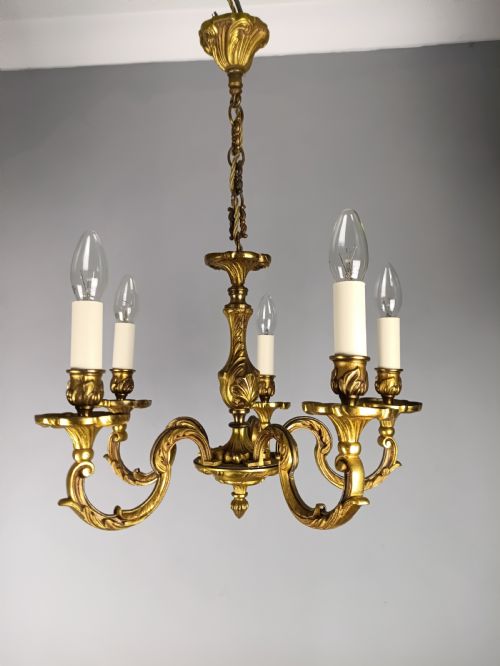
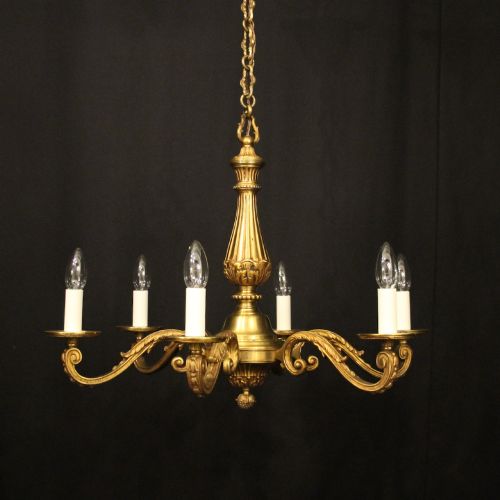
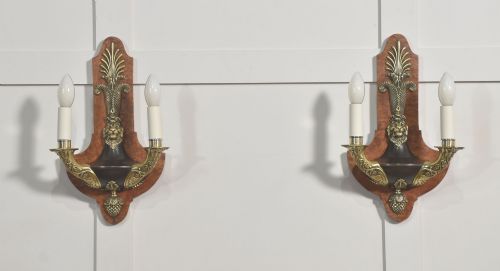
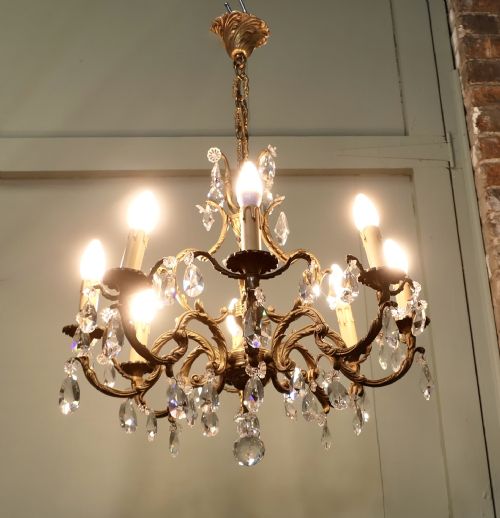
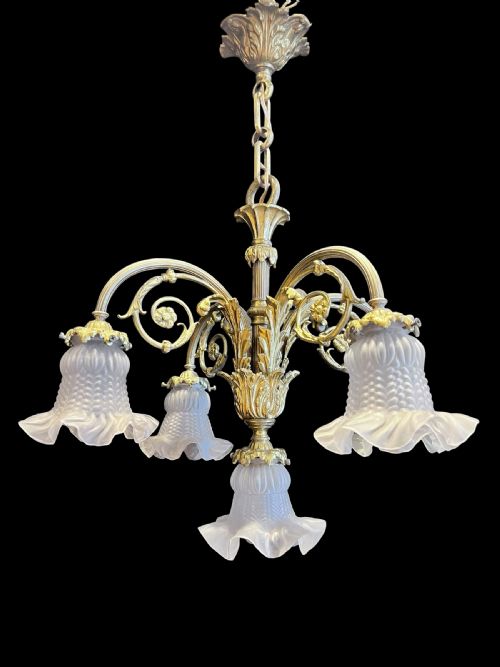
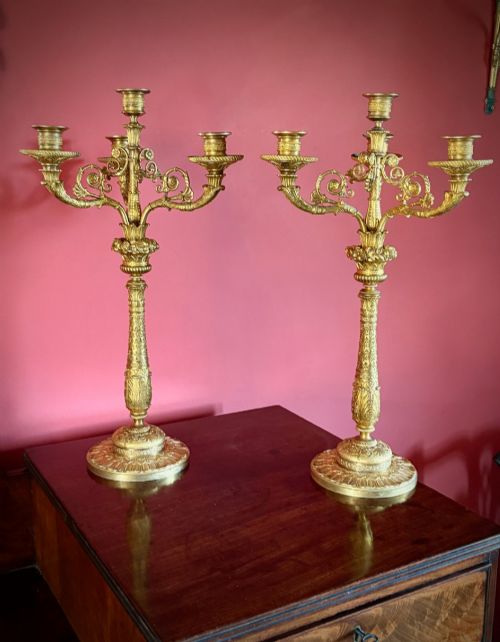
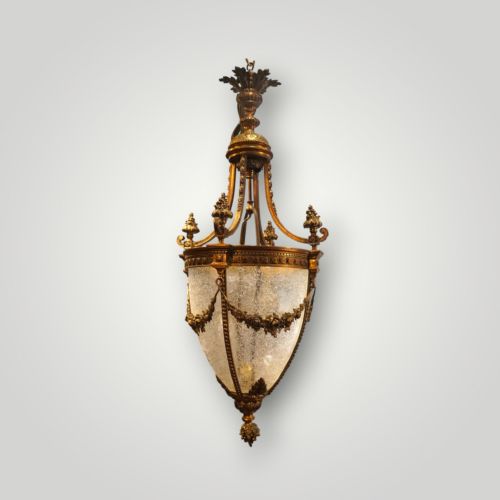
When you search for an ornate brass light, you encounter a varied selection of British and continental European domestic fittings spanning the nineteenth and early twentieth centuries. These objects range from heavy multi-branch chandeliers and wall sconces to freestanding standard lamps, table lamps, and hall lanterns.
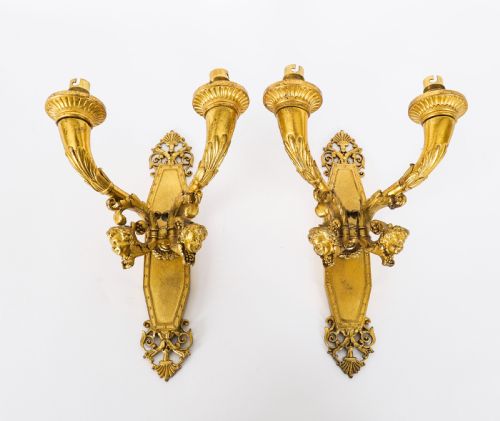
The pieces appearing most frequently on this page originate from French and Victorian workshops, often taking the form of wall lights and chandeliers cast in elaborate floral and scroll motifs. Many items demonstrate revivalist impulses, drawing upon French Rococo, Louis XIV, and Regency styles to achieve a dramatic decorative effect.
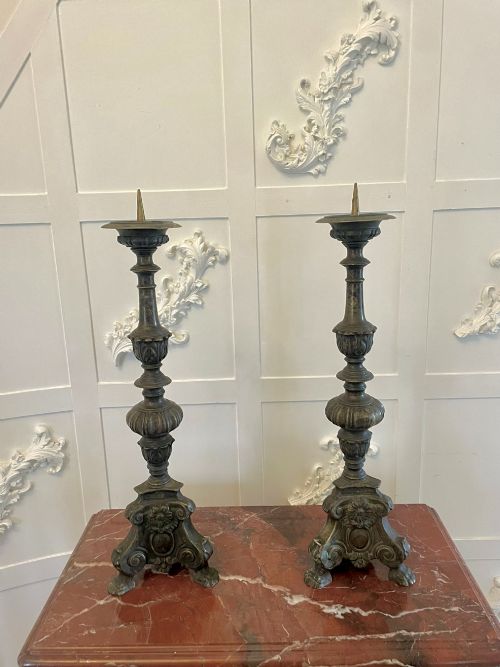
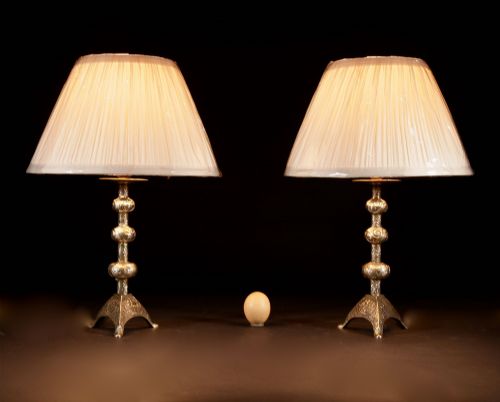
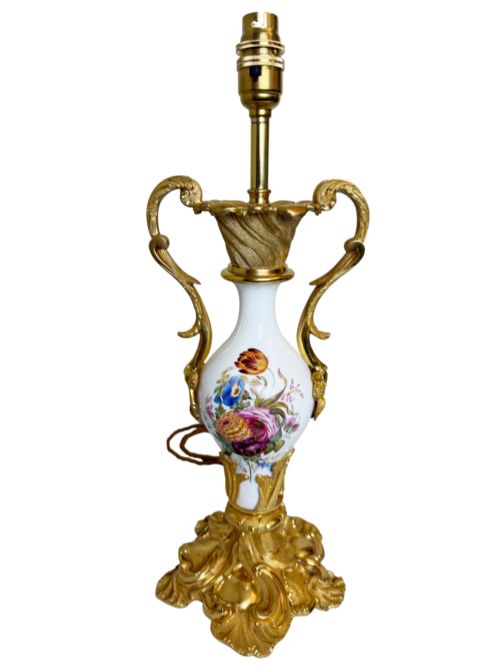
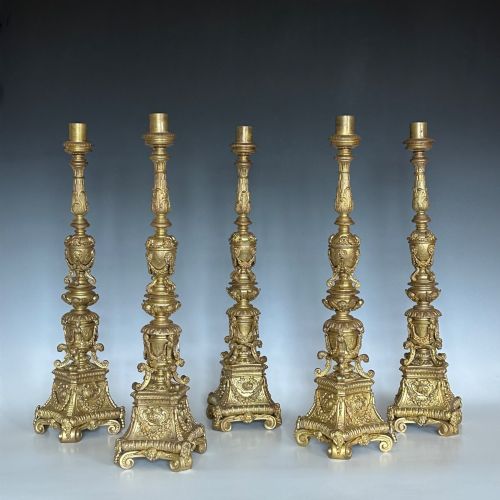
Smaller items such as candlesticks, pricket candlesticks, and cased oil lamps also populate the inventory, alongside converted gas and electric table lamps mounted with crystal or opaline glass. These domestic items rely on chased metalwork and glass lustres to catch and refract ambient light.
How they were made
Foundry work relied on the casting of brass, gilt bronze, and ormolu, producing rigid armature and detailed decorative mounts through sand-casting or lost-wax techniques. Artisans then chased the metal surfaces by hand, sharpening scrollwork and foliage patterns before applying fire-gilding or lacquer.
Many fittings incorporate glass elements, utilising cut crystal lustres hung from wire pins, opaline glass shades, or carved onyx columns paired with champleve enamel. Fabric and metal components also appear on standard lamps and oil lamps, reflecting the varied domestic functions of these brass assemblies.
Ornate Brass Light Retail Price Guide 2026
Typical asking prices for ornate brass light among the pieces listed under this phrase on Sellingantiques today, from the lower quarter to the upper quarter. They describe what is for sale here now, not the wider market.
Listings feature items spanning the eighteenth to the twentieth centuries, utilising brass, gilt bronze, crystal, and opaline glass across diverse lighting forms.
What varies in quality
Quality separates mass commercial production from master foundry output by the crispness of the chasing and the depth of the metal casting. Superior pieces display finely articulated acanthus leaves and scrolls without surface pitting or soft edges.
The richness of the gilding or bronze finish dictates the visual success of the piece, as genuine fire-gilding retains a warm, deep lustre that lesser lacquers fail to replicate over time. Integrated details such as heavy crystal drops, matched onyx bases, and substantial mounting brackets distinguish higher-tier examples from simpler domestic hardware.
The Ornate Brass Light Glossary
- Ormolu
- A technique of applying finely ground high-carat gold to a bronze or brass object using a mercury amalgam. This process yields a warm, durable metallic finish found on high-end French decorative pieces.
- Champleve
- An enamelling technique where troughs or cells are hollowed out of the metal surface and filled with vitreous enamel powder before firing. It frequently decorates nineteenth-century candlesticks and desk ornaments.
- Pricket candlestick
- A candleholder featuring an upward-pointing metal spike that secures the base of the candle directly, rather than sitting inside a traditional socket. These often appear in ecclesiastical or heavy revivalist domestic contexts.
- Lustre
- A cut glass pendant or drop suspended from the arms of a chandelier or wall light to reflect and amplify the illumination. They are commonly wired with pins through small drilled holes in the glass.
- Wall sconce
- A decorative lighting fixture secured directly to a vertical wall surface, typically featuring multiple branching arms for candles or electric bulbs. French examples frequently showcase Rococo scrollwork.
Ornate Brass Light: Frequently Asked Questions
How do I date these brass lights?
Dating relies on stylistic markers, manufacturing techniques, and occasional maker stamps or patent marks stamped into the metal armature. Victorian and nineteenth-century pieces often employ heavier sand-casting methods and specific period revival motifs.
Twentieth-century examples from the 1920s and 1930s frequently show lighter construction or adaptations for modern electrical wiring. Comparing the fastening screws and mounting plates against known period examples helps narrow the decade of manufacture.
Were these lights originally electric?
Most antique fittings on this page predate widespread domestic electricity and were originally designed for candles, oil, or gas illumination. Many pieces have since been adapted for modern wiring to function as standard ceiling or wall fixtures.
Conversions often involve running flexible cord through the original hollow brass arms or oil font bodies. Original gas fittings frequently retain their key taps even after being rewired for electric bulbs.
How should I clean gilt bronze?
Cleaning requires minimal intervention to preserve the underlying gold layer or delicate bronze patina accumulated over the centuries. Gentle dusting with a soft, dry brush prevents dirt buildup without abrading the surface.
Water, harsh chemical solvents, and abrasive metal polishes must be avoided entirely because they strip away fire-gilding and lacquer. Professional conservation is recommended for pieces showing active tarnish or structural instability.
What is the difference between brass and gilt bronze?
Brass is an alloy composed primarily of copper and zinc, yielding a bright yellow metallic appearance when polished. Gilt bronze, or ormolu, uses a copper and tin base covered with a layer of gold.
Bronze generally permits sharper casting definition and heavier structural weight than standard brass. Gilded bronze objects exhibit a warmer, deeper golden hue that resists dulling.