
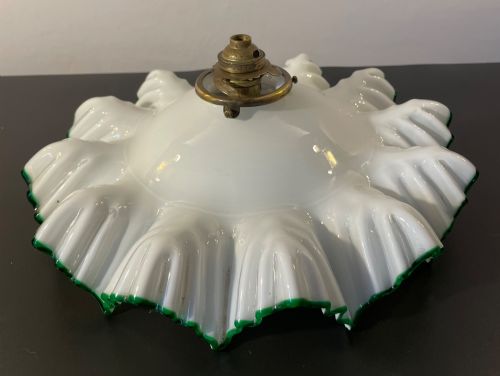
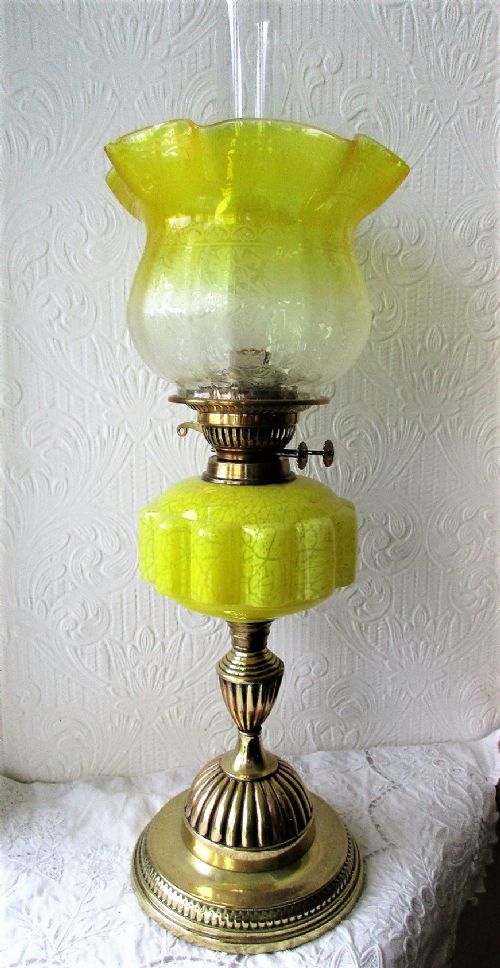
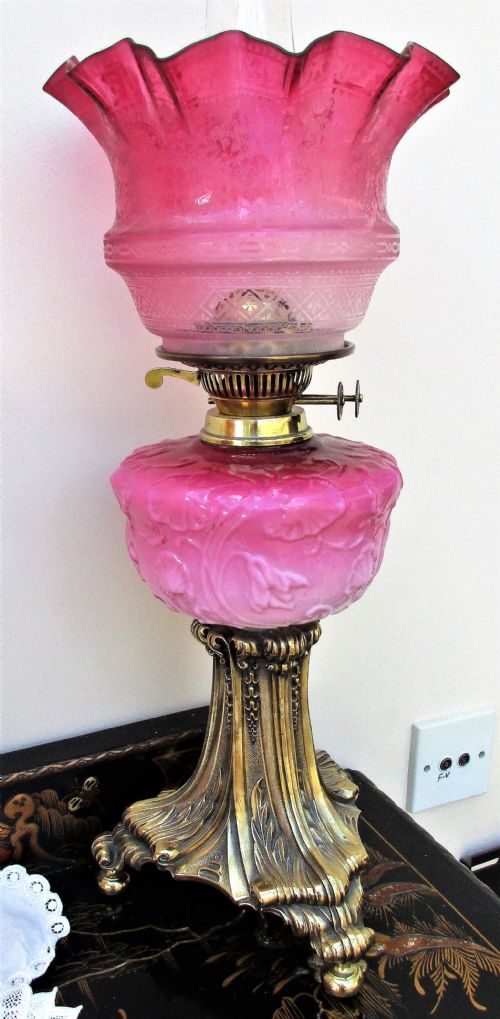
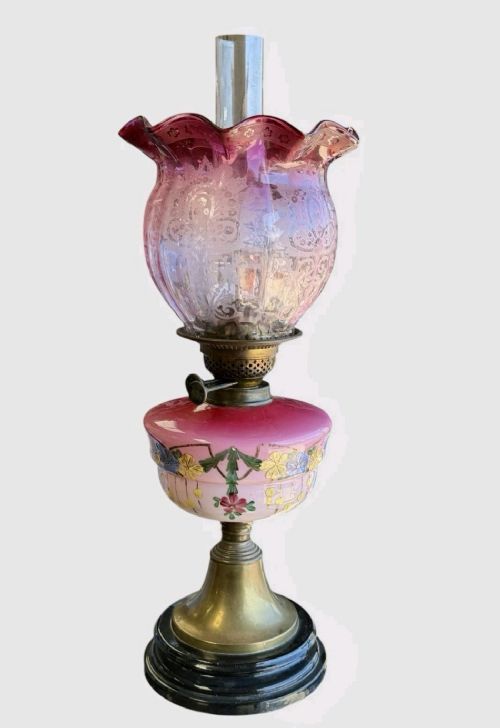


Ruffled Glass Shade Lamp
A ruffled glass shade lamp brings warm Victorian character and striking colour to a room through distinctive hand-blown forms.
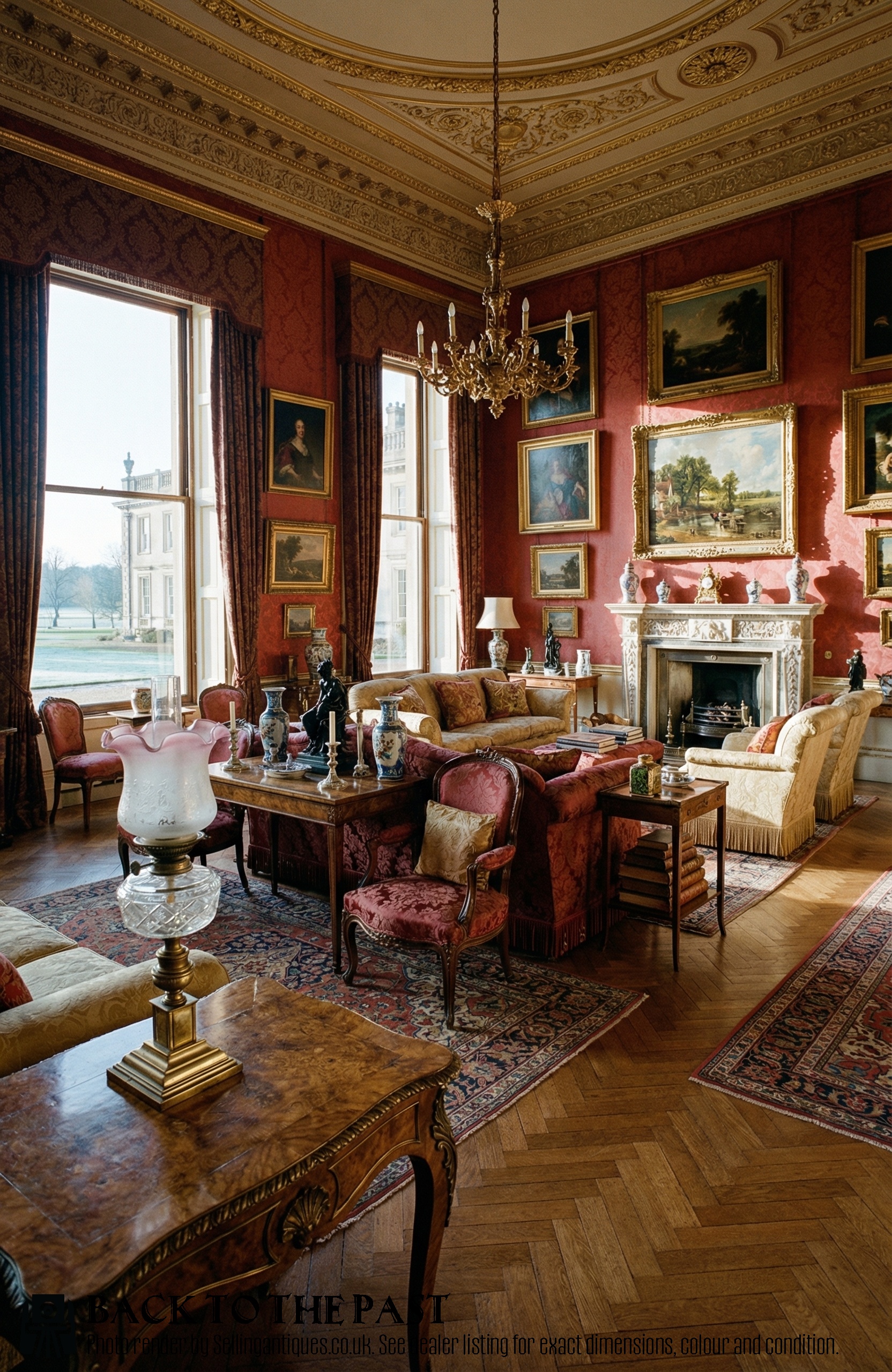
What ruffled glass shade lamp pieces are
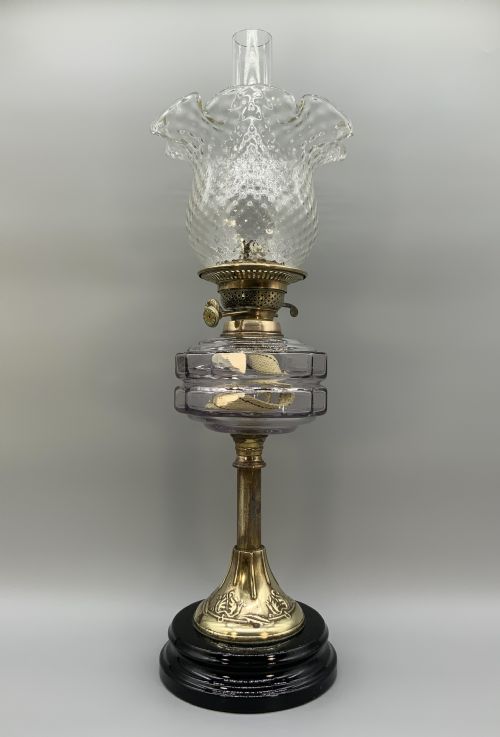
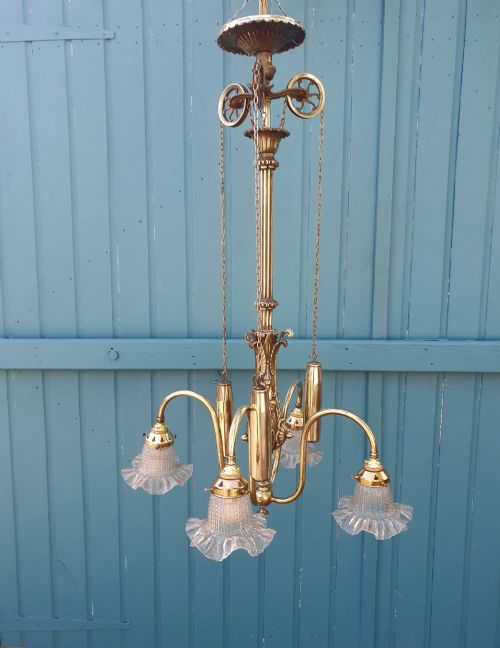
When you search for a ruffled glass shade lamp, you encounter lighting pieces primarily originating from the Victorian, Edwardian, and Art Nouveau periods. These objects combine functional illumination with decorative glasswork, often taking the form of tall table oil lamps or flexible desk lamps.
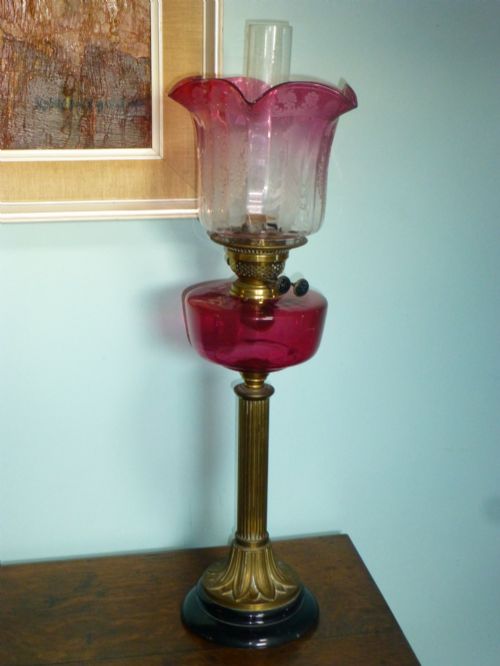
The versions you meet most frequently on this page feature brass and ceramic structures paired with striking glass components. These range from hand-blown cranberry glass to bright yellow glass shades mounted upon substantial metal bases.
How they were made
The manufacture of these pieces involves combining worked metals such as brass, cast iron, and silver plate with delicate glass elements. Artisans shaped glass while hot to create the characteristic ruffled edges seen on the shades.
Makers utilised ceramic and cut glass components alongside metal stems to add weight and decorative contrast. Hand-blown techniques ensured each glass shade possessed unique movement and texture.
Retail Price Guide 2026
Typical UK retail prices for ruffled glass shade lamp, calculated from the Sellingantiques database of over a million retail prices indexed since 2003. This retail price guide relies exclusively on Sellingantiques data; no external sources or auction records are used, so the figures do not describe the wider market.
Makers ruffled hot glass edges by hand, ensuring no two lamp hoods caught the Victorian candlelight in precisely the same way.
What varies in quality
Quality in these lamps rests upon the refinement of the metal casting and the depth of colour in the glass. Heavier brass mountings and finely articulated Art Nouveau or Victorian detailing separate the finer examples from simpler utilitarian objects.
The presence of hand-blown cranberry or cut glass elevates a piece above standard yellow glass variants. Superior examples demonstrate a harmonious balance between the intricate shade and the supportive base.
The Ruffled Glass Shade Lamp Glossary
- Cranberry glass
- A rich red-pink glass coloured with gold chloride during production. It appears frequently in Victorian lighting.
- Art Nouveau
- A decorative style characterised by organic lines and flowing plant-like motifs. Pieces from this movement date around nineteen hundred.
- Cut glass
- Glass decorated by grinding facets or patterns into the surface using a wheel. This technique adds sparkle and tactile depth to the material.
- Silver plate
- A thin layer of silver applied to a base metal core. It provides the appearance of solid silver while maintaining structural rigidity.
Frequently Asked Questions
What periods do these lamps come from?
The listings span the nineteenth century, the Edwardian era, and around nineteen hundred. Victorian and Art Nouveau styles dominate the selection.
Makers of the time utilised brass, ceramic, and various coloured glasses to build these functional items.
Were these originally oil lamps?
Many examples on this page began life as oil lamps before potential later adaptations for electrical use. Their heavy brass and cast iron bases provided necessary stability for burning fuel.
Desk lamps also appear in the selection, showing flexible metal designs suited to working spaces.
What materials make up the bases?
Bases typically consist of brass, cast iron, or silver plate, sometimes combined with ceramic sections. These sturdy materials supported the weight of the fuel reservoirs and glass shades.
Brass and ceramic combinations frequently define the aesthetic of turn-of-the-century table lamps.