
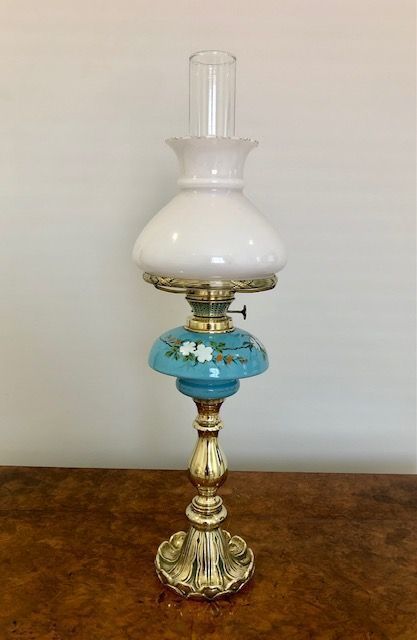
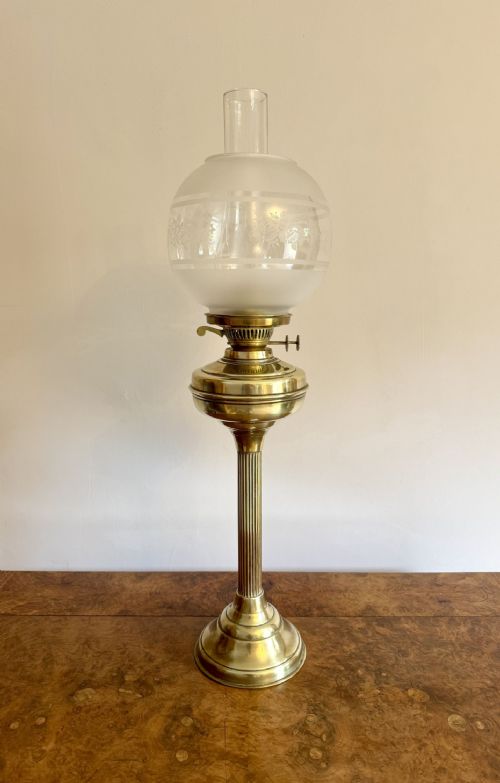

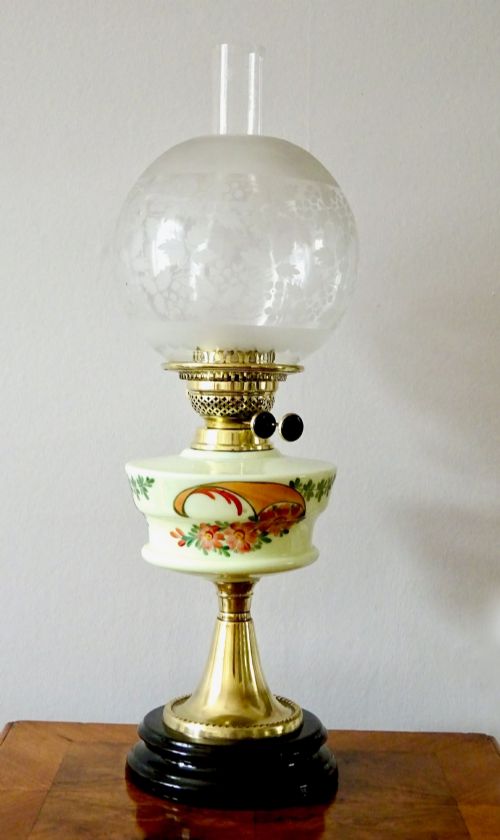


Antique Glass Chimney Lamp
An antique glass chimney lamp brings practical Victorian illumination into a modern room, combining clear glass chimneys with decorative brass, ceramic and coloured fonts.
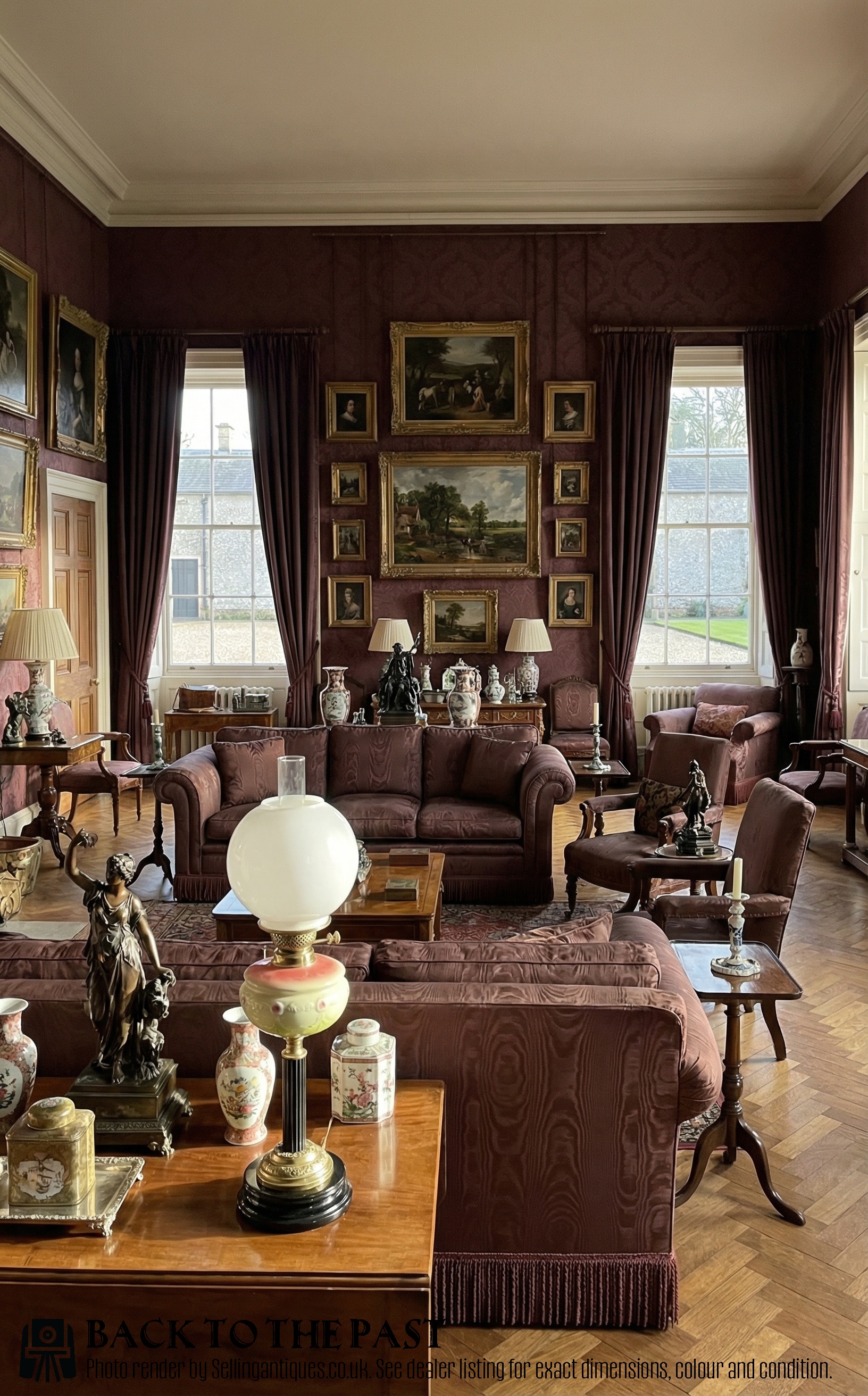
Antique Glass Chimney Lamp
An antique glass chimney lamp is primarily represented on this page by Victorian and Edwardian oil lamps, table lamps and candlesticks dating from the 1860s through to the early decades of the twentieth century. These domestic lighting pieces combine a functional glass chimney with reservoirs and bases fashioned from brass, ceramic, porcelain and shaped glass.
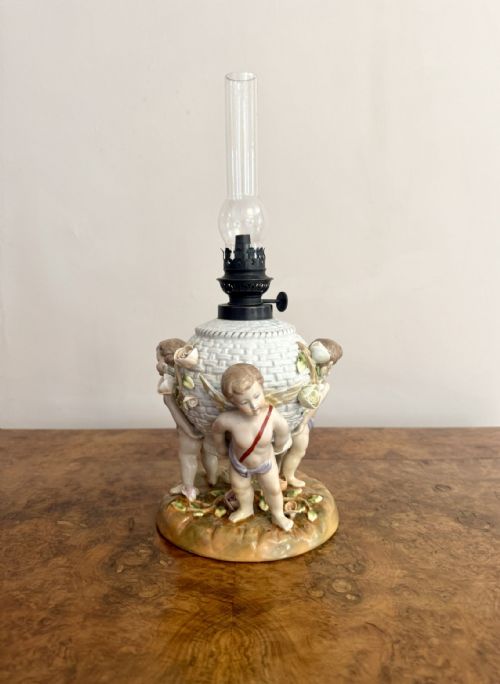
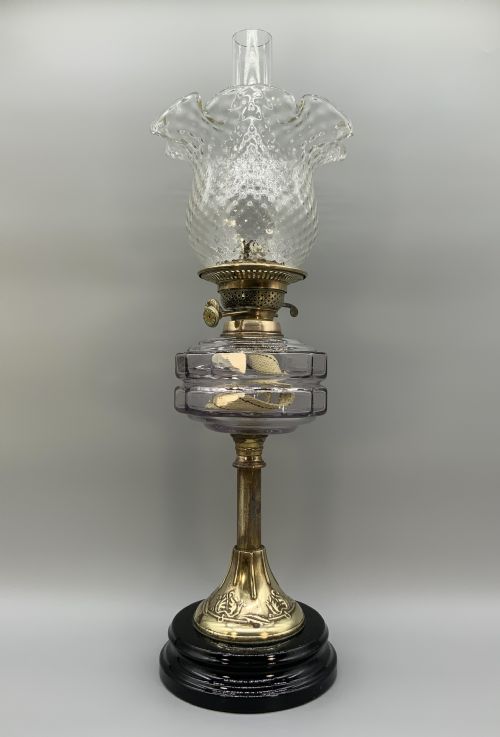
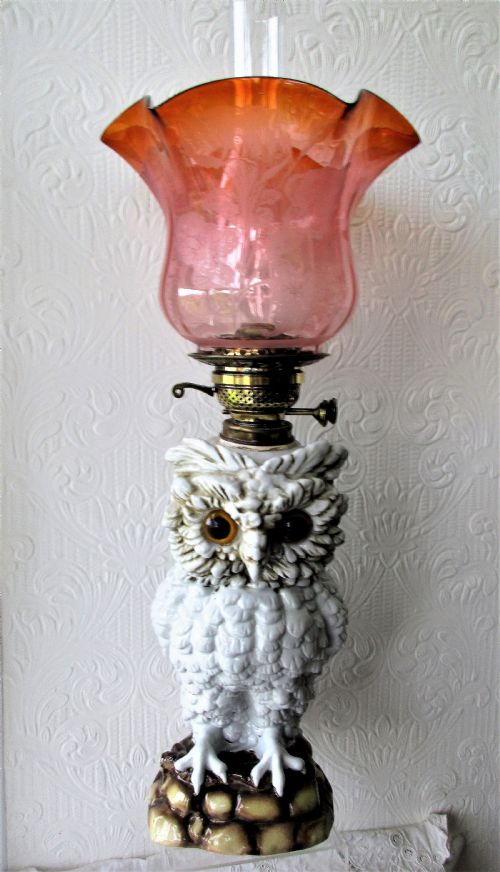
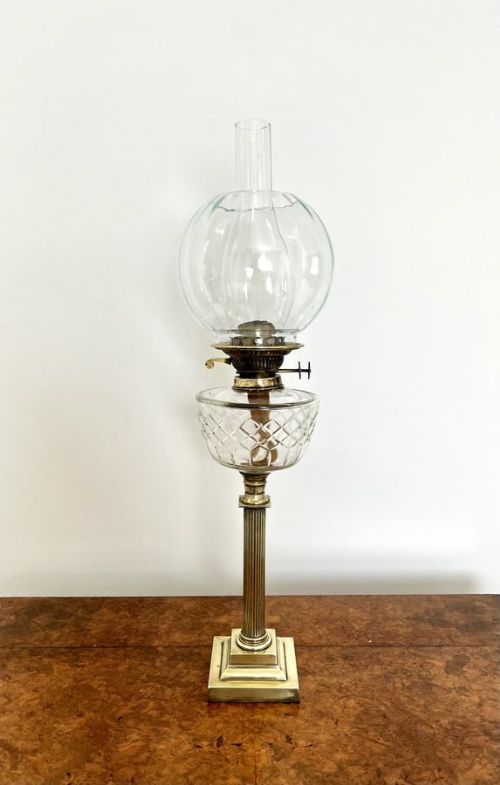
The assortment on offer spans simple brass columns to elaborate creations incorporating opaline glass, milk glass, cut glass and pink cranberry glass. Certain examples feature specific figural forms, such as owl designs in porcelain, alongside twin-burning hand-blown shades and terrestrial globe shades mounted on black glass or silver-plated metal bases.
How they were made
The construction of these lamps relies heavily on the combination of worked brass and blown or pressed glass. Metal components provide structural integrity and weighty bases, while glass is utilised for transparent chimneys and decorative oil reservoirs.
Ceramic and porcelain elements, often associated with continental factories like Sitzendorf or Sevres-style production, introduce hand-painted details and figural moulding. Hand-blown techniques create distinct shades, including cranberry and opaline variations that diffuse the internal light.
Antique Glass Chimney Lamp Retail Price Guide 2026
Typical asking prices for glass chimney lamp among the pieces listed under this phrase on Sellingantiques today, from the lower quarter to the upper quarter. They describe what is for sale here now, not the wider market.
Several lamps on this page take the form of wide-eyed porcelain owls, peering out from the Victorian parlour with fixed ceramic gazes.
What varies in quality
Quality in these lighting pieces depends upon the weight and finish of the metalwork, the clarity and thickness of the glass components, and the artistic execution of the porcelain or ceramic reservoirs. Simpler brass stems contrast with heavier, ornately cast bases and detailed figural modelling.
The sophistication of the glass shades further divides the range, moving from plain clear chimneys to hand-blown cranberry glass, cut crystal, and terrestrial globe designs that require specialist glassmaking skill.
Sitzendorf·Messengers·Harrods
The Antique Glass Chimney Lamp Glossary
- Chimney
- A narrow, cylindrical glass tube placed over the burner of an oil lamp to stabilise the flame and draw oxygen upward. It protects the flame from drafts while allowing combustion gases to escape safely.
- Opaline glass
- An opaque or semi-translucent glass, often pale in colour, popular during the Victorian period for diffusing light softly. It provides a milky appearance that contrasts with transparent or brightly coloured glass elements.
- Font
- The reservoir or container that holds the paraffin or oil beneath the burner. In these listings, fonts are constructed from brass, porcelain, ceramic, or coloured glass.
- Twin-burning
- A lamp configuration designed to accommodate two burners simultaneously for increased illumination. This arrangement requires dual control mechanisms within the metal collar.
Antique Glass Chimney Lamp: Frequently Asked Questions
How do I operate an antique oil lamp?
Operating these lamps involves filling the lower font with suitable lamp oil and allowing the wick to saturate thoroughly before lighting. The glass chimney must be seated correctly in the brass gallery to ensure a steady flame.
Adjustment of the wick height controls the brightness and prevents smoke accumulation against the inner glass surface. Extinguishing the flame is achieved by turning the thumbwheel down until the wick drops below the burner rim.
Can these lamps be converted to electricity?
Many people choose to wire these lamps for modern electrical use while preserving the original brass and glass components. This conversion typically involves running a discreet flex through the central column without altering the exterior appearance.
Retaining the original oil burner assembly alongside a wired fitting allows the lamp to maintain its historical character in a contemporary setting. Professional rewiring ensures the piece meets current electrical safety standards.
How do I clean an antique glass chimney?
Cleaning soot and dust from the glass chimney requires removing it carefully from the brass gallery and washing it in warm, soapy water. A soft cloth or brush helps reach the interior without scratching the vintage glass.
Avoiding harsh abras<bos>2 preserves any delicate etched or tinted finishes present on special shades. The glass must be dried completely before being returned to the lamp.
What is the difference between Victorian and Edwardian lamps?
Victorian lighting pieces tend to feature heavier ornamentation, rich colours like cranberry, and ornate brass casting influenced by revival styles. They often incorporate elaborate porcelain reservoirs and distinct figural elements.
Edwardian examples often lean toward lighter proportions and refined Art Nouveau lines, reflecting a shift in domestic interior taste. Simpler brass forms and opaline shades become more common during this later period.