

Period Brass Lighting
Period brass lighting brings warmth and history into a room through cast metal, gilt finishes and period glass.
Period Brass Lighting
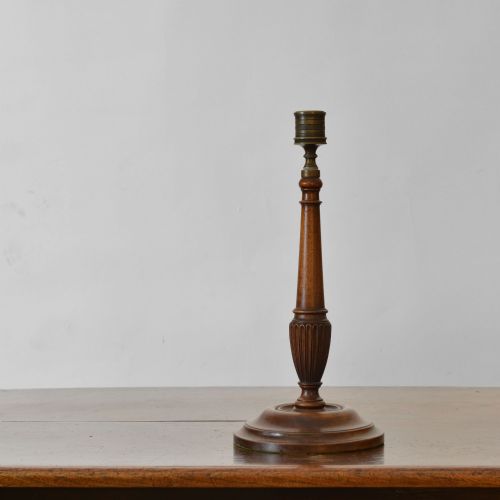
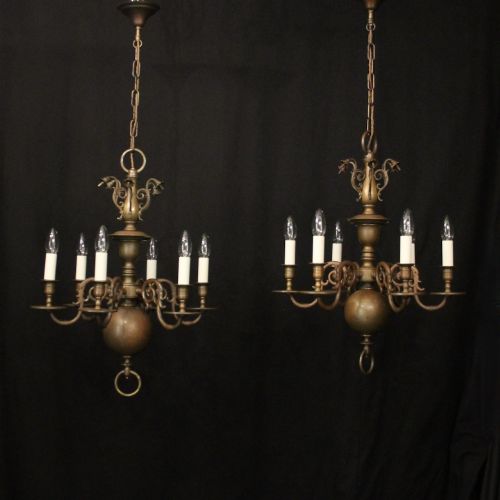
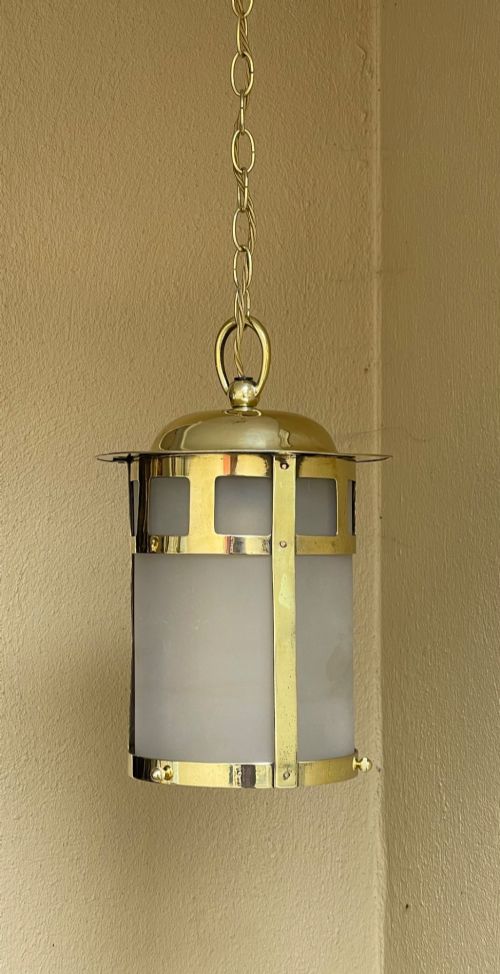
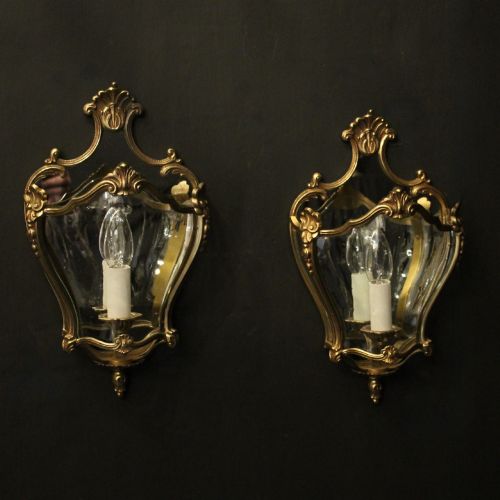
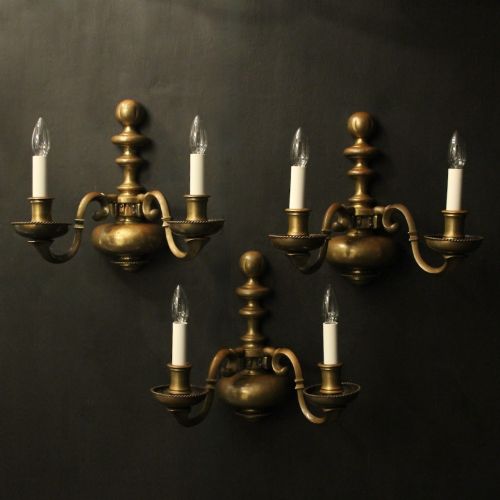
Candlesticks and wall lights from the Georgian and Victorian periods dominate the selection alongside twentieth century hanging lights and table lamps. These objects reflect changes in domestic technology from tallow candles and oil to gas and electricity.
Materials and manufacturing methods
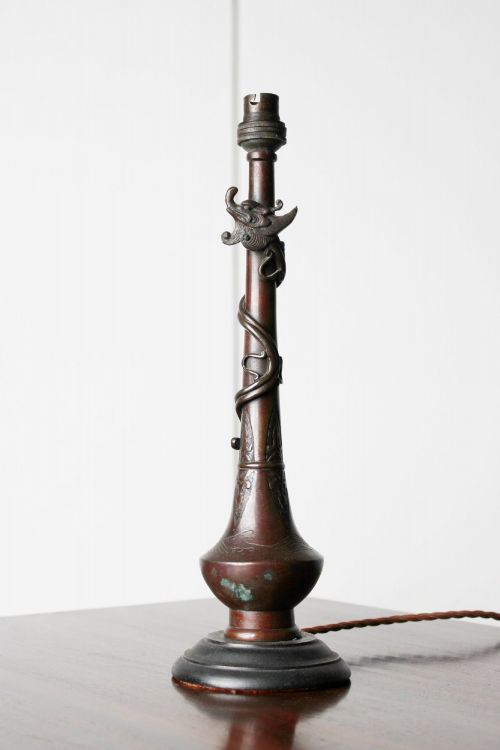
Metalwork relies on casting, seaming and hammering techniques using brass, bronze, gun metal and ormolu. Components are frequently cast in sections and joined or threaded together.
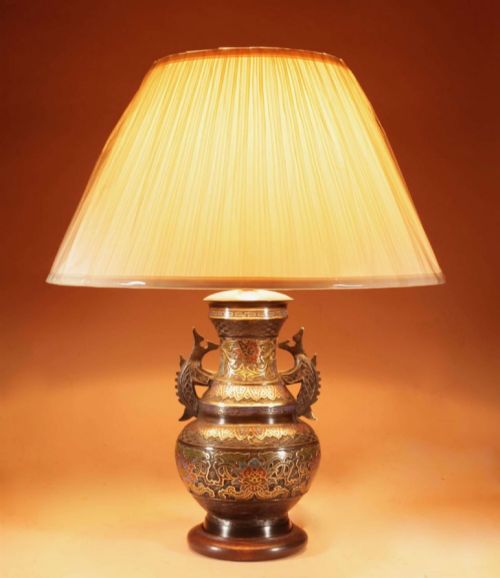
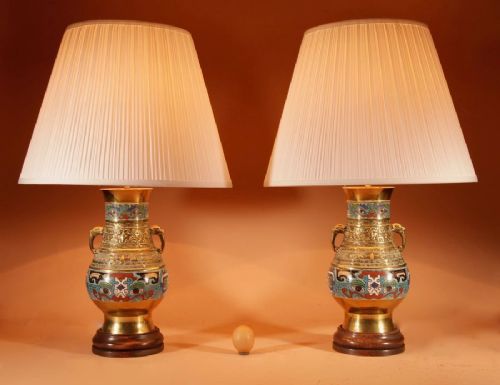
Surface decoration incorporates gilding, champlevé enamel and cloisonné, paired with cut glass or fabric shades.
Griffin shades guard some Victorian candle lamps, glaring fiercely across the parlour while holding the tallow.
Distinctions in quality and execution
Quality rests in the crispness of the casting and the weight of the metal. Finer examples show sharp chasing and careful finishing rather than soft edges and hurried assembly.
Original components and surface patination elevate a piece. Altered wiring or replaced parts change the integrity of an antique light.
Gustave Serrurier Bovy
The Period Brass Lighting Glossary
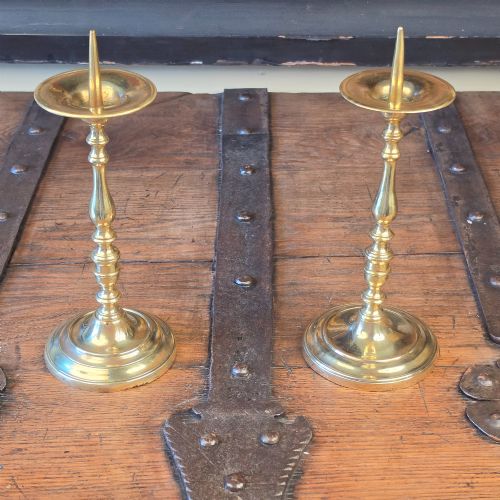
- Pricket candlestick
- A candlestick featuring an upward-pointing spike that secures the base of a candle. This form is often found on ecclesiastical or medieval-style pieces.
- Ejector
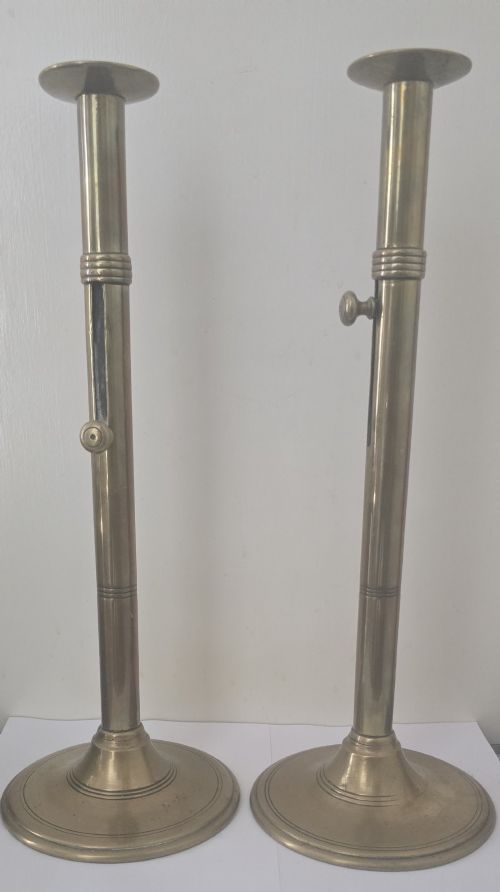
- A built-in mechanism inside a candlestick stem that pushes out the remaining candle stub. Side ejectors use a small lever on the exterior.
- Champlevé
- An enamelling technique where troughs or cells are hollowed out of the metal surface and filled with vitreous enamel. Japanese and French pieces frequently utilise this method.
- Ormolu
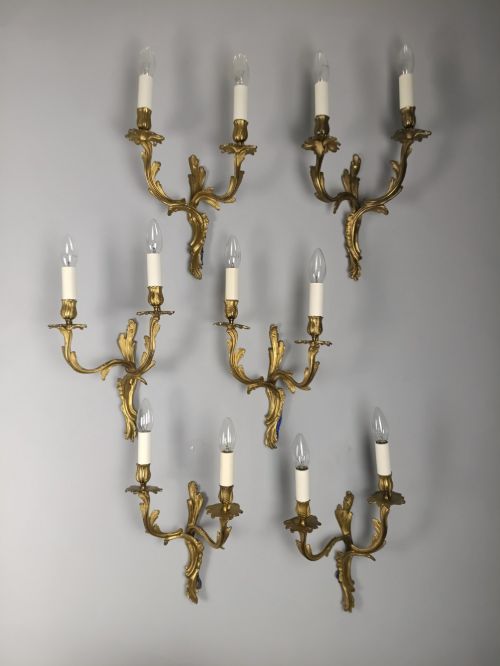
- Finely ground high-carat gold applied to a bronze base using mercury amalgamation. The process produces a rich, durable golden finish found on French pieces.
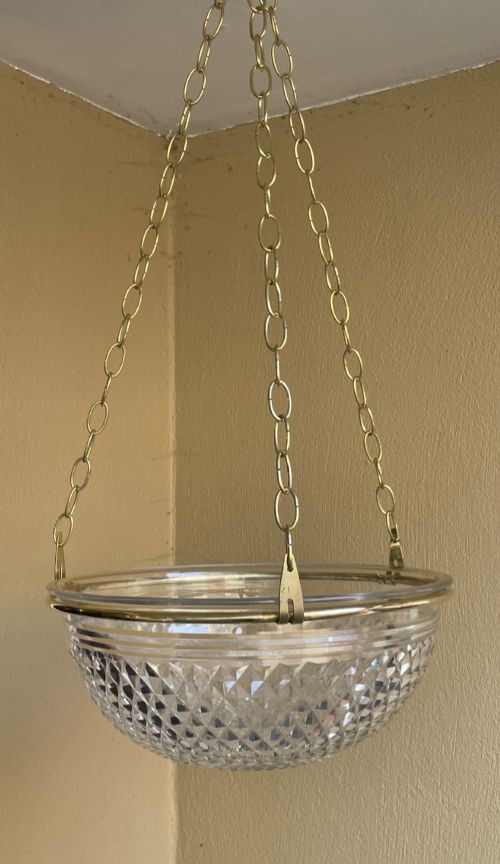
- Plafonnier
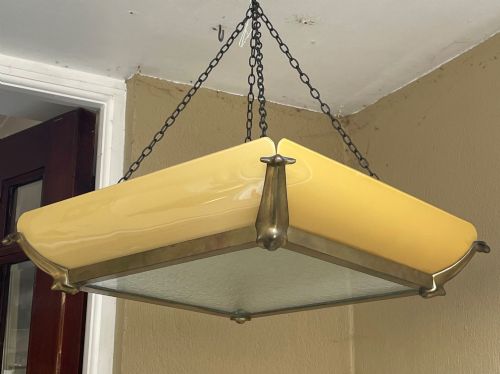
- A ceiling-mounted bowl light that sits flush or close to the ceiling surface. Edwardian examples often pair brass mounts with cut glass bowls.
Period Brass Lighting: Frequently Asked Questions
How do I wire an antique brass lamp?
Rewiring requires running modern cable through existing channels without altering the visible metal structure. Professional electricians should handle this work to ensure safety.
Many period lamps accept standard modern bulb holders hidden inside historical shades or burners. Retain original switches and keyholders where possible.
Can I clean period brass lighting?
Light dusting preserves the natural oxidation and dark patination accumulated over centuries. Aggressive metal polishes strip away this historical surface.
Use a dry microfibre cloth to remove surface dirt. Avoid commercial chemical dips that destroy subtle details on cast or gilded surfaces.
How do I identify Georgian candlesticks?
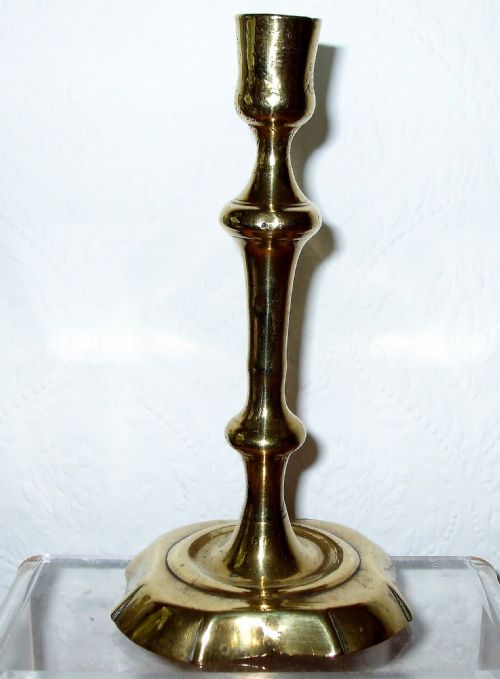
Georgian candlesticks often feature heavy cast brass construction with seamed shafts and square or stepped bases. Look for proportional weight and tool marks from manufacture.
Earlier eighteenth-century examples frequently incorporate push-up ejectors inside the socket. Bases are typically weighted with iron or left hollow depending on the decade.
What is the difference between brass and bronze?
Brass is an alloy of copper and zinc, yielding a bright golden tone when polished. Bronze is an alloy of copper and tin, producing a darker, denser metal.
Lighting pieces often blur these definitions through applied patination, gilding or lacquering. Makers selected materials based on whether a component required casting fluidity or structural strength.