

Vintage Ceramic Lamp
A vintage ceramic lamp brings weighted presence and layered colour to a room, turning past craft into useful daily light.
Vintage Ceramic Lamp
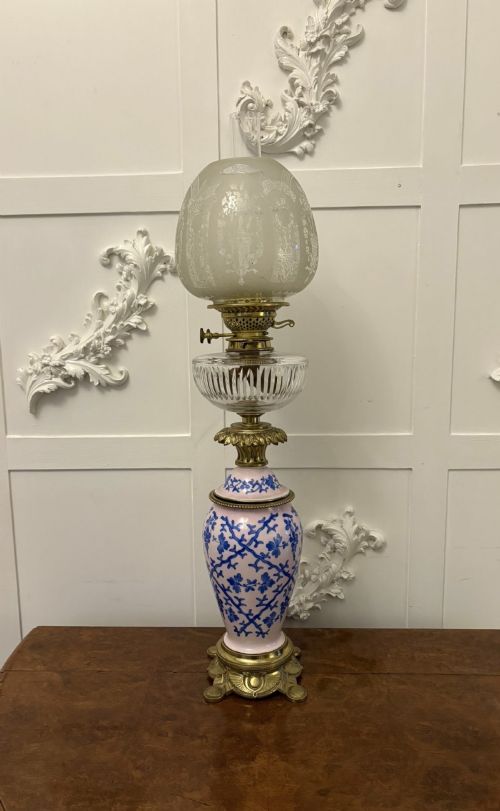
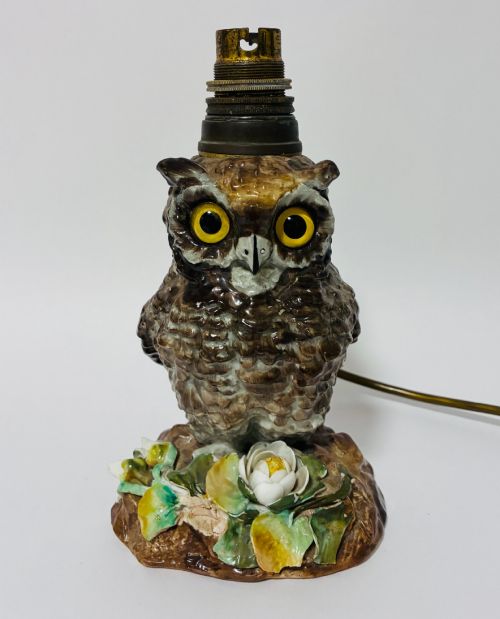
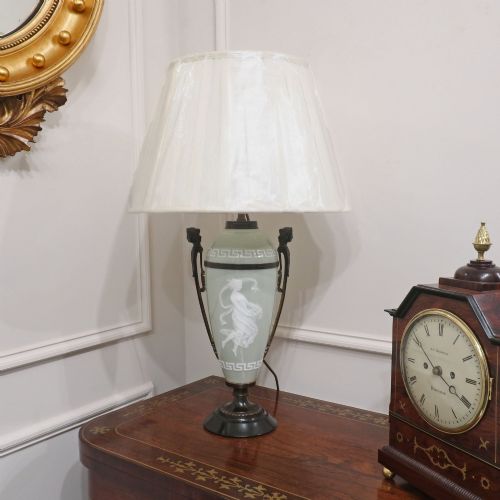
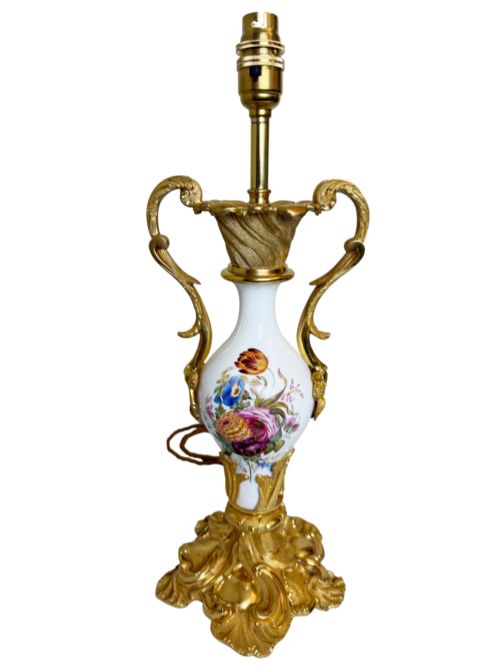
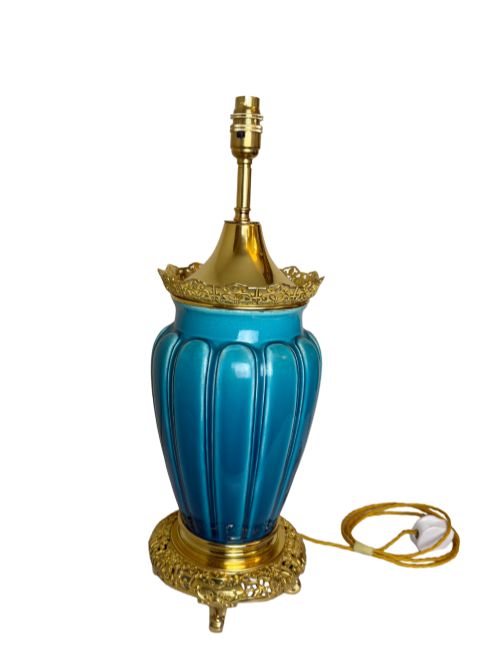
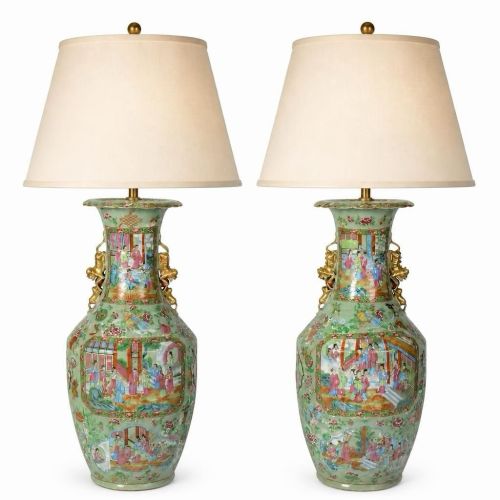
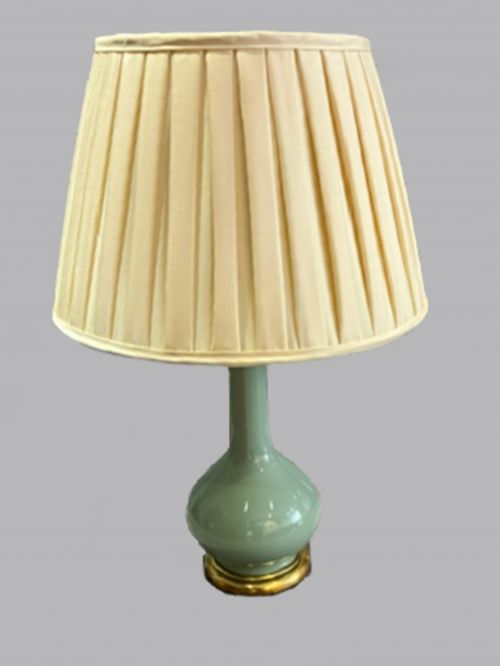
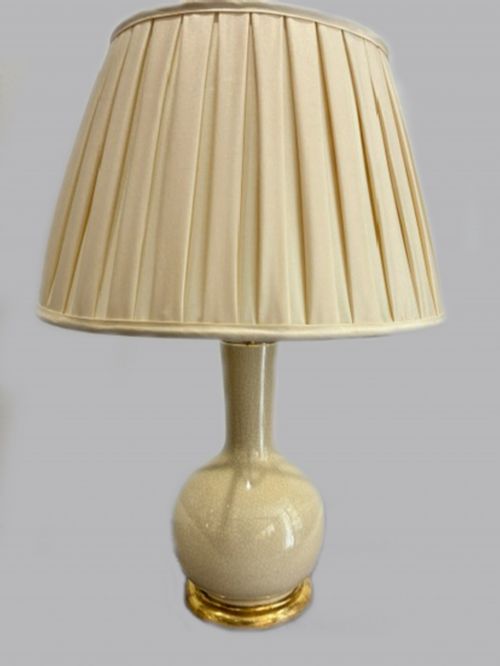
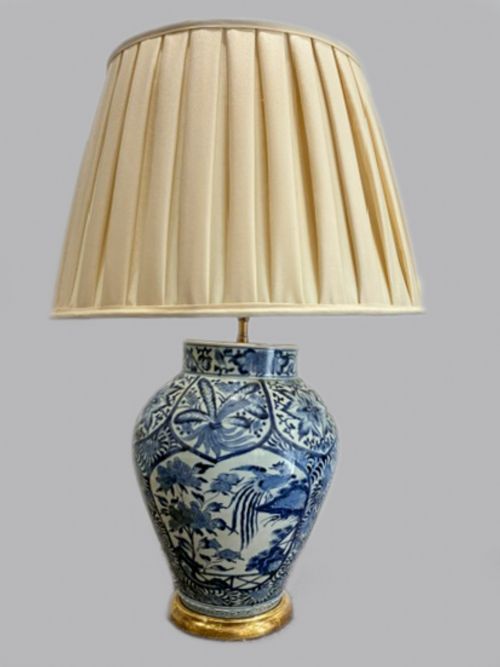
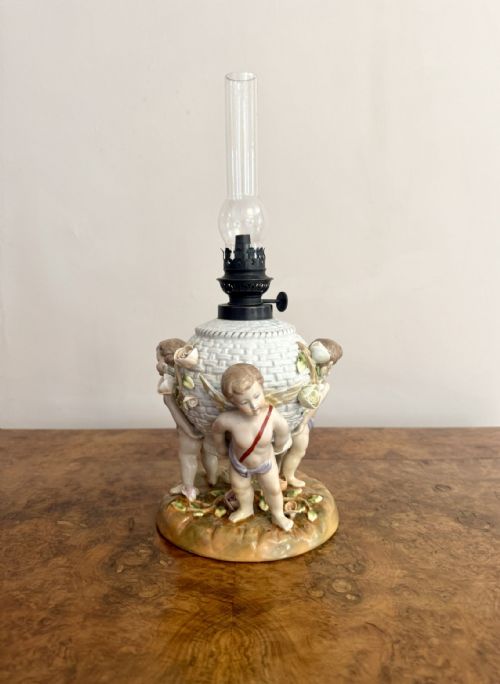
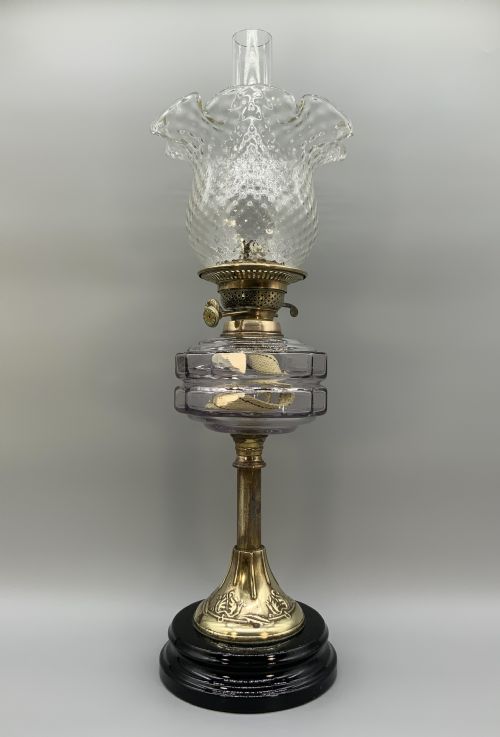
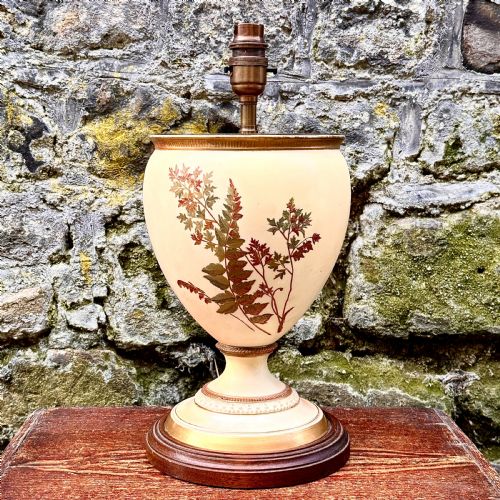
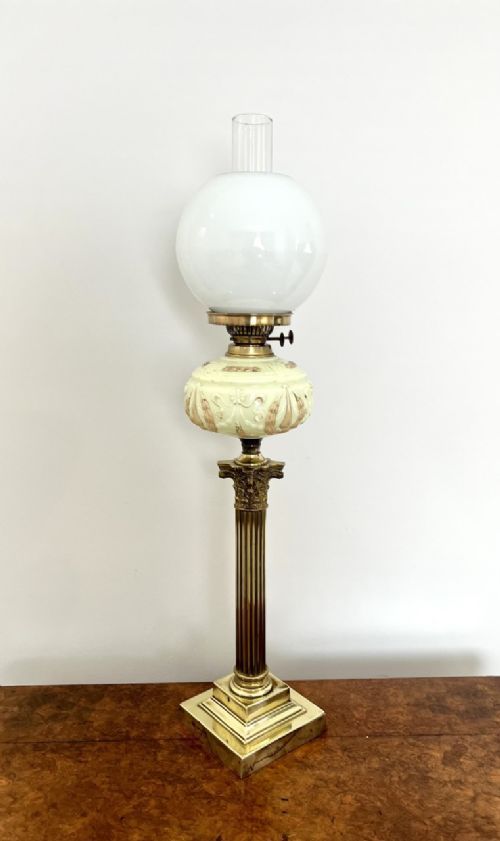
A vintage ceramic lamp on this page spans periods from the seventeenth century through the art deco decades, taking the shape of table lamps, converted vases, and oil lamps. Buyers find porcelain, earthenware, and ironstone vessels adapted for modern wiring alongside period lighting components.
Victorian and twentieth-century examples predominate, often pairing ceramic bodies with brass, gilt bronze, or glass mounts. Many pieces originate from English potteries, French ateliers, and Japanese kilns, showing styles from Chinoiserie and Satsuma to art nouveau curves.
Materials and construction
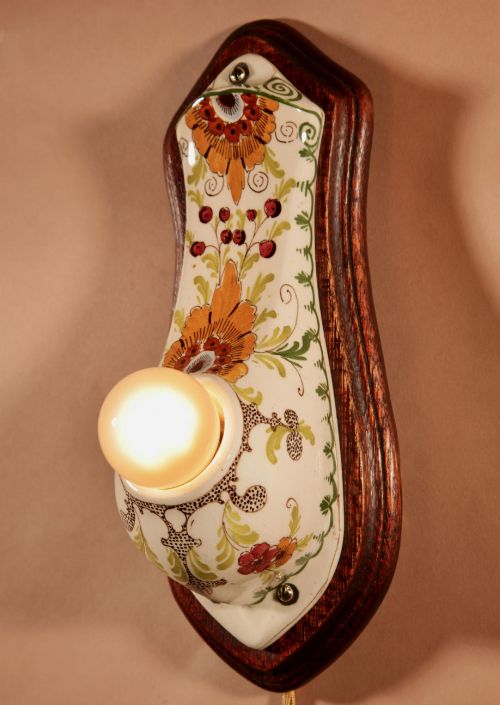
Potters shaped these bodies from porcelain, earthenware, and stone china, applying hand-painted glazes, crackle finishes, or pate sur pate decoration. Metal components in brass, gilt bronze, and ormolu provide structural mounts and burner assemblies.
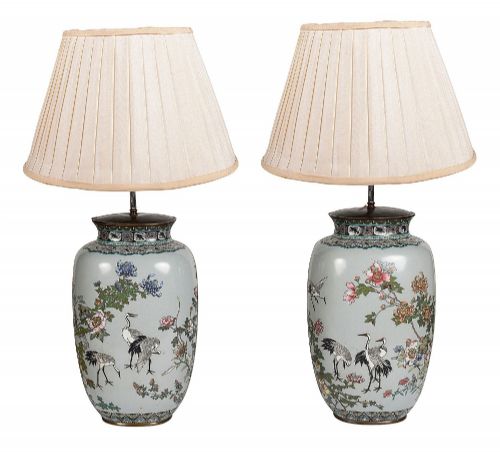
Craftsmen frequently converted earlier ceramic vessels, such as Japanese vases and Dutch Delft jars, into lamps by mounting them onto weighted bases and adding electrical or oil-burning fittings.
Listings feature ceramics from the 18th, 19th, and early 20th centuries, alongside brass, glass, and wooden mounts.
Assessing the pieces
Distinction lies in the painting and the integrity of the ceramic body, where crisp hand-painted detail and uncompromised glaze surfaces elevate a piece. Original mounts in brass or ormolu that match the exact contours of the ceramic demonstrate superior workshop execution.
The sophistication of the conversion process and the survival of matching pairs separate standard utilitarian pieces from exceptional decorative examples.
Royal Worcester·Sitzendorf·Moorcroft·Hicks and Meigh
The Vintage Ceramic Lamp Glossary
- Pate sur pate
- A porcelain manufacturing technique where liquid clay is built up in successive layers to create a raised cameo relief effect. This painstaking method produces delicate translucent details against a contrasting background.
- Ormolu
- Gilded bronze mounts applied to furniture and ceramic bases for decorative accent. The technique uses a mercury amalgam to bind finely ground gold to a bronze substrate.
- Cloisonne
- Enamel work created by soldering fine metal wires to a metal base to form compartments, which are then filled with coloured paste and fired. The resulting surface presents intricate geometric or pictorial patterns.
- Delftware
- Tin-glazed earthenware originating from Dutch towns, traditionally painted in blue and white. Pieces often display Chinese export influences adapted through European interpretations.
- Satsuma
- Japanese earthenware pottery characterised by a ivory-coloured crackle glaze decorated with polychrome enamels and gilt. These wares were widely exported during the late nineteenth and early twentieth centuries.
Vintage Ceramic Lamp: Frequently Asked Questions
How do I wire an old lamp?
Older lamps often require a professional rewiring to meet current safety standards while preserving original brass fittings and switches.
Rewiring typically involves replacing perished internal cords and securing new lamp holders inside existing mounts without altering the ceramic body.
Are these lamps converted from vases?
Many examples on this page started life as decorative vases, ginger jars, or oil lamps before receiving electrical or burner fittings.
Conversions allow centuries-old ceramic vessels to function as table lighting while retaining their original hand-painted glazes.
How do I date a ceramic base?
Dating relies on stylistic clues, glaze characteristics, and any maker marks stamped or painted on the ceramic underside.
Comparing the mount materials, such as Victorian brass or art deco bronze, helps narrow down the period of the conversion.
Can I find matching pairs?
Listings frequently include matched pairs of Japanese Satsuma vases, Delft jars, or porcelain figures adapted simultaneously into lamps.
Pairs offer symmetrical placement for side tables and mantelpieces, sharing identical hand-painted motifs and baseline dimensions.