



Qing Dynasty Lamp
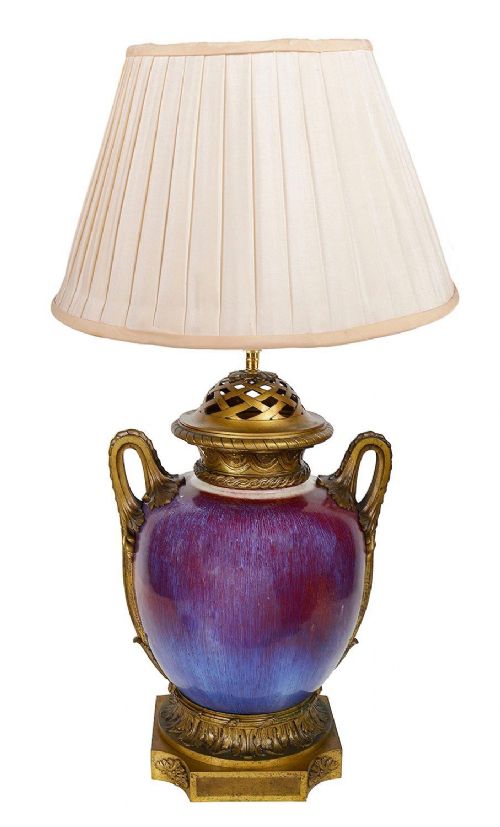
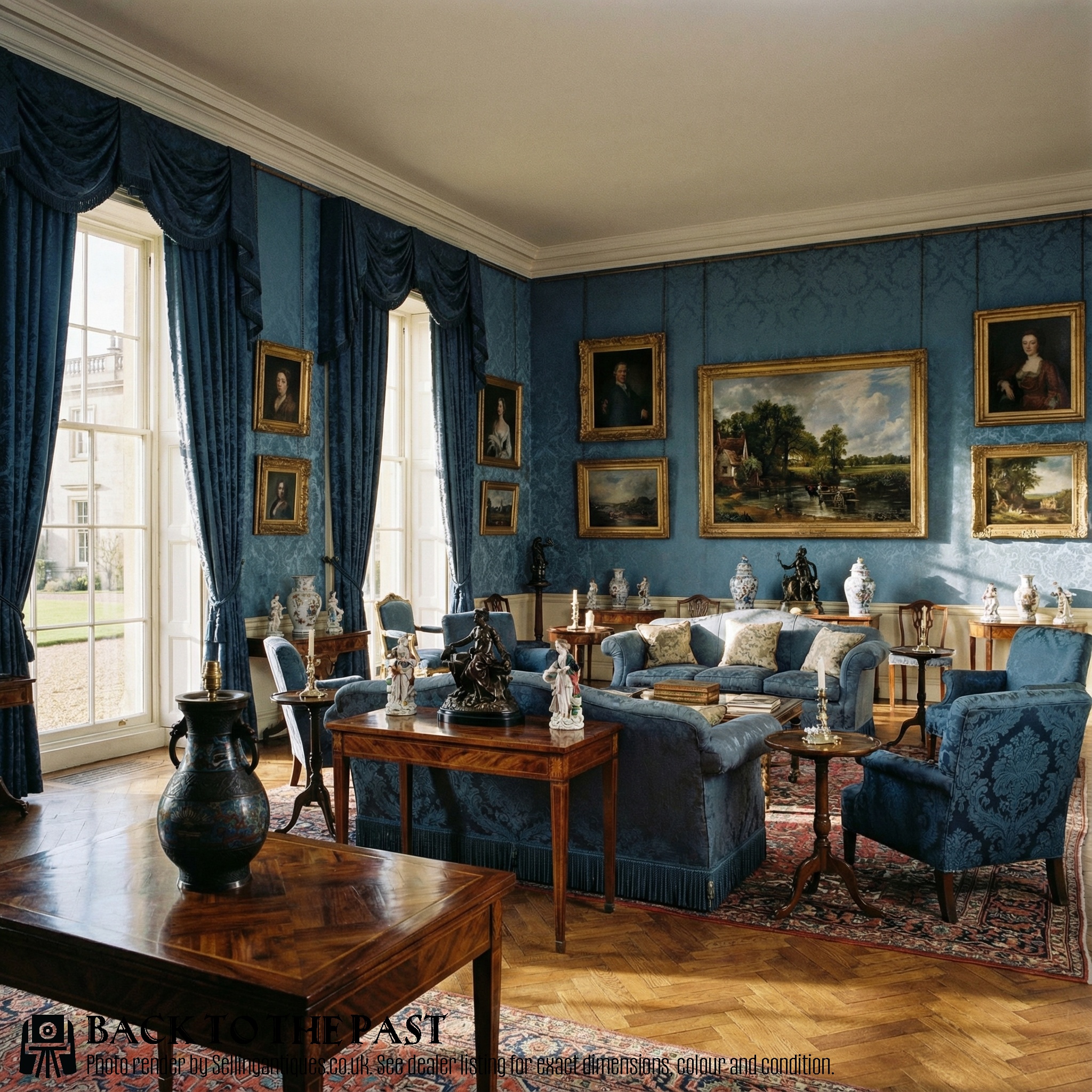
A qing dynasty lamp brings centuries of ceramic artistry and rich hardwoods into a modern room.
Qing Dynasty Lamp
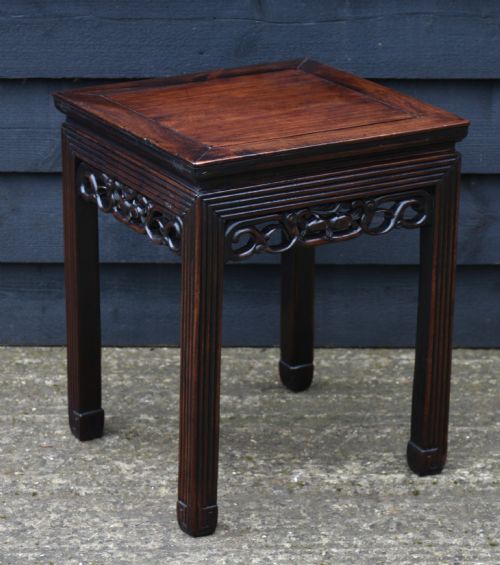
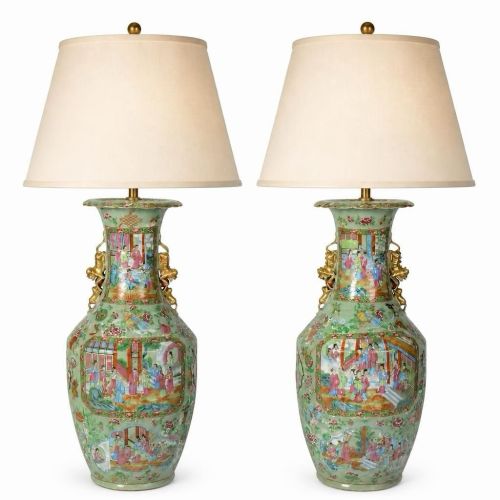
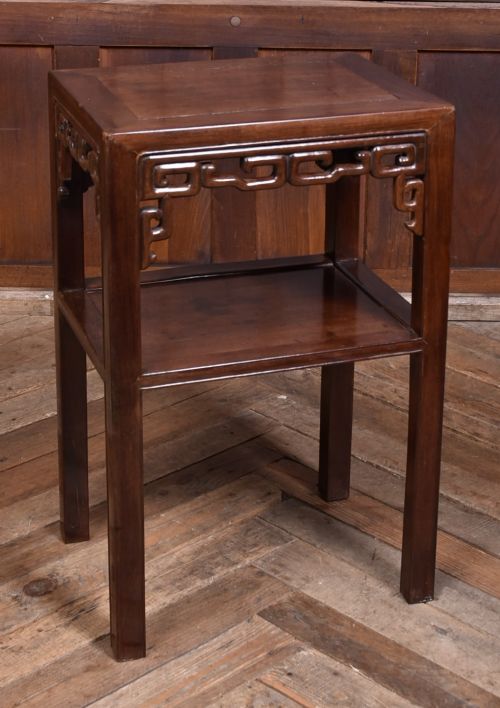
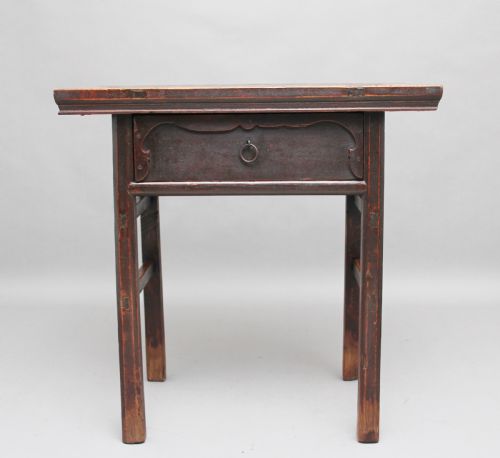
A qing dynasty lamp typically takes the form of a converted porcelain vessel paired with timber furniture or stands. Buyers searching this phrase most frequently encounter nineteenth-century ginger jars and vases mounted for electrical use, alongside carved hardwood tables designed to display them.
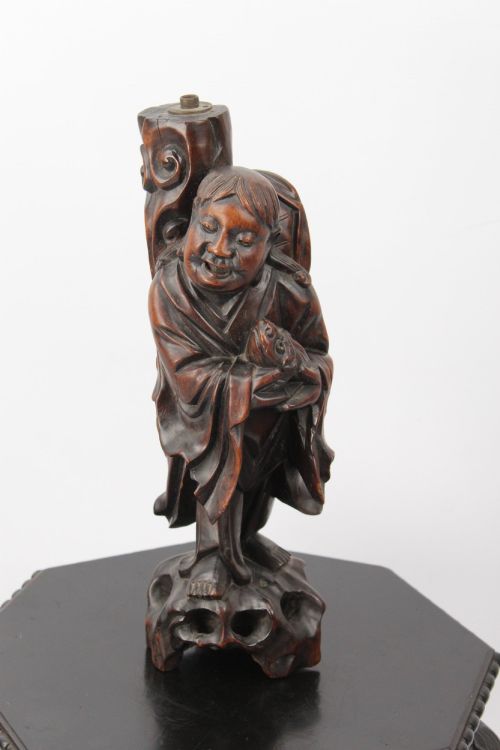
The objects span production from the eighteenth century through to nineteen-hundred, incorporating styles labelled as Chinese export, provincial, and famille rose. Porcelain bodies in blue and white, celadon, powder blue, and famille verte sit alongside bronze and root wood creations.
How They Were Made
Potters shaped high-fired porcelain bodies, applying hand-painted mineral pigments beneath or over the glaze before kiln firing. Artisans also carved dense timbers like rosewood, elm, and huali into tables and lamp bases, frequently integrating marble inserts.
Metalworkers added cast brass and ormolu mounts to secure porcelain sections and house electrical fittings during conversion. Silk and fabric shades complete the construction of these composite pieces.
Listings feature ceramics and furniture from the eighteenth century, nineteenth century, and nineteen-hundred.
What Varies in Quality
The fineness of the hand-painted ceramic detail separates standard vessels from exceptional examples. Crispness in the carving of hardwood frames and the presence of original ormolu mounts further distinguish superior pieces.
Weight, stability, and the harmonious integration of the electrical conversion within the antique vessel dictate the overall success of the finished lamp.
The Qing Dynasty Lamp Glossary
- Famille rose
- A palette of opaque enamel colours dominated by pink, introduced during the Qing dynasty. It allowed artists to render intricate floral and figurative scenes.
- Celadon
- A pale green jade-like ceramic glaze applied to porcelain. The colour derives from iron oxide in the glaze reacting during reduction firing.
- Ormolu
- Gilded bronze used for decorative mounts and furniture trim. It provides a bright golden accent against dark hardwoods and glazed ceramics.
- Huali
- A fragrant, richly figured Chinese hardwood prized for furniture making. It displays deep grain patterns suited to carved stands and tables.
- Sang de boeuf
- A rich ox-blood red ceramic glaze created with copper. This deep crimson tone requires precise kiln temperature control.
Qing Dynasty Lamp: Frequently Asked Questions
How do I clean a porcelain lamp base?
Dust the ceramic surface gently with a soft, dry cloth. Avoid harsh chemical cleaners that might damage the antique glaze or hand-painted enamel details.
Keep moisture away from the electrical fittings and any exposed wooden components while dusting. Regular light maintenance preserves the original finish without risking the nineteenth-century materials.
Were these lamps made originally for electricity?
Almost all porcelain and bronze lamp bodies began as vases, ginger jars, or vessels intended for display or storage. They were converted to electric lamps at a later date, often during the twentieth century.
Associated wooden stands and tables were similarly adapted or repurposed to serve as lamp bases and display furniture in western interiors.
What styles of decoration appear on the porcelain?
The decoration encompasses blue and white designs, monochrome celadon and powder blue glazes, and multi-coloured famille rose and famille verte enamel scenes. Motifs range from botanical arrangements to figurative Daoist subjects.
Export wares often catered to European tastes while retaining traditional Chinese potting techniques and forms.
How do I match a table to the lamp?
Pair porcelain lamps with carved rosewood, elm, or marble-topped low tables from the same period. The dense grain of huali and rosewood complements the colourful enamel work of the ceramics.
Proportion guides the pairing, ensuring smaller side tables support taller vase lamps without crowding the surface area.