
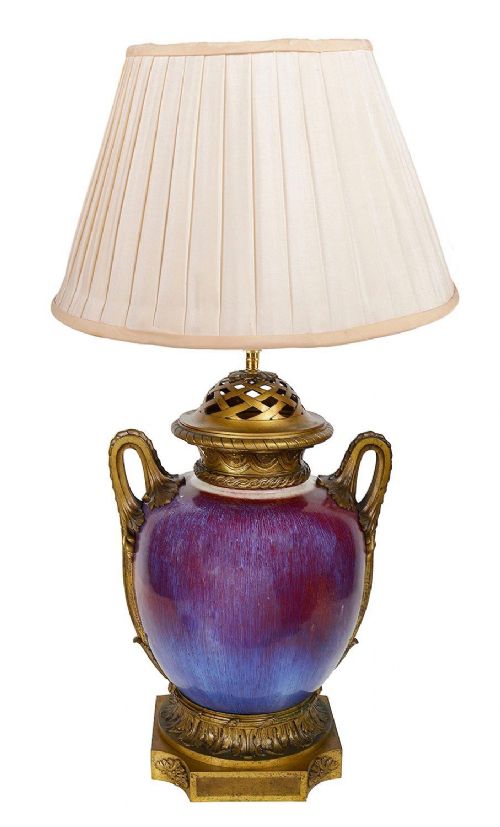

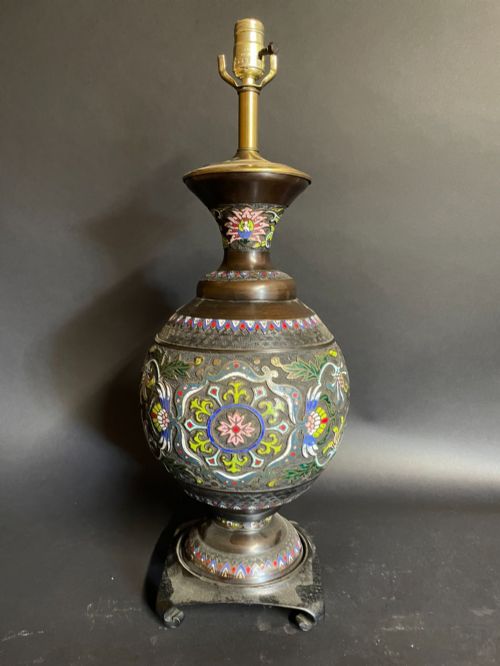


Chinese Vase Table Lamp
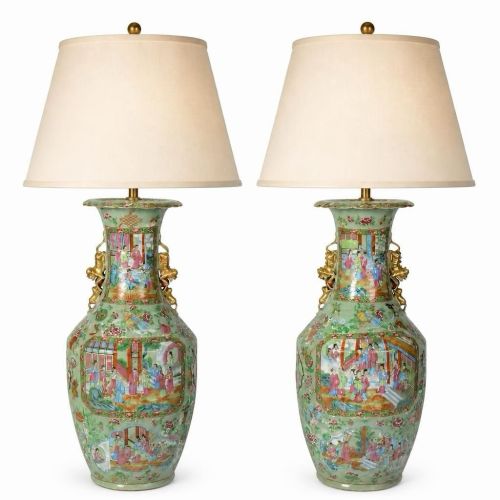
A chinese vase table lamp brings substantial historic form and hand-painted colour into a room through the conversion of antique ceramic vessels.
Chinese Vase Table Lamp
A chinese vase table lamp transforms historic oriental ceramic and metal vessels into functional lighting for domestic interiors. These pieces typically originate from the nineteenth or eighteenth centuries, taking the form of baluster vases, ginger jars, and lidded vessels fitted for electricity or oil.
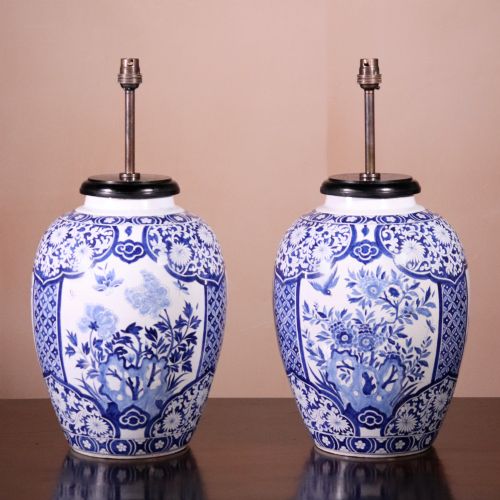
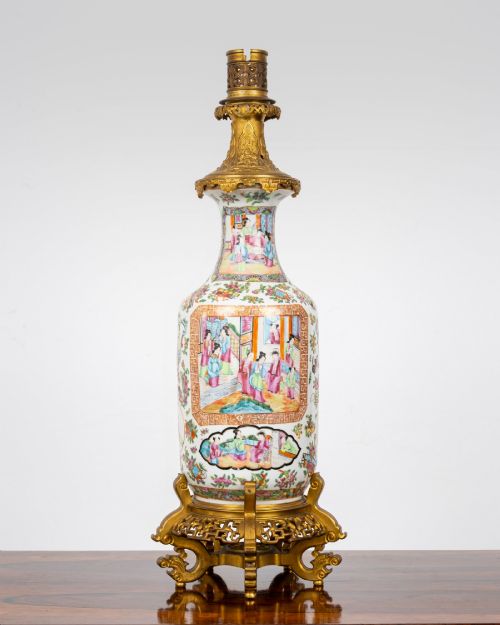
The versions most commonly met on this page include nineteenth-century porcelain examples decorated in famille rose, blue and white, or celadon palettes. Many survive as matched pairs, frequently incorporating mounts of brass, ormolu, or gilt bronze added during conversion or period adaptation.
Materials and Construction
The primary bodies of these lamps utilise high-fired porcelain, pottery, or bronze, shaped into ovoid, baluster, or jar forms. Artisans decorated these surfaces using cobalt blues, enamel colours, and carved glazes such as celadon and sang de boeuf.
Metal components, including ormolu, brass, and gilt bronze mounts, secure the bases and collar fittings, while conversion often involves drilling the ceramic base or adapting existing vessel mouths to hold electrical wiring and fabric or silk shades.
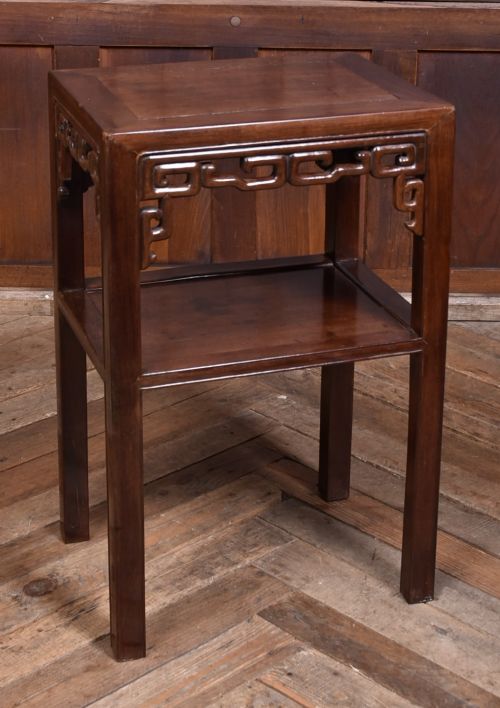
Listings feature eighteenth and nineteenth-century porcelain and bronze pieces alongside Victorian hardwood vase stands and plant tables.
Evaluating Quality and Execution
Quality rests upon the crispness of the hand-painted ceramic decoration, the depth of the glaze, and the structural integration of the metal mounts. Finer examples display finely detailed enamel work, robust porcelain bodies, and heavy, well-cast ormolu or gilt bronze fittings that complement the proportions of the vessel.
The method of conversion also dictates the standard of the piece, with professional adaptation preserving the structural integrity of the antique ceramic rather than causing intrusive damage. Superior specimens retain clear stylistic harmony between the nineteenth-century vessel and its later lighting hardware.
The Chinese Vase Table Lamp Glossary
- Famille Rose
- A palette of opaque enamel colours dominated by pink or rose hues, widely used on Chinese porcelain during the Qing dynasty. This decorative style frequently depicts floral sprays, figures, and birds.
- Celadon
- A pale green jade-like glaze applied to porcelain, prized for its subtle tone and crackle effect. It originates from early kilns and provides a calm, uniform surface texture.
- Ormolu
- Gilded brass or bronze used for decorative mounts and fittings on furniture and ceramics. It adds weight and a bright metallic contrast to porcelain bodies.
- Cloisonné
- An enamelwork technique where thin metal strips form compartments on a bronze or copper base, which are then filled with coloured paste and fired. The resulting surface displays intricate geometric or floral patterns.
- Baluster
- An architectural vase shape with a rounded body and a narrow neck resembling a pillar. This classic silhouette provides balanced proportions for table lighting.
Chinese Vase Table Lamp: Frequently Asked Questions
How are vase lamps converted?
Conversion typically involves fitting a metal collar to the mouth of the vessel and running an electrical cord down through the centre or via a discreet side hole. Many historic pieces were adapted from oil lanterns or decorative jars.
In some instances, professional converters mount the porcelain on brass or ormolu bases without drilling the ceramic body, preserving the original vessel's material integrity.
Can I replace the lampshades safely?
Standard shade carriers and harps allow you to swap fabric or silk shades to suit your interior colour scheme. Ensure the fitting matches the gallery size of the existing lamp hardware.
Selecting a shade with appropriate drop and width maintains the visual balance between the heavy ceramic body and the upper illumination.
How do I identify eighteenth-century pieces?
Eighteenth-century examples often exhibit deeper glaze saturation, heavier potting, and specific potting characteristics distinct from later Victorian reproductions. Stylistic traits such as Mandarin figures or rich monochrome glazes provide key visual indicators.
Mounts on earlier pieces frequently feature high-grade ormolu cast with precise chiselling, reflecting eighteenth-century European taste for imported oriental porcelain.
Are these lamps wired for modern use?
Most pieces have been rewired to meet contemporary electrical safety standards, often featuring modern flex and plugs. It remains sensible to have any antique lamp checked by a qualified electrician before daily use.
Rewiring generally preserves the vintage aesthetic while ensuring the internal brass lampholders and wiring are fully functional.