


Qing Dynasty Vase Lamp
A qing dynasty vase lamp brings nineteenth-century porcelain into domestic interiors with colour and height.
What qing dynasty vase lamps are
These pieces are nineteenth-century Chinese porcelain vessels adapted as table lamps, combining antique ceramics with functional lighting. The selection draws on nineteenth-century and Victorian periods, featuring table lamps fashioned from traditional forms.
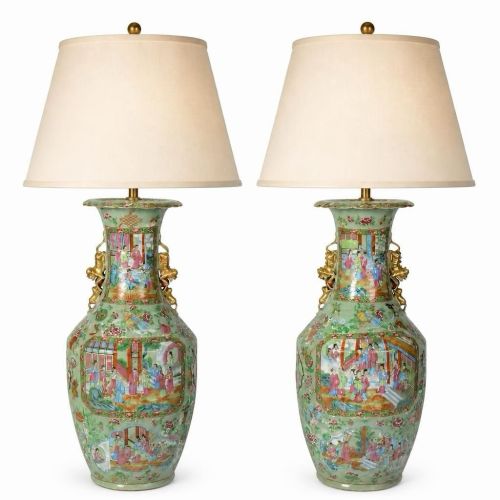
Buyers frequently encounter celadon glaze, blue and white decoration, and rose medallion palettes across these items. The forms utilise Chinese export styles alongside Qing Dynasty and Chinese Qing Dynasty aesthetic traditions.
Origins trace back to nineteenth-century workshops where craftsmen created decorative porcelain vessels later fitted for electrical use. Each lamp bridges Eastern ceramic artistry with Western interior lighting requirements.
How qing dynasty vase lamps were made
Potters shaped these vessels from porcelain, applying glazes such as celadon glaze before firing the clay at high temperatures. Artisans painted intricate blue and white designs or polychrome rose medallion scenes directly onto the ceramic body.
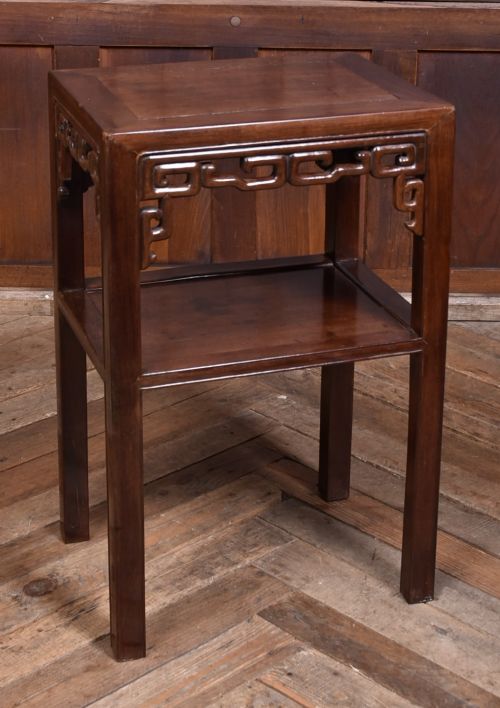
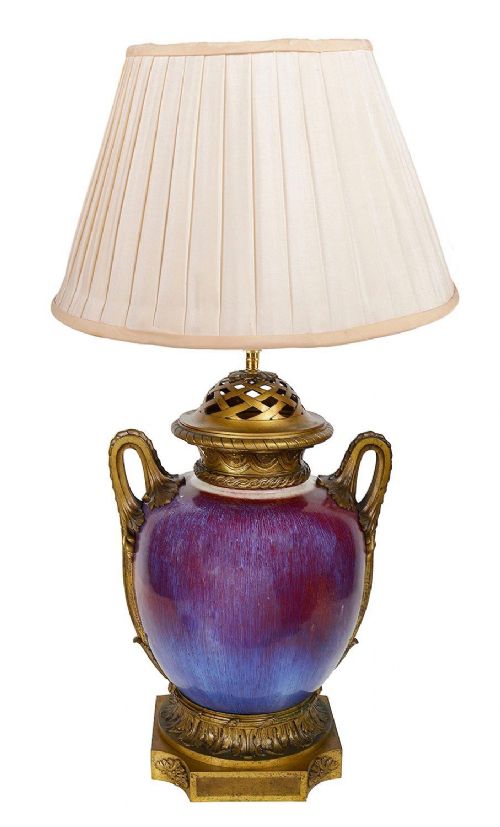
Metal components, including brass and gilt metal, provide structural support and fittings for the electrical wiring and shades. Carved wood elements sometimes complement the porcelain structure, particularly in associated stands and mounts.
Retail Price Guide 2026
Typical UK retail prices for qing dynasty vase lamp, calculated from the Sellingantiques database of over a million retail prices indexed since 2003. This retail price guide relies exclusively on Sellingantiques data; no external sources or auction records are used, so the figures do not describe the wider market.
Listings feature nineteenth-century and Victorian periods, utilising porcelain, brass, fabric, wood, and celadon glaze.
What varies in quality
The refinement of the porcelain body and the precision of the hand-painted decoration distinguish finer examples from standard production. Subtlety in celadon glaze depth and clarity in blue and white or famille rose pigments indicate superior ceramic work.
The integration of metal mounts and the retention of original or complementary materials like wood and fabric shades influence the overall integrity. Harmony between the antique vessel and its modern lamp conversion determines the aesthetic success of the piece.
The Qing Dynasty Vase Lamp Glossary
- Celadon glaze
- A pale green jade-like ceramic glaze applied to porcelain before firing. This traditional finish originated in ancient China and remains prized for its subtle coloration.
- Famille rose
- A palette of opaque enamel colours dominated by pink, introduced to Chinese porcelain during the Qing dynasty. Artisans utilised these pigments to render detailed floral and figurative scenes.
- Chinese export
- Porcelain manufactured in China specifically for Western markets from the sixteenth through the nineteenth centuries. These wares often combined traditional Chinese forms with motifs tailored to European tastes.
- Rose medallion
- A distinctive style of Chinese export porcelain featuring segmented panels filled with figures, birds, and butterflies. Gold gilt outlines typically separate the colourful geometric and floral compartments.
Frequently Asked Questions
What is a qing dynasty vase lamp?
These objects are nineteenth-century Chinese ceramic vessels that have been converted into functional table lamps for interior lighting.
They combine historical porcelain craftsmanship with electrical fittings to serve as decorative centrepieces in homes.
How old are these lamps?
The pieces date from the nineteenth century, aligning with the Victorian era in Britain and the later Qing dynasty in China.
Materials and stylistic markers help place manufacture within this specific hundred-year window of production.
What materials make up the lamps?
Porcelain forms the primary body of each piece, frequently finished with celadon glaze, blue and white pigments, or famille rose enamels.
Metal components like brass and gilt metal provide structural hardware, while fabric and wood complete the assemblage.
Where were the vases made?
Potters and artisans in China produced the original porcelain vessels, often for the export market destined for Western buyers.
Subsequent conversion into lamps typically occurred later, adapting the antique vases for domestic illumination.