
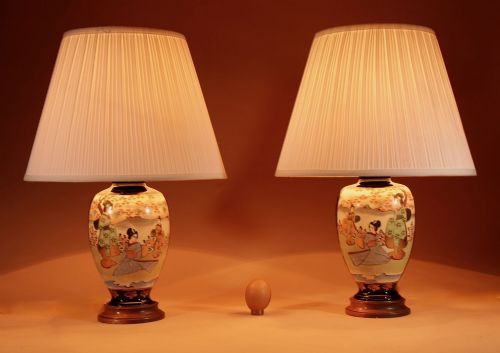
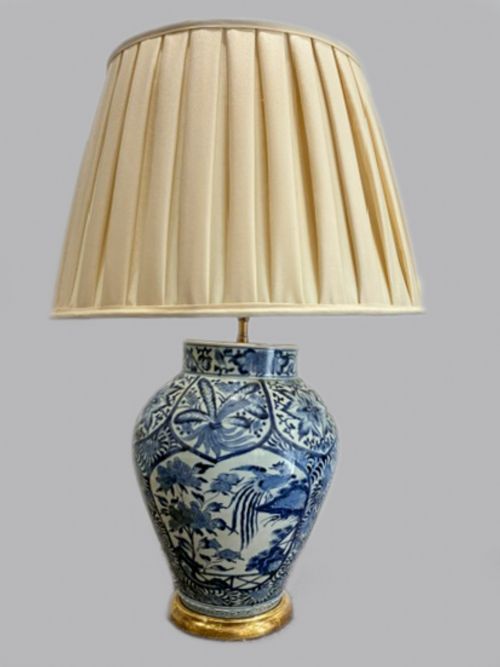
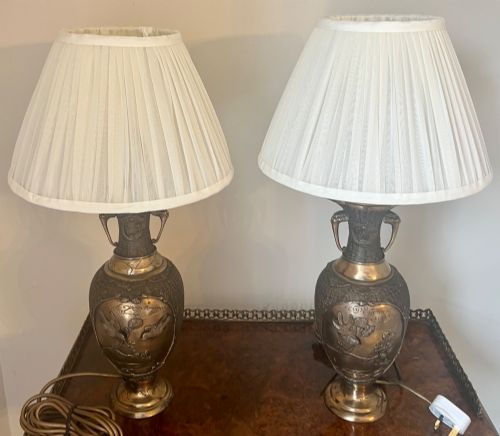
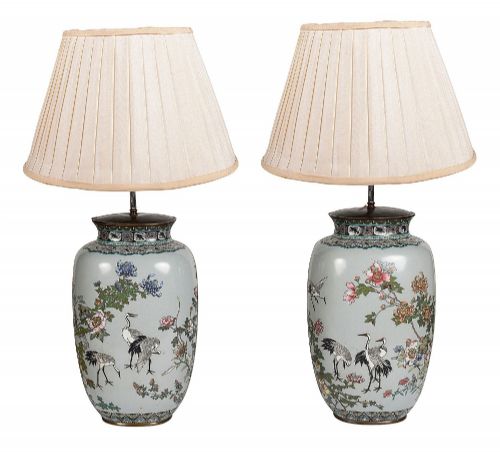

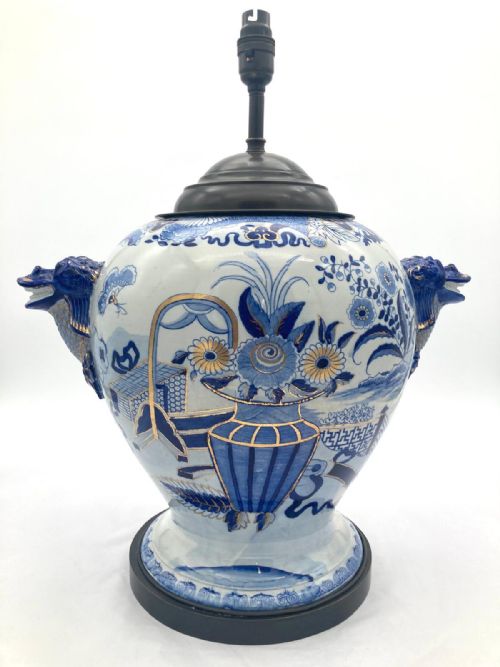
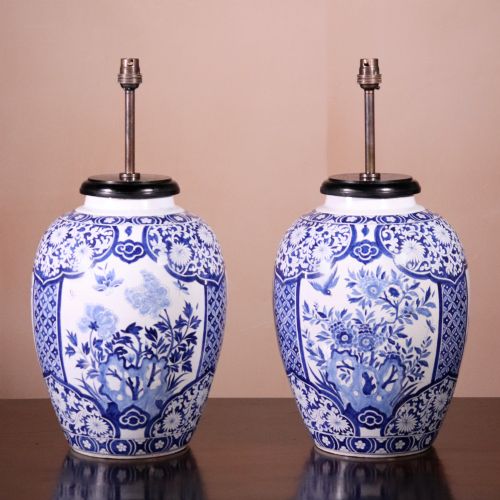
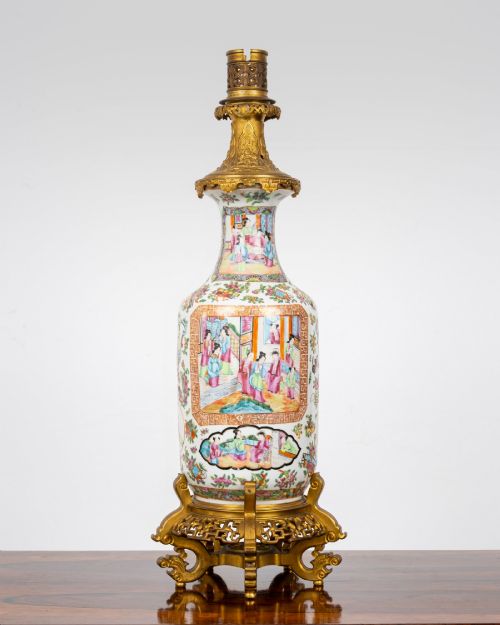
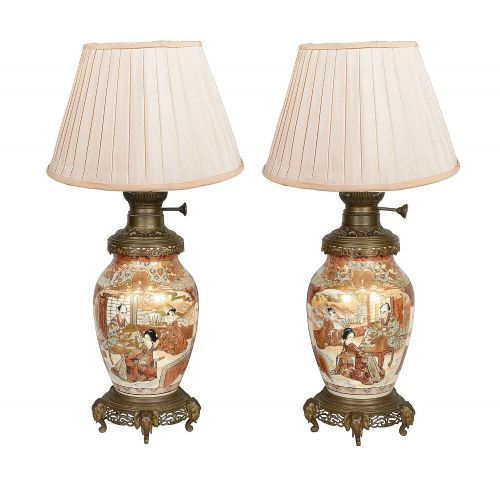
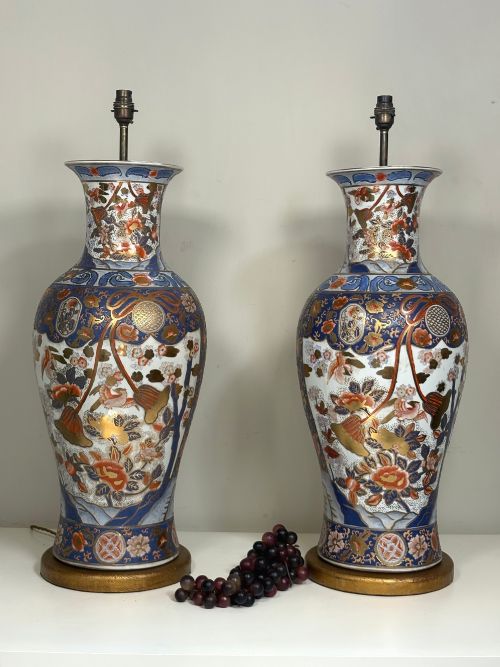

Oriental Vase Lamp
An oriental vase lamp brings nineteenth-century porcelain, bronze, and cloisonné into a room, offering warm light through paired fabric shades.
Understanding Oriental Vase Lamps
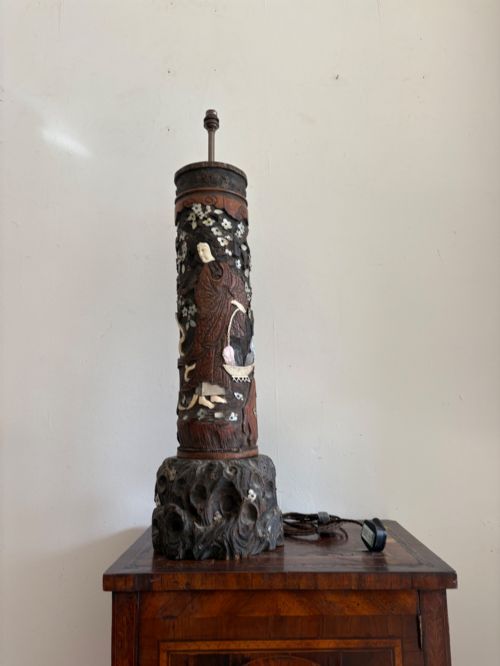
When you search for an oriental vase lamp, you are looking at nineteenth-century vessels that have been converted into table lamps. These pieces combine antique ceramic or metal bodies with modern electrical fittings and fabric shades.
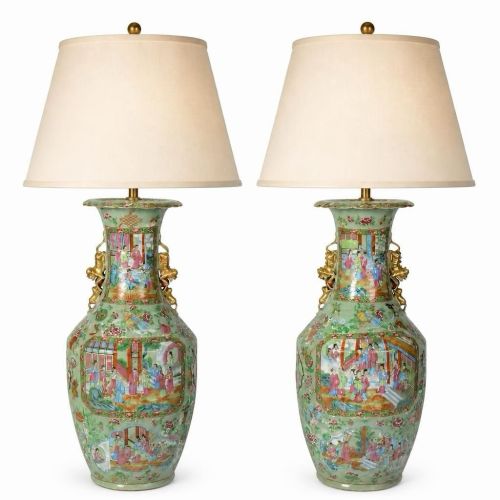
The versions you are most likely to meet on this page originate from the nineteenth century, including Qing Dynasty and Chinese Qing Dynasty styles. They span forms from celadon glazed porcelain and blue and white wares to cloisonné enamel and bronze.
Makers adapted these vases by mounting them on brass bases and adding wiring, turning decorative vessels into functional lighting for the home.
Materials and Construction
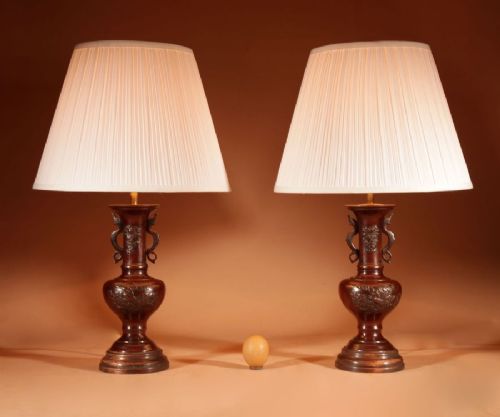
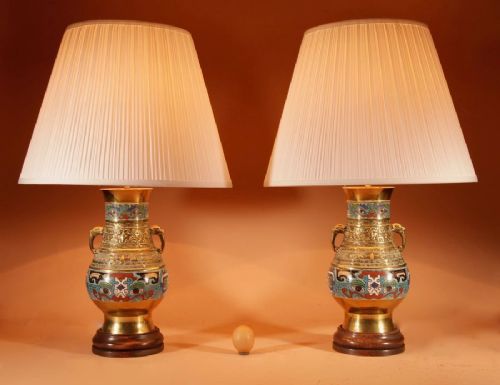
The bodies of these lamps utilise porcelain, celadon glaze, metal, bronze, enamel, and cloisonné enamel. Artisans formed the ceramic vessels by hand before applying intricate blue and white, famille noure, or red floral decoration.
Metal components such as brass and bronze provide sturdy structural foundations and mounts for the electrical fixtures. Fabric shades complete the construction, diffusing the light cast by the illuminated base.
Retail Price Guide 2026
Typical UK retail prices for oriental vase lamp, calculated from the Sellingantiques database of over a million retail prices indexed since 2003. This retail price guide relies exclusively on Sellingantiques data; no external sources or auction records are used, so the figures do not describe the wider market.
Assessing Quality
Quality in these lamps rests upon the preservation of the original nineteenth-century vase and the subtlety of its decoration. Finer examples display crisp painting, unblemished glazes, and precise enamelwork that remain intact despite the conversion process.
The integration of the lamp fittings also dictates the standard of the piece. Superior conversions respect the original ceramic or bronze body without causing structural damage, paired with proportioned brass mounts and quality fabric.
The Oriental Vase Lamp Glossary
- Celadon Glaze
- A pale green jade-like glaze applied to porcelain, characteristic of traditional Chinese ceramics. This finish creates a subtle, translucent surface.
- Cloisonné Enamel
- A technique where metal wires form small compartments on a metal base, which are then filled with coloured enamel paste and fired. This creates intricate, multi-coloured patterns across the surface.
- Qing Dynasty
- The final imperial dynasty of China, lasting from sixteen-forty-four to nineteen-twelve. Many nineteenth-century pieces originate from this era of refined ceramic production.
- Famille Noure
- A style of Chinese ceramic decoration utilising distinct enamel colour palettes. It appears on nineteenth-century vases converted into lamps.
Frequently Asked Questions
Are these lamps safe to use?
These lamps are fitted with modern electrical components to ensure they meet standard safety requirements for daily use in contemporary homes.
Buyers should consult a qualified electrician if they wish to inspect the internal wiring of an antique conversion.
How do I clean an oriental vase lamp?
Dust the fabric shade regularly with a soft brush and wipe the porcelain or bronze base gently with a dry cloth. Avoid harsh chemical cleaners that might damage antique glazes or enamelwork.
Take care around brass mounts and wiring connections during maintenance.
Can I change the lampshade?
You can replace the fabric shade to match your interior decor, provided the fitting matches the harp or spider carrier of the lamp. Ensure the new shade is appropriately proportioned to the antique base.
Consider the weight and colour of the fabric to maintain the balance of the piece.
How do I date these pieces?
Dating relies on stylistic markers from the nineteenth century, including specific glaze types, bronze patination, and hand-painted motifs typical of the Qing period. Dealers attribute dates based on material characteristics and historical manufacturing techniques.
Conversions often happened later, while the vessels themselves date to the nineteenth century.