
Antique Oriental Lighting
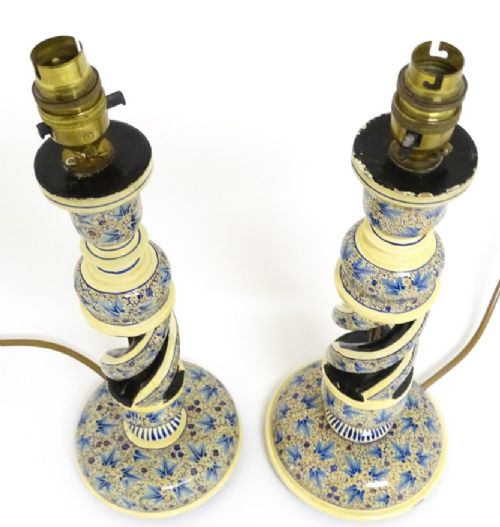
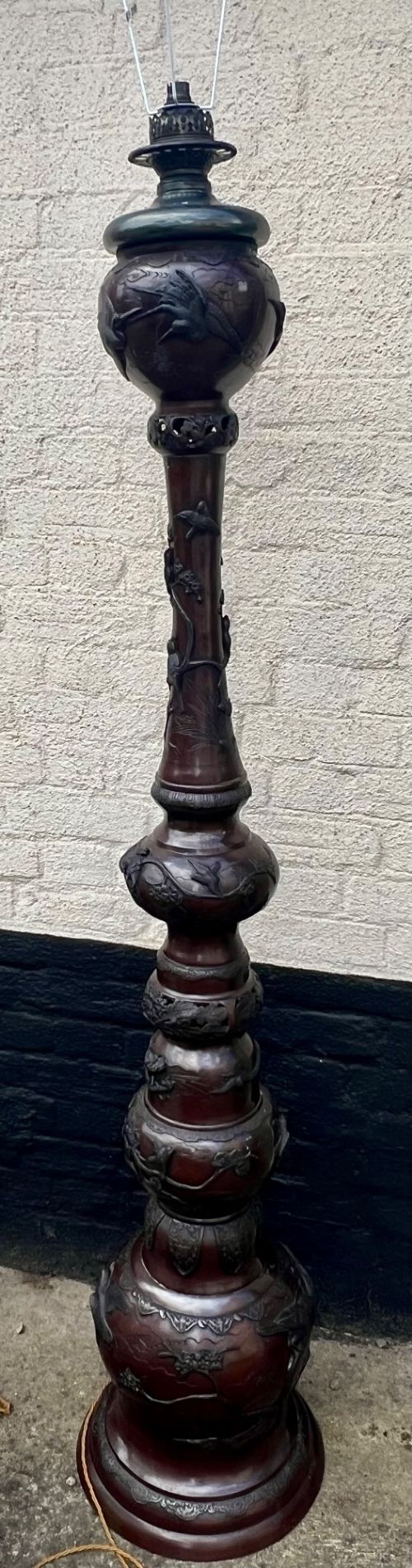
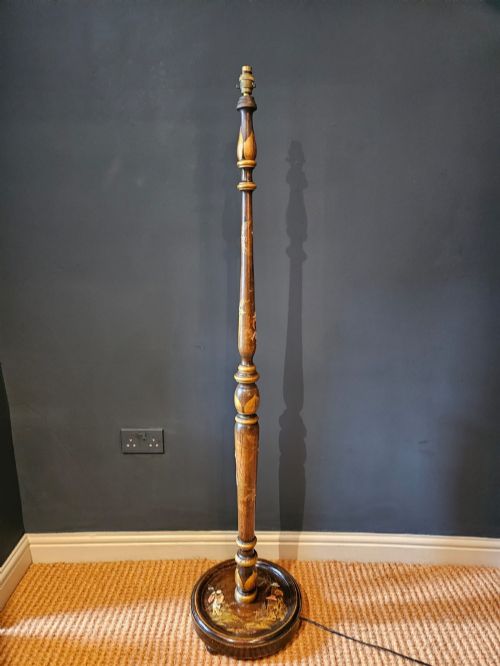
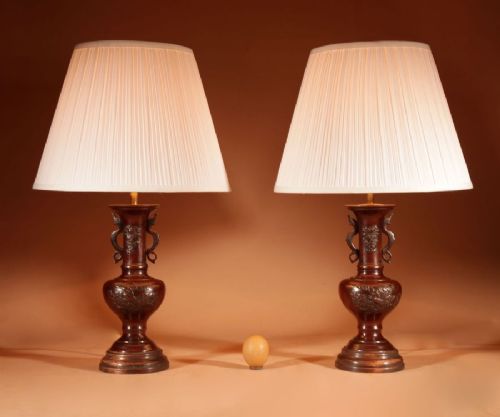
These pieces of antique oriental lighting bring hand-painted lacquer, cast bronze and porcelain into rooms through converted vases and standard lamps.
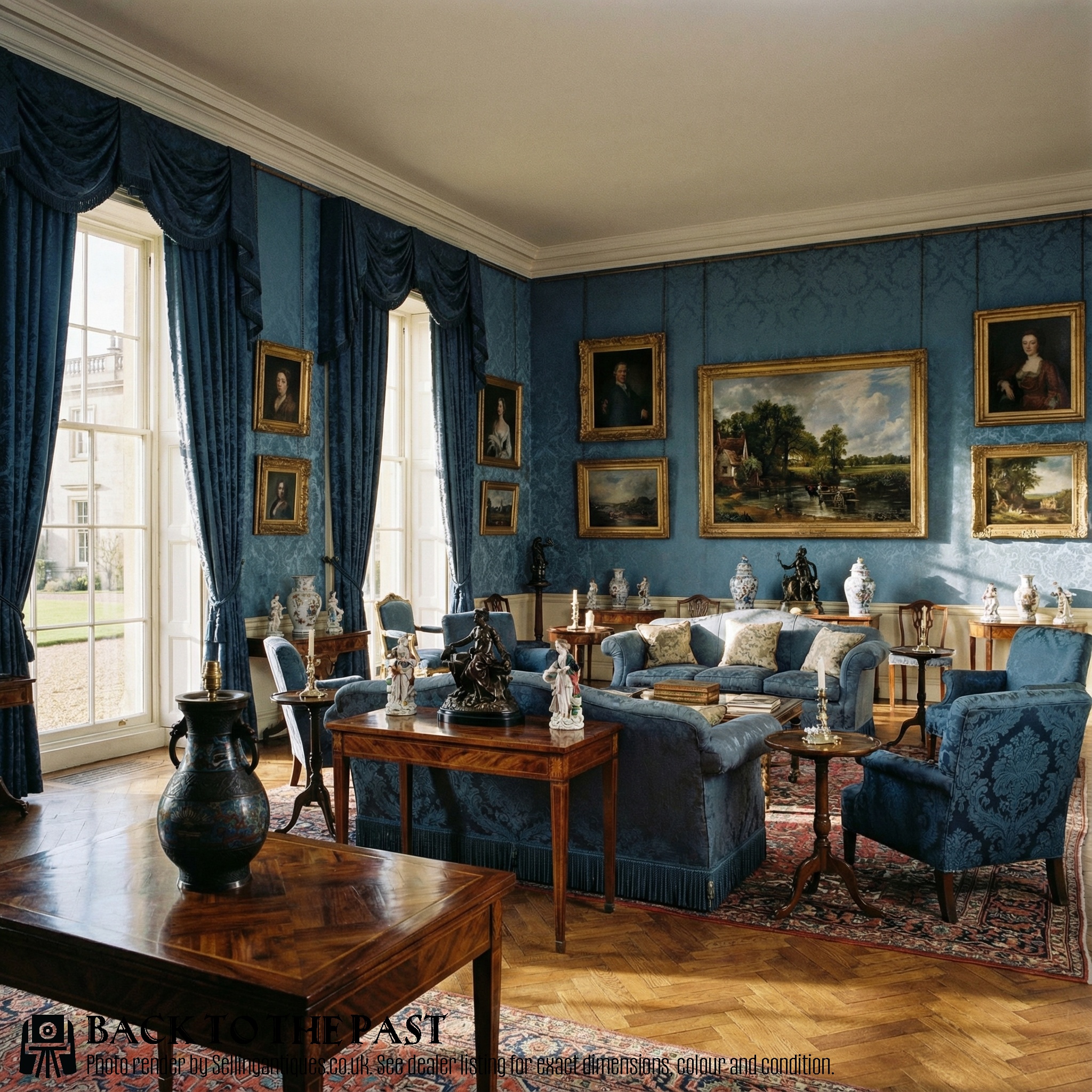
Antique Oriental Lighting
When you search for antique oriental lighting, you encounter a diverse range of objects designed to illuminate domestic spaces using imported craftsmanship and repurposed vessels. These fixtures span multiple decades, drawing on designs from the seventeenth century through to the nineteen-thirties.
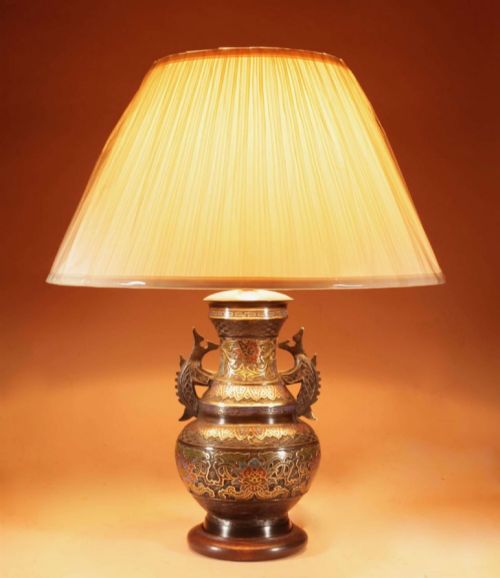
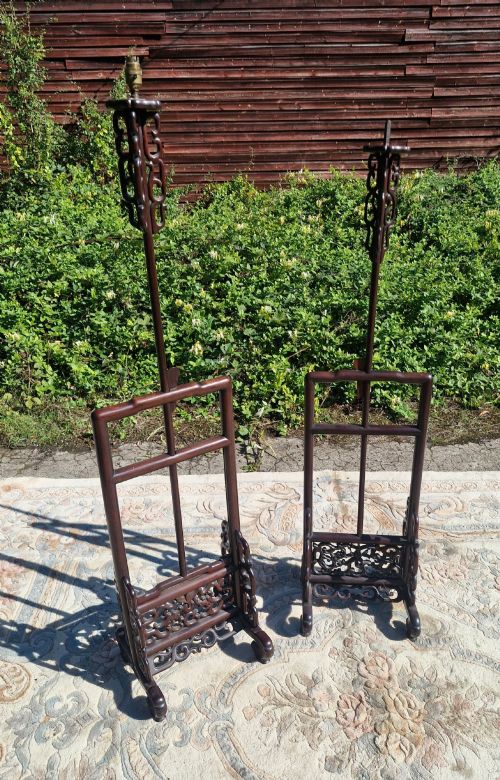
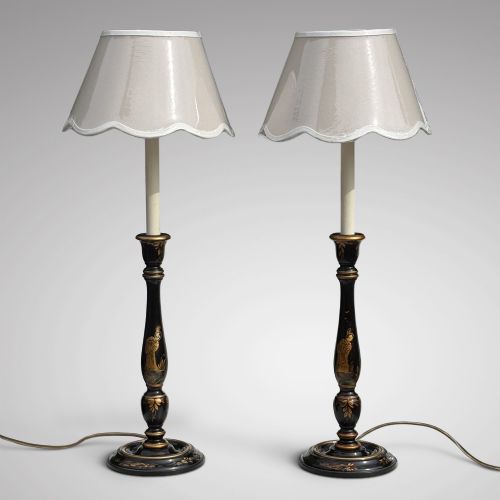
The selections on this page primarily consist of table lamps and floor-standing standard lamps alongside converted jars, vases, and candlesticks. Japanese Meiji period bronzes and Edwardian chignoiserie standards dominate the forms available here.
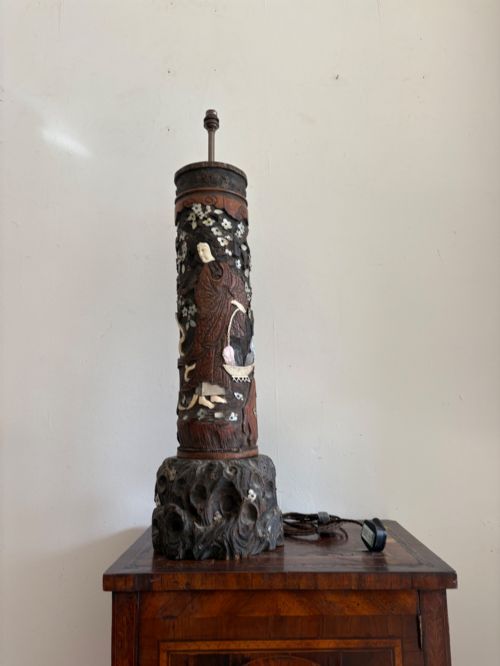
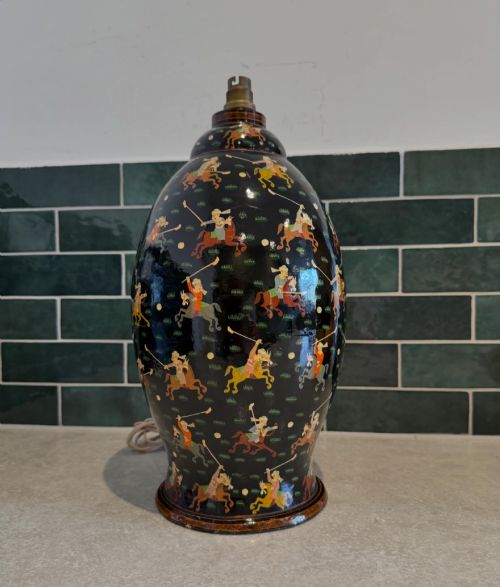
Originating from distinct regional traditions, these items include Japanese champlevé enamel, Kashmiri hand-painted woodwork, and Anglo-Indian carved torchers. Each piece reflects the cross-cultural exchange of decorative arts across the nineteenth and early twentieth centuries.
Materials and Construction Techniques
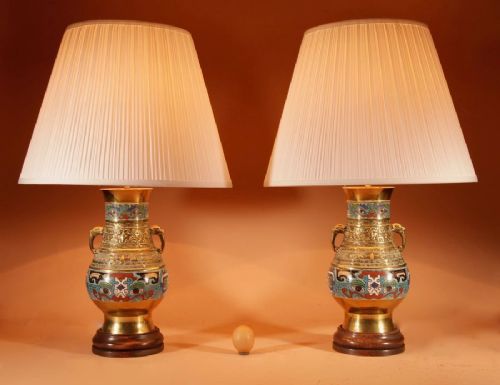
Metalwork forms a significant portion of these items, utilising cast bronze, brass, and patinated white metal fashioned into table lamps, floor standards, and pricket candlesticks. Artisans applied intricate champlevé and cloisonné enamelling directly onto the metal surfaces to create rich surface patterns.
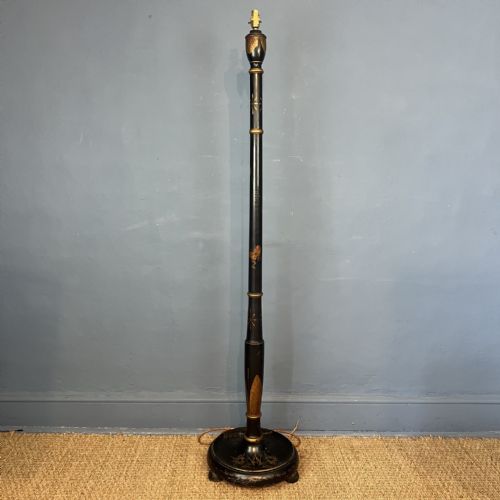
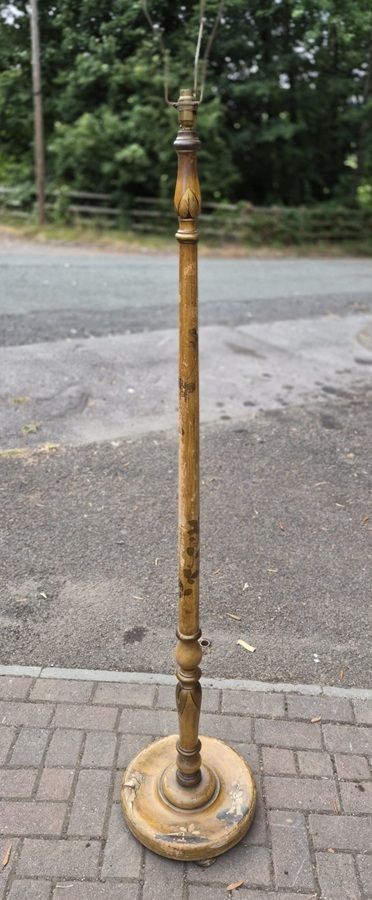
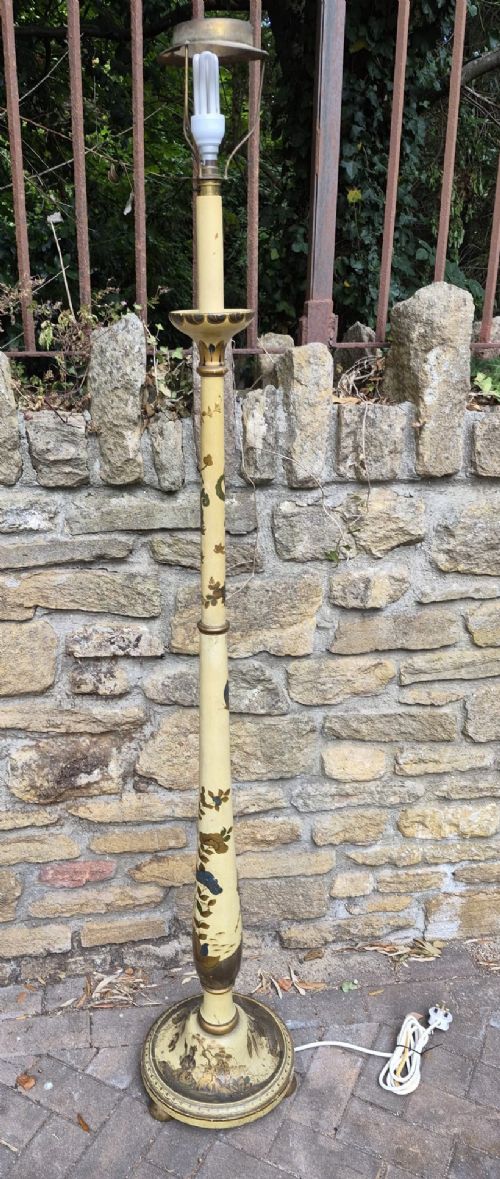
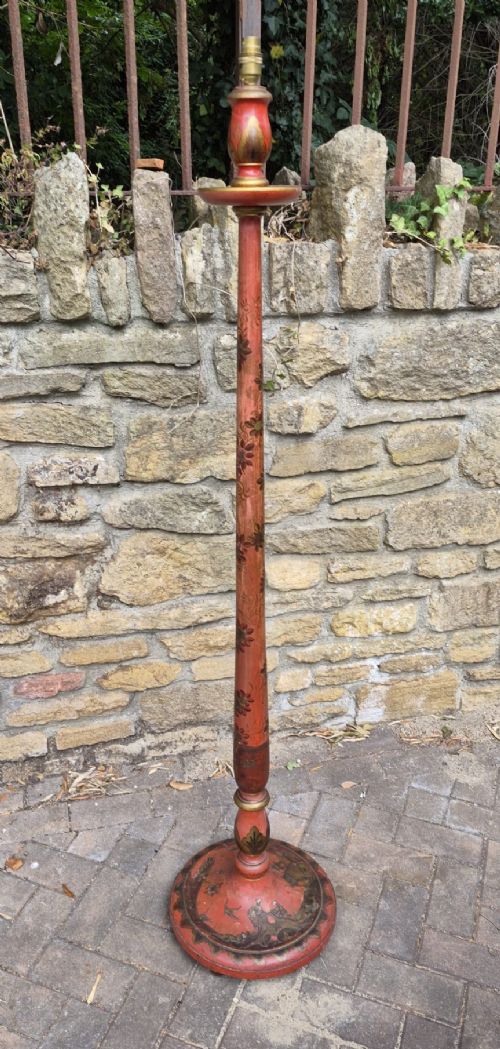
Surface decoration relies heavily on traditional lacquer work, applying crimson, orange, and black coatings finished with hand-painted chiorieserie motifs. Artisans combined carved woodwork with gilt gold highlights to produce decorative lighting standards for Edwardian and later interiors.
Antique Oriental Lighting Retail Price Guide 2026
Typical asking prices for oriental lighting among the pieces listed under this phrase on Sellingantiques today, from the lower quarter to the upper quarter. They describe what is for sale here now, not the wider market.
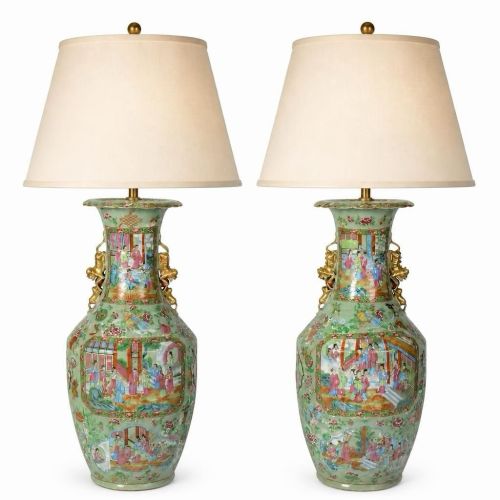
Materials documented across the catalogue include bronze, cloisonne enamel, rose medallion porcelain, and hand-painted Kashmiri wood.
Distinctions in Quality
The sophistication of the surface decoration and the precision of the hand-painted details determine the standing of an individual piece. Items featuring crisp cloisonné enamel work or finely preserved lacquer display a higher level of artisanal skill.
The integrity of the original material conversion, such as how cleanly a historic vase or jar accommodates electrical fittings without compromising the ceramic body, influences the overall execution. Complete pairs with matching patination and balanced proportions command greater appreciation among collectors than single mismatched examples.
The Antique Oriental Lighting Glossary
- Champlevé
- Enamelling technique where troughs are dug into a metal surface and filled with vitreous enamel before firing. This method creates bold, colourful patterns across bronze lamp bases.
- Cloisonné
- Decorative work in which enamel is applied within compartments created by soldering silver or gold wires to a metal body. It frequently appears on nineteenth-century Japanese vases adapted into lamps.
- Standard Lamp
- A tall floor-standing lighting fixture designed to hold a single bulb and shade at an elevated position. Edwardian examples often incorporate painted lacquer and wooden shafts.
- Torcher
- An ornamental stand or tall candlestick originally designed to carry a torch or candle. Anglo-Indian variants use heavy carved timber.
- Satsuma
- Japanese earthenware originating from the Satsuma province, characterised by a ivory-coloured cracked glaze and intricate polychrome enamel painting. These ceramic pieces are frequently converted into table lamps.
Antique Oriental Lighting: Frequently Asked Questions
How do I date an antique lamp?
Dating relies on examining the materials, wiring methods, and manufacturing techniques used to construct or adapt the object. Stylistic markers such as Edwardian lacquer work or Meiji period bronze casting provide clear chronological brackets.
Historical evidence from the piece helps align the vessel's origin with the subsequent period of its conversion into lighting. Consulting documented examples from the same workshop aids verification.
Were these lamps originally made for electricity?
Most of these items began life as decorative vessels, vases, candlesticks, or oil lamps before being converted to accept electrical fittings. Antique jars and bronze figures were adapted during the nineteenth and twentieth centuries to suit modern domestic requirements.
This conversion process often preserves the historic body of the object while updating its internal mechanisms for safe daily use. The external appearance remains true to the original maker's intent.
What is champleve enamel?
Champleve is an enamelling technique where artisans carve shallow recesses into a metal base, typically bronze or brass, and fill them with coloured glass paste. The piece is then fired to fuse the enamel to the metal.
This method produces durable, vibrant surface patterns that catch the light effectively on table lamps and decorative stands. It requires considerable skill to execute without damaging the underlying metal structure.
How do I style a standard lamp?
Floor-standing standard lamps work well in corners or beside seating areas where they provide ambient illumination and visual height. Their painted lacquer or carved wooden shafts add vertical interest to a room.
Pairing these fixtures with complementary shades enhances their decorative impact without overwhelming surrounding furniture. They anchor traditional and eclectic interior schemes alike.