

Antique Bronze Pendant
These antique bronze pendant lights and lanterns bring weight and period detail to a ceiling, coming in forms from French Neoclassical to Chinese Export.
What these pieces are
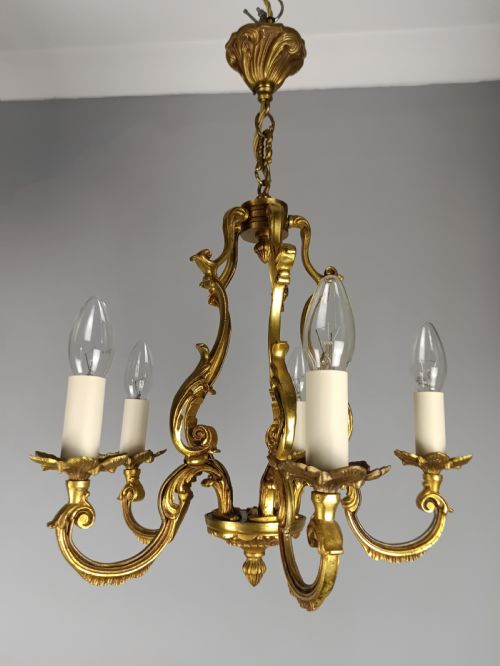
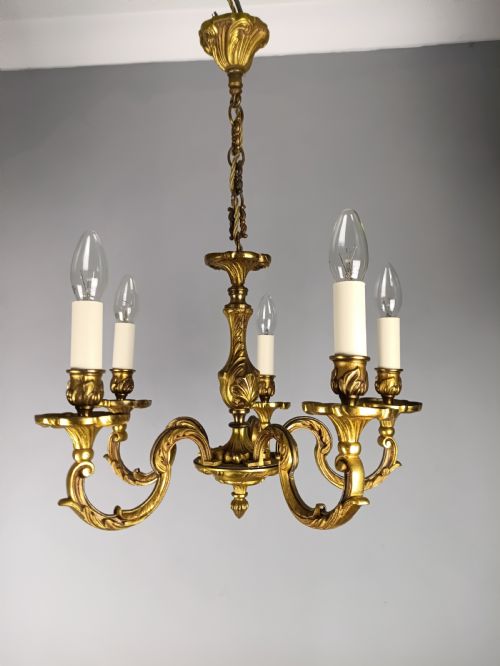
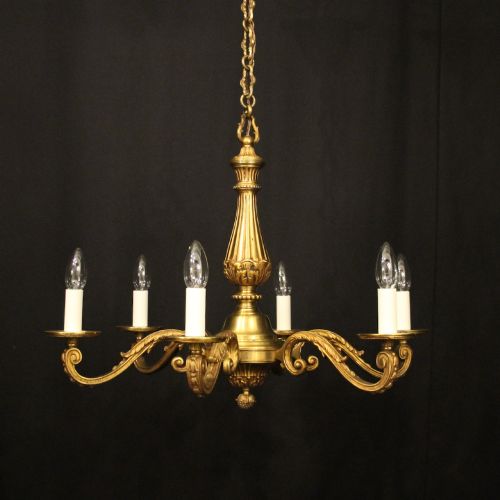
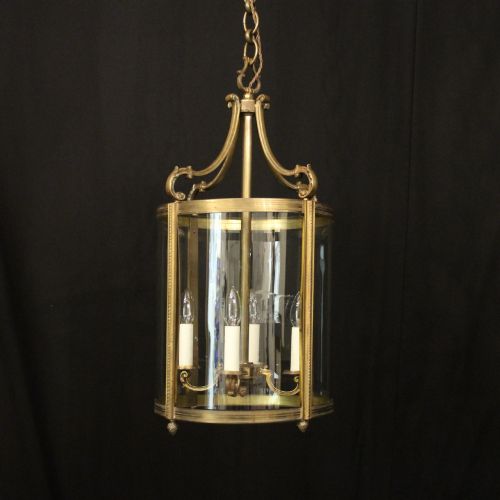
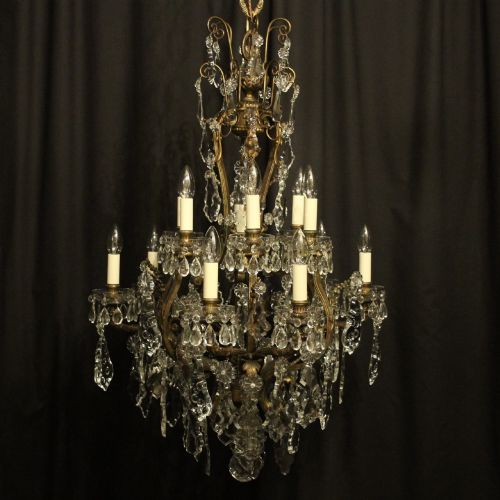
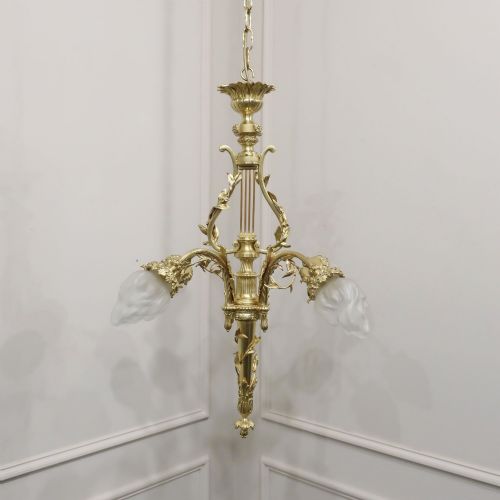
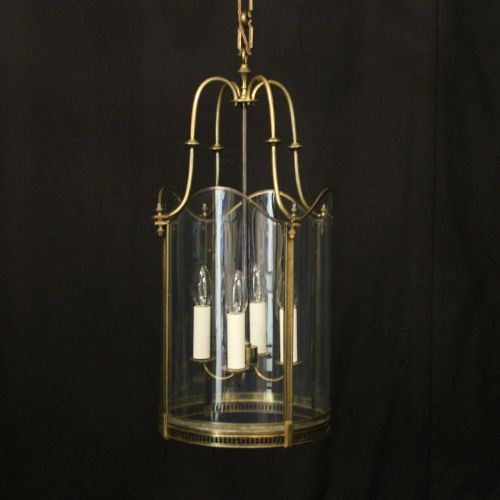
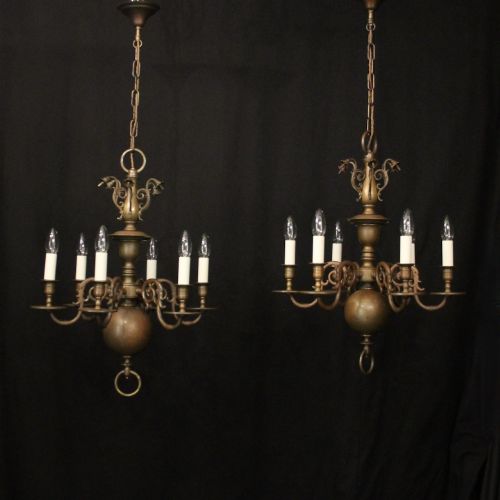
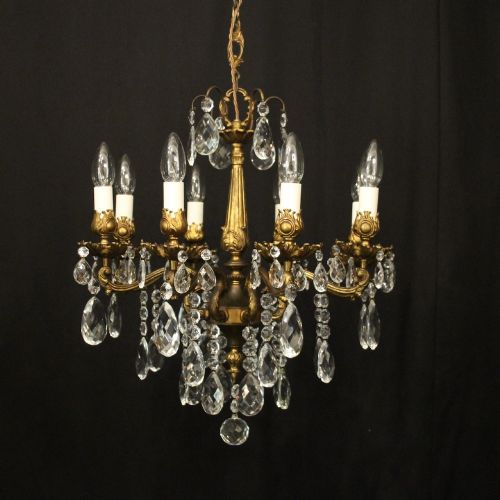
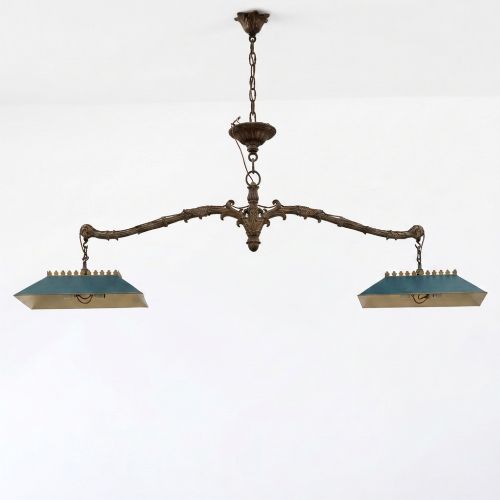
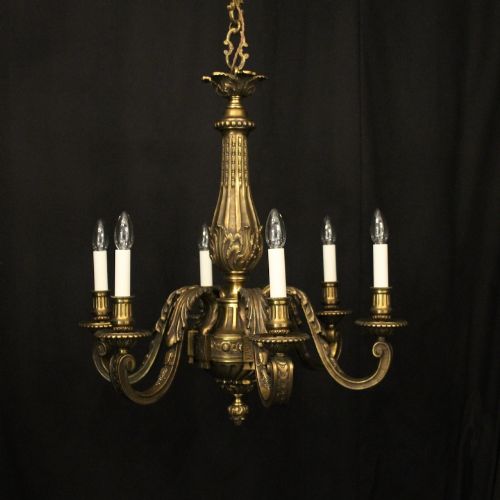
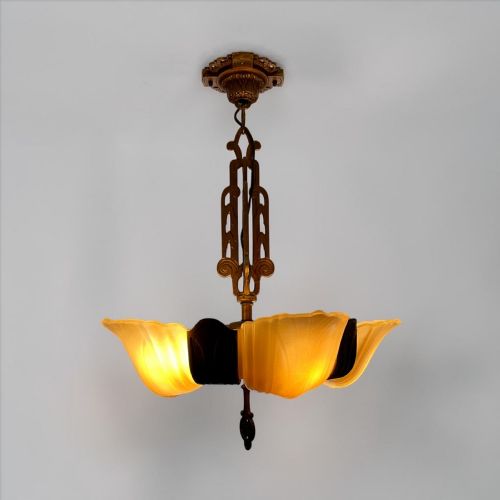
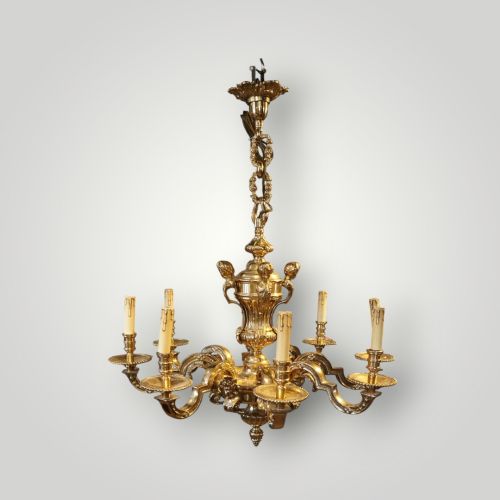
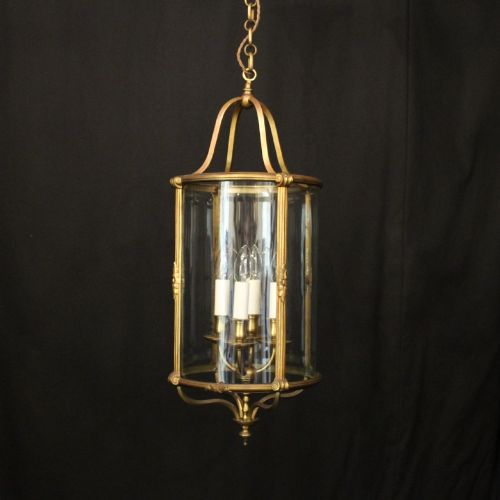
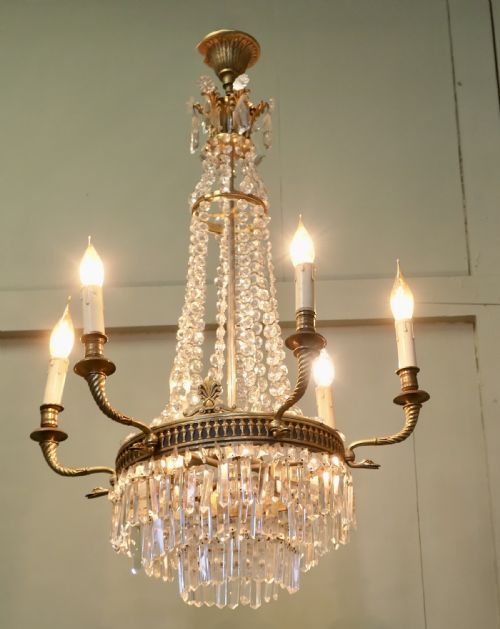
An antique bronze pendant covers a range of ceiling-hung lighting fixtures appearing across periods such as the nineteenth century, nineteen-hundred, nineteen-ten, and nineteen-twenty. The selection includes chandeliers, hall lanterns, and hanging lanterns shaped by styles like Louis XVI, Classical Revival, French Neoclassical, Baroque Revival, and Chinese Export.
The assortment draws on varied origins, uniting French and Chinese decorative traditions in single- and multi-light fixtures. Each piece hangs from ceilings to provide illumination through historical forms.
How they were made
Maker techniques rely heavily on casting metal, seen in heavy cast bronze structures and six-armed chandelier frames. Gilded bronze and gilt bronze finishes apply metallic sheen directly to the base metal surfaces.
Specialised decoration distinguishes specific pieces, such as champleve enamel work set into Chinese bronze lanterns. Smaller items, like miniature mask pendants from Ghana, utilise the lost wax technique.
Retail Price Guide 2026
Typical UK retail prices for bronze pendant, calculated from the Sellingantiques database of over a million retail prices indexed since 2003. This retail price guide relies exclusively on Sellingantiques data; no external sources or auction records are used, so the figures do not describe the wider market.
Materials across these listings span bronze, gilt bronze, brass, glass, enamel, silk, and metal.
What varies in quality
Quality reveals itself in the weight and substance of the metalwork, distinguishing heavy cast components from lighter structures. The precision of the casting and the richness of the gilding separate standard production from finer work.
The integration of secondary materials such as glass, enamel, and silk dictates the refinement of the piece. Elaborate stylistic execution in Revival and Export designs also marks the upper tier of manufacture.
The Antique Bronze Pendant Glossary
- Gilt bronze
- Metal covered with a thin layer of gold or gold-coloured material. This finish provides a bright surface on nineteenth-century and early twentieth-century frames.
- Champleve enamel
- A technique where troughs are dug into a metal surface and filled with enamel before firing. It appears on Chinese export lanterns alongside bronze.
- Lost wax technique
- A method where a metal copy is cast from an original wax model. This process creates detailed miniature mask pendants.
- Hall lantern
- An enclosed hanging light fixture designed for corridors and entrance spaces. These pieces often feature glass panels held within bronze or brass frames.
Frequently Asked Questions
What rooms suit antique bronze chandeliers?
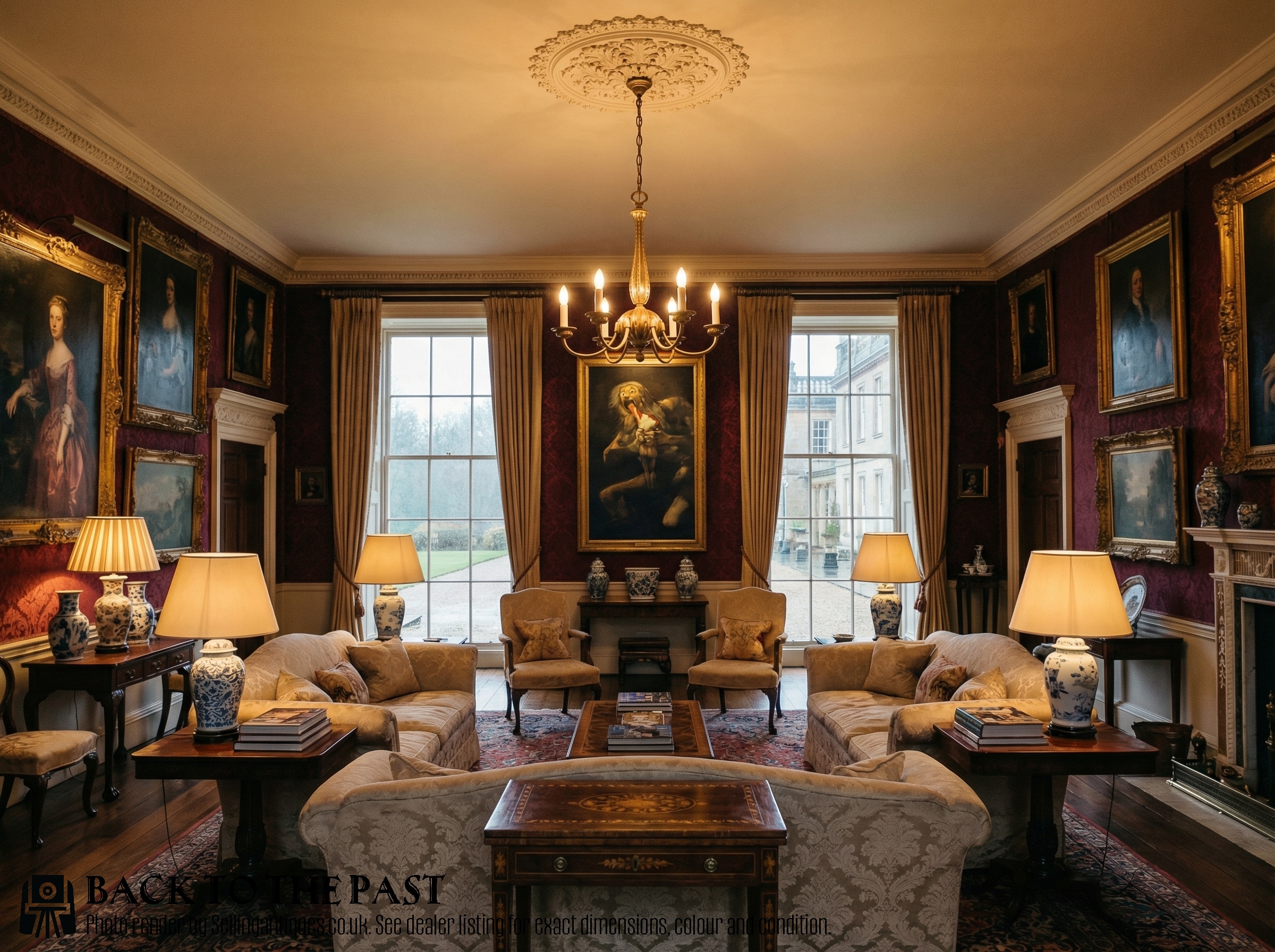
These multi-armed lighting fixtures suit high-ceilinged rooms where their substantial drop and metal frames can hang safely. They add period character to dining spaces, entrance halls, and formal reception rooms.
Smaller variants and single pendants adapt well to narrower corridors or compact spaces requiring focused overhead illumination.
How do I identify a Louis XVI style pendant?
Louis XVI style pieces draw on classical symmetry, straight lines, and ancient Roman or Greek motifs. They often feature restrained ornamentation compared to later Baroque revivals.
Look for balanced proportions and classical details within the bronze or gilt metalwork.
What is the difference between brass and bronze?
Bronze is an alloy primarily of copper and tin, while brass is an alloy of copper and zinc. Bronze generally yields a deeper, warmer tone when cast and finished.
Both materials appear frequently across these antique ceiling fixtures and lanterns.
How are hanging lanterns powered today?
Antique pendants and lanterns typically require rewiring by a qualified electrician to meet modern safety standards. The original metal suspension rods and chains are usually retained to hold the weight.
Internal lamp holders are adapted to accept contemporary bulbs while preserving the exterior period appearance.